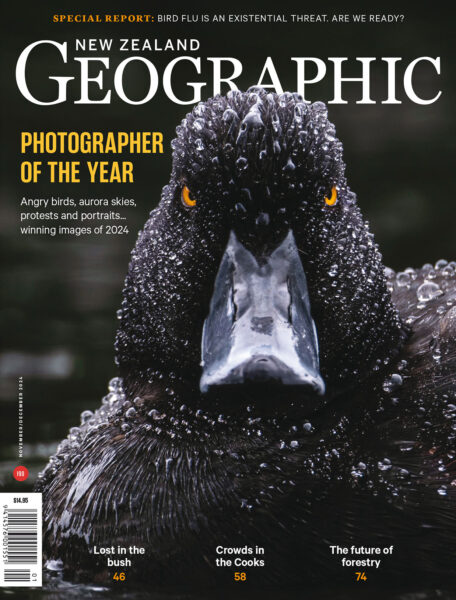
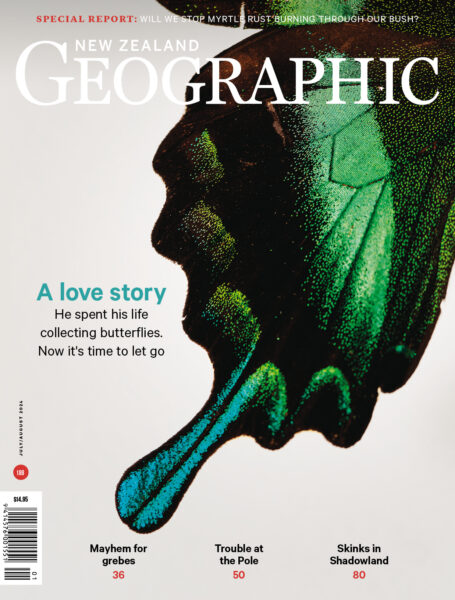
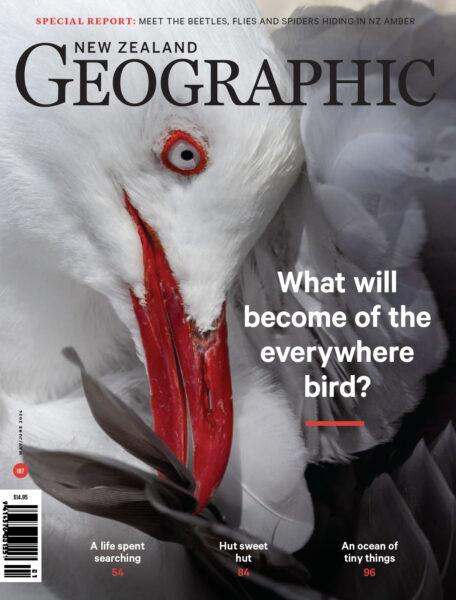
Editorial
It is impossible to write an editorial before the rest of the magazine is finished. That last week is like being stuck in a small room with 17 radios all nattering away on different stations. But now, it’s ten to seven on the night we go to press. Everything else is done; the designer is tucking the magazine into bed. In the hush, I sit down to write.
The best thing the kids and I did in the school holidays was visit a bead shop. The two of them got their own special seats and trays and spent 90 minutes in a transcendent state of immersion. My five-year-old, who is learning to add, whispered under her breath as she arranged her beads in groups. My son, almost 10, chose beads stamped with letters and set about threading them upside down and back to front, so the names scan properly for anyone looking at him. (Everyone looks at him; his necklace is spectacular.)
It had been a frenetic couple of weeks in our family—holidays are busy, with two parents working. Leaning against a wall, I watched the kids’ breathing change, and mine did, too. At one point, Ben sighed happily and announced that “making” was his favourite thing to do, apart from watching Bondi Rescue.
The rest of the day was delightful. And the necklaces they made are their most prized possessions—they both wore them to school this morning, for photo day.
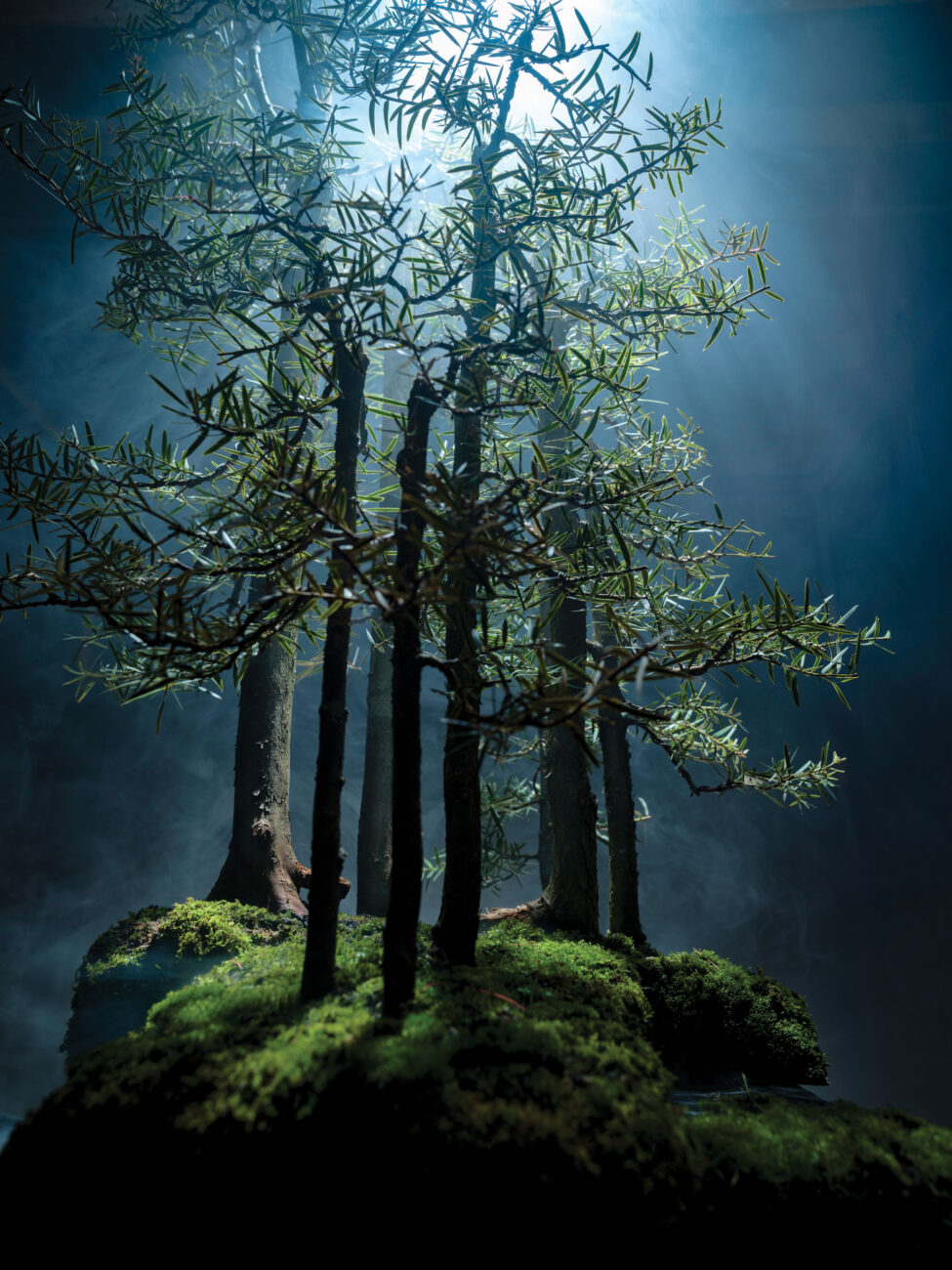
I see a similar magic at work in those who love bonsai (page 52). The trees are little but they’re super high maintenance: fertilising and watering is an always-job, then there are the occasional tasks such as pest control and mixing substrate and repotting and carving and shaping… One practitioner, Rossco Phillips, told me he could happily spend hours wiring his trees, a repetitive, productive task that he has to think about, but only a little bit.
Fellow bonsai devotee Zianne van Zyl agrees: “I think that’s a drug people chase, when they do bonsai, is that flow state. And the good feeling after you’ve done it, looking back and seeing this tree and going, ‘Man, this is awesome.’”
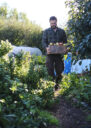
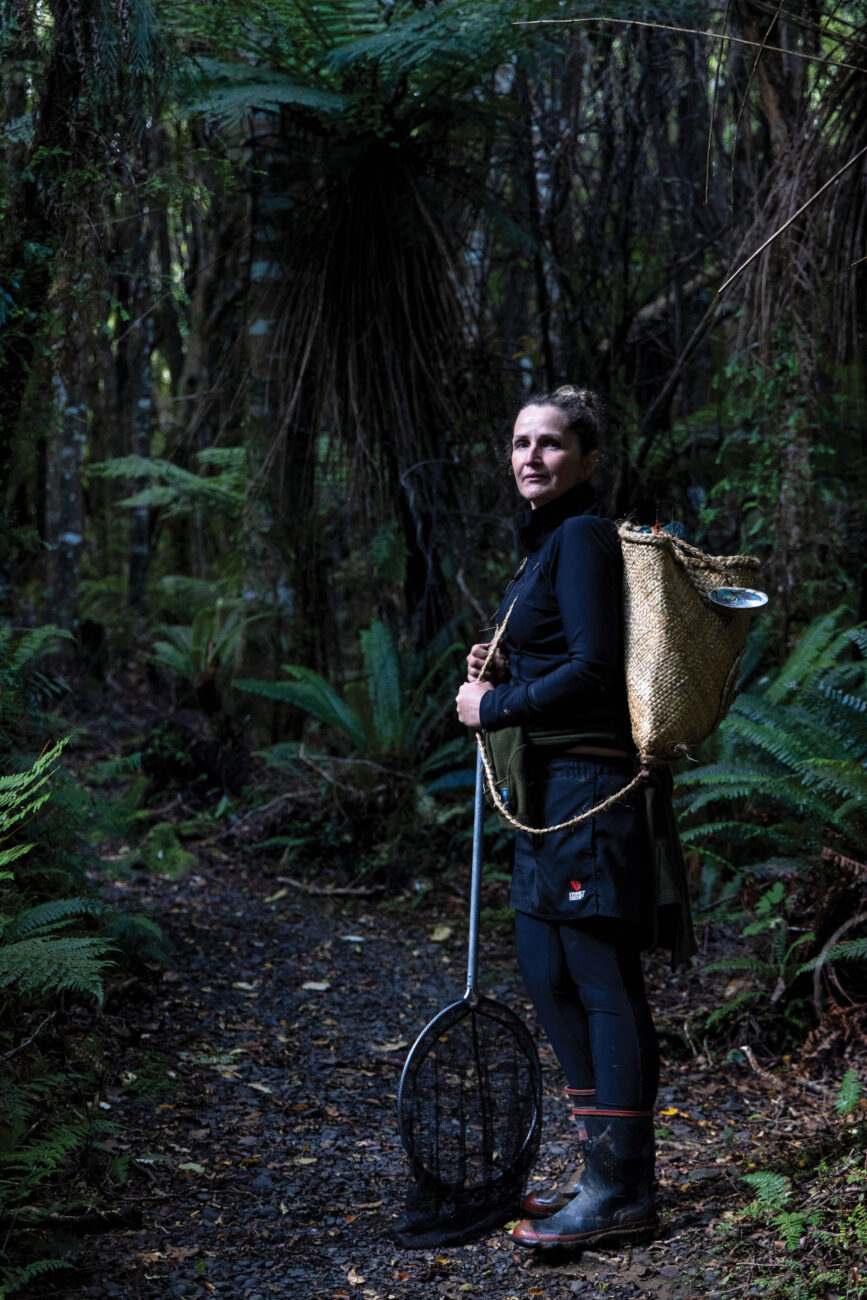
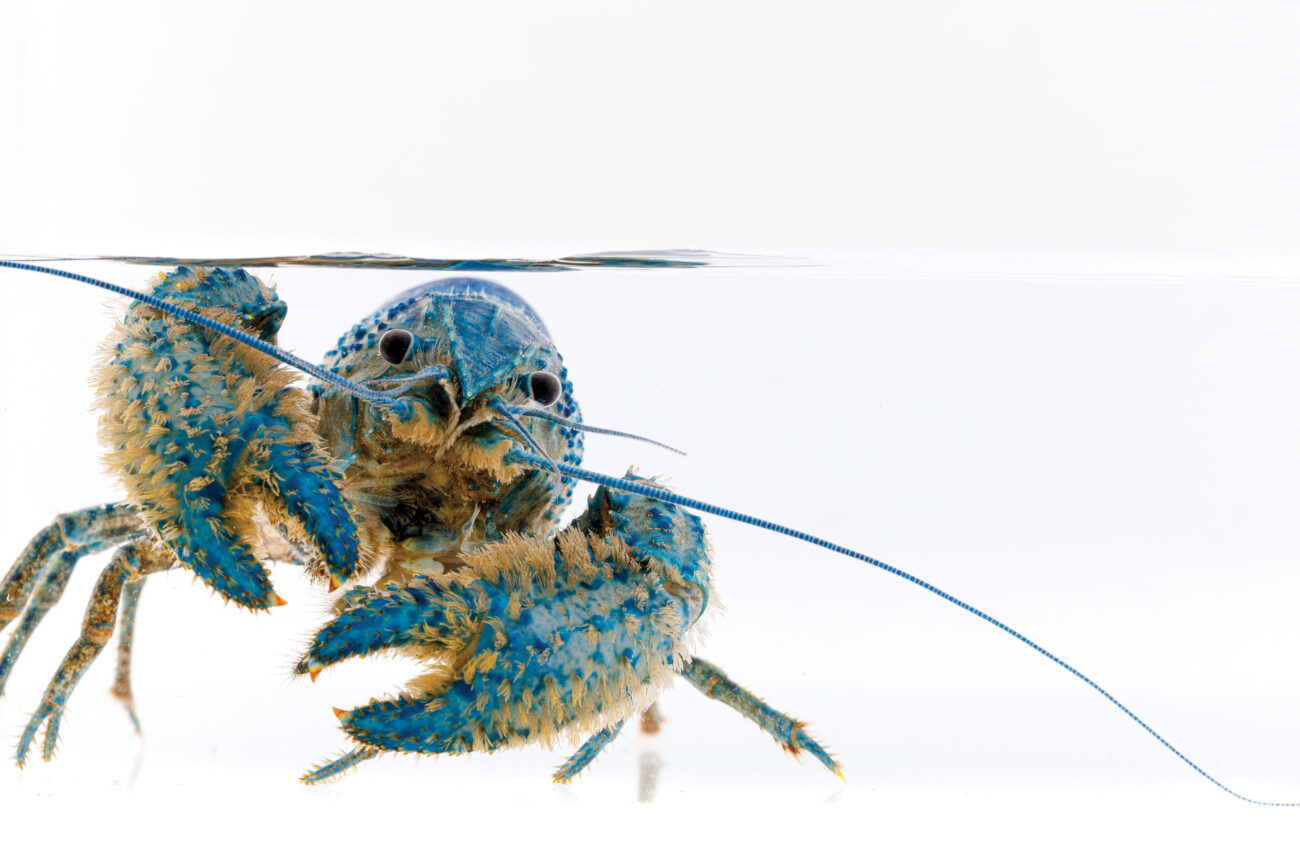
Flow is everywhere in this magazine. See: John Hollows sinking himself into cold, shallow ponds, watching his beloved kōura for hours (page 34), and Terressa Shandley Kollat slipping into the bush or the sea at any opportunity (page 26). I suspect many scientists drop into a state of flow when they’re in the field, getting face time with whichever little cog of the world most fascinates them.
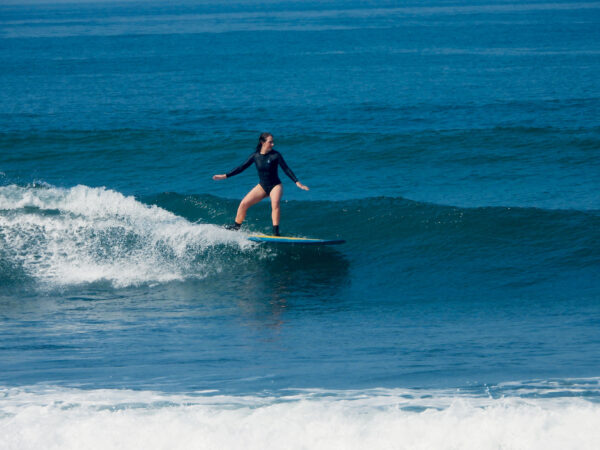
Where do New Zealand Geographic contributors go for flow? Water’s a theme, unsurprisingly. Writers Kate Evans and Michelle Duff (a senior journalist who makes her feature debut with us in this issue, on page 92) like to surf, sometimes together. Photojournalist Richard Robinson gets underwater. Publisher James Frankham sails.
Journalist Bill Morris also writes and performs country music. Rebekah White, who edited this magazine for seven years and is now at large, chucks a tent on her back and goes tramping.
Writer Asia Martusia King’s first feature for us is the cover story on bonsai. She loves drawing. “You forget to eat or pee or move and you are in actual physical pain afterwards,” she texted me. “You get such a rush when you’re lost in the shapes and movements of a good sketch.” What’s yours, she asked?
Oh. Um. My noise-cancelling headphones? Reading half a New Yorker feature in bed each night? Getting up early to get the lunchboxes done? These do not at all meet the threshold for flow, I realised: they’re blips of peace, not full, focused immersion.
Two years ago, to squeeze this job into my week, I gave up karate. I hate group exercise, but karate felt different—something about the ritual and patterns, the balance, the absence of stupid gym music, snicked my brain into another gear. I remember walking out of those weekly sessions elated. I only got to do it for a few months. I think it's time to go back.