Woman alone
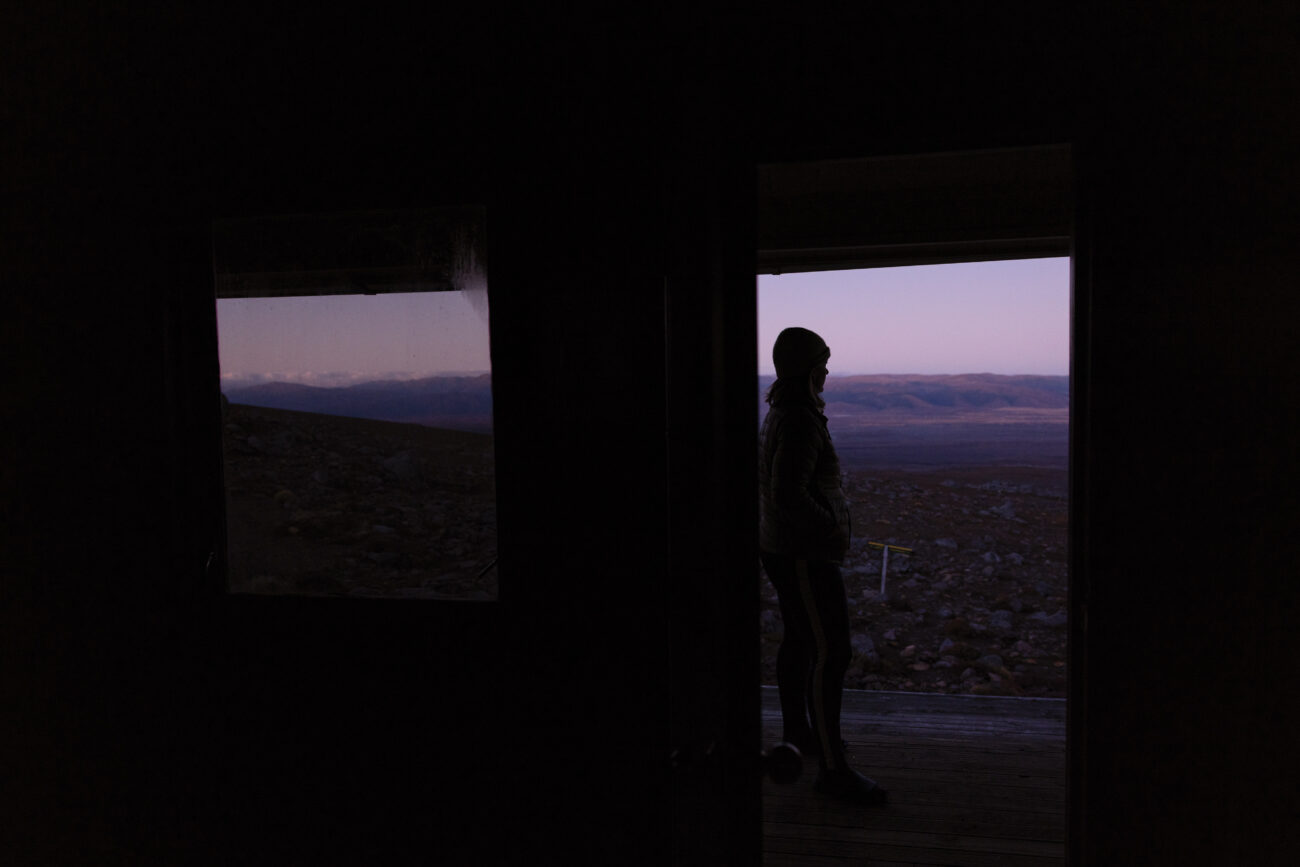
The hard, heavy work of not feeling scared in the bush—and why we persist.


The hard, heavy work of not feeling scared in the bush—and why we persist.

Every business has an environmental impact. We decided to calculate ours, using a new and comprehensive standard called planetary accounting. We are the first media outlet in the world to complete a full product lifecycle assessment against scientifically accepted planetary boundaries.
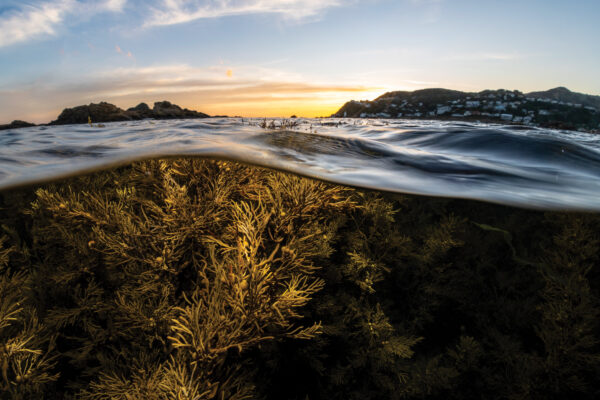
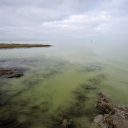
Marine ecologist Irene Middleton photographs one of her favourite dive spots, Wellington’s south coast. Astonishingly full of life, it’s now also the site of a massive, ongoing sewage spill.
Does an elephant really need to be that massive? Why aren’t there any giant insects? Why did animals in New Zealand evolve to be either unusually large or unusually small? Why do crayfish keep growing for their whole lives, and you and I don’t?
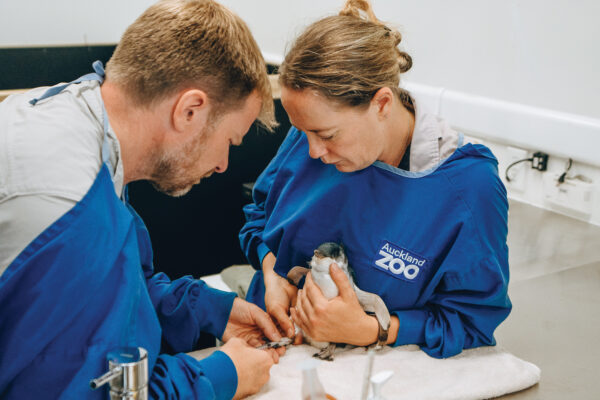
At Auckland Zoo, a rising tide of critically ill marine patients is inundating the Vet Hospital.

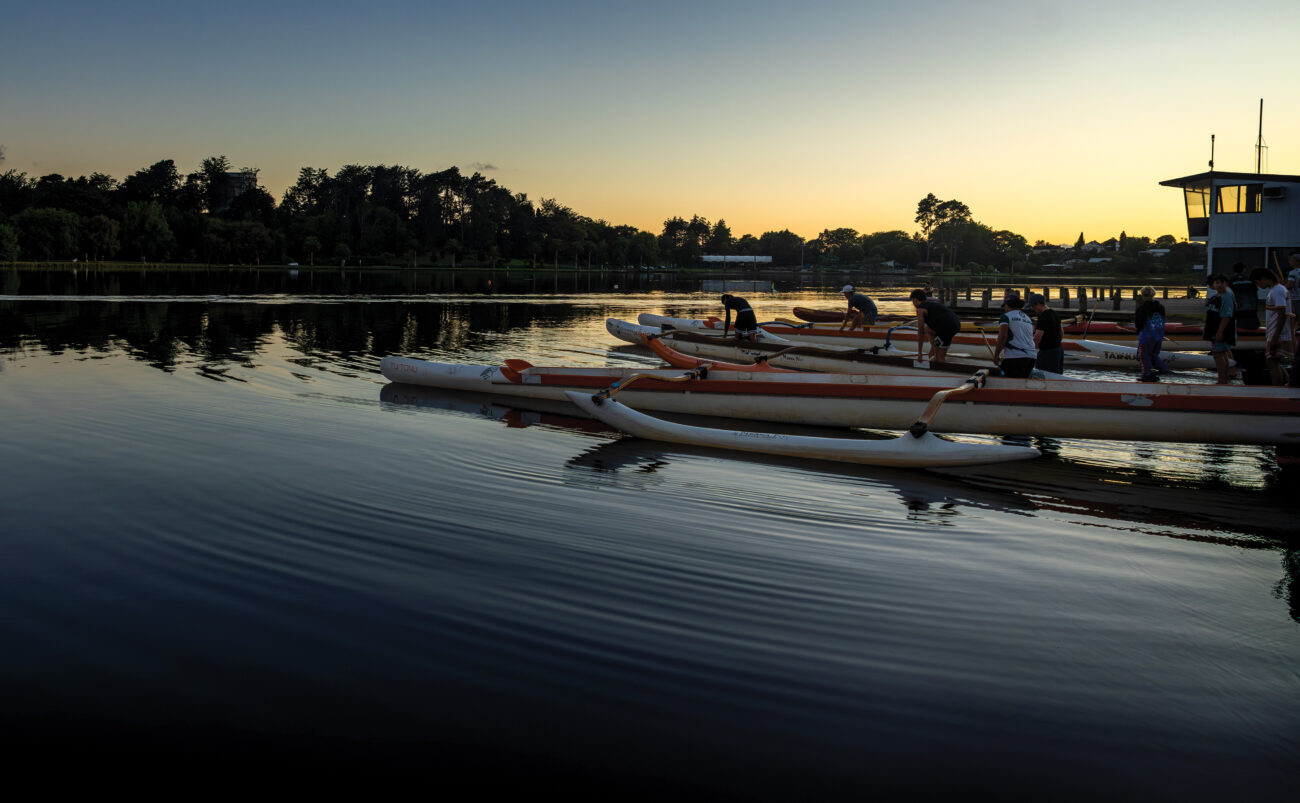
The joy and community that comes from picking up a paddle—and putting your back into it.
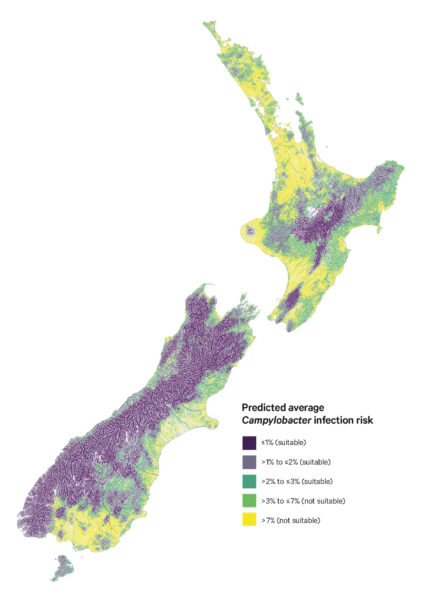
Splashing around in a New Zealand river? This map shows your risk of coming down with campylobacteriosis, a gastro illness that can cause severe diarrhoea, fever, abdominal pain and vomiting. (Campylobacter is the bacteria that got into Havelock North’s water supply in 2016, infecting thousands of people and causing four deaths.) The map comes from the new report Our Freshwater 2026; a topline finding is that because of campylobacter, an estimated 44 per cent of the total length of New Zealand’s rivers was unsafe for swimming between 2020 and 2024. Yellow indicates a risk of more than seven per cent—deemed, along with light green, “not suitable”. Darker green hovers right on the safety threshold, while our mountain rivers tend to be a much cleaner dark purple. Nicholas Ling is an associate professor of biodiversity and ecology at the University of Waikato. “It’s no coincidence,” he says, “that the places where we find those highest risks are all where we have the most issues with groundwater deterioration from intensive agriculture, particularly dairying.” But the problem is multifaceted, he adds, pointing to longstanding problems with wastewater and stormwater infrastructure, exotic species, and forestry that periodically clears our most erodible land. Confusingly, some of the “yellow” rivers may in fact be clean enough for swimming now and then. “The problem with these things is you can’t see it so you don’t know when it’s safe and when it’s not.” Don’t muck around in any waterway after heavy rain or flooding, Ling advises. But between rains, “I do actually swim in the Waikato River,” he says. “I make sure I keep my mouth closed.”
“It won’t sort itself out,” warns energy expert Nathan Surendran.
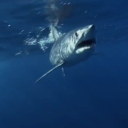
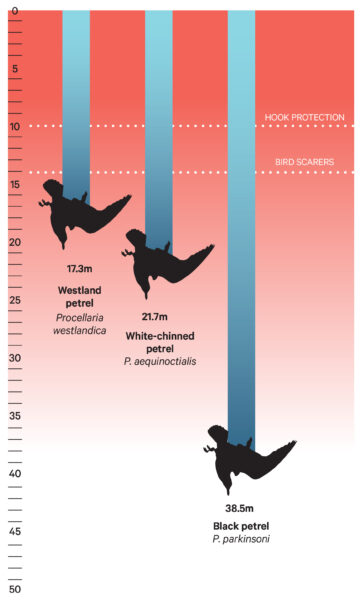
How deep do seabirds dive, and how fast do they go? Faster and deeper than we realised, according to a new study of New Zealand petrels. Answering these questions is crucial to preventing bycatch: tens of thousands of seabirds killed each year when they go for bait attached to commercial fishing longlines. Birds get hooked or tangled and drown, mostly while the line is being set. Lines are thought to be seabird-safe when sunk 10 metres deep. New Zealand researchers attached data loggers to 91 birds across three colonies: Westland petrels near Punakaiki, black petrels on Aotea/Great Barrier Island, and white-chinned petrels on the subantarctic Antipodes Island. Then, the researchers tracked and analysed 12,767 dives, and found that each of the three species set new records for depth. (One black petrel reached 38.5 metres, the deepest recorded dive by any petrel species.) Importantly, one in four black petrel dives were deeper than 10 metres, while all the birds dived faster, on average, than fishing lines sank out of reach—meaning that current fishing regulations aren’t protecting petrels.
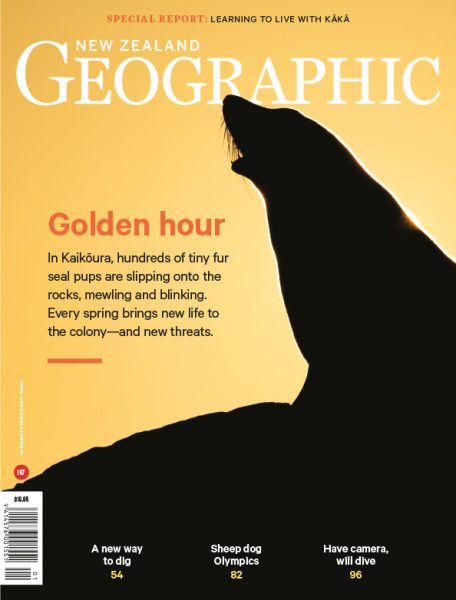
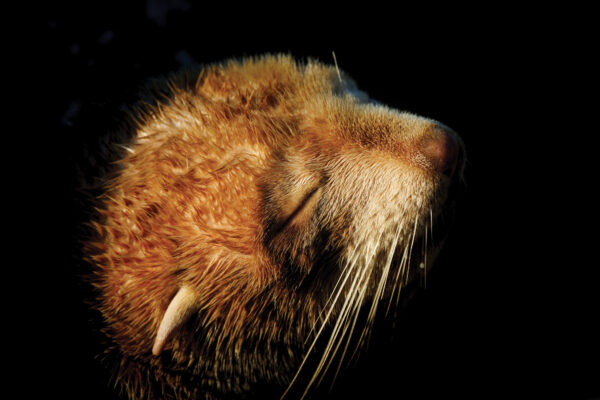
For a year, the coastline north of Kaikōura was home to a unique albino kekeno pup affectionately called Golden Boy. Department of Conservation scientists first spotted the ginger fur seal in February 2025 when he was a few months old, during colony monitoring at Ōhau Point. With his honey-coloured coat, pink flippers and nose, and rheumy eyes squinting against the sun, he became headline news—all while dozing on the rocks between ocean and highway, waiting for his mother to return from fishing and feed him her nutritious milk. Like many albinos, Golden Boy probably has limited vision, and marine biologist Jody Weir worried he wouldn’t survive the spring weaning. But he continued to look fat and healthy until November, when he disappeared. That’s not necessarily the end of his story, says Weir. Every summer, yearling pups set off from the colony on their own to start their adult lives. (The females will usually be back to breed; the males are less likely to return.) Weir thinks Golden Boy left with them and is still out there—catching his own fish, using his sensitive whiskers to guide him through the cool southern waters, a bright flash in the dark.
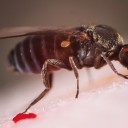
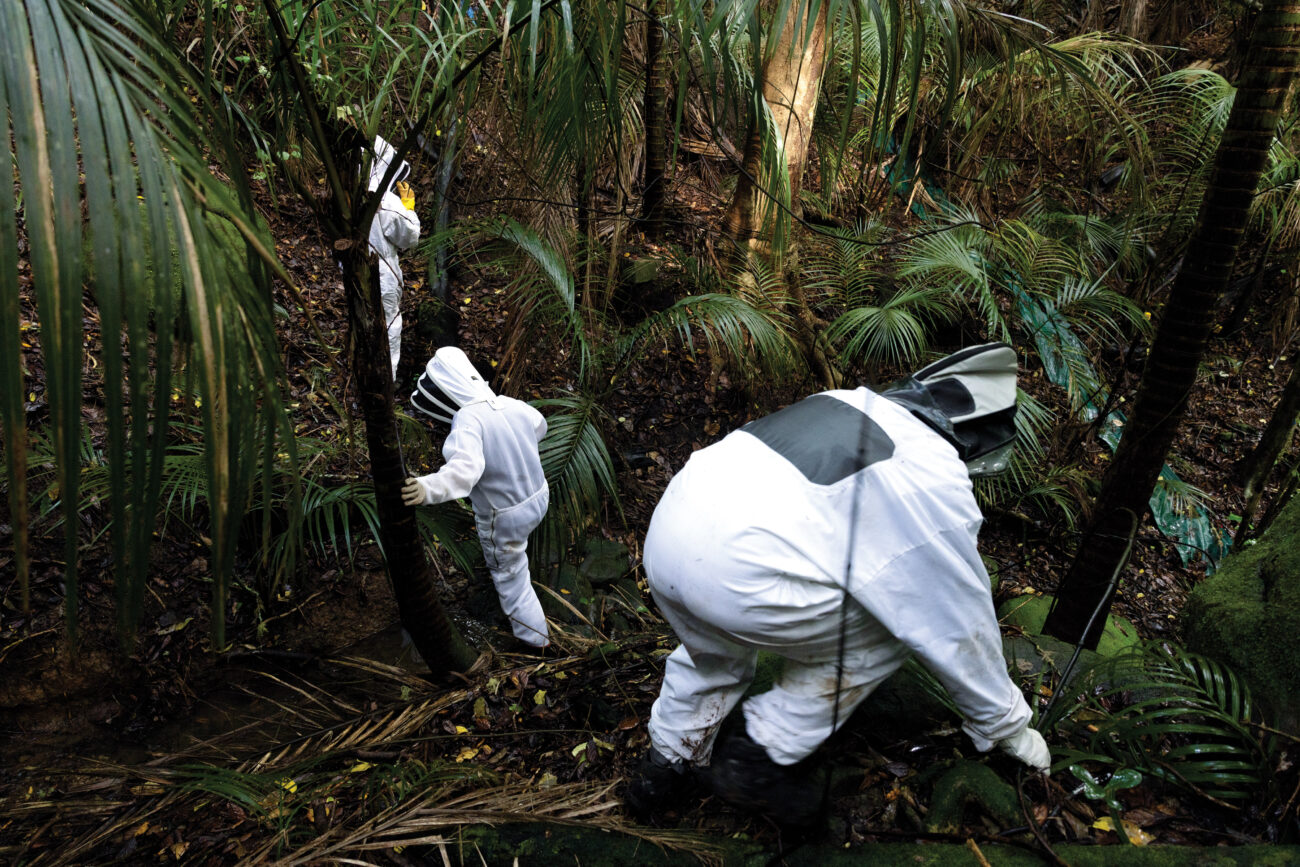
The fight to eradicate the yellow-legged hornet involves poison-puffing spears, spacesuits, Christmas tinsel, hectic chases through the bush—and an unflagging conviction that this time, we really could win.
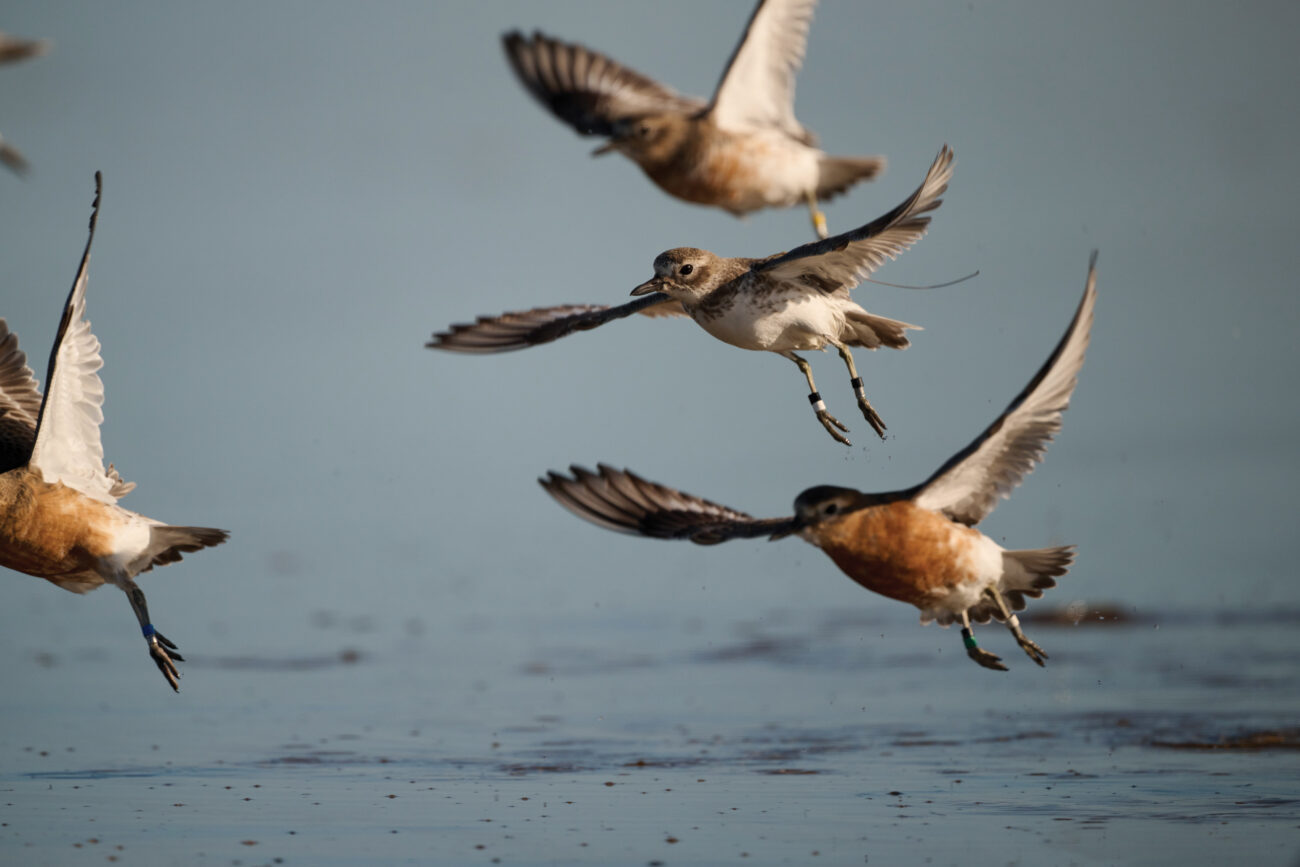
We began work on our cover story thinking we were documenting the end of a species. We’d known for decades that the pukunui, southern New Zealand dotterels, were in existential strife. But early in 2025, someone working to save the birds called me: a new count, they said, showed the pukunui could have only a few seasons left. It felt like getting summoned to a hospital bedside. The Department of Conservation made a short documentary about the work of keeping the birds alive. The dotterels breed only on Stewart Island/Rakiura and they are most vulnerable on the nest, especially at night, when feral cats are on the prowl. Ranger Dan Cocker talked about an especially friendly pukunui he named after his girlfriend. He’d had a wee chat with it, he said, and promised the bird he’d do everything he could. On his next visit, he found just a clump of feathers in the tussock. He tucked a leg band in his pocket. I sent the doco to Nelson writer Naomi Arnold. “Jesus,” she replied. “Sign me up.” What happened next—what happened on Rakiura last summer—is the best kind of miracle. Pragmatic, timely, replicable. I hope that you find time, amidst the churn of geopolitics and “weather events”, to sit and read the story of the pukunui, and let those little birds lift you up. At the other end of the country, right in my backyard in fact, another empirical miracle. You’ve probably heard about the fight to eradicate yellow-legged hornets. Officials have regularly updated the tally of nests destroyed: at last count, 132. But a far more impressive data point has been missed. Four thousand, six hundred and forty-six hornets were, over summer, zipping merrily around the wilder side of Auckland’s North Shore—nesting in tangled, steep gullies, and overgrown gardens—and now they’re not. A further 39,653 hornets-in-waiting died as larvae and pupae, before they had a chance to launch. These hornets are dark, very easy to lose in the bush. They’re fast. They can fly for something like 30 kilometres in one go. And, as entomologist Guaraci Dias told me as he dissected the biggest nest of the season, “everything in the nest is programmed” for rapid expansion. It staggers me that we’ve been able to keep on top of them at all and that it looks like we will, in fact, stamp them out for good. Dan Etheridge, one of two hornet experts who came over from the UK to train the New Zealand team, says King Charles once suggested that you could just blast the nests with a shotgun. “I didn’t want to say, ‘Well, technically, that would be a disaster, Your Royal Highness.’ I think I might have done one of those really loud laughs.” Shoot a nest and all you’d do is send the queen zinging off to start a new one—and that nest, like the last, would be a mission to find. So what’s needed, instead, is reconnaissance, and cleverness, and patience. When you kill a nest—when you slide in the spear and its payload of permethrin powder—you do it gently, so the hornets don’t realise they’re under attack. That’s how you kill 44,299 hornets in one summer. That’s how you leave none behind. There are other numbers whirling in the ether. As I write, we have 19.5 days’ worth of diesel on shore. We’re projected to blow past two degrees Celsius of global warming. There’s a 50 per cent chance that the lifegiving network of currents in the Atlantic Ocean collapses by 2100, shunting New Zealand into a super-heated, dry future. We can choose to despair at these numbers—or we can take the increasingly radical option: optimism. It feels the same as bloody-mindedness, sometimes, and it can feel pointless, and petty. But it’s the first step in the deliberate construction of miracles. And we could do with a few more of those.
Jay Lichter, Allen & Unwin
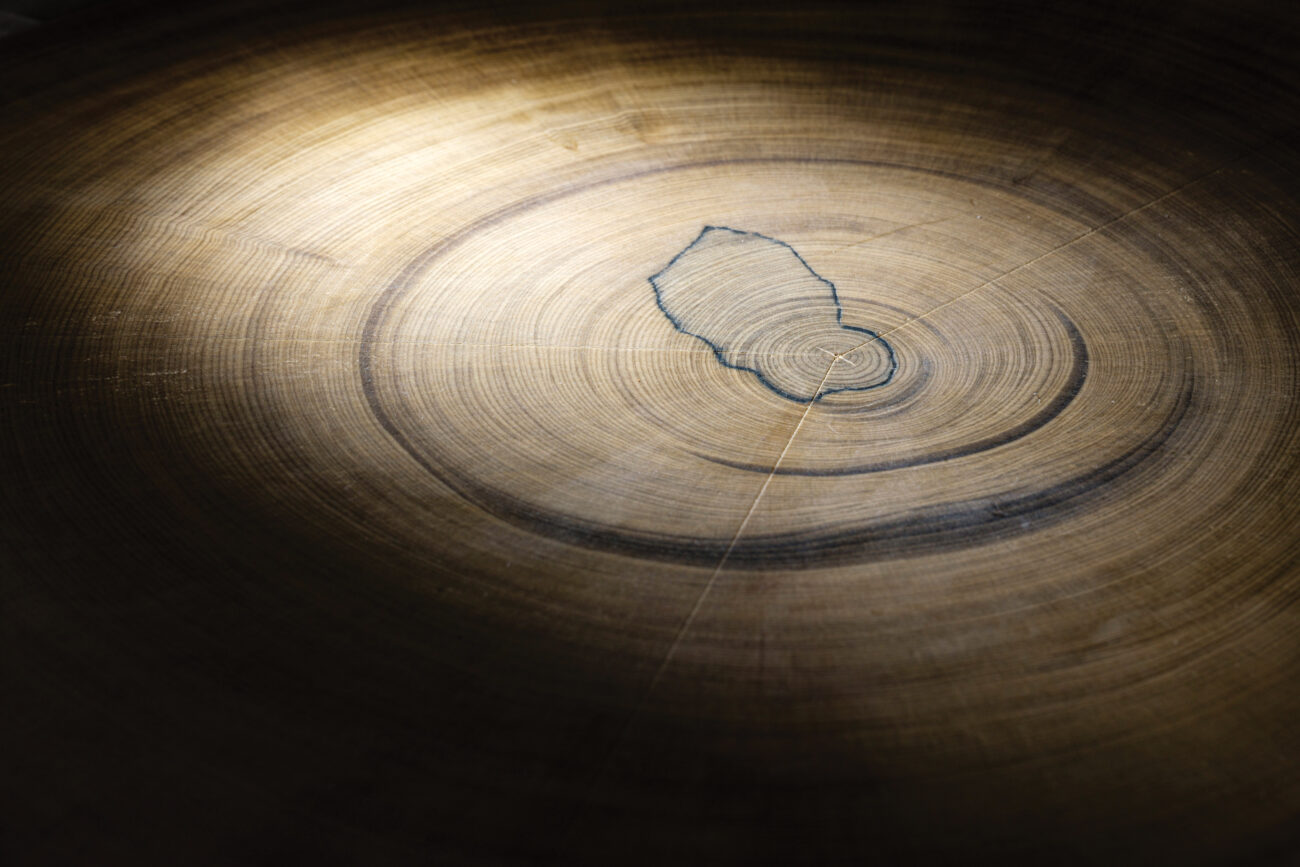
Five hundred years ago, people starting building pā all over northern New Zealand—fortifying their settlements with rows of pointed palisades, cut from the surrounding forests. Why? What were pā defending—or trying to say? The trees themselves—combined with mātauranga Māori—tell a story.
Asher Emanuel, Bridget Williams Books
For decades, the southern New Zealand dotterel had been disappearing, bird after bird killed on the nest, mostly by feral cats. Only 126 birds were left. Two years later, 105. Then everything changed.
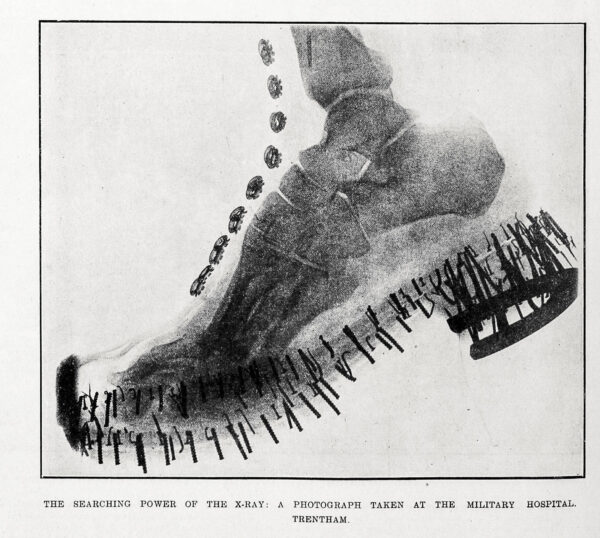
Suddenly we could take photographs of our insides. And we loved it.

3
$1 trial for two weeks, thereafter $8.50 every two months, cancel any time
Already a subscriber? Sign in
Signed in as . Sign out

Ask your librarian to subscribe to this service next year. Alternatively, use a home network and buy a digital subscription—just $1/week...

Subscribe to our free newsletter for news and prizes