A second wind
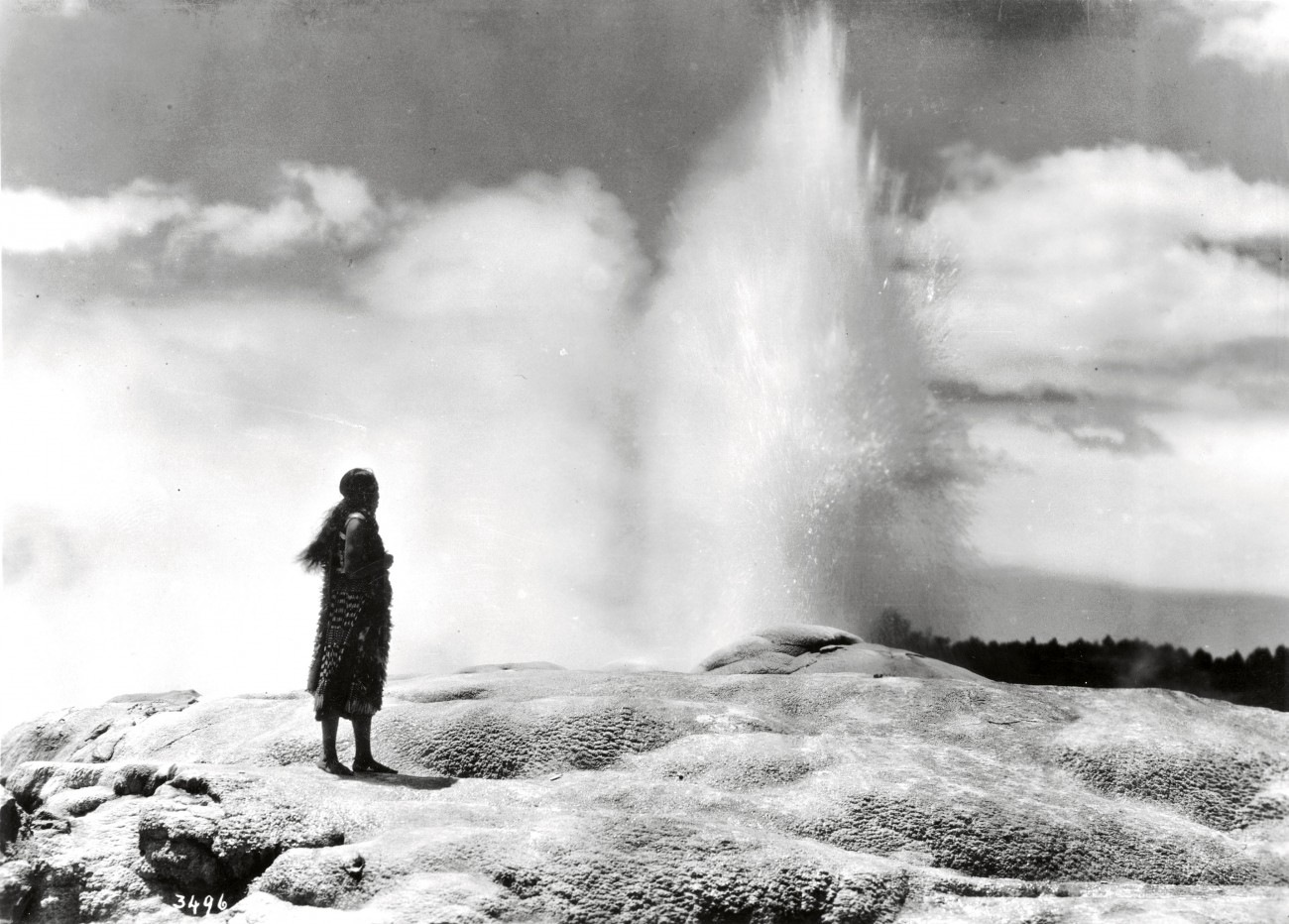
The once-renowned Waikite geyser could be back after a 43-years hiatus.


The once-renowned Waikite geyser could be back after a 43-years hiatus.

Early hominids have been found to not only cook their veges, but also self-medicate with herbs.
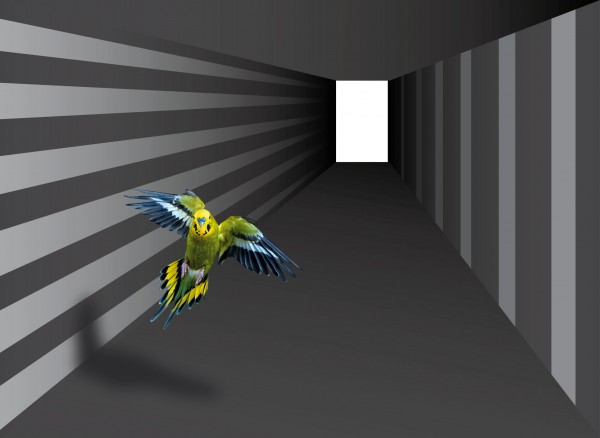
Gannets can spot fish from both above and beneath the water by changing the structure of their eyes, in milliseconds.
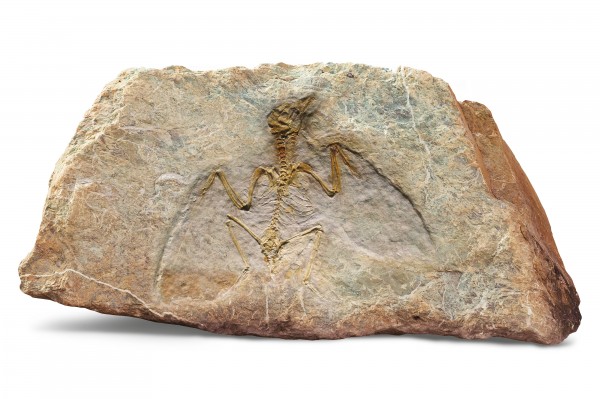
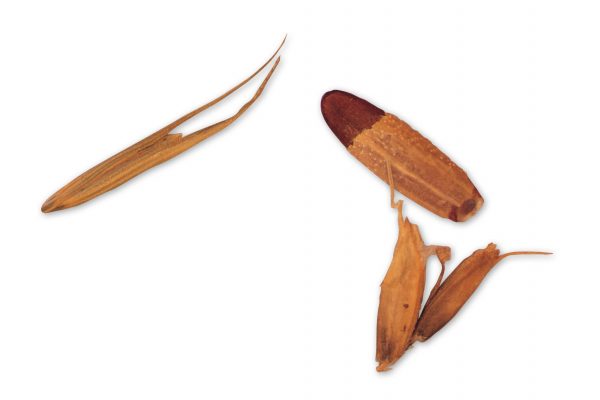
Scientists are still puzzling over how the first birds flew
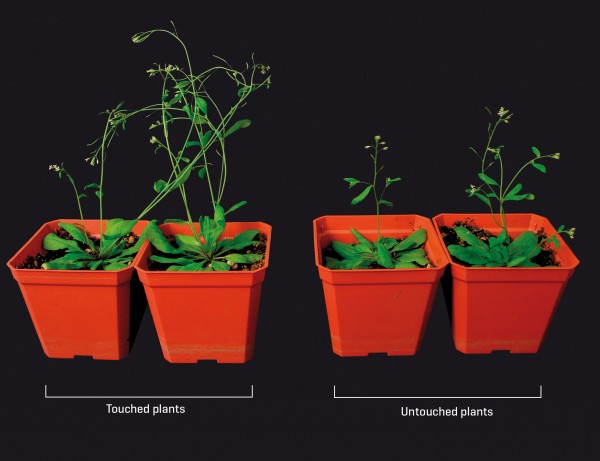
Primed for defence with just a caress
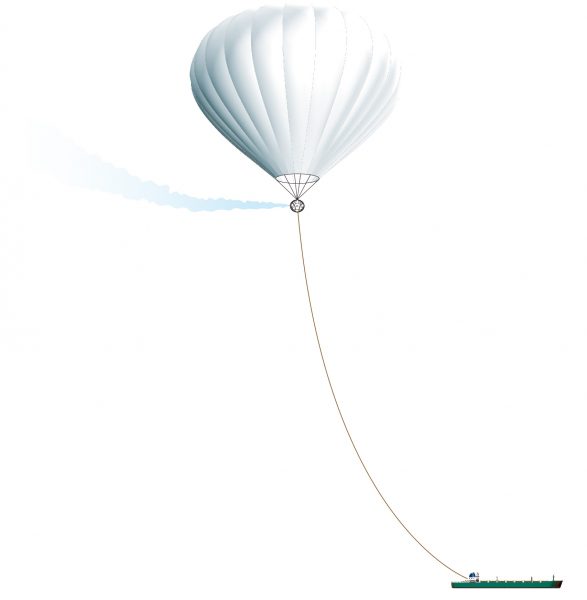
Carbon dioxide emissions must decrease to curb global warming, but until then, novel alternatives abound.
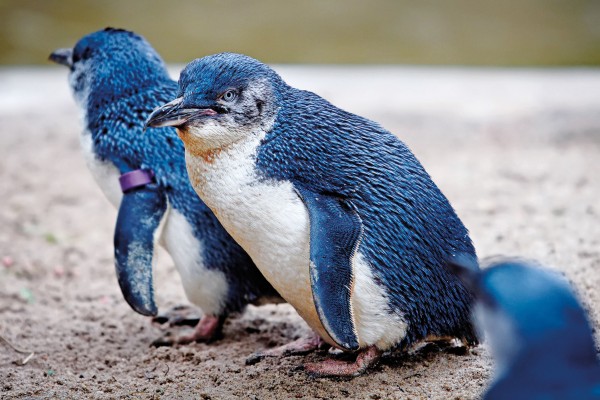
Blue penguins become the yardstick for effective fighting
Words are being lost faster than they are being created
Exotic weeds are heading for Antarctica–on the boots, clothes and equipment of tourists and scientists
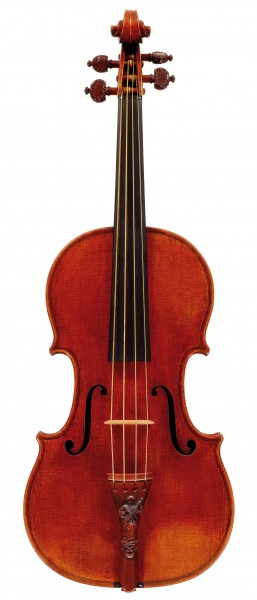
Italian violins of the masters sound no different from modern violins.
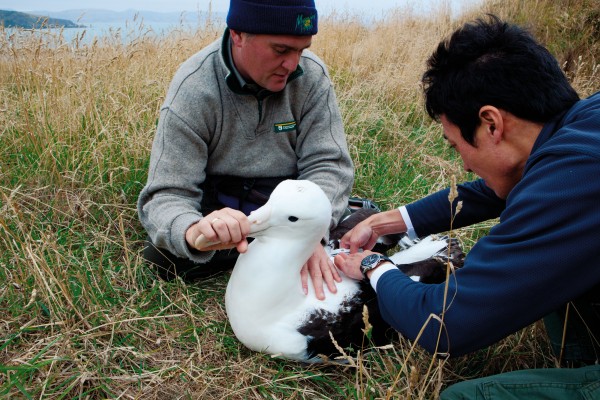
Longlining and trawling kill tens of thousands of seabirds each year in the Southern Ocean. The birds seize baited hooks that trail kilometres behind boats, are caught and drown, collide with cables, or entangled in nets. However, it is also possible that the cast-offs from the vessels represent a plentiful source of food that is advantageous to the birds overall. Researchers have turned to the albatrosses themselves to clarify the relationship between the birds and the boats, especially during their 10-month, biannual breeding season. Otago University PhD student Junichi Sugishita secured solar-powered GPS units to the backs of nesting northern royal albatrosses at Dunedin’s Taiaroa Head, and temperature loggers to their legs. The loggers on some of the birds will relay data back through cellphone networks to be plotted live on a Google satellite map with position data of fishing boats. When birds and boats coincide, Sugishita will watch for rapid temperature drops that indicate when an albatross is feeding on the water. (Albatrosses cannot feed on the wing.) He hopes that the data will indicate whether the birds are actively targeting the baited hooks surrounding the boats themselves, or just following the vessels. When not nesting, royal albatrosses forage as far afield as the coasts of Chile and Argentina for fish, squid, krill and salps, but their feeding patterns during the ten-month breeding season around Dunedin remains a mystery. Sugishita hopes that the transmitters will stay on the birds for nine months, so time will tell.
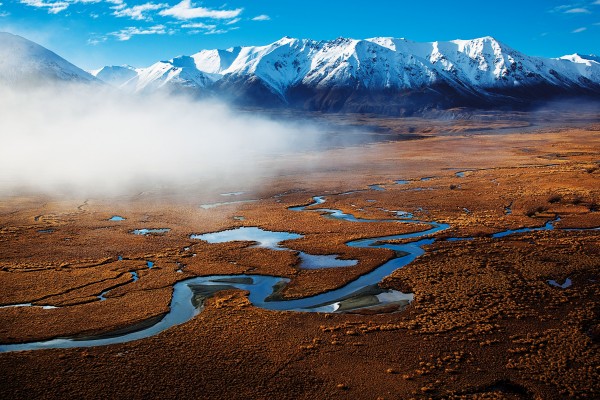
Wetlands conserve biodiversity, store carbon, control erosion, purify water and function as breeding grounds for fish, fowl and invertebrates. In New Zealand, 90 per cent of wetlands have been degraded, drained or destroyed. Many of those are now being restored to their former glory, but new research suggests that they will never function as they once did. University of California, Berkeley fellow David Moreno-Mateos studied 651 restored wetlands of every type around the world from salty estuaries to alpine marshes—50 years to a century after restoration. Despite this long period, they were found to store 23 per cent less carbon than unaltered sites, and had 26 per cent lower plant biodiversity.
Like the biblical tower of Babel, citizens of Vanuatu inhabit a world of strange tongues.
Bird brains not so dull after all.
The silent menace in New Zealand waterways
Micro-blogging the world’s mood
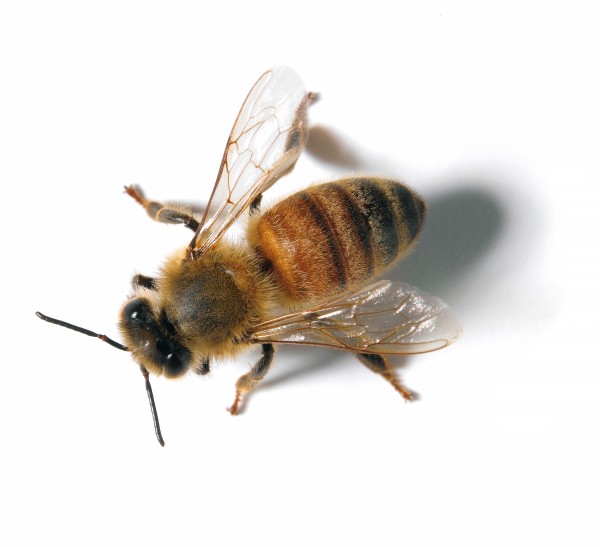
Detecting tuberculosis is all in a day’s work for bees
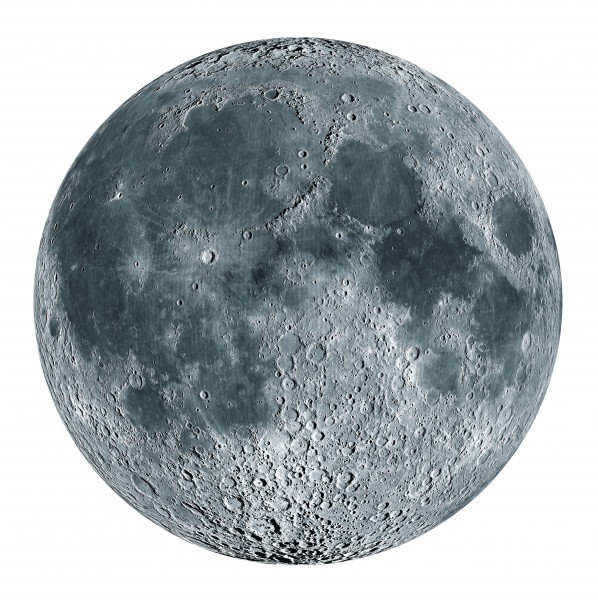
Earth may once have had two moons, which collided to form one. A new theory has been formulated to explain our moon’s asymmetry—the dark side of our moon is mountainous and rugged, whereas the side visible from Earth has relatively flat, dark lava fields. The cause of this mysterious irregularity was mathematically modelled by planetary scientists at the University of California, Santa Cruz, and the University of Bern in Switzerland, and the results were published in Nature in August 2011. The theory states that two moons were formed approximately 4.4 billion years ago, when a Mars-sized planet collided with our newly formed planet. The collision ejected pieces of crust and mantle into Earth’s orbit. The debris coalesced to form two moons—one three times the size of the other. Eighty million years later, the smaller of the two moons had cooled and hardened, but the larger was still molten. The two eventually collided at 7000 km/h, a speed insufficient to create a crater. Instead, the small moon crumbled upon impact and its shattered remains were deposited over one hemisphere of the resulting body, forming the rugged mountains. The impact also displaced the larger moon’s fluid magma to the side nearest to us, explaining the high concentration there of potassium, phosphorus and rare earth elements, which form once magma has solidified. NASA plans a moon mission for September this year, when it will search for physical proof of this surprising double-moon theory.
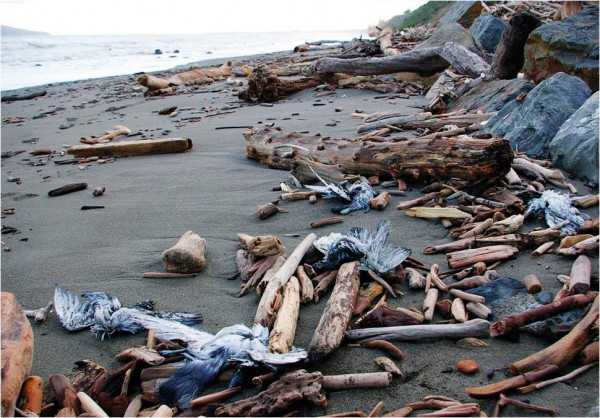
In July this year, more than 100,000 broad-billed prions perished in the largest seabird wreck in New Zealand since 1974. More birds washed up dead on the west coast and further inland than in the previous 37 years combined. Many others were found alive, though weak, and were rushed to DOC offices and vet clinics, but for most it was too late. On some beaches, 400 to 500 bird carcasses were recorded. Prions are among the smallest petrels. They spend most of their lives at sea, feeding on small crustaceans which they strain from the water with their baleen-like beaks, and come ashore only to breed. Strong winds usually pose no problem—in fact, they use them to travel to other oceanic areas in their search for nutrient-rich upwellings from the deep. It’s only when the birds encounter large land masses that the winds become a mortal danger. Seabird wrecks occur when strong, relentless winds push flocks onto the land, exhausted and unable to fly against the storm. July’s gales originated in Antarctica and bore the birds north towards Australia, but then veered east towards New Zealand. When Ornithological Society representative Mel Galbraith visited Muriwai Beach near Auckland, he described the scene as “pretty depressing”. In four days, Galbraith and other volunteers recorded 12,000 dead birds on the beach, and received reports of countless more in forests and on farmland.
Loading..

3
$1 trial for two weeks, thereafter $8.50 every two months, cancel any time
Already a subscriber? Sign in
Signed in as . Sign out

Ask your librarian to subscribe to this service next year. Alternatively, use a home network and buy a digital subscription—just $1/week...

Subscribe to our free newsletter for news and prizes