Camping on the ice at Scott Base
Photographer Neil Silverwood takes part in Antarctic Field Training—an overnight course on how to live and work in Antarctica's extreme conditions.


Photographer Neil Silverwood takes part in Antarctic Field Training—an overnight course on how to live and work in Antarctica's extreme conditions.
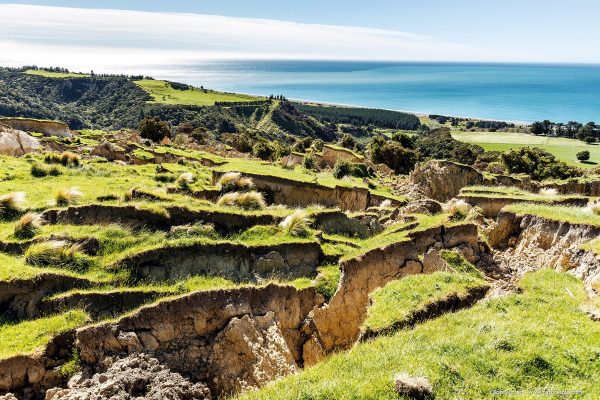
Last year’s earthquake is now believed to be one of the most complex ever recorded.
Photographer Neil Silverwood has just arrived at Scott Base on assignment for New Zealand Geographic, along with a large group of scientists starting their summer research.
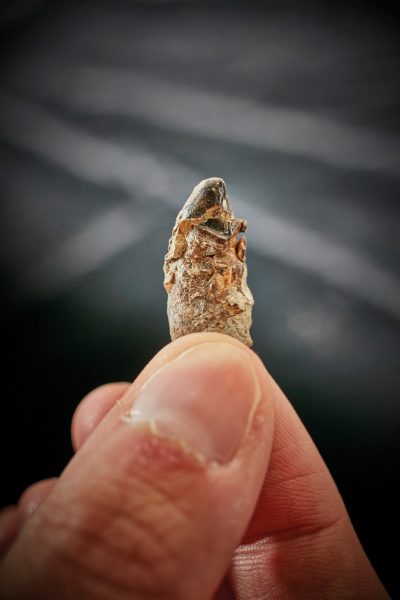
Ancient whales had ferocious teeth—so how did some become baleen-bearing filter feeders? University of Monash researchers have shed light on this evolutionary mystery. Thirty million years ago, their theory goes, some whales began sucking in their prey instead of biting, slowly losing their teeth in the process until only thick, horny gums remained. A fossilied whale tooth, below, shows horizontal marks thought to have been caused by suction rather than biting. When the Antarctic Circumpolar Current formed, small prey boomed, and these more intricate gums filtered it better. Baleen was born.
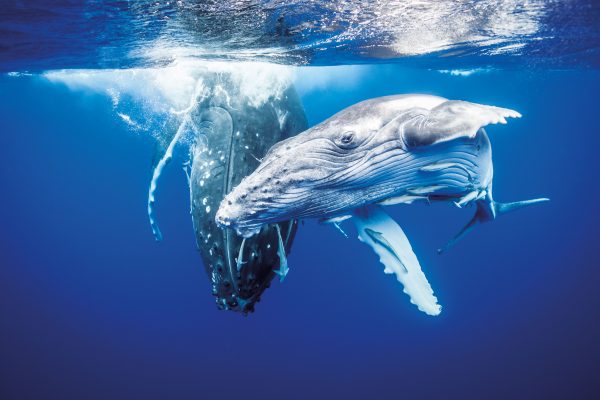
Baby humpback whales whisper to their mothers as they dive.
Much rests on our ability to measure just how much snow lies on top of Antarctic sea ice.
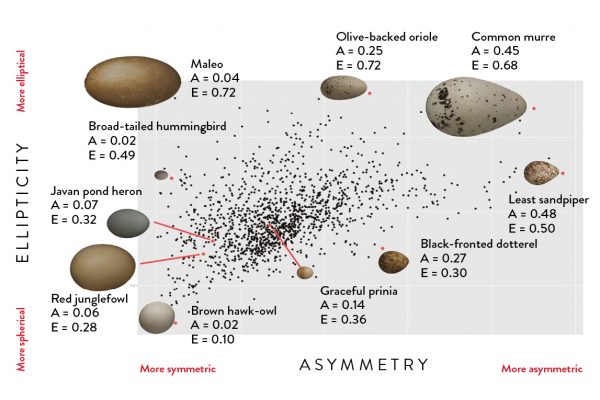
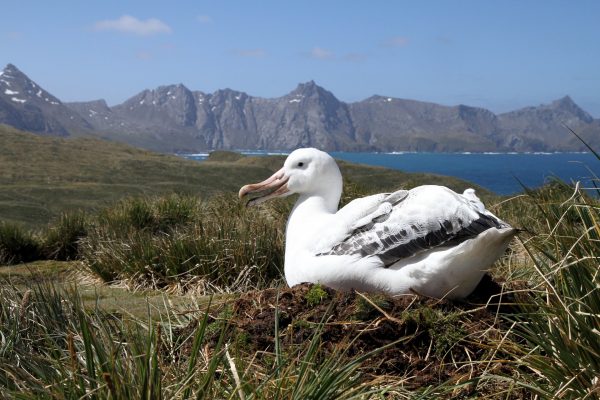
Round or oval? Egg shape reflects birds’ ability to take to the air.
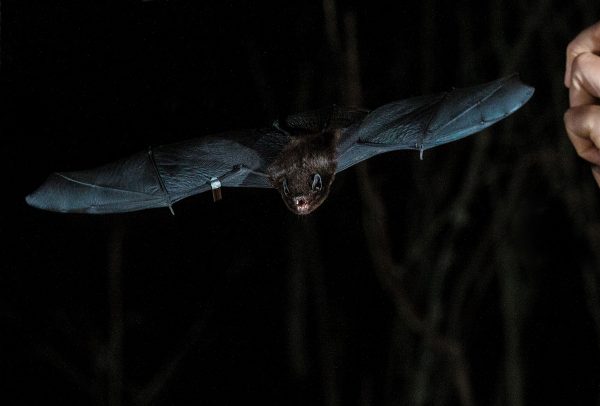
A bat-catching mission in the Grand Canyon.
Language and kapa haka are likely reasons for low rates of dementia among Māori.
Researchers have already figured out how to build infrastructure on Mars, in anticipation of humans eventually colonising the red planet. Using simulated Martian dirt, they created bricks stronger than reinforced steel. The researchers, from the University of California San Diego, say Martian habitats would ideally be constructed from locally available soil, with no additives or heat treatments. So they made a Martian-soil simulant, called Mars-1a, which had high amounts of nanoparticulate iron oxides and oxyhydroxides. (These are also the compounds which give Mars its reddish colour.) When compressed at high pressure, the nanoparticulate iron oxides bonded together, resulting in extremely strong bricks.
Turning over the soil to prepare it for planting is a fixture of the agricultural calendar, but it’s also devastating for earthworms. Conventional tillage uses a plough to invert the soil and bury weeds and leftover crops, but it also exposes earthworms to predators and harsh weather, compacts the soil, and destroys organic matter rather than leaving it to decompose. Afterwards, earthworm numbers take up to ten years to recover. By contrast, in land planted without tilling—usually by drilling seeds into the soil—earthworm numbers are 137 per cent higher, according to research published in Global Change Biology, which looked at 215 field studies from 40 countries, from as far back as 1950. Organic matter in the soil was also up 196 per cent. No-tillage is becoming more popular around the world, because it conserves soil structure and reduces erosion, although more herbicides are generally used to kill weeds. Anecic worms, which take food from the surface but dive deep between soil layers and set up permanent burrows, were particularly affected by conventional tillage, as were epigeic worms, which live in surface mulch. While earthworms found in cultivated land in New Zealand are non-native, these guests now have a critical ecosystem role, recycling organic matter, making nutrients more available to plants, and improving soil structure.
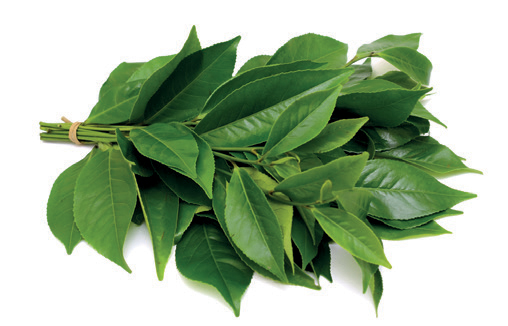
Tea plants make large amounts of caffeine and flavonoids compared to other varieties of camellia, and it does this it by copy-pasting particular genes like crazy. When scientists from China’s Kunming Institute of Botany sequenced the genome of tea, Camellia sinensis, they discovered it was unusually long. At 3.02 billion base pairs, it is four times the size of the coffee genome. More than half of these base pairs are ‘jumping genes’, which replicate themselves over and over again. Inside some of these repeated pieces of DNA are genes which make catechins, flavonoids and caffeine, and contribute to stress tolerance—all-important for flavour and for the adaptation of tea to plantation sites all over the world.
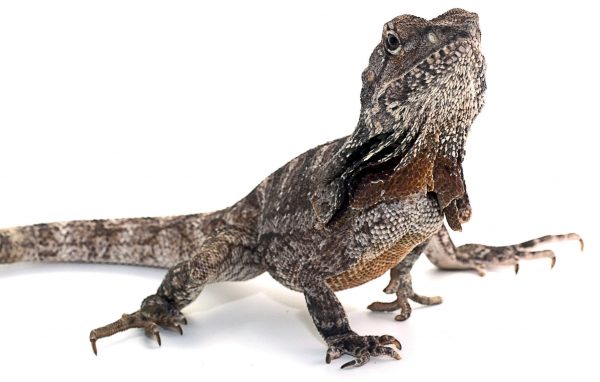
Beneficial gut bacteria may be killed by global warming, according to a study conducted on British lizards by researchers at the University of Exeter and University of Toulouse—to the reptiles’ great detriment. Scientists put viviparous lizards (Zootoca vivipara) in enclosures that were two and three degrees warmer than the average temperature to simulate predicted climate change. Lizards made ideal subjects as, being cold-blooded, they are unable to internally regulate their temperature. While some types of bacteria died over time and some flourished, the overall biodiversity of the warmer lizards’ gut bacteria plummeted 34 per cent compared with the control group. Afterward, the lizards were kept in a common garden for a year, where more of the ‘warmed’ lizards died. Study author Elvire Bestion says while discussion about climate-driven biodiversity loss tends to focus on charismatic animals, there’s a risk to forgetting about what’s on the inside.
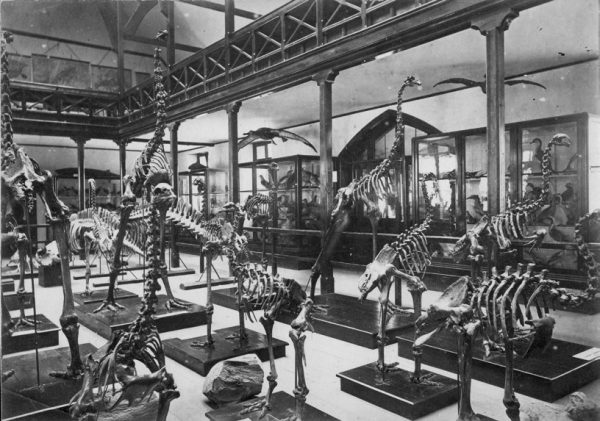
University of Otago professor Philip Seddon suggests a few things to consider before bringing Haast’s eagle back from the grave.
Scientists are now spying on bird colonies via satellite.
Freshwater rises above denser saltwater—except in Antarctica, where the rotation of the earth keeps Antarctic meltwater hundreds of metres below the surface of the ocean. Research published in Nature earlier this year investigated meltwater gushing from an underwater cave in the Pine Island Glacier, which is particularly fast-melting. Although this freshwater begins to rise vertically, the rotation of the earth causes the stream of meltwater to spin on its vertical axis, flinging the freshwater sideways in filaments, which then mix with saltwater and settle at depth. This type of motion is widespread at the poles, say the University of Southampton researchers. Ice sheets form fastest when meltwater rises to the surface of the sea, remains there and freezes in place. Without a layer of freshwater on top of the ocean, saltwater continually rises to the surface of the ocean and sinks, this churning motion preventing it from freezing as quickly. Without ice sheets forming at their usual pace, the melting of the poles may take place faster than currently predicted.
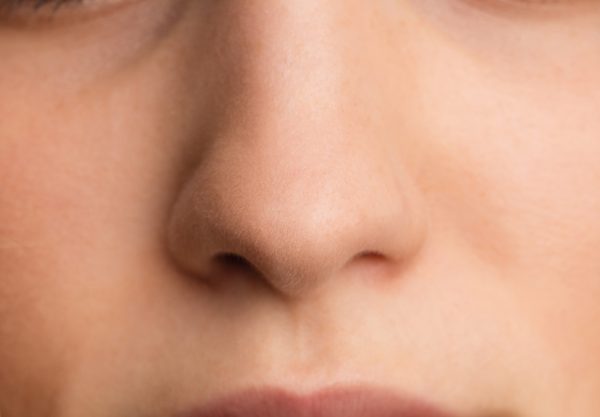
Where did your ancestors come from? Your nose gives it away.
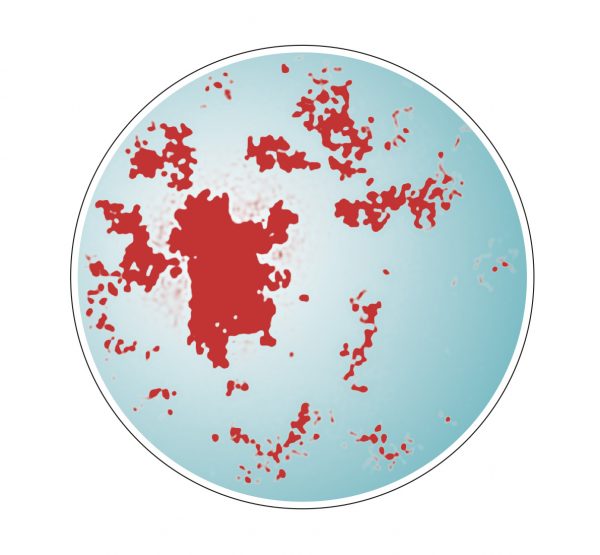
When the plant pathogen Pseudomonas syringae, or PSA, first infected New Zealand kiwifruit vines in 2010, it moved quickly. More than three-quarters of kiwifruit orchards caught the disease. How did it spread? As researchers at MIT found, it could have hitched a ride on water aerosols—clouds of microscopic particles created during rain. When light or moderate rain falls on sandy or clay soil, bubbles of air are trapped beneath individual raindrops. As soil bacteria infiltrates the raindrop, air bubbles rise through the droplet and pop, sending a fine mist of water aerosols into the air, carrying thousands of bacteria with them. MIT researchers studied the aerosol-propelled movement of Pseudomonas syringae and two other bacteria, Corynebacterium glutamicum and Bacillus subtilis—and found that all three stayed alive for more than an hour, meaning they could travel long distances—especially if the aerosols were caught in a breeze. Up to a quarter of global soil bacteria could be transported in this way, say the study’s authors.
A subterreanean military complex built in 1916 is finally coming to light.
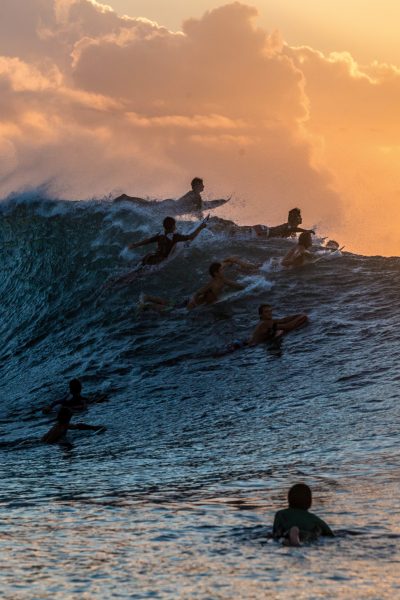
A cranking surf break can sustain an entire economy, while the loss of one causes economic growth to shrink. A study of more than 5000 high-quality surf breaks in 146 countries, conducted by Sam Wills of the University of Sydney, suggests that once a break becomes known to surfers internationally, economies in those locations grow up to 2.2 GDP percentage points more per year than the global average. Wills looked at satellite photos of surf locations taken at night between 1992 and 2013, treating growth of the lit-up areas as equivalent to economic growth. Well-known surf breaks can boost surrounding economies if better technology is invented to ride them, such as battery-heated wetsuits for cold locations, for instance, or if waves improve due to an El Niño event. Policy-makers could use natural amenities such as surf breaks as engines for growth, especially in developing countries, says Wills, as long as the environment is protected. The destruction of a surf break by seawalls or other modifications can send an economy downhill, the study found. Jardim do Mar in Portugal and Mundaka in Spain, saw a fall in growth after their breaks disappeared due to coastal modification.
Loading..

3
$1 trial for two weeks, thereafter $8.50 every two months, cancel any time
Already a subscriber? Sign in
Signed in as . Sign out

Ask your librarian to subscribe to this service next year. Alternatively, use a home network and buy a digital subscription—just $1/week...

Subscribe to our free newsletter for news and prizes