At the bay
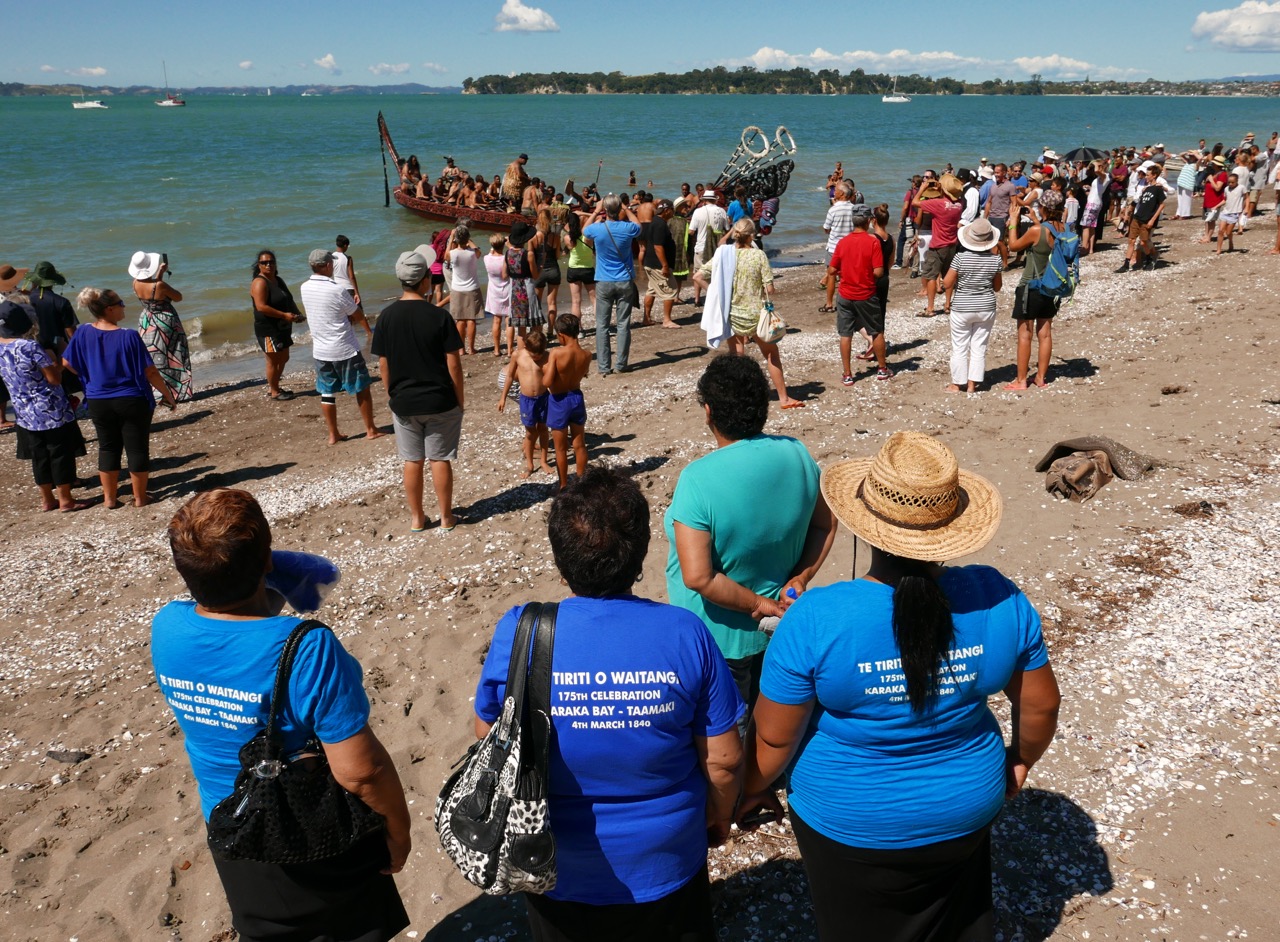
On this day 175 years ago, one of the lesser-known signings of Te Tiriti o Waitangi took place at Karaka Bay, at the mouth of the Tamaki Estuary in Auckland.


On this day 175 years ago, one of the lesser-known signings of Te Tiriti o Waitangi took place at Karaka Bay, at the mouth of the Tamaki Estuary in Auckland.

For most people, "Bloody Sunday" refers to the day in January 1972 when 26 unarmed civilians were shot by British soldiers during a protest march in Northern Ireland in 1972—a massacre hauntingly commemorated in U2's anthem "Sunday, Bloody Sunday."
Wilderness, heritage and camembert.
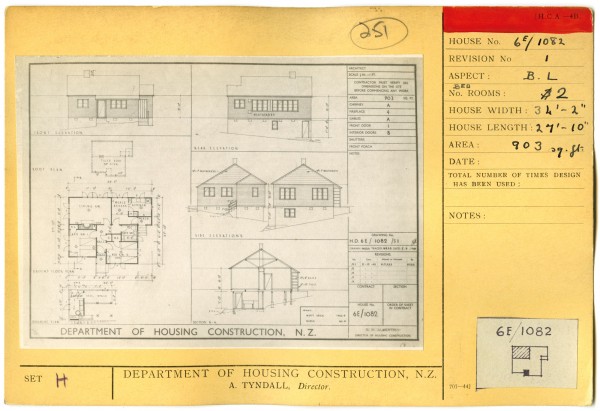
New Zealand’s first state houses came in more than 400 designs that caught the sunlight, maximised views and were sturdy enough to outlast their inhabitants.
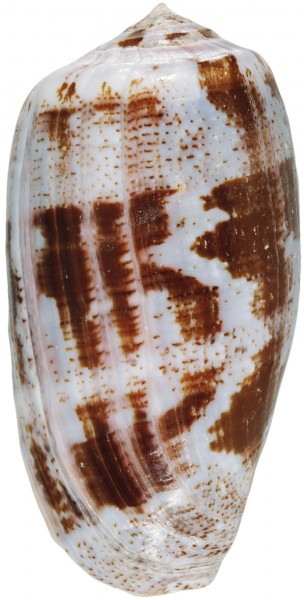
Insulin is being used as a deadly weapon by two species of cone snails.
A world awash in plastic...
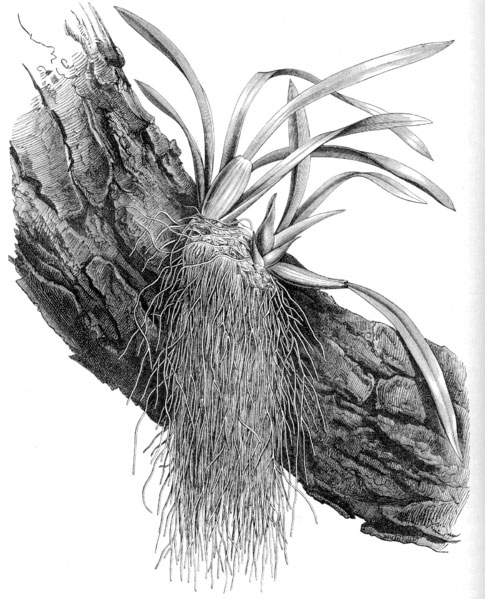
According to research published in Biology Letters, microhabitats can reduce exposure of a species to extreme climates, highlighting the importance of forests in preventing extinction. As species adapting to climate change slowly shift to higher ground or towards the poles, the microhabitats provide a buffer in two ways. Firstly, they reduce the hottest temperature a species will experience—for example, epiphytes high in the forest canopy can provide an environment almost 5ºC cooler than the ambient temperature. Secondly, the temperature will change more slowly inside a microhabitat than outside. Scientist Brett Scheffers says the latter scenario means that during a heatwave, for example, a species can remain in a habitat for longer periods and be exposed to cooler, less-extreme climates. “Unfortunately, this defence only works under short time periods—days to weeks. With severe long-term changes in annual temperatures and reduced precipitation as predicted by many models, no habitat will protect species from this level of climate change.” Species extinction is a fundamental issue of the 21st century, he says, with habitat loss continuing and climate change looming. “But if there is a glimmer of hope to be found from my study, it is that healthy, pristine rainforests provide a diversity of habitats that species may use.”
Social entrepreneur Emeline Afeaki-Mafile’o is responsible for a South Auckland mentoring programme, several strands of community-based government policy, an Otahuhu high school and 100 per cent of Tonga’s coffee industry.
If you prefer love to remain a mystery, turn the page now...
(New Edition) Geoff Norman, Te Papa, $59.99
Edward Duyker Otago University Press, $70
Camus Wyatt on gaining trust.
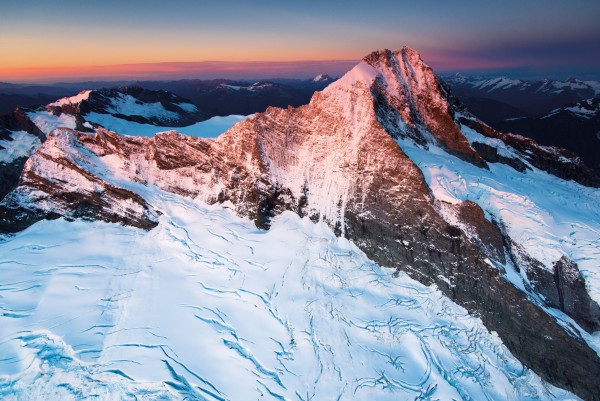
The great peak of Mt Aspiring and the surrounding national park are a study in raw beauty, born of tectonic torment.
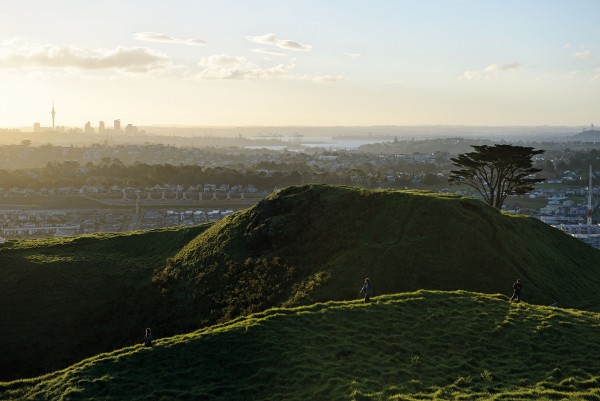
New Zealand’s largest city sits atop an active volcanic field that has erupted at least 53 times in the past 250,000 years. The catastrophic blasts felled forests and set the Auckland isthmus alight. The fire-fountaining cones and lava flows rode roughshod over the land. Scientists are not wondering if it will happen again, but what it will cost Auckland in lives and infrastructure when it does.
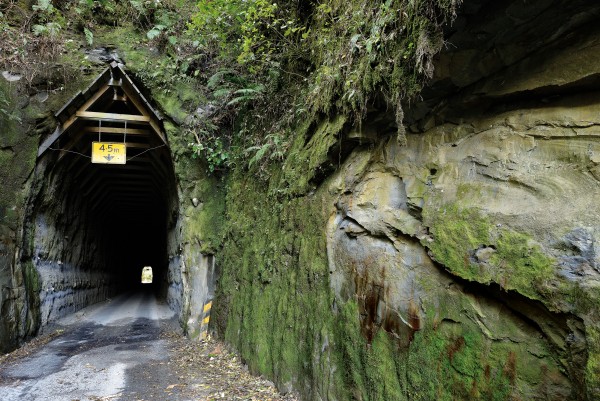
A photographer’s quest to find memory and meaning on the Forgotten World Highway.
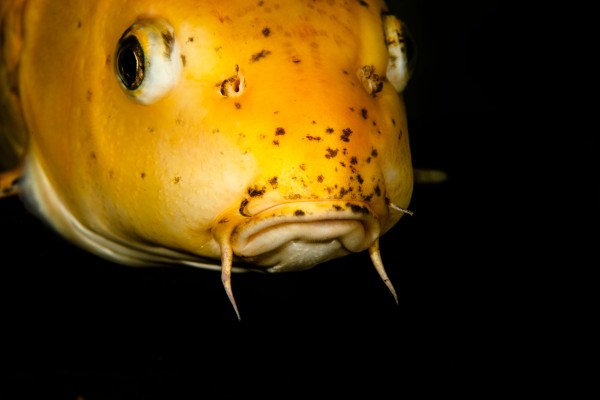
Invasive koi carp now writhe through wetlands from Auckland to Marlborough, displacing native species and destroying freshwater habitats. For 25 years, bowhunters in Waikato have ministered their own brand of pest control, the World Koi Carp Classic, resulting in prizes, and 70 tonnes of puréed fish.
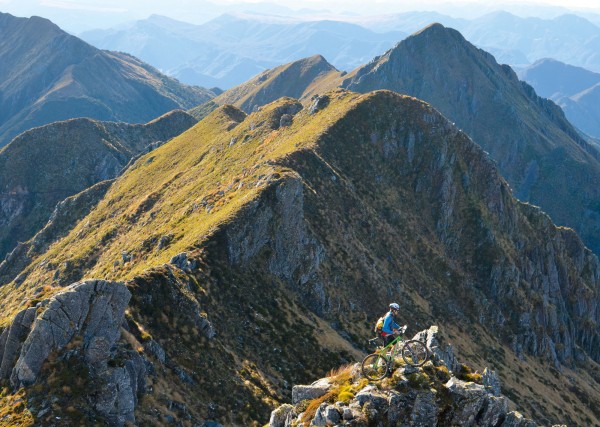
The Old Ghost Road is the most spectacular and wild of all the cycle trails. From the ghost town of Lyell, deep in the Buller Gorge, it climbs steadily through native forest on a mining trail built in the 1870s. You will sweat your way past massive slips and archaeological sites, up to the stunted forest of the tree line, before breaking out onto what feels like the top of the world. The endless views stop you in your tracks, demanding to be admired —on a fine day. On a bad day, you’ll cower from the elements, reaching for every layer of clothing you have brought, because a storm on the Lyell tops is a powerful experience. Beyond Ghost Lake, a 21-kilometre trail to Goat Creek Hut has been marked out, but has yet to be formed at the time of writing. Plans are for it to be upgraded to a rideable trail in 2014–15, but you should check the trail website for an update before assuming this middle section is ready for bikes. Until it is finished, the best options are there-and-back trips from either end of the Old Ghost Road. From the northern end, at Seddonville, a historic trail heads up the Mokihinui Gorge, and in places is carved out of sheer rock face. It is every bit as stunning as the Lyell end, but a lot less hilly. The first 18 kilometres of the trail passes old mining ghost towns, almost completely reclaimed by the forest. From the Mokihinui Forks, the trail is brand new and weaves up the broad South Mokihinui Valley to Goat Creek Hut.
Erasmus Darwin, grandfather of Charles, was an astute observer of the weather, an inventor, and member of the influential Lunar Society.
I have lived in Auckland, on and off, most of my life. Like most, I recognise its turbulent volcanic history only in passing. The cones and craters of Auckland’s 53 volcanic centres are landmarks, dramatic in scale but quiet in bearing—there are no plumes of steam or cauldrons of boiling mud as in Rotorua, no dramatic eruption events like on the Central Plateau. Yet the geological record makes clear that this is no benign place to establish a city—an eruption can occur at any time and almost any scale, with little or no warning. If there was a pattern of activity in the Auckland Volcanic Field, it was blown to smithereens by the eruption of Rangitoto, which burst from the harbour and disgorged as much material as most of the previous eruptions put together. The lack of knowledge concerning predicting and managing the volcanic hazard in Auckland was made clear during a Civil Defence exercise in 2008. Since then, scientists have invested thousands of hours in the field, taking rock and gas samples, measuring the noise of the city to image the subsurface, and trying to piece together evidence from the previous 53 eruptions in order to better understand the 54th. The harder they look, the more they find. While many answers have surfaced, some new and astonishing enigmas remain buried—and none buried deeper than a seismic anomaly found in the mantle beneath Auckland. It was stumbled upon by chance just 10 years ago, as Geoff Chapple reveals in the feature in this issue. Using reflected seismic waves from earthquakes thousands of kilometres away, geologist Nick Horspool and his team found what appeared to be an isolated hotspot some 80 kilometres beneath Auckland, like a knot of pressure beneath the city. Nobody knows how it came into being, but it’s quite likely that this is the source of magma for the Auckland Volcanic Field’s eruptions, though scientists can’t be sure. Nor do they know why the magma starts rising, or the conduits through which it may bolt—at some 20 kilometres per hour—to erupt in Auckland’s suburbs, city or sea. The prospect that so little is known of the foundations of the city might seem alarming, but this potential civil unrest may be a part of who we are. In July 2014, 14 of Auckland’s volcanic cones returned to Māori management, to a new regional authority that will oversee the management of these maunga as icons of the landscape, and our collective culture. Documentation presented by the authority refers to them as ‘tūpuna maunga’, acknowledging that these cones are as much a part of ancestry, perhaps, as forebears. For Auckland they are both a symbol of the volcanic threat, and to a great extent, a facet of our identity too—just as the earthquakes have become an inseparable part of the story of Christchurch and its inhabitants, for better or for worse.
Loading..

3
$1 trial for two weeks, thereafter $8.50 every two months, cancel any time
Already a subscriber? Sign in
Signed in as . Sign out

Ask your librarian to subscribe to this service next year. Alternatively, use a home network and buy a digital subscription—just $1/week...

Subscribe to our free newsletter for news and prizes