Size matters
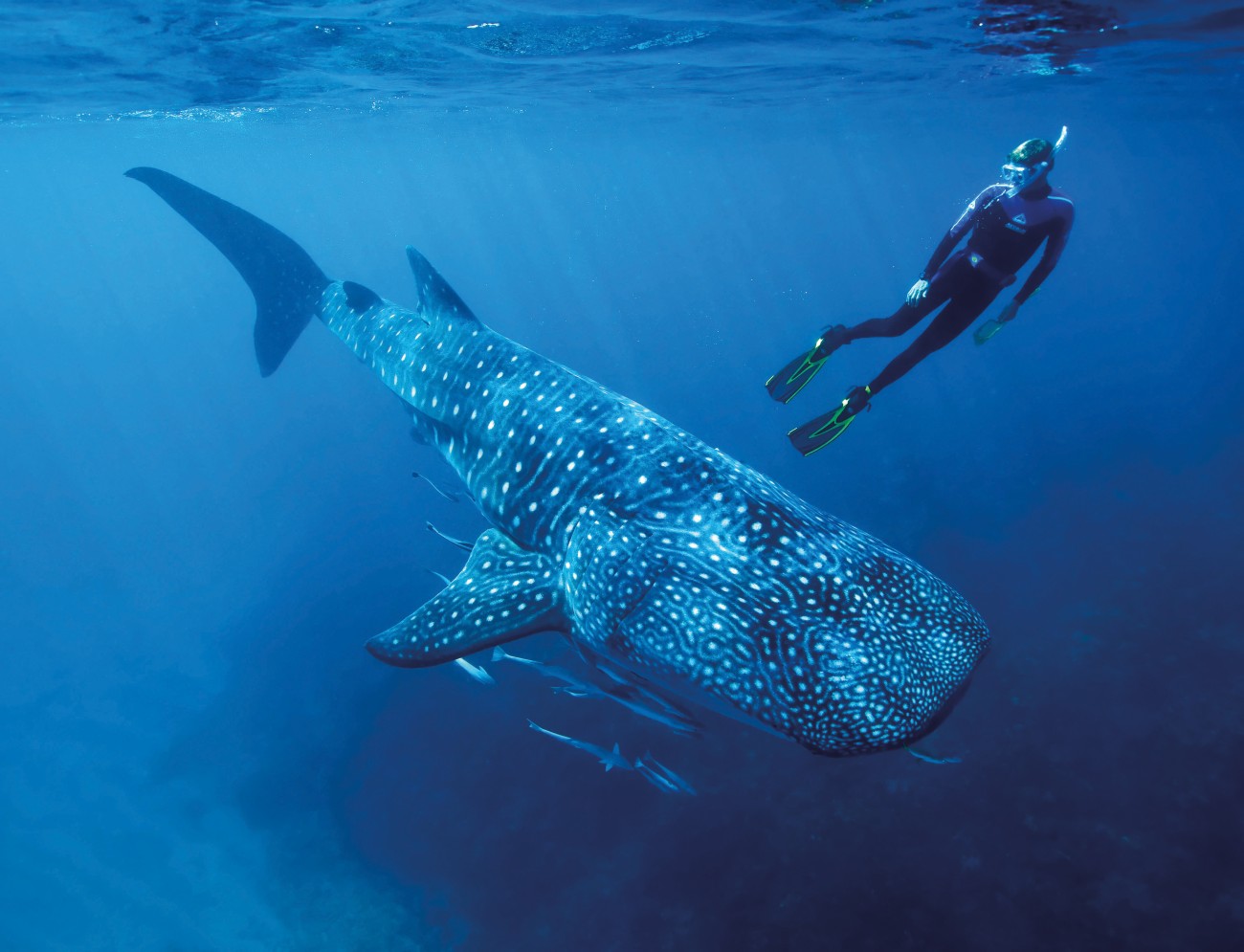
Whale sharks save energy by sinking slowly.


Whale sharks save energy by sinking slowly.
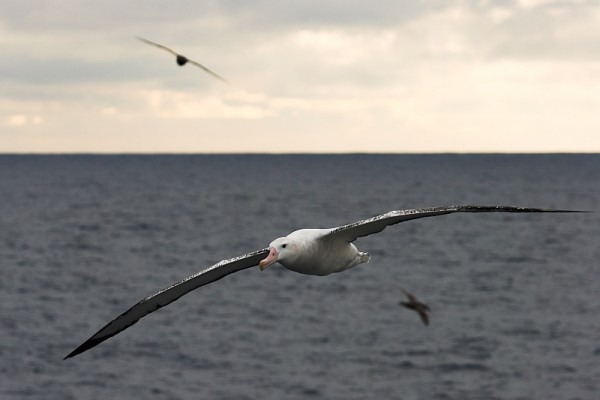
The Tasman is no place to linger for seabirds.
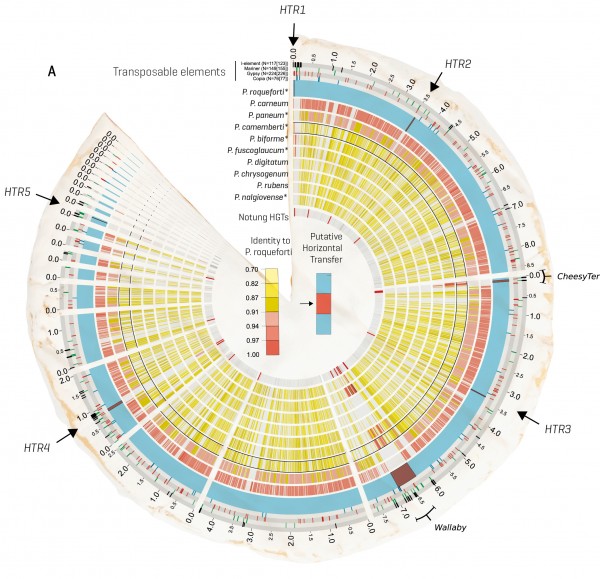
Cheese moulds have collaborated genetically to evolve, but now there’s no way back.
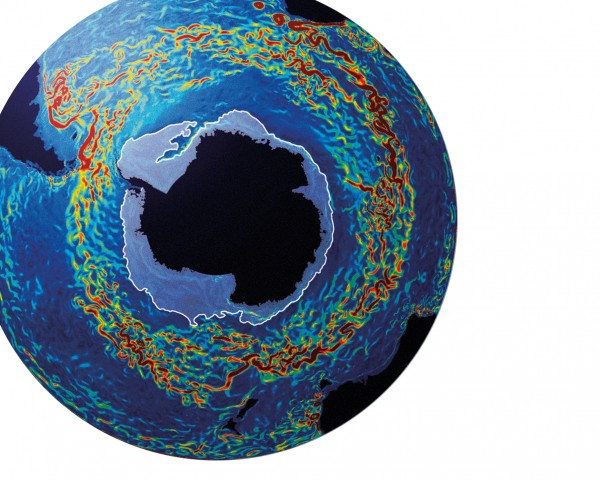
How the world’s strongest current was born.
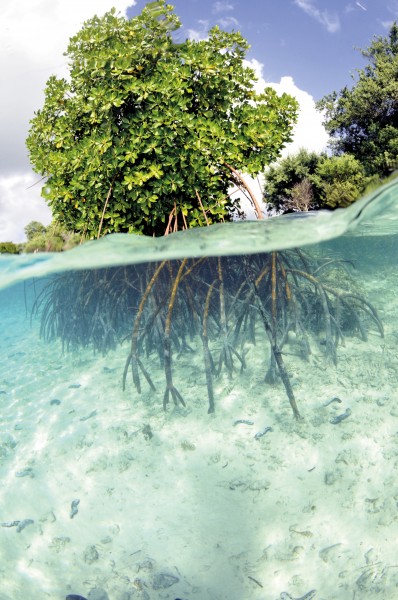
Mangroves to the rescue.
Few natural antiquities have captured the human imagination the way dinosaurs have. Sixty million years after their demise and 160 years since they were first described by science, curiosity about the ruling reptiles remains intense. Now it turns out that the fossil that sparked off all the interest resides in New Zealand. That fossil is an Iguanodon tooth discovered in a quarry near Cuckfield, Sussex, by a country doctor and his wife, Gideon and Mary Mantell, in 1820. Today this treasure is on display in the 4th floor Discovery Centre of the Museum of New Zealand Te Papa Tongarewa, in Wellington. The tooth, an incisor measuring 41 mm x 27 mm, is Early Cretaceous in age, about 140 million years old. Mantell recognised the tooth as being from a herbivore, probably a reptile, and maintained that it came from Cretaceous rocks. Although correct on all counts, he was derided by much of the scientific establishment. At the time the only large herbivores known were mammals, and mammals didn't exist in the Cretaceous. Mantell named the creature Iguanodon on the basis that, of all teeth he could find, both recent and fossil, his tooth most closely resembled that of an iguana. Later fossil finds showed Iguanodon to have been a six-metrelong herbivorous dinosaur that probably walked on its two back legs. Nothing like this dinosaur is known from New Zealand, but a few close relatives such as Muttalmrrasaura have been found in Australia. Fossils of fewer than 10 species of dinosaur have been found in New Zealand, from only two localities, both in the North Island. One is in 150-million-year-old Late Jurassic rocks near Port Waikato and the other is in inland Hawkes Bay, in Late Cretaceous rocks, about 85 million years old (see New Zealand Geographic, Issue 19). And how did New Zealand come to possess this palaeontological "holy grail"? On his death in 1852, Gideon Mantell's estate passed to his sons, one of whom—Walter—had settled in New Zealand in 1840. Walter became Postmaster of Wellington, learned Maori, and in 1848 was appointed Commissioner for Extinguishing Native [land] Titles in the South Island by Governor George Grey. As commissioner, he attempted to establish reserves for Ngai Tahu—as specified in land purchase agreements—but the government rejected his proposals. In 1855, he even returned to Britain to seek support to get the promised reserves set aside, but failed there, too. He entered politics and became Minister of Native Affairs in three governments, but still never had his reserves accepted—an injustice that caused him much sorrow. Natural history was dear to Mantell's heart, and he collected many moa and other bird bones and shell fragments, some of which he sent hack to his father in England. The takahe, Notorn is mantelli, was discovered by, and named after, him. Mantell Sr, in turn, sent much fossil and rock material to his son. It is likely that Walter brought the tooth to New Zealand in 1860 and deposited it in the then Colonial Museum in 1865, along with a number of other specimens which had belonged to his father. The Mantell family donated more material to the by then Dominion Museum in 1930, and the Auckland City Library contains proof copies of a number of Gideon Mantell's books. These were apparently given to George Grey by Walter Mantell, and later passed with many of Grey's books to the Auckland library. Although most of Mantell's specimens are not on display at Te Papa, that first Iguanodon tooth is there for the world to marvel at.
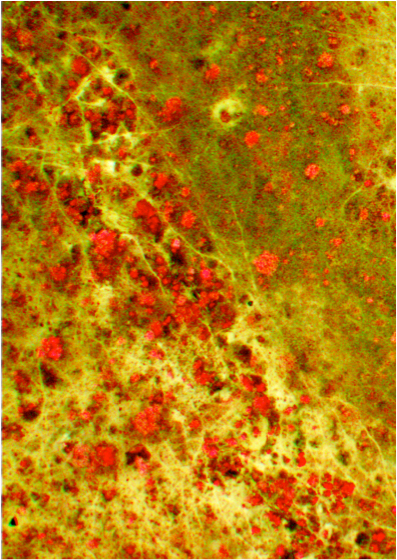
Plants are growing and shedding leaves at different times than just a few decades ago.
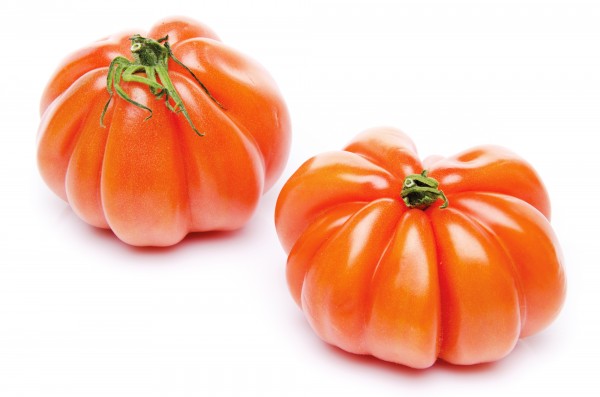
Scientists have discovered what causes a beefsteak tomato’s stem cells to snowball out of control.
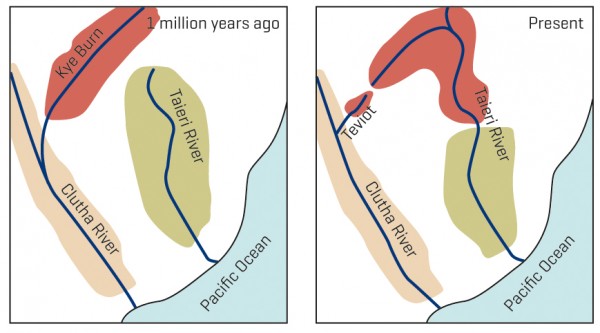
Fish in Otago’s Taieri River suggest it may once have been two separate rivers.
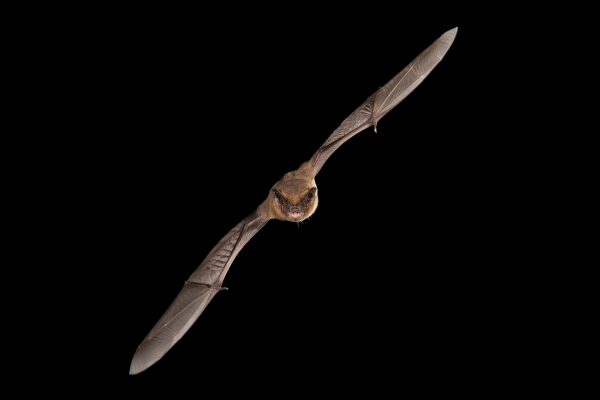
Like the aperture of a camera lens, bats change the focus of their sonar beam by widening their mouths.
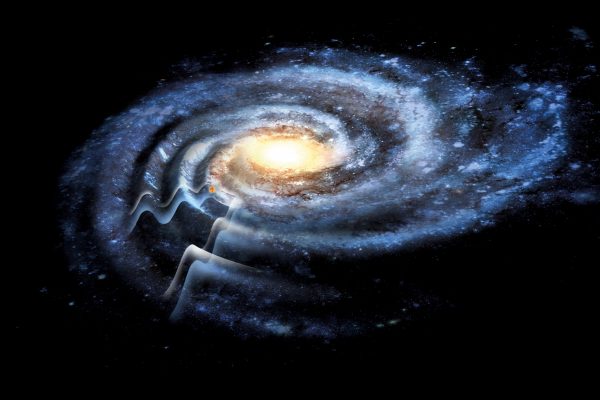
The Milky Way, now bigger than ever!
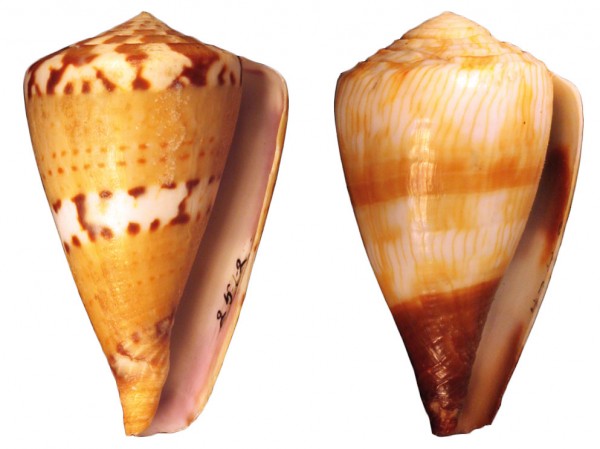
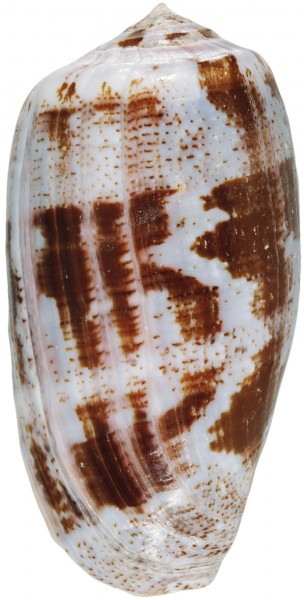
Using UV photography and Photoshop, a scientist recreated the colours of a 4.9-million-year-old cone snail.
Insulin is being used as a deadly weapon by two species of cone snails.
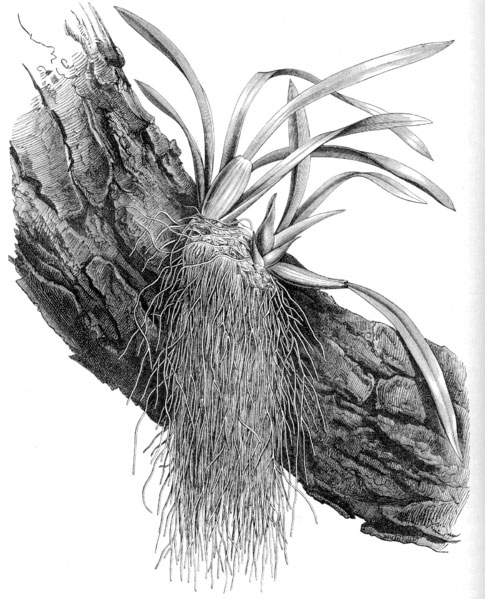
According to research published in Biology Letters, microhabitats can reduce exposure of a species to extreme climates, highlighting the importance of forests in preventing extinction. As species adapting to climate change slowly shift to higher ground or towards the poles, the microhabitats provide a buffer in two ways. Firstly, they reduce the hottest temperature a species will experience—for example, epiphytes high in the forest canopy can provide an environment almost 5ºC cooler than the ambient temperature. Secondly, the temperature will change more slowly inside a microhabitat than outside. Scientist Brett Scheffers says the latter scenario means that during a heatwave, for example, a species can remain in a habitat for longer periods and be exposed to cooler, less-extreme climates. “Unfortunately, this defence only works under short time periods—days to weeks. With severe long-term changes in annual temperatures and reduced precipitation as predicted by many models, no habitat will protect species from this level of climate change.” Species extinction is a fundamental issue of the 21st century, he says, with habitat loss continuing and climate change looming. “But if there is a glimmer of hope to be found from my study, it is that healthy, pristine rainforests provide a diversity of habitats that species may use.”
Tui will pair for a season, but many females stray and breed with other males.
Termites design self-regulating buildings of the future
Loading..

3
$1 trial for two weeks, thereafter $8.50 every two months, cancel any time
Already a subscriber? Sign in
Signed in as . Sign out

Ask your librarian to subscribe to this service next year. Alternatively, use a home network and buy a digital subscription—just $1/week...

Subscribe to our free newsletter for news and prizes