A Gulf in my thinking
Guardianship and the mother of the sea.


Guardianship and the mother of the sea.
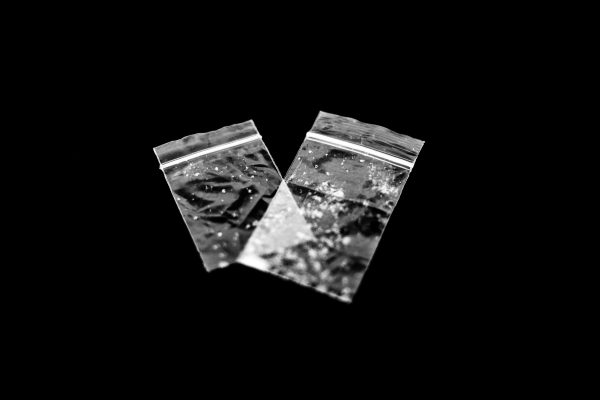
Fifteen years after methamphetamine use exploded in New Zealand, the drug remains a serious problem in many communities. Now, amid reports of large international drug busts and figures showing contamination in state housing is increasing, a second generation of meth dealers and users is coming of age. What can be done to control its spread?
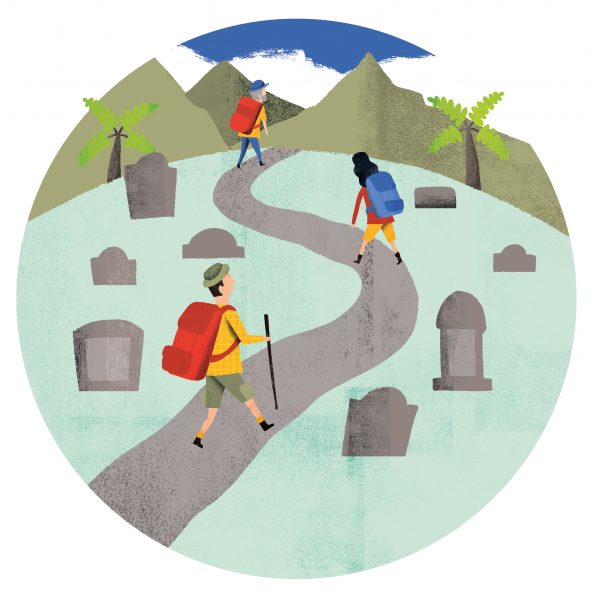
The first new Great Walk in 24 years is a graveyard, too.
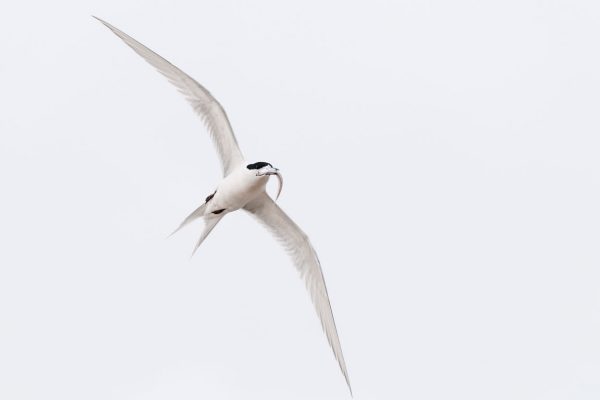
A part-time Department of Conservation job set three industrial design students on a path to save New Zealand’s native birds from predators.
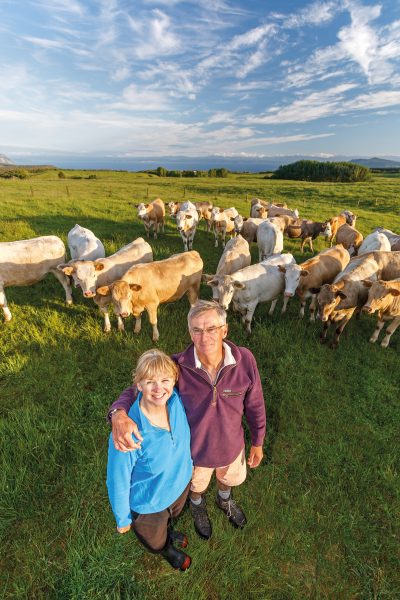
Mike and Sharon Barton are figuring out how farming and clean waterways can coexist.
This is my 50th issue at the helm of New Zealand Geographic, though familiarity with the job hasn’t made it any easier. The better I understand the forces acting on this place and its people, the more complex and interesting our shared story becomes. It’s an arcane ecology, with a strange cargo of life and a short but explosive human history. I’ve been stirred by the analysis of writers and photographers who have forced me to reconsider my assumptions and prejudices on a bimonthly basis. And I’ve come to realise how many of the ideas that we unconsciously adopt—and then fiercely defend—are founded on very contestable facts. Everything that makes our environment unique became the matching criteria for its failure when circumstances changed. It’s hard to reconcile the myth of that pristine and unusual archipelago—infamously branded 100% Pure—with the tale of the fastest deforestation on Earth, or data that reveals that our rivers are among the most polluted in the world. In the past few years, we have published stories that confront these flawed notions, and challenge our assumptions about our society, too: Our founding document meant different things to the parties who signed it, and was pre-dated by an earlier declaration that sheds light on those very different intentions. With every issue I am reminded that this country is not what we think it is, and we are not who we think we are. In this issue is another reality check: we discovered that one per cent of the adult population are using methamphetamine, a destructive psychoactive drug now more readily available than marijuana. Last issue, we put a cute baby kiwi on the cover, and it sold like hot cakes. This issue, we’ve got a junkie smoking a meth pipe, and the marketing manager’s face fell about a foot. News like this doesn’t sell well. It’s not the reflection we want of ourselves—but it’s the truth nonetheless. Recently we’ve produced unpopular stories on waste, homelessness, poaching and sea-level rise, because they’re important. They’re forces that are changing the shape of New Zealand and New Zealanders. We have received equal measure of praise and criticism for highlighting these uncomfortable realities, including the complaint that such stories aren’t “recreational reading”—presumably the kind of material that leaves one’s prejudices unruffled. Observations. Values. Judgements. These are how we form a view of ourselves and our nation, and they shape our responses to challenge and opportunity. This is a publishing ideology set in motion from the first issue in 1989, and three editors have maintained it across 139 issues, which now loom large on an enormous shelf over my desk. Today, that great archive exists in another realm, too. Six years of effort and the generosity of magazine contributors have resulted in a complete redux of the New Zealand Geographic website, nzgeo.com, which now features every story ever published—more than a quarter-century of insight and endeavour by hundreds of New Zealand’s leading writers and photographers. In addition, the world-leading television production company NHNZ (formerly Natural History New Zealand) has joined the platform, contributing its entire back-catalogue of programming—hundreds of hours of natural history documentaries—for a new streaming television service available at nzgeo.tv. Together, the combined catalogues represent one of the largest and richest bodies of New Zealand content available anywhere. This new endeavour positions New Zealand Geographic as one of the leading voices in the online conversation, just as it has been part of the discourse in printed media for decades. I hope it will be a place where we can continue to be stirred by new versions of the New Zealand story, what I now realise is a story without end—a bimonthly process of redefining who we are and where we’re from.
It is a truth universally acknowledged that there are too many books and too little time. This is why you can stumble across a new and brilliant writer and wonder, “Where have you been all my life?” I had that thought a few weeks ago when I read an essay by Charles Bowden on nature photography.
On the value of wilderness adventures, photography, and social memory.
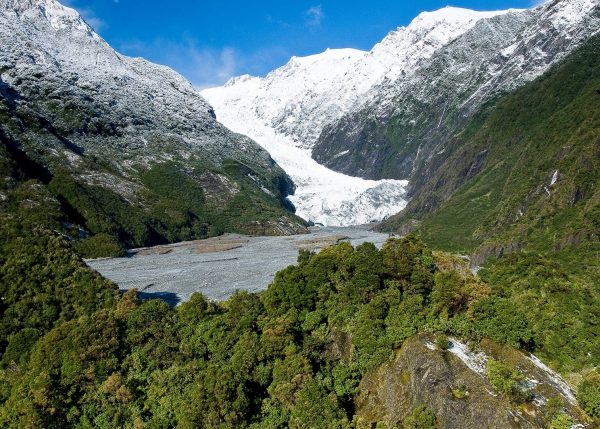
Twenty years ago you could walk to the snout of Franz Josef Glacier, clamber over some rocks and find yourself standing on a river of ice. Not anymore. The closest you can get to the terminus of Franz Josef—or its neighbour, Fox—is a viewing platform a couple of hundred metres away. If you want to stand on the glacier you need to take a helicopter flight.The reason? Global warming, pretty obviously. The glaciers have retreated dramatically in recent years, and are continuing to shrink back into the valleys they carved. Disappearing glaciers are one of the more obvious signs of climate change in New Zealand. An increasing incidence of weather extremes, such as drought, is another. Are New Zealanders on board with the new climate reality? Are we taking action to mitigate the country's greenhouse gas emissions?
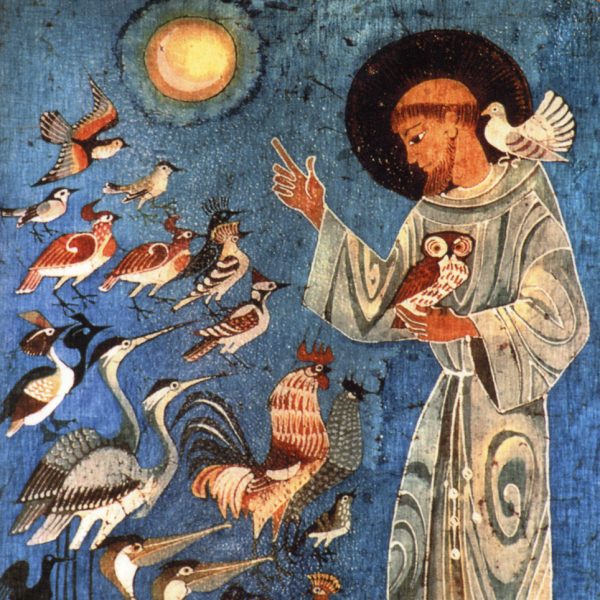
At 40,000 words, the pope's much awaited encyclical covering climate change, the environment and the poor (though also, in fact, touching on life, the universe and pretty much everything from urban architecture to social media) is not a light bedtime read. "Laudato Si'"—literally "be praised," a repeating phrase from the celebrated Canticle of the Creatures, a song by Pope Francis's namesake saint—landed with a thump right at the start of Matariki, signalling, perhaps, fresh beginnings in the church's environmental thinking.
Oliver Sacks, the neurologist and author, died yesterday (Sunday) aged 82. Since he learned he had terminal liver cancer earlier this year, he has been writing some poignant personal essays for The New York Times that have touched a chord with many readers. (Affection for Sacks, author of books with such memorable titles as The Man Who Mistook His Wife for a Hat, An Anthropologist on Mars and Island of the Colorblind) seems boundless. He estimated he received 10,000 letters a year. "I invariably reply to people under 10, over 90 or in prison," he once said.
Questions surrounding the proposed new flag—should we change, should we stay the same, why isn't the laser-eyed kiwi in the final four?—are focusing attention on the issue of national identity. But it's not just a matter of symbols . . .
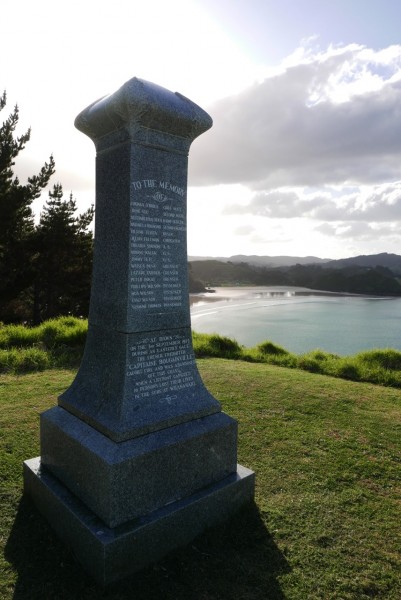
Yesterday, as people around the world mourned the drowning of a Syrian migrant mother and children, lost to the waves during a desperate crossing between Turkey and Greece, I found myself thinking of another family drowned off the Northland coast exactly 40 years before.
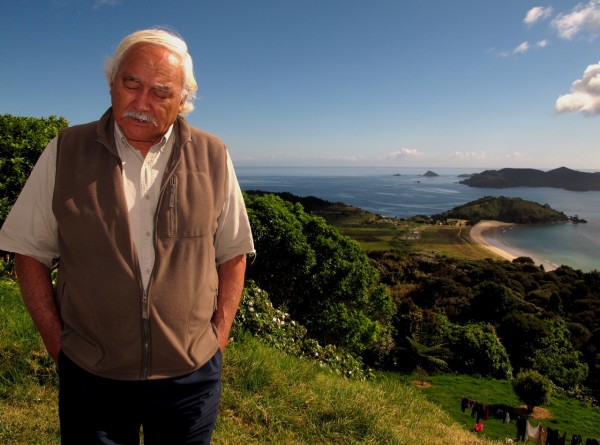
The world has lost a great advocate for the marine environment. On Sunday, Bill Ballantine, recognised as the father of marine reserves in this country and a pioneer in global marine conservation, passed away, aged 78.
The latest issue of New Zealand Geographic features a short profile of eminent botanist, tussock grasslands expert and conservationist Sir Alan Mark. It was written from a telephone interview I conducted with him a few days before the magazine went to print. Space did not permit me to include some of the items of conversation. But with this blog I get to take another nibble of the tussock, so to speak.
Sovereignty is in the public eye this Waitangi Day—and not just for Maori

New Zealand’s story: a centre of innovation at the edge of the world.
New Zealand’s story: a centre of innovation at the edge of the world.
New Zealand’s story: a centre of innovation at the edge of the world.
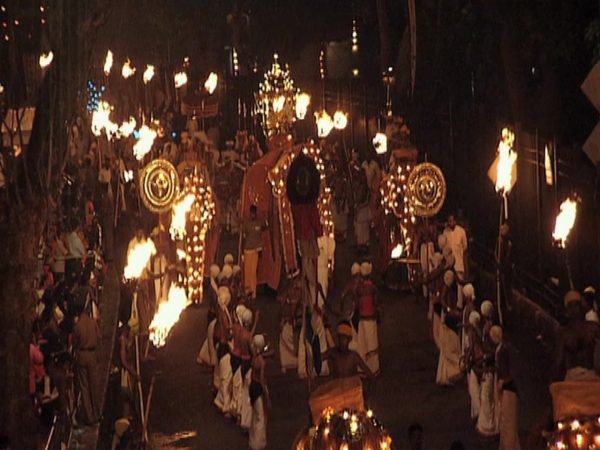
Discover how Asia’s endangered elephants have played a crucial and varied role in Sri Lanka's rich and turbulent history, and learn what the future may hold for these gentle giants.
Loading..

3
$1 trial for two weeks, thereafter $8.50 every two months, cancel any time
Already a subscriber? Sign in
Signed in as . Sign out

Ask your librarian to subscribe to this service next year. Alternatively, use a home network and buy a digital subscription—just $1/week...

Subscribe to our free newsletter for news and prizes