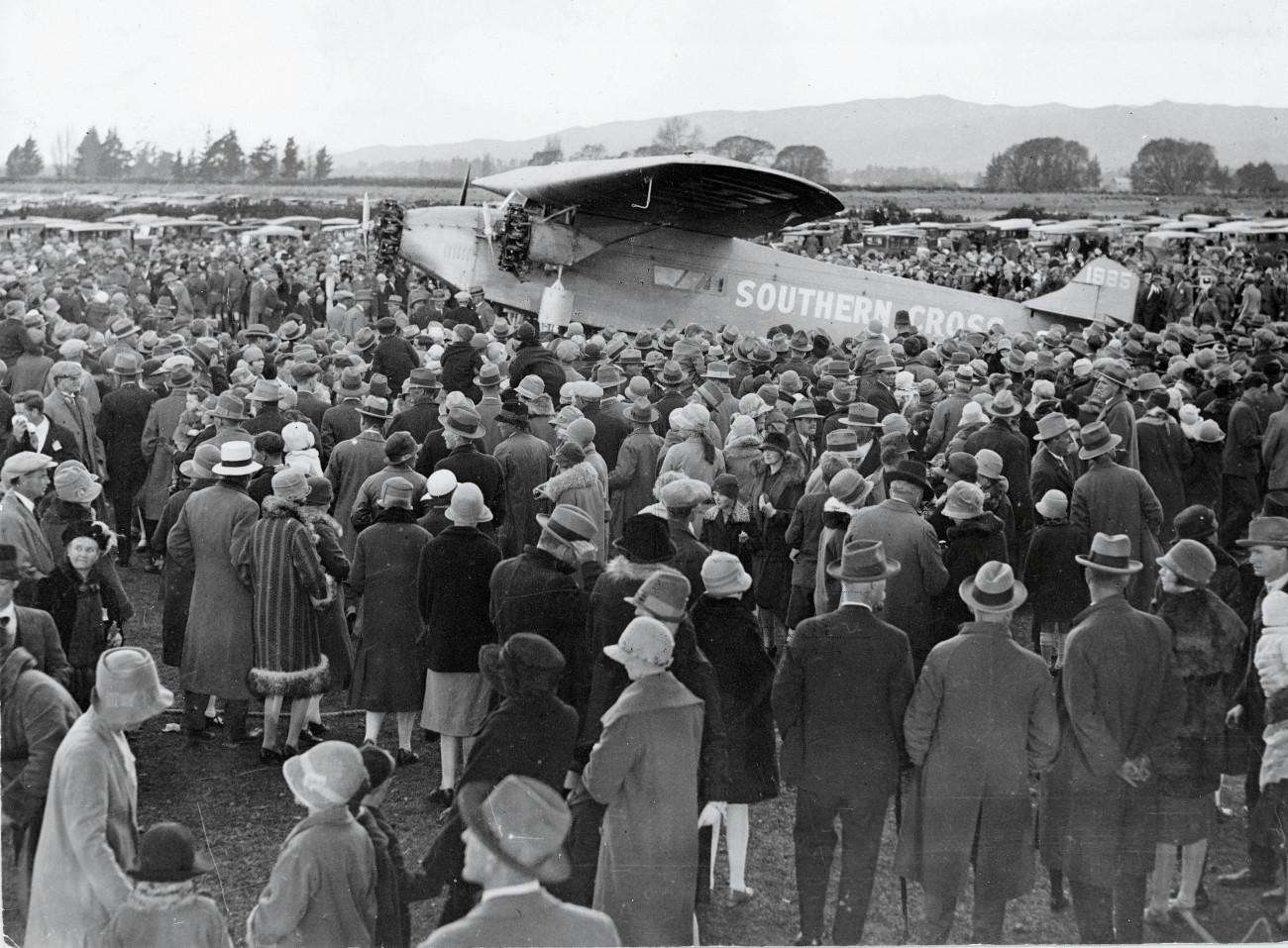
The 'Old Bus' arrives
Smithy flies the Tasman.


Smithy flies the Tasman.
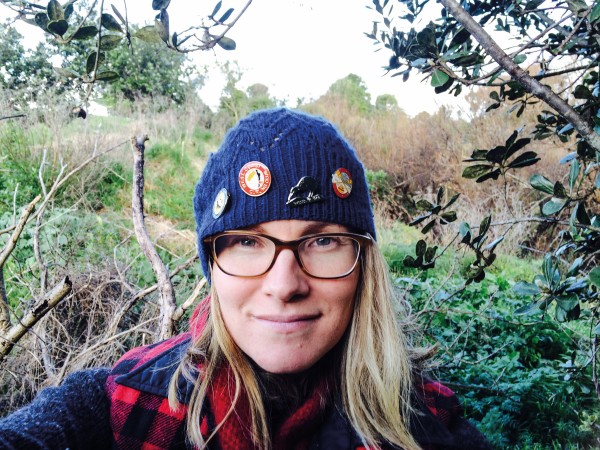
Lottie Hedley swaps her camera for a pair of curling stones.
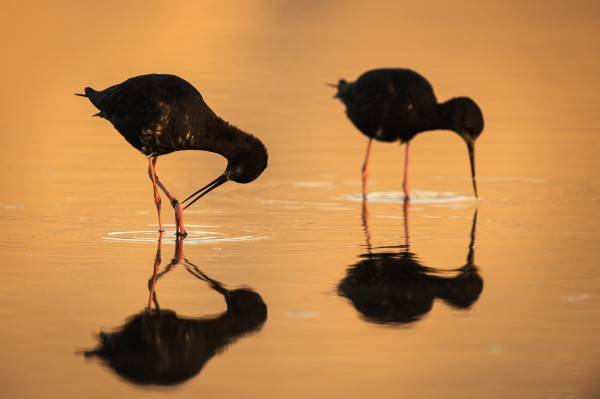
Deep in the Mackenzie Basin, the world’s rarest wading bird roams free in the wild, unaware that behind the scenes, a handful of people are trying to solve a problem: how to protect a species that refuses to be contained?
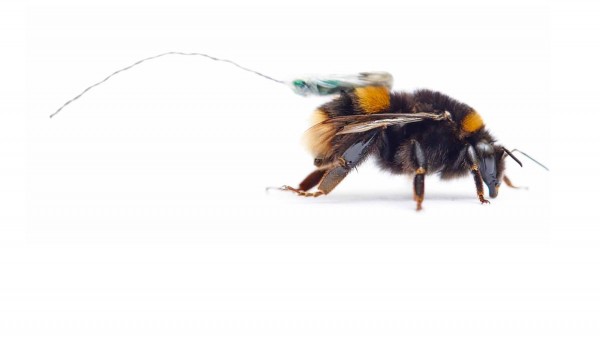
Unaffected by Varroa, tolerant of cold and able to pollinate in enclosed spaces, bumblebees offer new hope for New Zealand’s primary industries. If only we knew how to build a nest they wanted to live in…
A humble New Zealand shellfish with an out-sized foot and a reputation as an aphrodisiac powers a local economy, a $50-million-dollar export industry and an active black market. Recently, a trade in methamphetamine has sprung up in support of poaching efforts. Who will win the battle for control of paua?
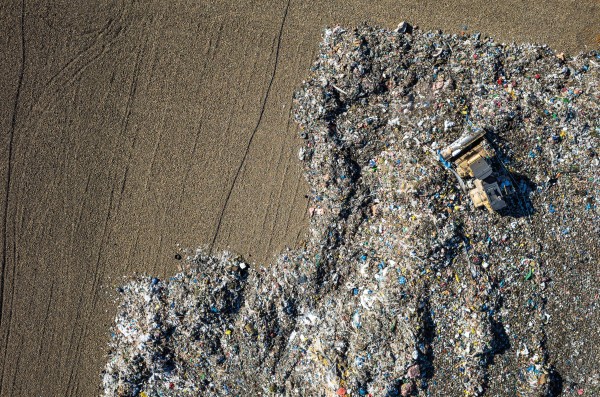
In our rush through modern life, we leave behind a mountain of rubbish that gets a little higher every year. The problem starts in our homes—so does the solution.
Those eager to be transported back in time will appreciate the historic townships and relics left behind by Otago’s pioneers. Along the way you can expect to be welcomed by charming locals, served mouth-watering meals, and told stories about the beautiful places they call home. All while experiencing real, heartland New Zealand. Once complete, the trail will allow cyclists an opportunity to explore and discover some of New Zealand’s most secluded and rustic rural settings at a relaxing pace without sacrificing the comforts of home. Cyclists are currently able to ride from Kingston through the towns of Garston, Athol and Lumsden to Mossburn via a wide smooth trail. This section is 85 kilometres long and takes two days. The trail from Mossburn to Mavora Lakes is still in the planning stage. Riders are advised to take a shuttle for this section rather than ride on the road. From Mavora Lakes, a quiet 48-kilometre-long gravel road leads to Walter Peak Station on the shores of Lake Wakatipu. This section is open and ready to ride. The historic Earnslaw ferry then takes riders across Lake Wakatipu to Queenstown. Note that the only accommodation currently available at Mavora Lakes is camping. When fully completed, the Around the Mountains Cycle Trail will be a 180-kilometre, four to five day trip.
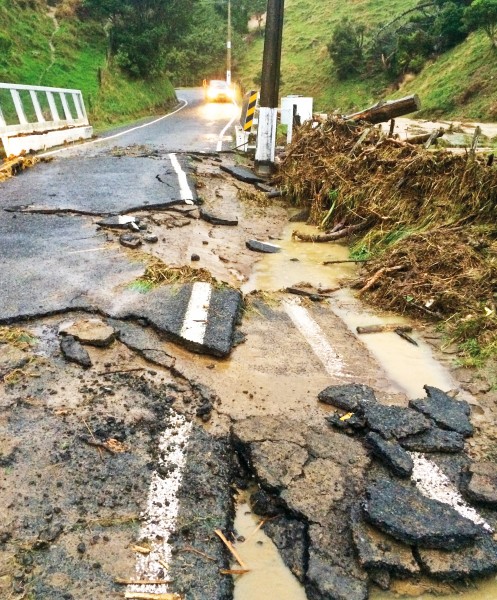
Storms in May and June brought heavy rain and flooding to Kāpiti and Dunedin. Are the events connected?
Every Monday morning, I join my neighbours, plopping a 45-litre bag of rubbish on the curbside. By 10am it is gone, leaving nothing but a rainshadow.
Oliver Sacks, the neurologist and author, died yesterday (Sunday) aged 82. Since he learned he had terminal liver cancer earlier this year, he has been writing some poignant personal essays for The New York Times that have touched a chord with many readers. (Affection for Sacks, author of books with such memorable titles as The Man Who Mistook His Wife for a Hat, An Anthropologist on Mars and Island of the Colorblind) seems boundless. He estimated he received 10,000 letters a year. "I invariably reply to people under 10, over 90 or in prison," he once said.
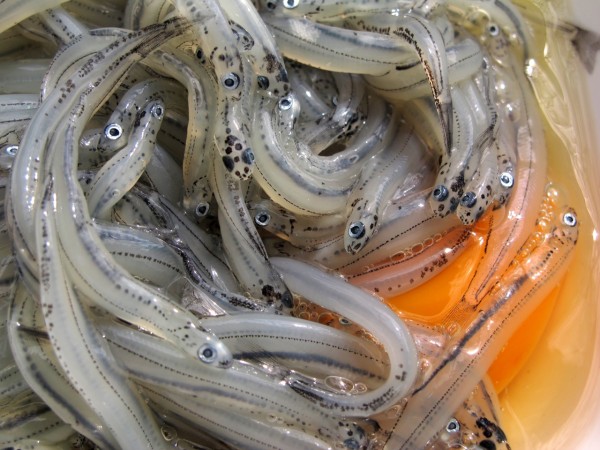
Nothing says spring like the start of the whitebait season this past weekend. But aficionados might pause, fork in midair, if they heard freshwater ecologist Mike Joy's comments connecting whitebait and another native species that has been in the news in a culinary connection: kereru. Both are threatened, so, from a biodiversity point of view, eating whitebait is functionally equivalent to snacking on kereru: it hastens the decline. Unlike kereru, however, 'bait can be bought from the supermarket.
At a recent marine sciences conference, I heard the latest update on Maui's dolphin from University of Otago dolphin expert Liz Slooten, and it was not pleasant listening.
Whenever there's a hint of an aurora in New Zealand skies or a supermoon is rising or an interesting conjunction of heavenly bodies occurs (Jupiter and Venus this month), the event makes headlines. The universe fascinates us—and so it should.
On living without pretence in the wild world.
The detritus of 19th-century family life accumulated underneath a Wellington cottage and came to light more than a century later.
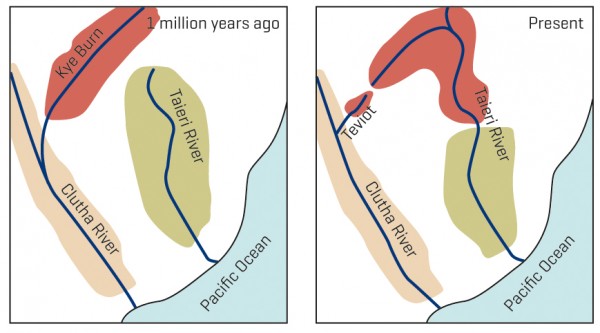
Fish in Otago’s Taieri River suggest it may once have been two separate rivers.
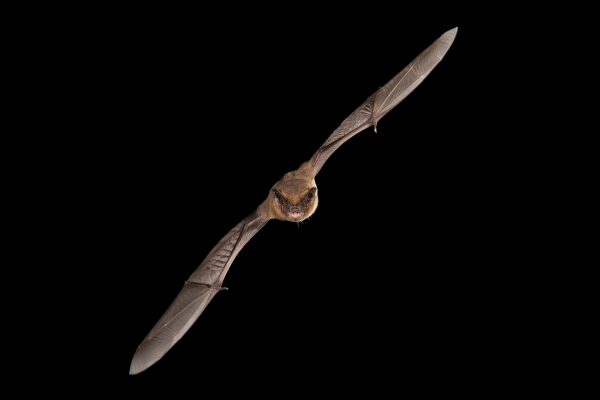
Like the aperture of a camera lens, bats change the focus of their sonar beam by widening their mouths.
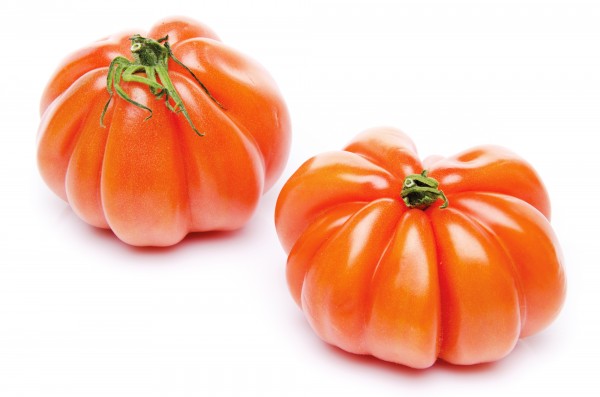
Scientists have discovered what causes a beefsteak tomato’s stem cells to snowball out of control.
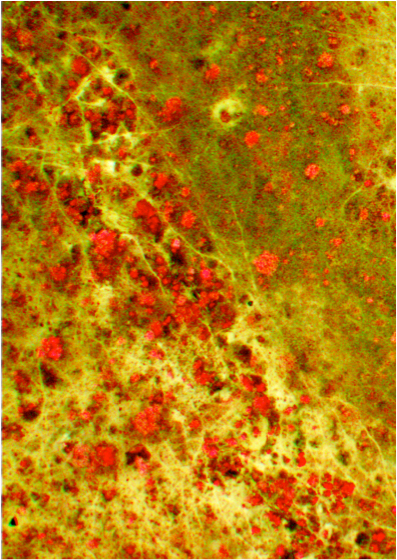
Plants are growing and shedding leaves at different times than just a few decades ago.
Privahini Bradoo ditched a promising career in neuroscience to find a solution for electronic waste.
Loading..

3
$1 trial for two weeks, thereafter $8.50 every two months, cancel any time
Already a subscriber? Sign in
Signed in as . Sign out

Ask your librarian to subscribe to this service next year. Alternatively, use a home network and buy a digital subscription—just $1/week...

Subscribe to our free newsletter for news and prizes