Rebels with a cause
Teenagers are stereotyped as being fiercely independent and rejecting the status quo, but having a sense of community belonging is in fact critical to their happiness.


Teenagers are stereotyped as being fiercely independent and rejecting the status quo, but having a sense of community belonging is in fact critical to their happiness.
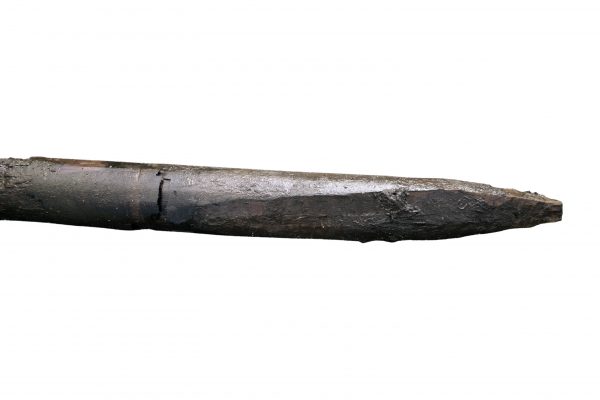
A pā in the Waikato has been dated back to 1768 AD—younger than previously thought—using a precise form of radiocarbon dating never before applied to pā. About 7000 pā have been identified across New Zealand. Some are the area of a modern-day house, others span hectares, and many are in the lush areas of the northern half of the North Island now used for farming. Many pā in the Waikato were swamp pā, which took advantage of navigable waterways and rich natural resources. In the case of the 6000-square-metre Otāhau Pā, built on a strip of land between the Komakorau and Mangamotu streams near the Waikato River, the boggy soil and stream has preserved the palisade posts, 100 of which are still visible above water. Some of the posts were the trunks of mīro, a winner in terms of carbon dating because of its sharp, clear growth rings that can be cut out and measured for radiocarbon. Radiocarbon, along with regular carbon, is incorporated from the atmosphere into living creatures and plants. When the creatures and plants die, the radiocarbon will slowly decay to nitrogen—so the ratio of remaining radiocarbon to regular carbon tells researchers how old the artefact is. But regular radiocarbon dating often isn’t precise enough because there have been natural fluctuations of radiocarbon in the atmosphere throughout history. In a technique called ‘radiocarbon wiggle-matching’, the radiocarbon amounts in individual tree rings of the pā palisade post are compared with the radiocarbon amounts in tree rings of a kauri of known calendar age, and so a more precise date is reached. With this most recent study, by Alan Hogg and his team from the University of Waikato, wiggle-matching could date the palisade post construction to within four years. The authors write in the Journal of Archeological Science Reports that the pā is much younger than was expected by kaumātua from Taupiri Marae, 1.5 kilometres from Otāhau Pā. There is not much oral history on the pā from that time period, and as the area was in a state of warfare, they suggest that it may have been settled by another hapū.
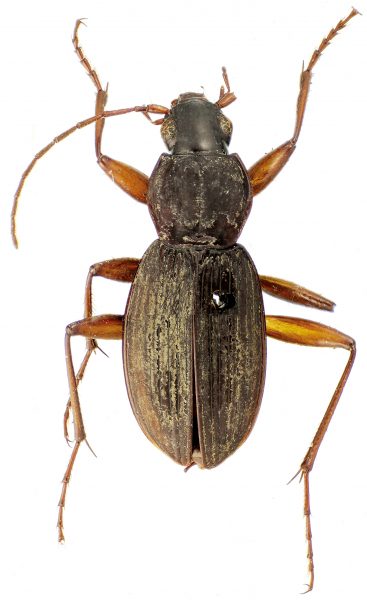
A new species of Samoan beetle has been discovered, long after it became extinct.
Aeroplanes carry more unwanted hitchhikers than boats.
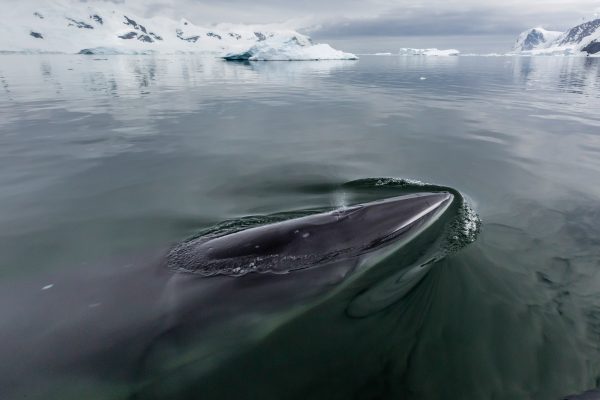
A three-year recording of whales and ice.
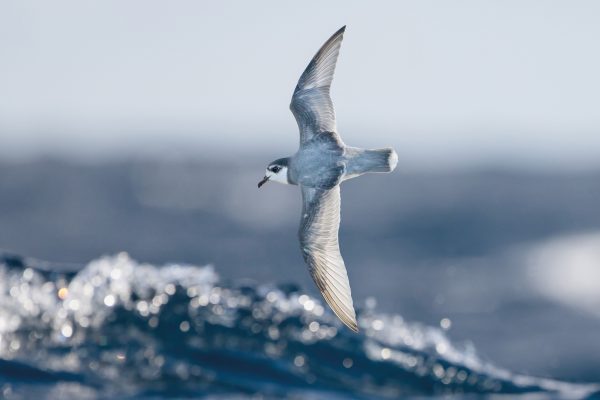
Seabirds are gorging on plastic for a simple reason: it smells like food.
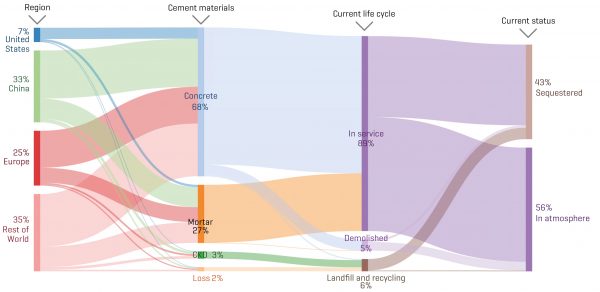
Cement was considered a climate risk, but a new study shows it isn’t as bad as once suspected.
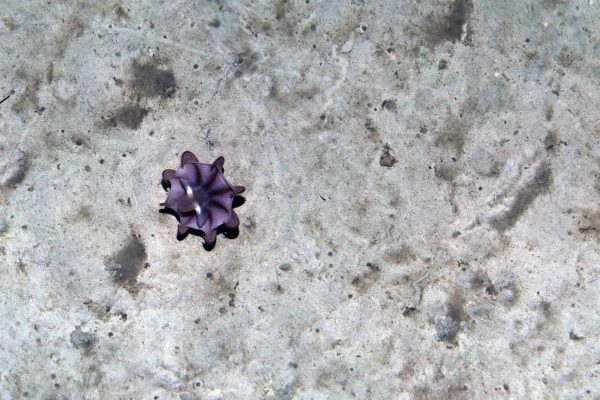
Jellyfish plagues are more likely when water is murky.
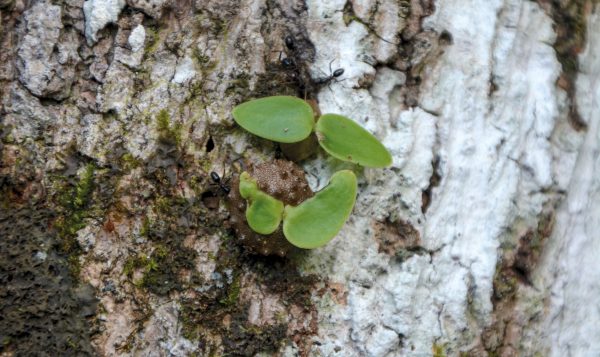
A Fijian ant cultivates its own garden, and can’t survive without it.
Scientists discover ‘snow’ 4000 metres under the sea, and it powers much of life in the vast abyss.
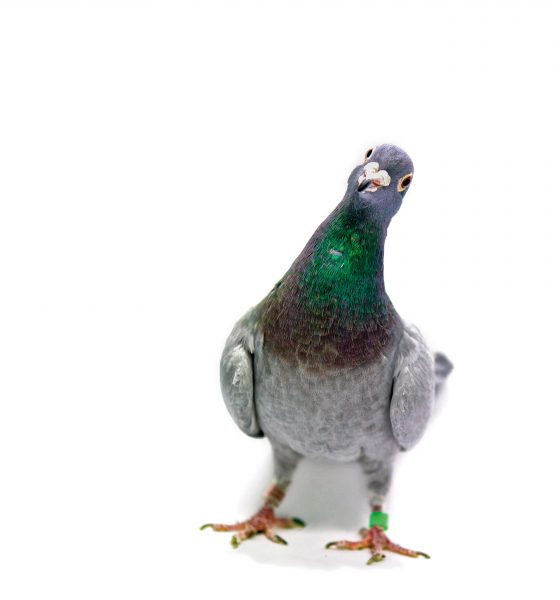
Birds can recognise words—the first step to reading.
The nuclear family may no longer be the norm in New Zealand.
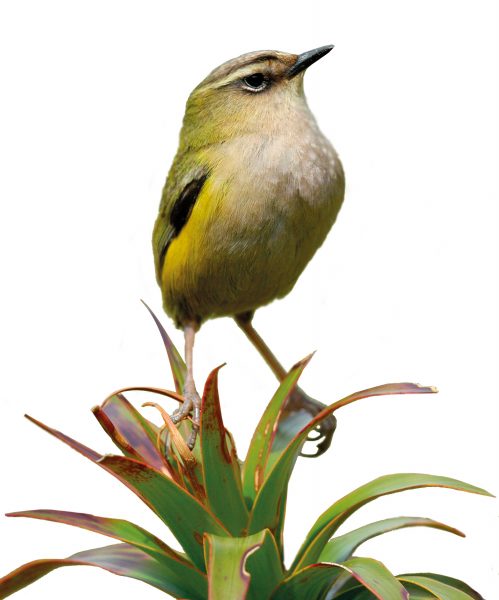
Birds tell of their narrow escape.
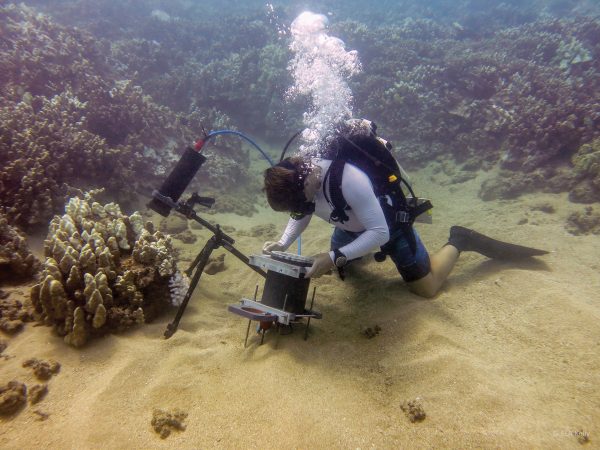
A new type of underwater camera sees more than ever before.
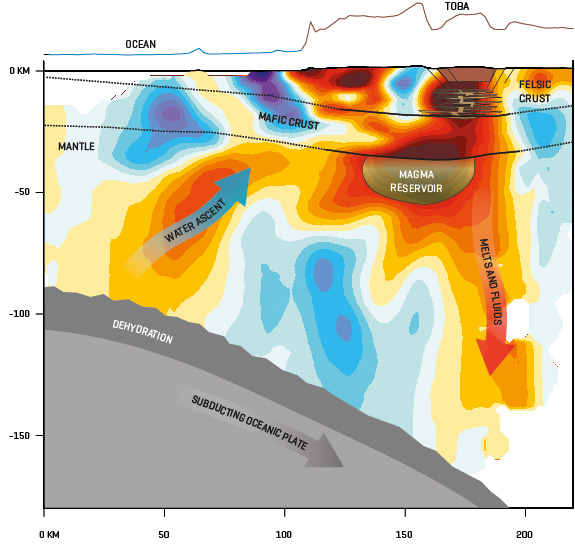
A new theory suggests why supervolcanoes go huge.
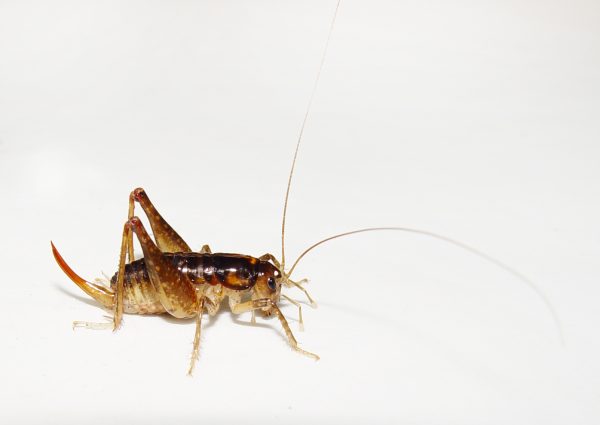
Three new species of wētā have been discovered, and they make drumming calls to woo females.
New techniques allow a detailed new perspective of the human heart.
Scientists have engineered a $1.50 loaf that can combat cardiovascular disease.
Possums will hunt out trees with more protein in the leaves.
As the world ponders global warming and the end of oil, a small subculture of futurists with a view beyond the petrol pump are planning a coming-of-age party in Darwin for October next year. They'll be toasting twenty years of successful solar car racing. In 1983, inspired by the excursions of Paul MacCready in to solar-powered flight, Danish-born Australian adventurer Hans Tholstrup and racing driver Larry Perkins slowly coaxed a "photovoltai-covered bathtub on wheels" the 4000 kilometres from Perth to Sydney. Four years later this spawned the World Solar Challenge (WSC), the epic trans-continental sunlight-powered 3000-kilometre race from Darwin to Adelaide. While Tholstrup's pioneering "bathtub" tortoised along at about 30 km/h, modern solar racers can now sustain over 100 km/h and sprint up to 170. Some even carry a passenger. Numerous events, large and small, now appear on the international solar car calendar, but the WSC, now owned by the South Australian government, is still the flagship event for the maturing brainsport. Second-hand solar cars are occasionally even offered for public sale: there was one on TradeMe recently. In a cramped concrete garage, some clever Christchurch chaps have toiled through the long winter nights to produce the skeleton of a curious vehicle. In the Canterbury University wind tunnel, the car's carapace has also been undergoing aerodynamic refinement. Electrical engineer Rob Glassey and his multi-talented Team SolarFern are planning to fly a lonely NZ flag competing in next year's World Solar Challenge and the chassis has now been completed. They still have to complete the wheels, motor, body, solar panels and electrical work. Al so in Darwin for the WSC anniversary will be a group from Hamilton's Waikato University who are building an electric car for the Greenfleet demonstration section of the event, which provides an opportunity to showcase practical and ecologically sound transport solutions. In spite of the WSC event being "just across the ditch," New Zealand representation has been rather sparse over the years. Stewart Lister's Solar Kiwi cars performed well in both 1990 and 1993 but, so far, have been the only two NZ vehicles to cross the Adelaide finish line. Despite this success, Lister failed to attract funding for the more ambitious two-seater he had hoped to build for 1996. Neville Baxter from Wellington entered the (pedal assisted) solar cycle class in 1996 and despite getting to Darwin, couldn't finish his vehicle in time for the race. A rather novel solar vehicle design attempted by Long Bay College, an Auckland high school, failed in 1993 through lack of money, and another school team, from Hutt Valley High in Wellington, managed to actually start the race from Darwin in 2001 but had to withdraw early beca use of equipment failure. In Christchurch, Team SolarFern leader Rob Glassey is optimistic. He attended the last WSC as an official observer, has done his homework Stewart Lister's Solar Kiwi cars performed well in both 1990 and 1993 but, so far, have been the only two NZ vehicles to cross the Adelaide finish line. Despite this success, Lister failed to attract funding for the more ambitious two-seater he had hoped to build for 1996. Neville Baxter from Wellington entered the (pedal assisted) solar cycle class in 1996 and despite getting to Darwin, couldn't finish his vehicle in time for the race. A rather novel solar vehicle design and has a realistic idea of what lies ahead. The recent official launch of the SolarFern project went smoothly enough in spite of an exuberant Canterbury wind trying to dismantle the display tent. The prototype SolarFern vehicle, still in its skeletal state, took bumps and turns in its stride as it was tested on the tarmac. The finish line in Adelaide is still a long way off, but Team SolarFern successfully cleared the first hurdle at the A&P showgrounds and is up, running and looking good.
Loading..

3
$1 trial for two weeks, thereafter $8.50 every two months, cancel any time
Already a subscriber? Sign in
Signed in as . Sign out

Ask your librarian to subscribe to this service next year. Alternatively, use a home network and buy a digital subscription—just $1/week...

Subscribe to our free newsletter for news and prizes