Squeezed, not shaken
A claustrophobe goes caving


A claustrophobe goes caving

Extending some 1400 kilometres northeast from the Bay of Plenty, the Kermadec Arc is the longest underwater volcanic ridge on the planet. It is also highly active, creating great calderas on the sea floor and spewing rafts of pumice that drift on the surface for thousands of kilometres. Scientists are only beginning to understand the diversity of life that takes advantage of this unstable environment.
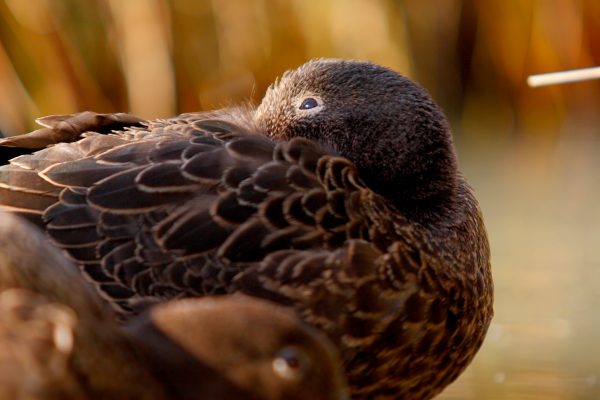
Eclipsed by better known species in New Zealand’s pantheon of endangered birds, the quirky brown teal was until recently slipping quietly toward extinction. A handful of volunteers and a well-organised captive breeding programme ensured the species’ survival. Now, its future depends on a network of public‑private partnerships that reflect the new, multi-faceted face of conservation.
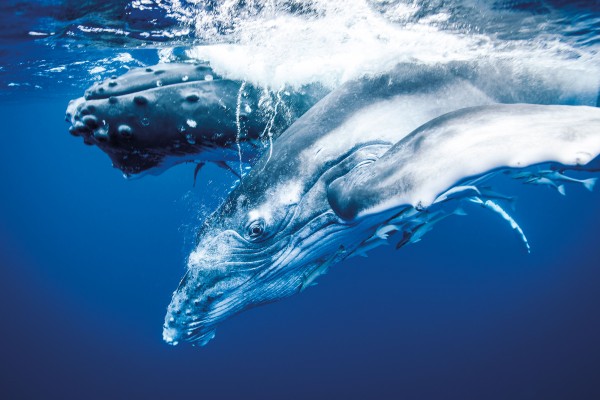
After centuries of whaling that nearly silenced the song of humpbacks, the singing giants are making a steady recovery in most places. Yet the population of the South Pacific that was hardest hit by Soviet whaling in Antarctica remains endangered, numbering fewer than 4000 individuals.
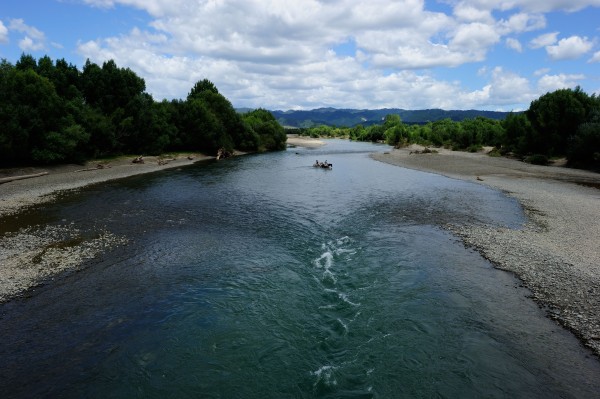
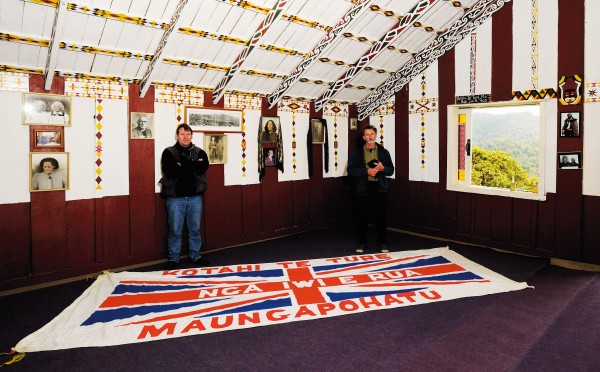
Romanticised one moment, betrayed the next, the Tūhoe tribe of Te Urewera have been an enigma to outsiders for 150 years. Now, with settlement of its Treaty of Waitangi claims in sight, the iwi reasserts its right to determine its own destiny.
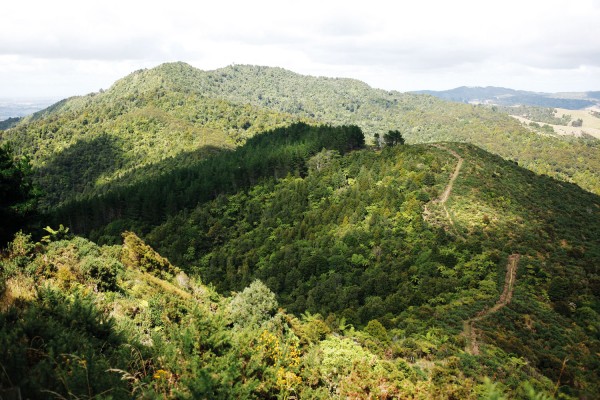
The track goes over Mt Tamahunga (437 metres) the highest accessible summit between Auckland and Whangarei. It’s named for Te Kiri, a Ngati Wai chief who in 1864 rescued 180 Waikato prisoners from Governor George Grey’s nearby Kawau Island estate and brought them here, beyond reach of the British military. The Government demanded that the escaped warriors, many captured at the battle of Rangiriri, give themselves up. Government negotiators were met with the reply: “How many birds, having escaped from the snare, return to it?” From the Bathgate Road-end head up steep farm pasture 2.5 kilometres to the ridge, and the Rodney Road-end there. If you want to avoid this quite rough and tiring start, then you can start the track at the Rodney Road-end instead. The track then crosses farmland, then bush, before a final climb up to the summit. The final climb encounters a ‘Hillary Step’ with a foothold hacked out of stone. Immediately above the step is a lookout with views north back to Bream Head. An old helicopter platform at the summit makes a good lunch platform, but you’re enclosed by bush here, and there’s no further view north. You do get views south from lookout spots once you start descending the mountain. The track is often steep on this last section, exiting finally across a private farm, onto Omaha Valley Road. Keep an eye on the Te Araroa website, as negotiations are underway to obtain a route down the south-western ridge, going past the weather radar station that sits like a huge golfball just below the summit, to exit on Matakana Valley Road. This new route, once in place, will eliminate the 14 kilometre road detour that south-bound Te Araroa long walkers presently have to endure before they link to the next off-road section at Dome Forest.
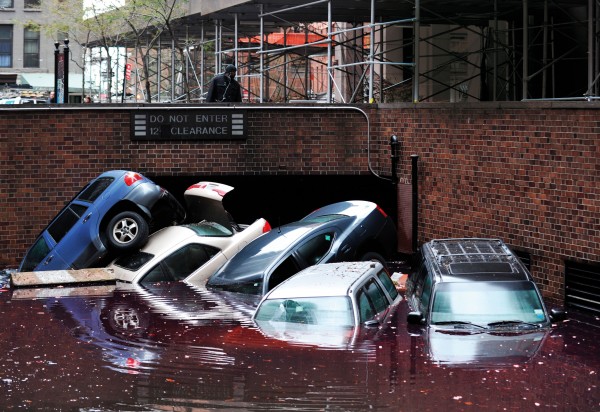
How Sandy decided the U.S. presidential election
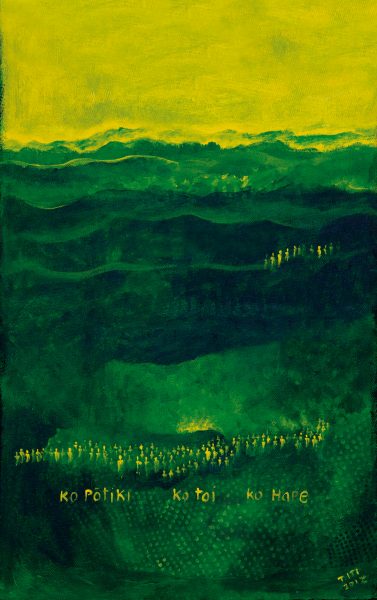
Every two months, the editorial team at New Zealand Geographic begins deliberating on the choice of cover, attempting to second-guess the preference of our 350,000 readers and communicate the essence of the lead feature in a single image and half a dozen words. In just a few days, Tuhoe will be signing the Deed of Settlement with the Crown that secures control of their affairs and Te Urewera. On the eve of this historic moment, we wanted a cover that portrayed the voice of Tuhoe. So we went to Tuhoe themselves, a people who have a long tradition of expressing themselves through painting, and to that artist who so embodies the defiance, passion and connection to Te Urewera that have been at the centre of Tuhoe’s struggle for self-determination—mana motuhake—for 150 years: Tame lti. Iti was convicted on firearms charges this year during a trial that also held him and three others accountable for more serious allegations relating to terrorism following months of police surveillance in Te Urewera and dawn raids on his and other houses in Ruatoki. The charges didn’t stick, but for the general public, the evidence seemed consistent with the theatricality and insubordination of Iti’s previous protests against the Crown—a feature he shares with Tuhoe prophet and activist Rua Kenana, tried and imprisoned in spookily similar circumstances nearly a century ago. “Tame has been poking a stick in the eye of the Crown for a long time,” says Huka Williams, Iti’s sister-in-law and long-time campaigner for mana motuhake. Iti was someone who could render the story of Tuhoe in a single image. So even as he sat in his cell in Waikeria Prison mustering a case to take to the Supreme Court, he put brush to canvas to summon the voice of Tuhoe for the cover of this magazine. “Painting is a conversation with the canvas,” he tweeted from prison. “We have been discussing things a lot lately.” Iti’s previous artworks, created in prison and auctioned for tens of thousands of dollars, have raised the ire of many, which is of course his specialty. But he also knows a thing or two about presentation, about cultivating a public persona. Emblazoned with a full facial moko, he often makes a point of wearing the bowler hat and bow tie of his predecessors—an act that connects his grievances with all of those of the past. He knows the power of a controversial statement, he knows how to get attention, and he knows and lives in the long legacy of Kenana, Te Kooti and generations of Tuhoe dispossessed of their land and autonomy. And he knows we all tend to judge a book by its cover... so who better to create this one? However, the onus is on us to move beyond the cover and peer within, to peel away our preconceptions and take a fresh look at a story centuries old and still in the making. If you’re reading these words, you’ve already started that journey.
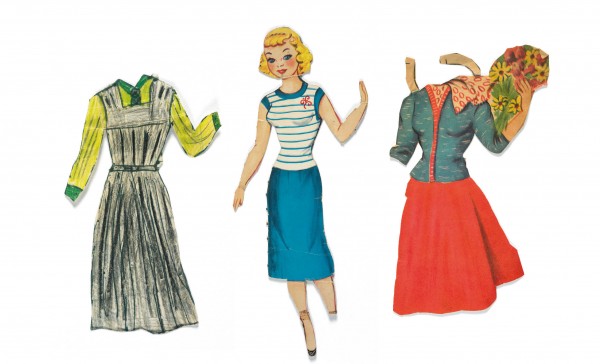
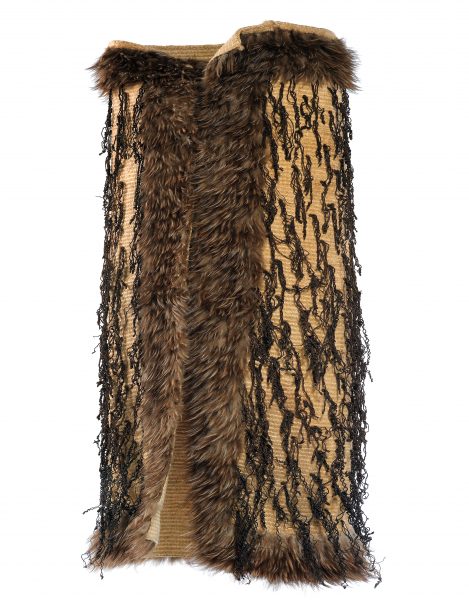
Artefacts of an age where children made their toys
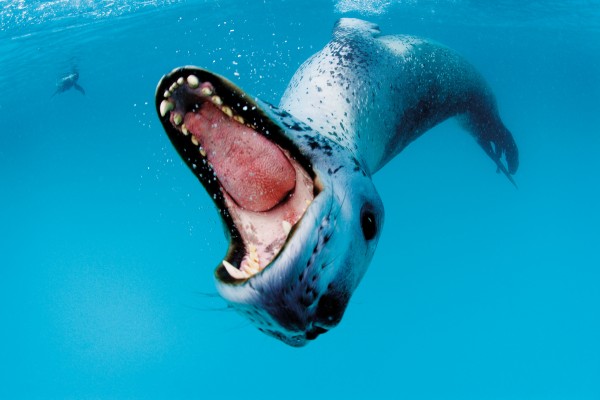
Leopard seals of the Antarctic rip their prey to shreds with sharp, strong incisors, but can become placid filter feeders when they need to
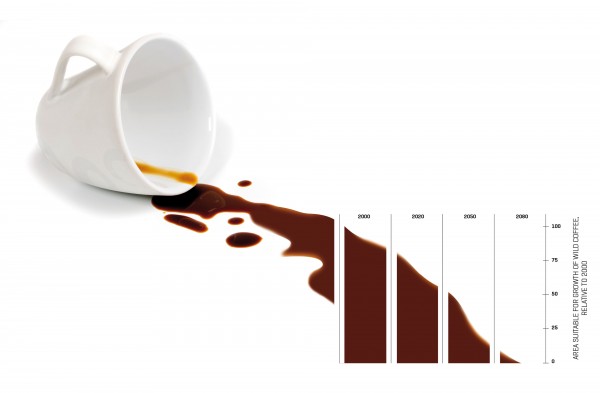
Coffee, the world’s favourite beverage and second-most traded commodity after oil, could become extinct in the wild
Researchers have discovered yet another use for flax
Plants and humans might share a surprising amount of DNA, but that doesn’t mean plants like our music.
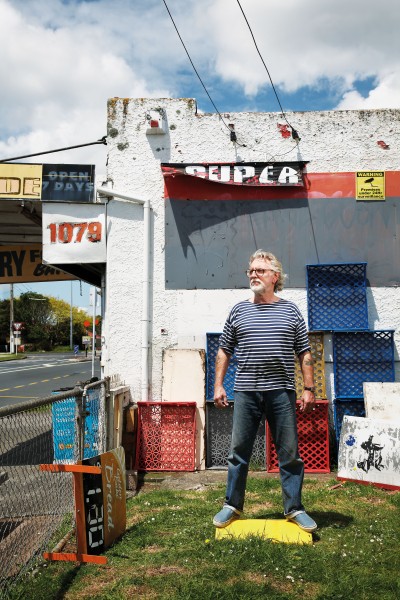
Nosy-parker, mudlarker,dashing darter…
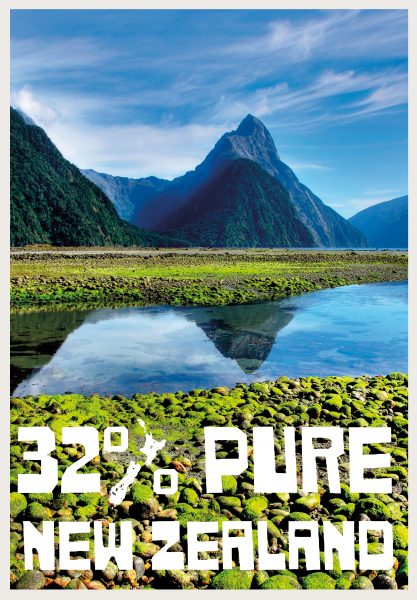
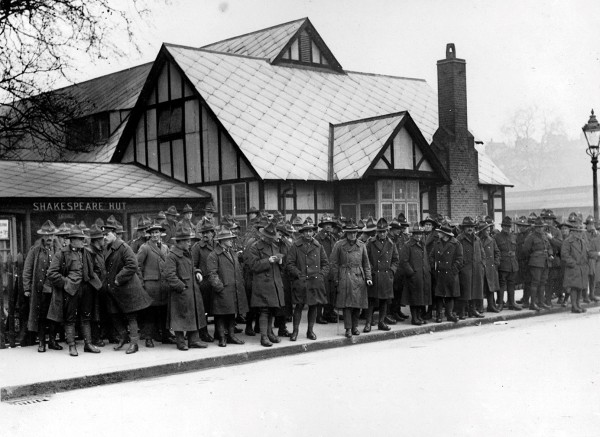
Felicity barnes is keen to give us a more ample, more nuanced understanding of our past relationship with Britain than earlier historians have served up—and she is not afraid to re-examine concepts such as ‘Britishness’ to do so. New Zealand historians Keith Sinclair and WH Oliver were interested in tracing the steady emergence of a New Zealand identity, says Barnes. For them and their followers, ties ‘Home’ were embarrassing examples of cultural immaturity and impediments to progress. Even recent historians, who maybe more inclined to reassess the relationship, tend to dismiss imperial ties as nothing more than the ‘natural’ legacies of settler origins. Barnes will have none of that: “Britishness was invented as much as it was inherited, constructed by settlers at the same time as they themselves were embodiments of it.' In New Zealand’s London: A Colony and its Metropolis, she reveals this process of invention by examining the site where it imaginatively or actually happened—London. “Historians have missed it, but for the best part of a century, New Zealand’s most important city was 12,000 miles away. It was New Zealand’s London, and it shaped our culture,' she says. Two little-studied activities are at the heart of New Zealand’s London: New Zealanders as tourists in the metropolis, and the marketing of New Zealand meat, butter and cheese. In the 1920s and ’30s, high-profile editors such as Alan Mulgan made pilgrimages to Britain and reported on their visits to St Paul’s Cathedral, Westminster Abbey and other iconic landmarks for the benefit of their distant readers. But a diverse and far more numerous group of visitors to the imperial capital were ‘Bill Massey’s tourists’—the countless thousands of New Zealand soldiers who spent leave there during World War I. Unlike Indians and other non-white troops of the empire, New Zealanders were not ‘gated’ in London: they were free to explore, protected from the city’s darker side (sex, gambling, drunkenness) by organisations such as the YMCA and the International Hospitality League. Concerned that London’s welcome could go too far, the league organised night patrols. One writer reported their work as being “of a delicate personal nature requiring the utmost tact to separate men from women of known disreputable character”. No-nonsense New Zealand women formed part of the patrol, armed with sticks for ‘delicate’ separation. What soldiers’ letters and postcards reveal is a complex set of relationships with London. A connection, naturally, with sites made famous by cultural transmission, but also privileged access to those sites as an equal owner of the history embodied in them and as a co-creator of the values they enshrined. Some even expressed a guarded superiority to a culture they judged had degenerated from its former heights. The usual sightseeing itinerary was, at any event, a selective one. Smithfield (the destination for most New Zealand meat) and Tooley Street (its dairy hub) were notably absent. As Barnes notes, despite the fact that most tourists arrived on ships designed to carry passengers above and meat and butter below, “those travellers were encouraged to view their relationship with the metropolis via the family bonds of empire, not the cold calculus of economics”. The reality is that by 1933, New Zealand accounted for almost half of Britain’s imported lamb, mutton, cheese and butter in effect, it had become a town-supply district of London. Rethinking the relationship with London as between a metropolis and its hinterland, as Barnes does, offers new perspectives. New Zealand transitioned from colonial periphery to hinterland at the beginning of the 20th century, thanks to technologies—from fast steamships to submarine cables—that shrank distance and paradoxically strengthened ties to Britain even as they promoted nationalism. In the process, and with great deliberation, New Zealand’s identity was recalibrated for metropolitan consumption, and nowhere more obviously than in its produce-marketing campaigns. In the popular international exhibitions, in print ads and posters and in butchers’ shop displays, New Zealand became an idealised white-settler farm. Stripped of both Maori imagery and untamed nature, the country was pictured as modern and safe, pastoral and bounteous. No longer itself the commodity (real estate) as in its settler phase, New Zealand was now a prime source of commodities. There is much else of value in New Zealand’s London, but its real achievement is to hone a fruitful new metaphor. “Whether characterising cultural wasteland or a servile and docile ‘dutiful Dominion’, New Zealand’s culture has been the subject of unforgiving historical assessments for most of the twentieth century,” says Barnes. “Reconnecting New Zealand with its metropolis, as Home and hinterland, not as servile colony to an imperial centre, changes the story.”
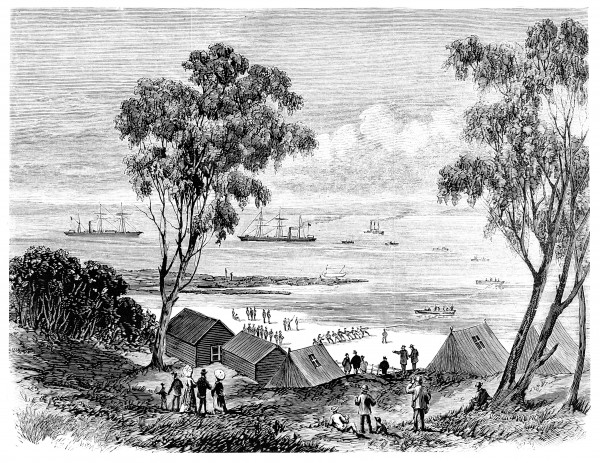
The nation’s first connection with the world could receive just 10 words a minute
Telling the long story of Tuhoe
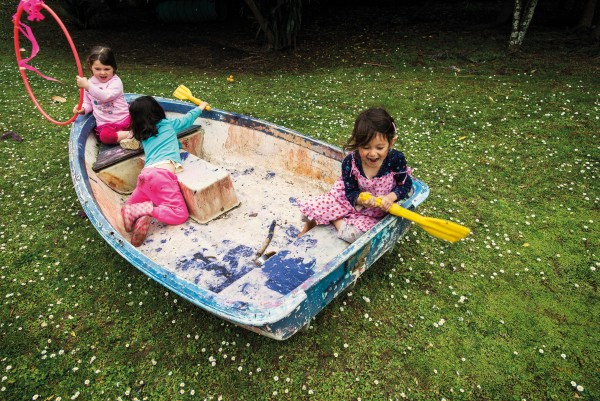
A sea of daisies churns beneath Isla, Naomi and Mira sailing their ship at Mt Albert Playcentre. Every weekday, the doors of nearly 500 Playcentres open for similar adventures. For 70 years this volunteer-based movement has pushed the boundaries of learning in New Zealand, with philosophies of child-led play and a belief that parents are the child’s first and best educators.
Loading..

3
$1 trial for two weeks, thereafter $8.50 every two months, cancel any time
Already a subscriber? Sign in
Signed in as . Sign out

Ask your librarian to subscribe to this service next year. Alternatively, use a home network and buy a digital subscription—just $1/week...

Subscribe to our free newsletter for news and prizes