


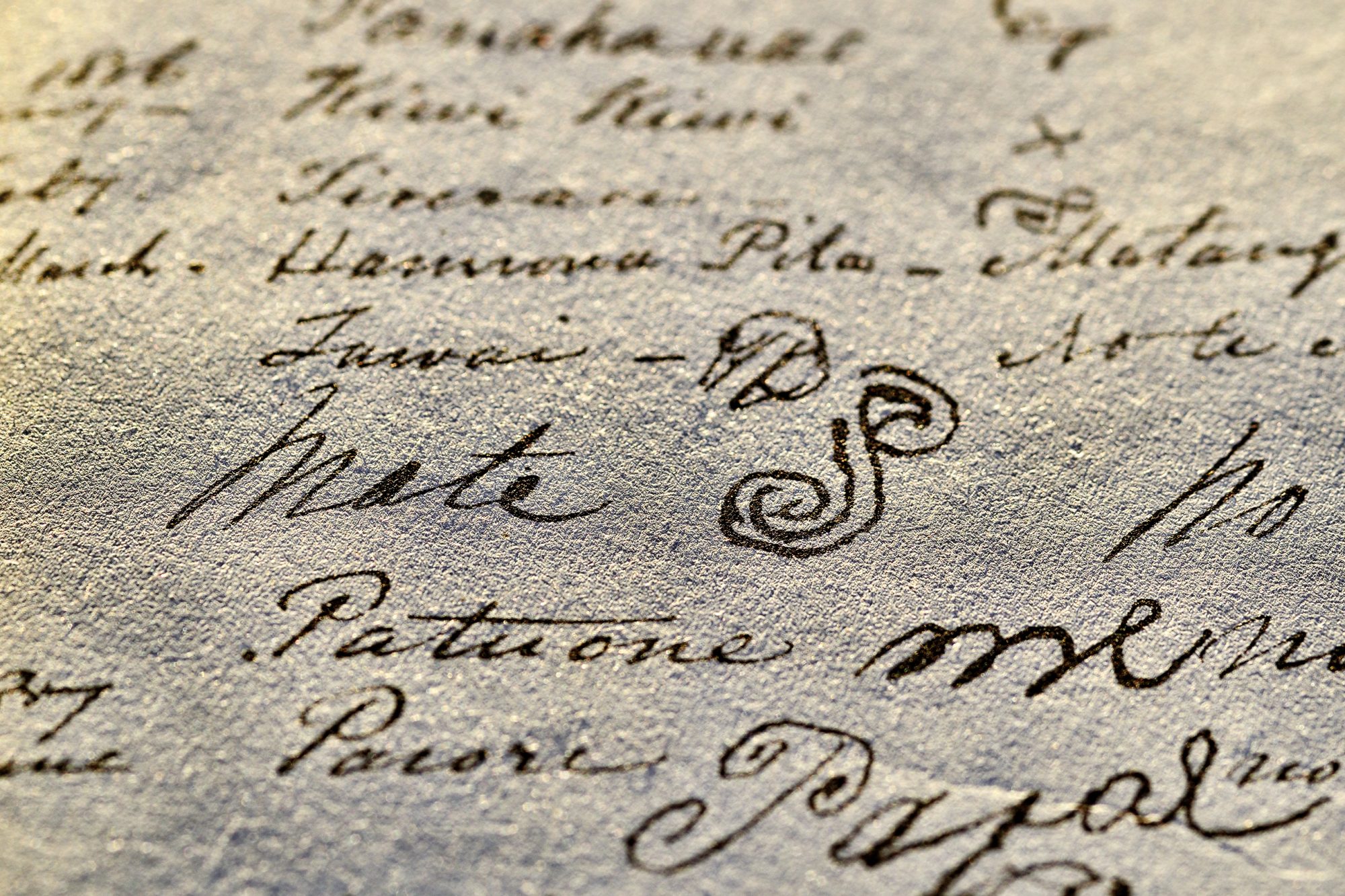
Two peoples, one country
From the moment of first contact between Māori and European, the intersection of our cultures and values has defined our history and created the conditions for who we are today. What really happened?
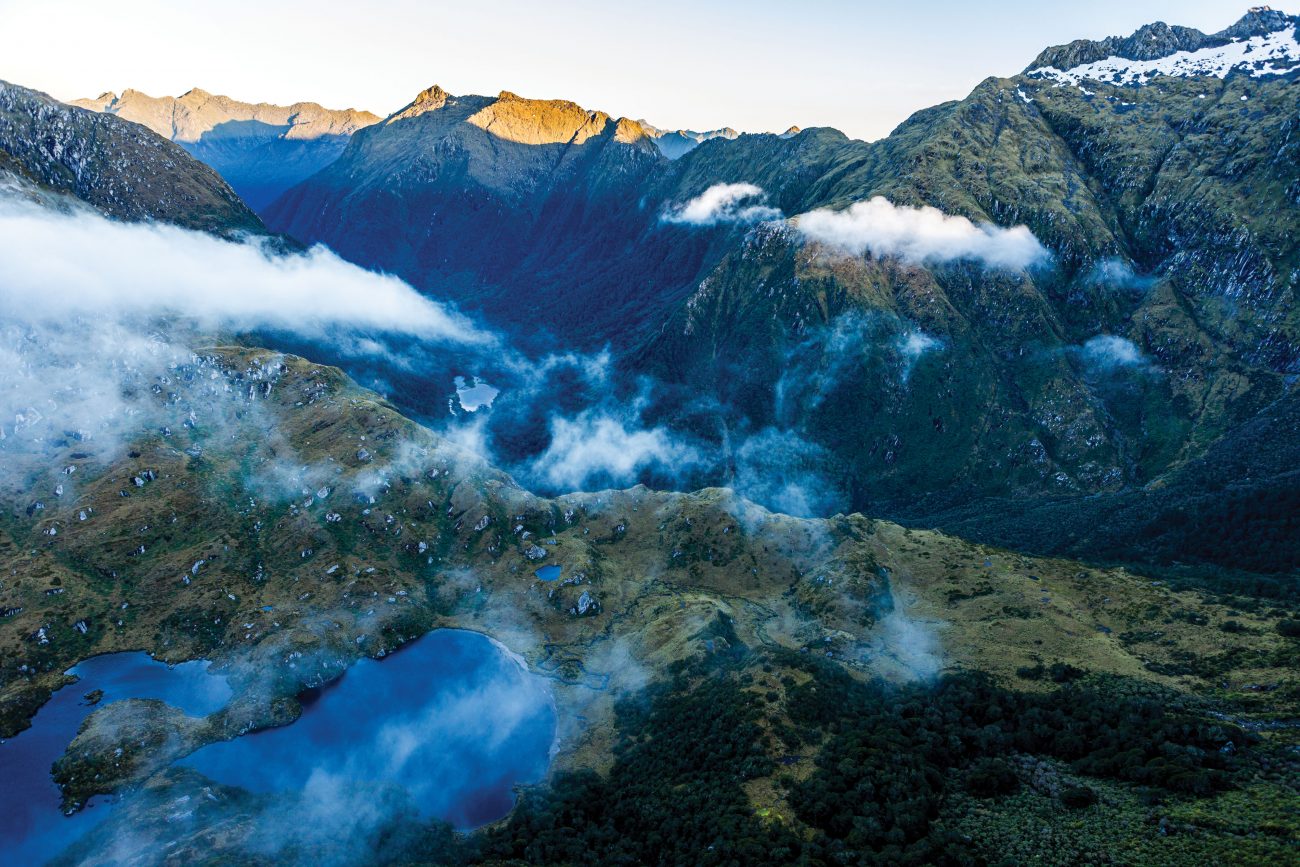
The lost tribe of Fiordland
Bare footprints, remote campfires, people who slip into the bush when approached: for more than a century, the wild terrain west of Te Anau has been home to an extraordinary rumour. Many locals are convinced that a “lost tribe” of Māori—perhaps stragglers from long-ago skirmishes—not only survived here, but thrived.
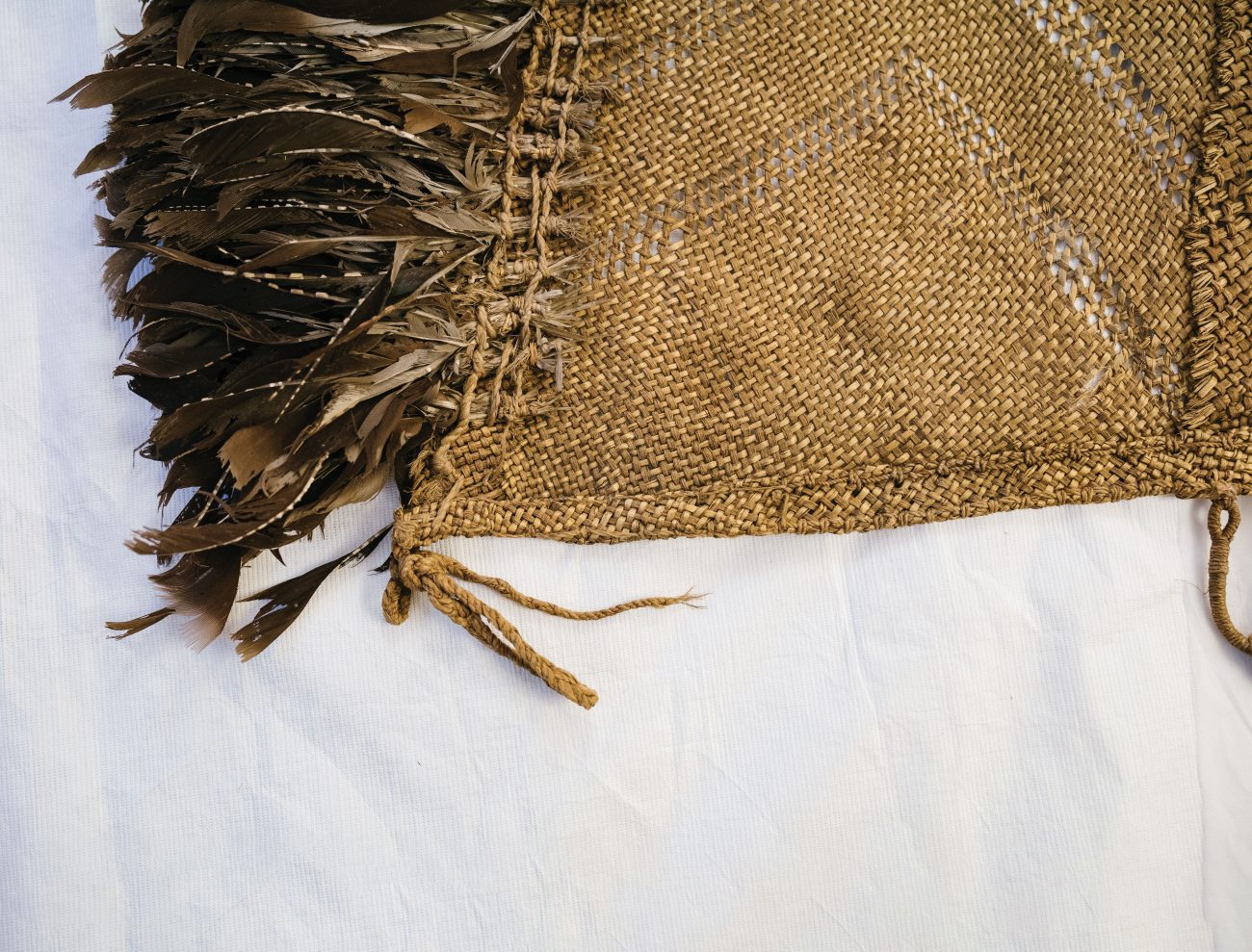
Raise up the billowing sail
The difference between exploring and being lost is the ability to return home. Te Rā tells the story of Māori voyaging and weaving technology, and has finally returned home—for now.
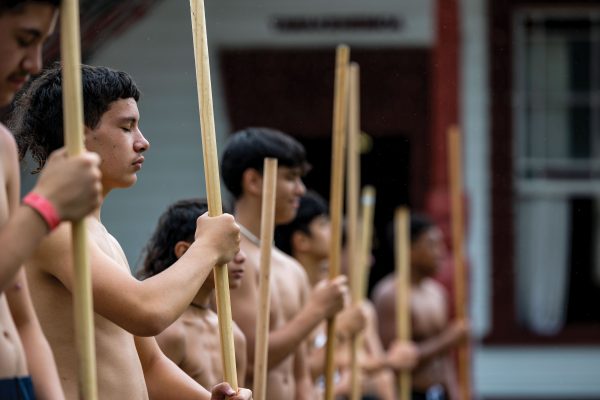
Let the taiaha be a vessel
Almost every year since 1973, tāne Māori of all ages have travelled to an uninhabited island in Lake Rotorua to train in the traditional art of taiaha. They learn how to hold an ahae, or defensive posture, how to perform a poua, or strike, and how to lay down a wero, or ceremonial challenge. But there’s something deeper in play: the wānanga connects modern people to old knowledge, and to each other, and that changes them. It’s become a place of second chances.
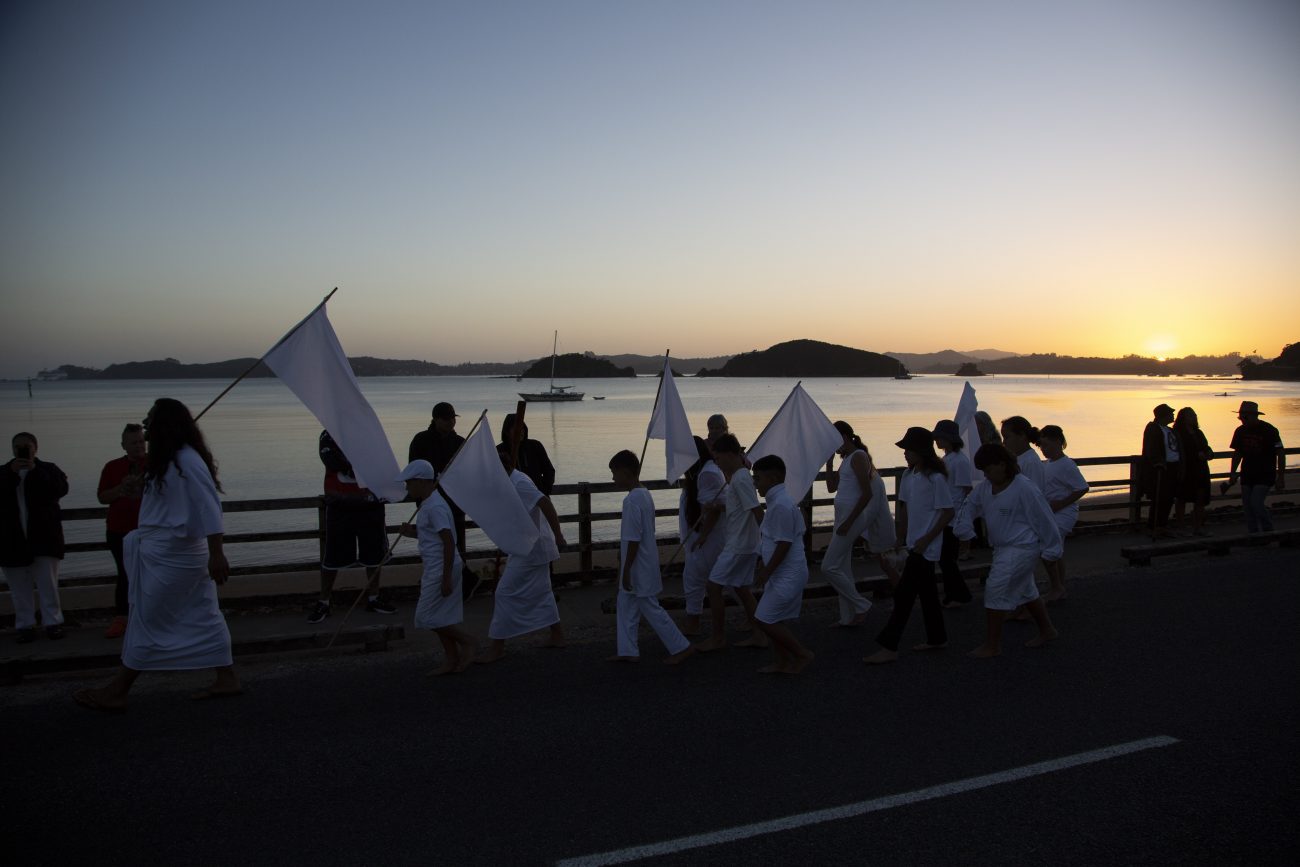
What happened at Waitangi
More than 50,000 people gathered at Waitangi on February 6, 2024—one of the largest attendances on record. What brought them?

Matariki rising
There’s a new holiday on the calendar: Matariki, the Māori new year. It’s the first indigenous celebration to be formally recognised in any colonised country. It brings with it a focus on the resurgence of the maramataka, the Māori environmental calendar. And it might just be the best thing that’s happened to New Zealand’s environmental conscience in years.
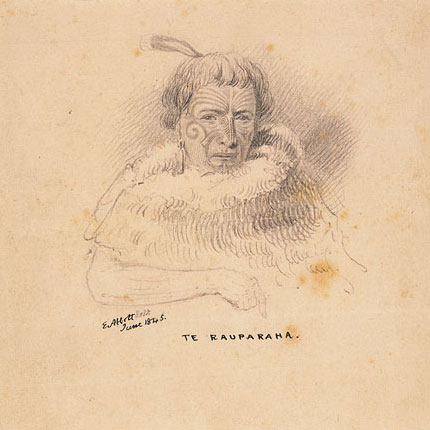
Ka mate, ka ora
In the early 1800s, young Ngāti Toa chief Te Rauparaha narrowly escaped death. His legacy lives on in the haka he composed.
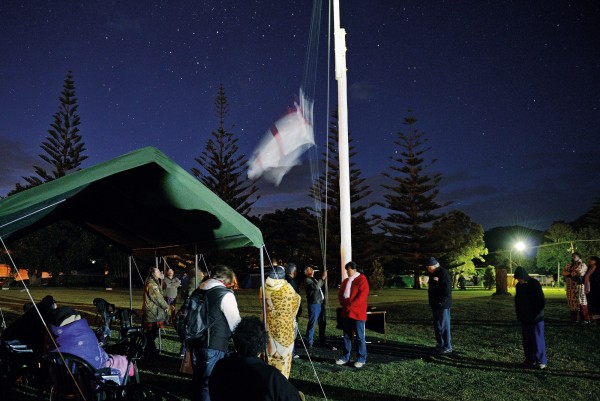
A Sovereign Act
We were taught that in 1840 Maori willingly exchanged their sovereignty for the benefits of becoming British subjects. What if we were taught wrong?
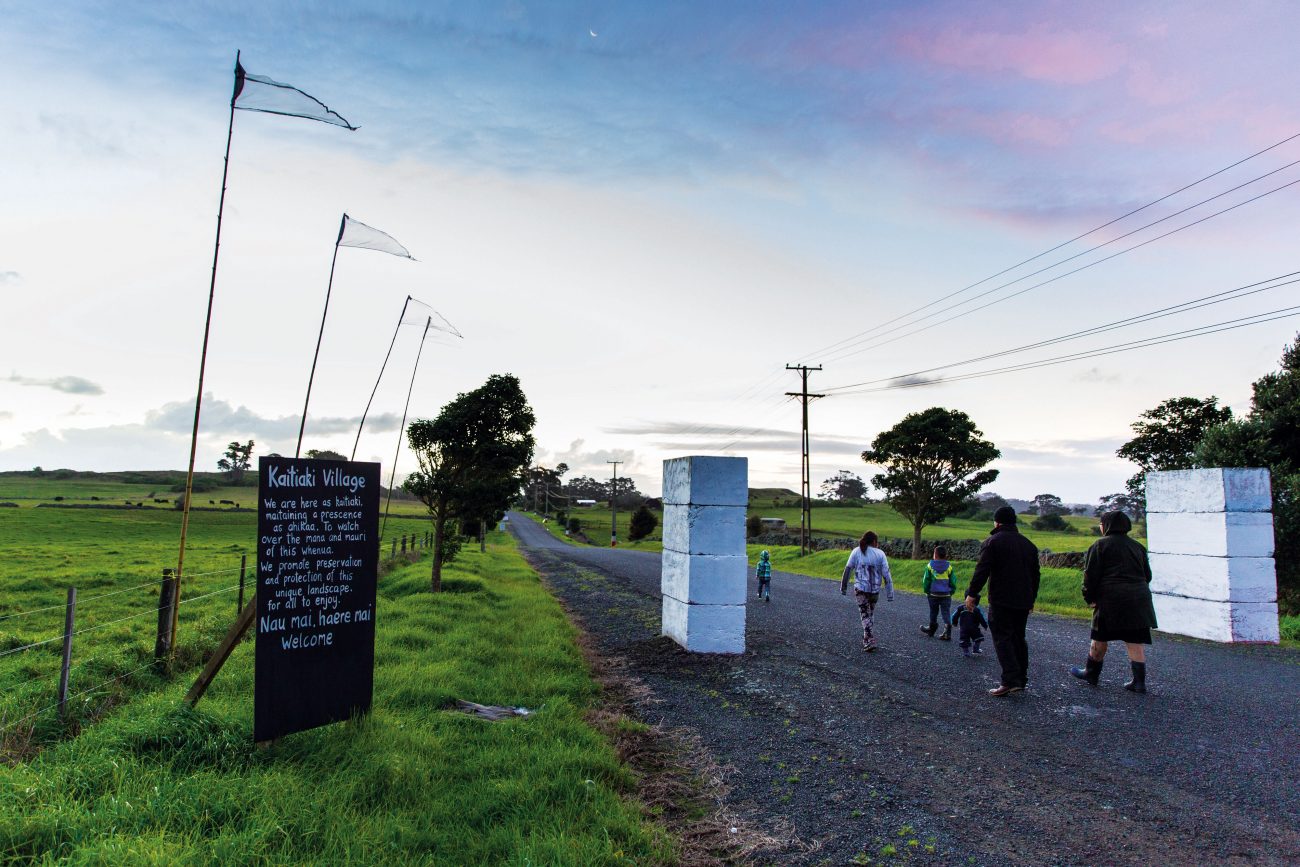
When worlds collide
Ihumātao, a west-facing peninsula on the shore of Auckland’s Manukau Harbour, is the city’s oldest settlement. In 1863, the land was illegally confiscated from Māori. Sacred hills were quarried, 800-year-old burial sites were demolished, archaeological remains were destroyed, a sewage-treatment plant was built over traditional fishing grounds, and a dye spill killed the local creek. Now Ihumātao has been designated a Special Housing Area, without public consultation, and a development of nearly 500 houses is in progress. But for some tangata whenua, enough is enough.
Who are Tuhoe?
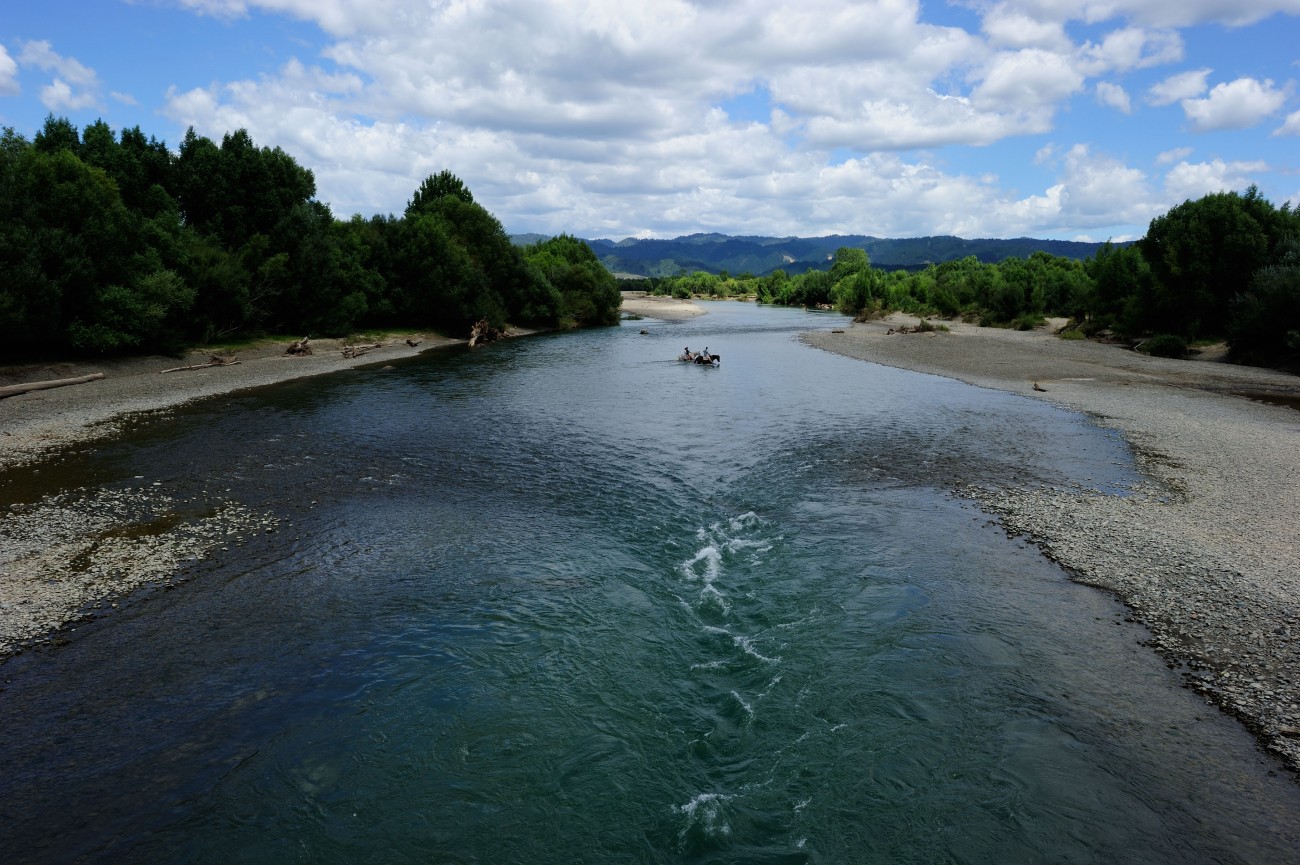
Romanticised one moment, betrayed the next, the Tuhoe tribe of Te Urewera have been an enigma to outsiders for 150 years. Now, with settlement of its Treaty of Waitangi claims in sight, the iwi reasserts its right to determine its own destiny.
Looking for relationship
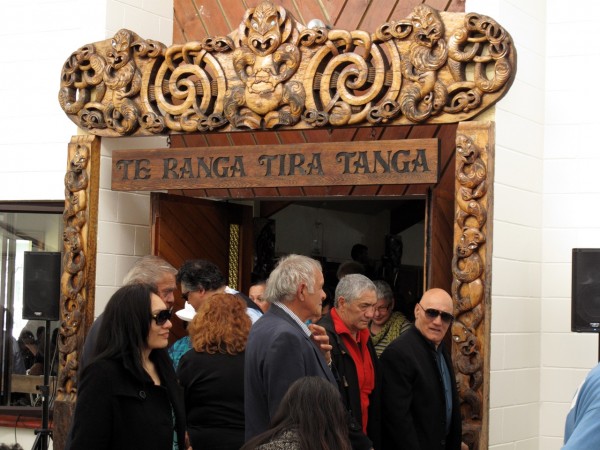
Sovereignty is in the public eye this Waitangi Day—and not just for Maori

A flash of fire
There are some striking differences in the names that we bestow.
Why wasn’t I told?
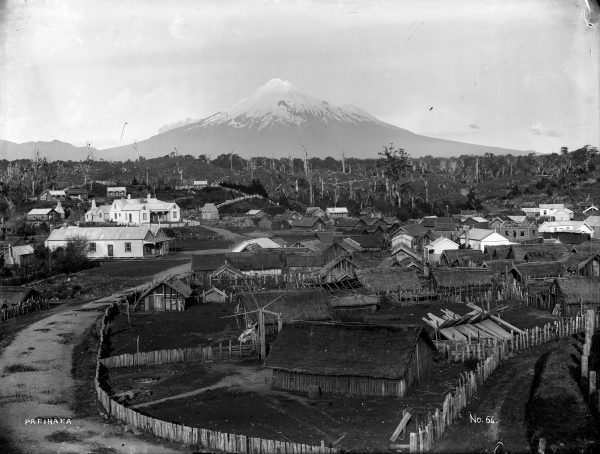
This year, for the first time in the 150-year saga of Parihaka, the government is preparing to apologise for one of New Zealand history’s most deplorable acts: the invasion and sacking of a Māori pacifist community and the imprisonment without trial of its leaders, Te Whiti o Rongomai and Tohu Kākahi. Yet for many New Zealanders, the word “Parihaka” still draws a blank. On hearing the story for the first time, they ask: why wasn't I told?

Founding document
Readers may be familiar with the eight-metrehigh facsimile of the Treaty of Waitangi enshrined in glass and on permanent display at Te Papa, but the original treaty is made up of nine documents kept in the Constitution Room at Wellington’s National Archives. Here you will find the Waitangi sheet, named after the site at which the first document was signed, as well as the various sheets that were sent around the country and which collectively represent the agreement signed between Maori and representatives of the Crown in 1840. It is displayed* in a temperature-regulated room built to withstand earthquakes, behind a heavy-duty bank-vault door, beneath subdued lighting and bullet-proof
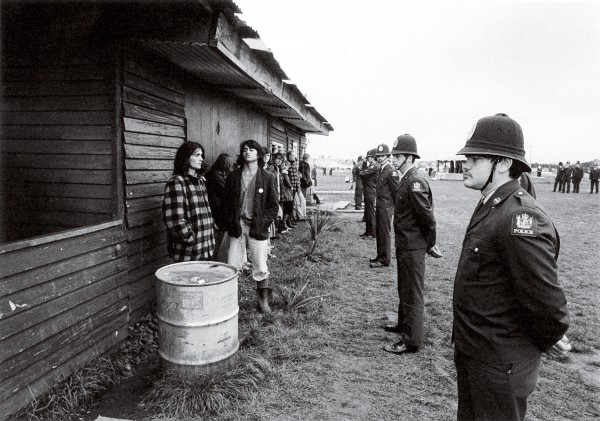
Bastion Point flashpoint
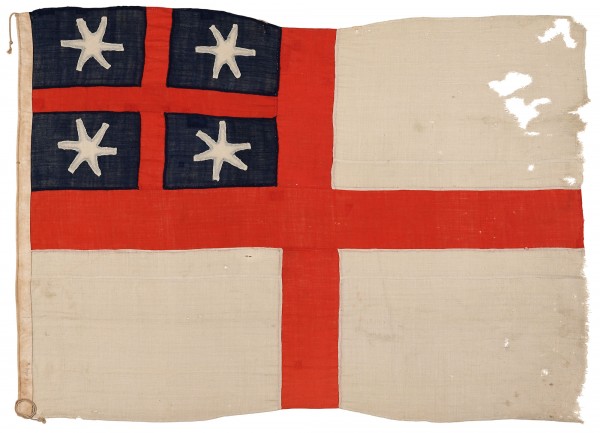
On May 25, 1978, the New Zealand government sent in hundreds of police and army officers to evict protestors at Bastion Point, in what was the largest internal mobilisation in New Zealand’s history.
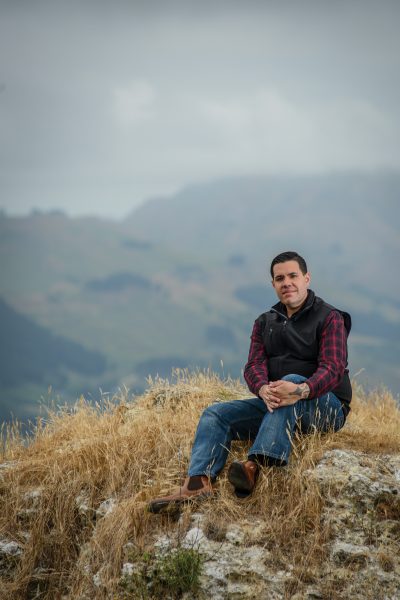
Zero to expert
The unexpected journey of a linguist.

Tupaia
No portraits exist of one of the most important people in Pacific history. Tupaia was a man of many talents: high priest, artist, diplomat, politician, orator and celestial navigator. After fleeing conflict on his home island of Ra’iātea for Tahiti, he befriended botanist Joseph Banks, and joined the onward voyage of James Cook’s Endeavour. Arriving in New Zealand in 1769, Tupaia discovered he could converse with Māori. He became an interpreter, cultural advisor and bringer of news from islands that Māori had left long ago. 250 years on, we are barely beginning to know who he was.
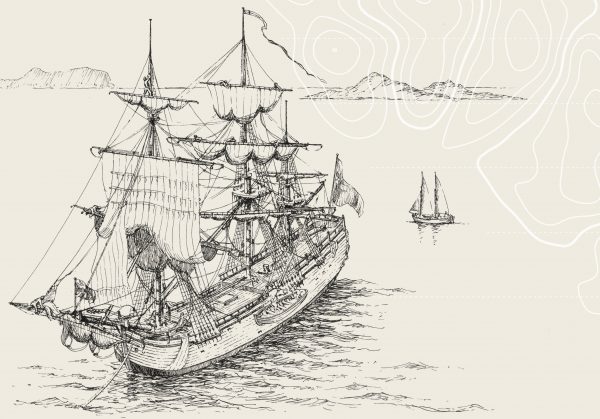
The search for the Endeavour
What became of the ship that charted New Zealand and Australia in the 1770s? For Great Britain, Endeavour expanded the map of the world; for Aotearoa, it brought abrupt and devastating change. Now, one of the world’s great maritime mysteries is on the cusp of being solved. The Endeavour’s bones lie in American waters, awaiting final identification. Meanwhile, the only organisation permitted to investigate the ship—a volunteer marine archaeological group—is lacking funds for the next stage of work and rejecting offers of collaboration. What does the future hold for the Endeavour wreck?

At the bay
On this day 175 years ago, one of the lesser-known signings of Te Tiriti o Waitangi took place at Karaka Bay, at the mouth of the Tamaki Estuary in Auckland.
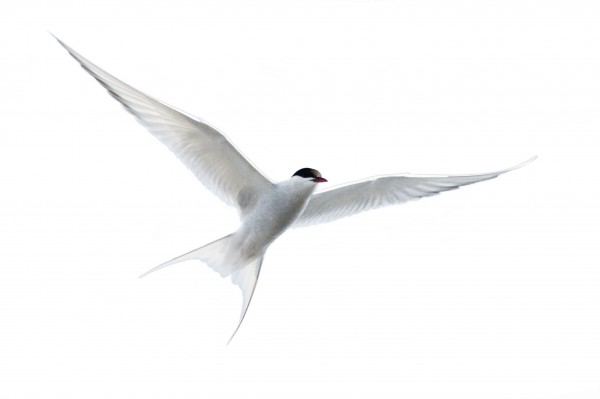
A spirit’s flight
The legacy of Saana Murray
The day the Russians came
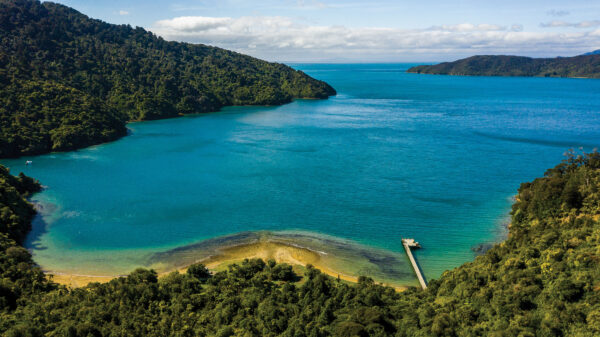
The second-oldest collection of Māori artefacts in the world—exceeded only by the one amassed by James Cook—is held in Russia. These 200-year-old treasures have immense value to iwi at the top of the South Island, whose ancestors traded with Russian explorers. Now, there’s a movement to bring these taonga home.
Places of rest
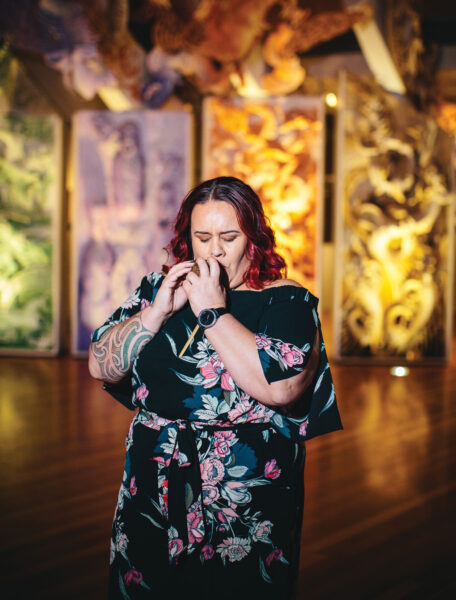
Amber Aranui searches the world for Māori and Moriori human remains to bring home as a researcher for Te Papa’s Karanga Aotearoa Repatriation Programme.
King's tour
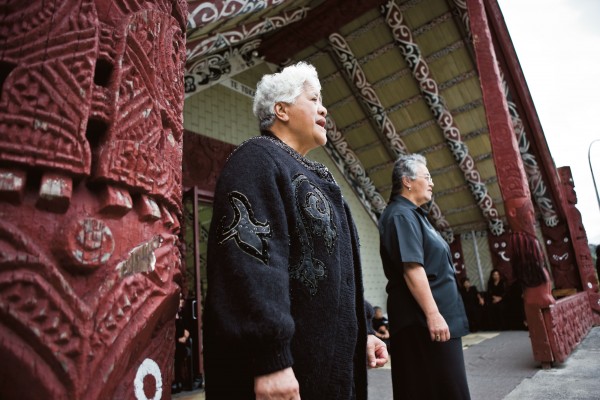
Poukai, a calendar of itinerant gatherings throughout the country where food and fellowship is shared, is the travelling court of the Maori King Tuheitia. A legacy of warfare and welfare, the first poukai was held as solace for Waikato Maori during a period of land confiscations. Now, as Tainui celebrate 150 years of the Kingitanga movement, the poukai tradition unites Maori again: to feast together, grieve together, disseminate news and bring people’s concerns to the attention of the King. And nowhere does this have more significance than in the King Country where it all began.


