Fertile ground
Farmer’s son finds South Pacific ‘paradise’


Farmer’s son finds South Pacific ‘paradise’
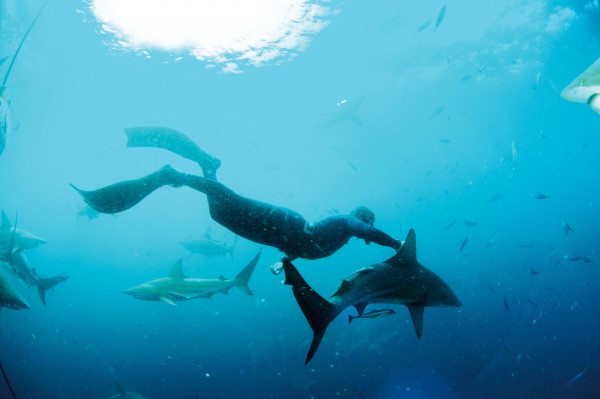
Riley Elliott at the sharp end of marine science
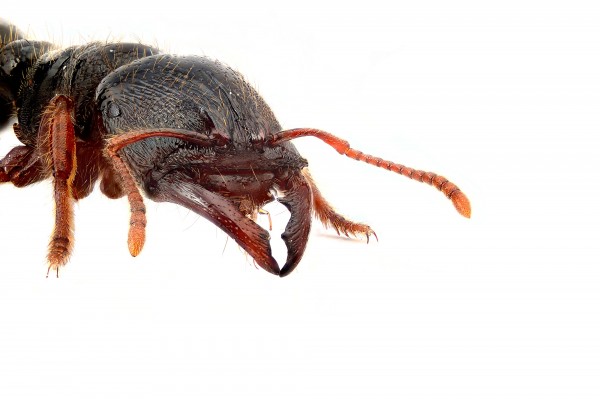
Robotic in form and startlingly efficient en masse, ants have outlived the dinosaurs and now scuttle over every major landmass but Antarctica. Humans can learn a lot from these diminutive critters, which communicate using cocktails of exotic pheromones, expeditiously divide labour among thousands, and silently conduct their small and significant lives for the greater good—of the colony and their immediate environment.
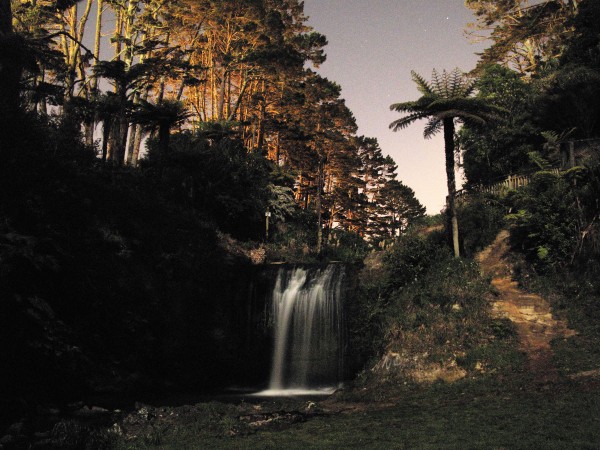
Where can the city dweller look for the inexhaustible wild? Perhaps it lies closer than we think, on the flipside of the ordinary, along the unkempt edges of the familiar. An urban green space can become a site of pilgrimage, a place to discover a waterfall by moonlight.
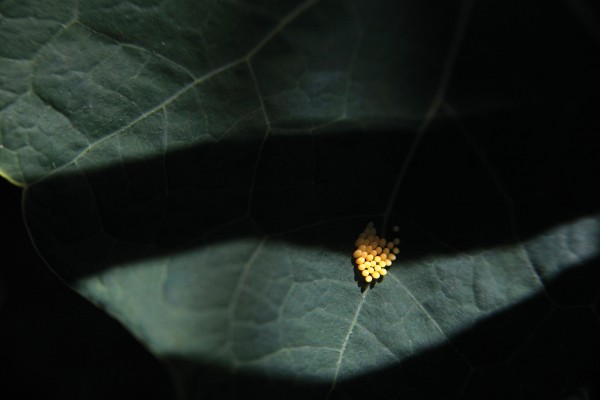
In a land where invaders are cinematically popularised as battle-clad Orcs thundering down a mountainside wielding spiked clubs, it’s ironic that Public Enemy No. 1 is a butterfly—an ephemeral being borne on alabaster wings, not dissimilar to an already well-established cousin. And yet, this phantom menace threatens to wipe out a large number of native plants and more than 230,000 hectares of commercial crops.
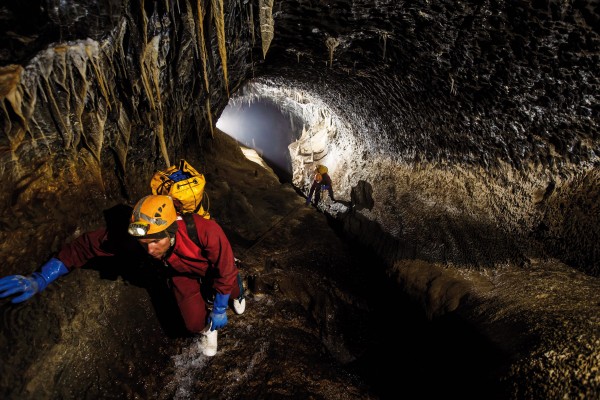
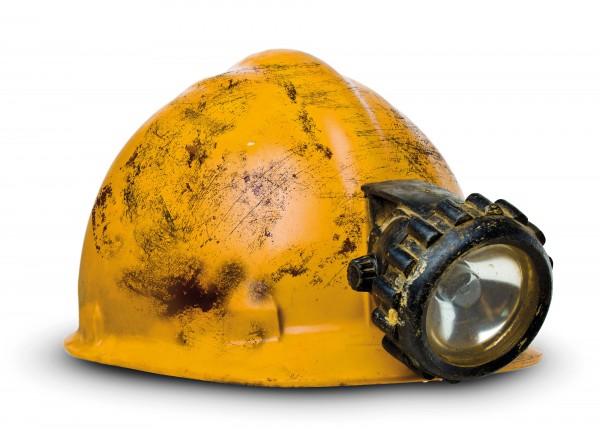
A small group of New Zealand’s elite cavers are pushing further than ever before into the marble heart of the Arthur Range, west of Nelson. To date, they’ve discovered 14 kilometres of previously unknown passages, and now, battling extreme cold, exhaustion and unrelenting rock, they are a hair’s breadth from connecting two of the country’s biggest and deepest cave systems.
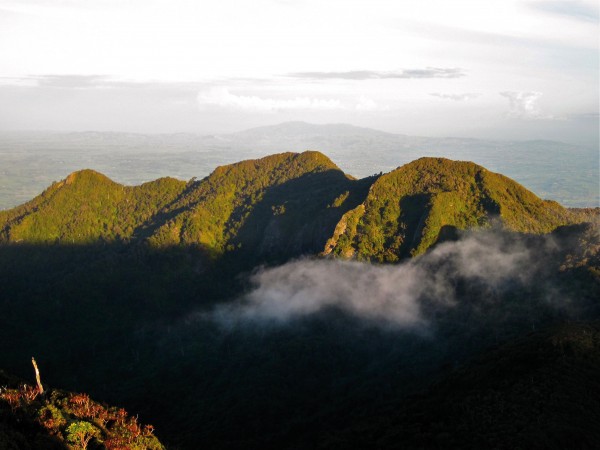
The Pirongia Traverse crosses the old volcanic cone of Mt Pirongia (959 metres) and is part of the Te Araroa route connecting Hamilton and Waitomo. South-west of Pahautea Hut it includes almost a kilometre Pirongia of mountain-top boardwalk. Te Araroa’s construction manager, Noel Sandford, organised the boardwalk construction in 2006 to take trampers across deep mud, and to protect Dactylanthus, the rare ‘wood rose’. Under his instruction, year 12 students at six Waikato secondary schools prefabricated dozens of 10-metre sections, which were then airlifted into place by an RNZAF No. 3 Squadron Iroquois. The boardwalk was completed in time for a December 2009 opening by Prime Minister John Key. From the Kaniwhaniwha carpark on Limeworks Loop Road, the track leads away three kilometres through new plantings to a stopover campground with toilets and water. From there take the Tahuanui Track, a steady and sometimes muddy eight-kilometre climb to the summit, where there’s a lookout with commanding views across the Waikato plains. Onwards from there another kilometre, you can overnight at Pahautea Hut, but it requires a DOC hut pass. Alternatively you can pitch a tent nearby on well-drained dry bark sites. On a clear evening here, the views from the helipad stretch south as far as the Central Plateau and Mt Taranaki. The new boardwalk then leads away from the hut to the Hihikiwi Summit, with another good lookout en route over the west coast’s Kawhia and Aotea harbours. From there, follow the Hihikiwi Track down the southwest flank of the mountain to Pirongia West Road.
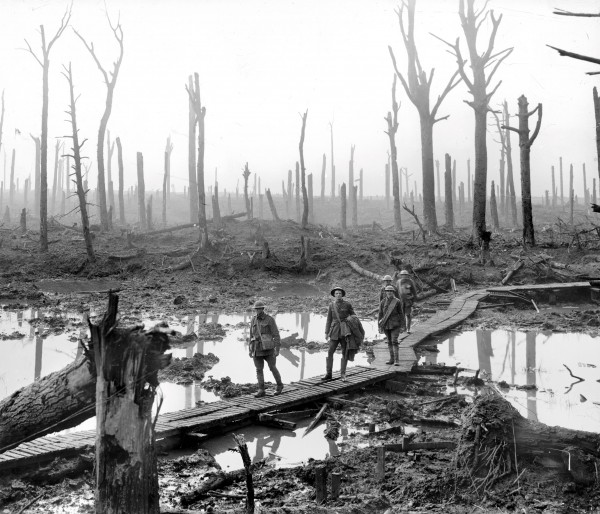
It was common mud that proved the greatest adversary at Passchendaele
I slithered along the gravel through a streamway barely 25 centimetres high, 10 centimetres of water lapping gently along the centre line of my face. With my head turned sideways, I could breathe only through the top of my mouth by pursing my lips, awkwardly, into a snorkel shape, as freezing water sloshed about my torso and liberally irrigated my left nostril. There was enough room to bend one leg, angle a foot and push my body into the squeeze, 20 centimetres at a time. Perhaps three metres through, my helmet wedged fast between the gravel floor and the limestone ceiling of the streamway, and I felt panic, rising first in my gut, then gripping my lungs. I wanted to heave in a breath, but I would draw in water and choke. Instead, I had to breathe out, bury my head deeper in the stream, shove aside the gravel and force my mortal frame through the jaws of the cave. This was my introduction to the underworld, and to this day, the fear I felt with 200 metres of limestone pressing down upon my head has had no equal, nor the jubilation of exiting the squeeze into the dark chamber behind, standing up and sucking down lungfuls of damp cave air. It is an unlikely frontier, lacking the brilliant ice of mountain tops, the foaming crests of distant seas or the searing exposure of space. Instead, it is dark and wet and the goal is obscure. “Everyone knows that the highest mountain in the country is Mt Cook,” says Neil Silverwood, who photographed the caving feature for this issue. “But no one knows, or will ever know, what our deepest cave is.” And yet it is the same urge to explore that drives cavers into the labyrinths and motivates climbers up our peaks. The difference is only the direction they travel. Kennedy Warne responds to the same lure of the natural world. Some days he travels far—as I write this, he is diving in a marine park off the coast of South Africa—but most days he keeps it close, taking a constitutional amble into the green world of Oakley Creek, where the sun winks off water trickling through the forgotten reaches of Avondale. “It has become the place I go to be enfolded into nature and woven into the world,” he writes in the feature ‘Pilgrim at Oakley Creek’. “It is where I lose myself, and where I find myself.” And while cavers and climbers extend the limits of what we know as New Zealand, small journeys of the spirit are taking place every day in quiet and meaningful ways on walkways in our urban centres, the many trails connecting islands of bush remaining in the sea of suburban sprawl, and the great tracks and tidelines of rural and wild spaces. These are the pilgrimages that define us as New Zealanders, as much as any peak or precipice, for they are where we find ourselves.
A clash of cultures in Spirits Bay
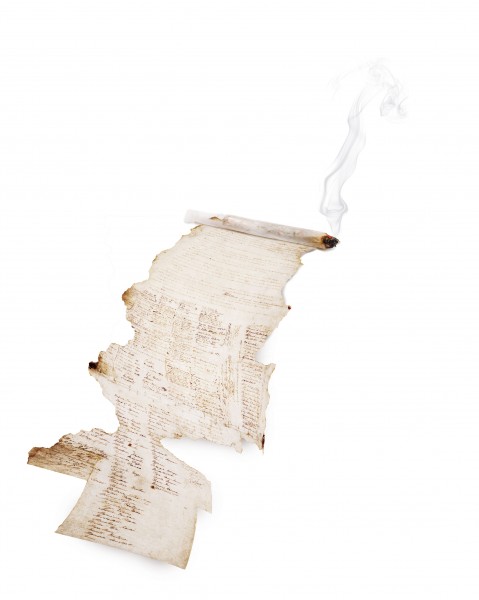
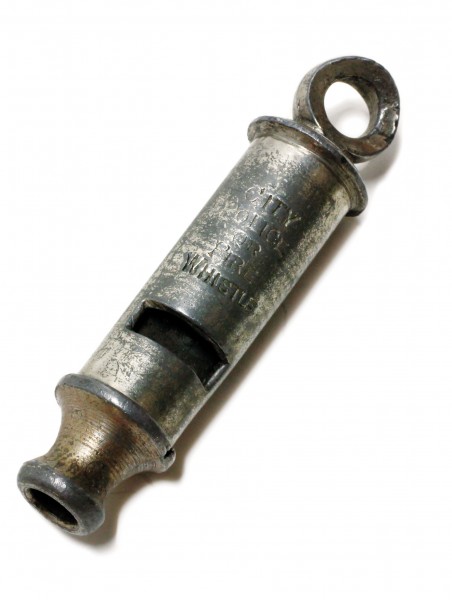
A nail-thin nick on the ridge of a silver police whistle marks the downfall of a dastardly gun-toting highwayman, and a life spared
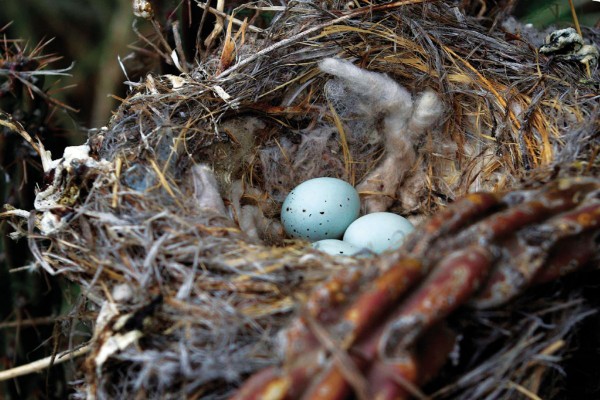
Birds are crafty nest-builders, making their homes from moss, mud, feathers, sticks and...cigarette butts
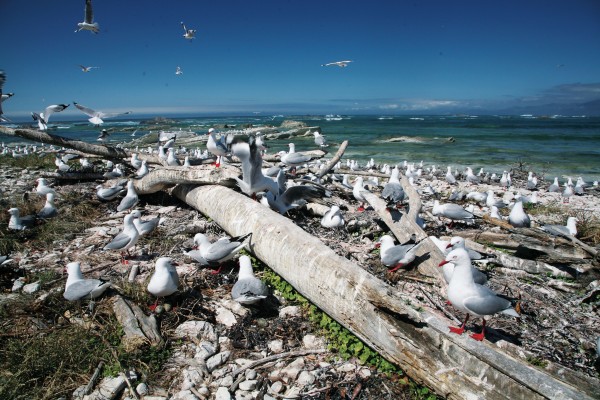
Gulls take advantage of big-city living
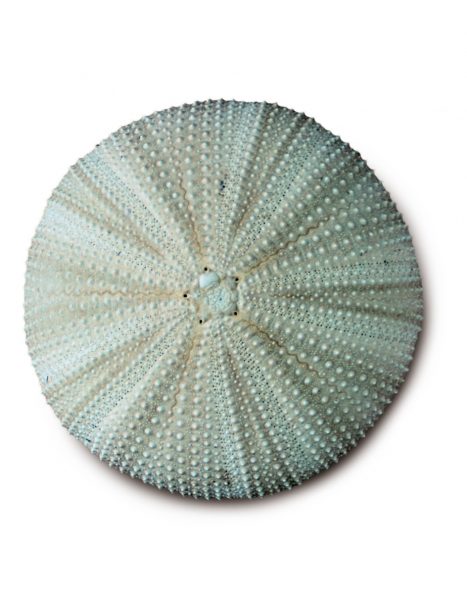
A brainless urchin is the model for an ingenious carbon capture and storage system
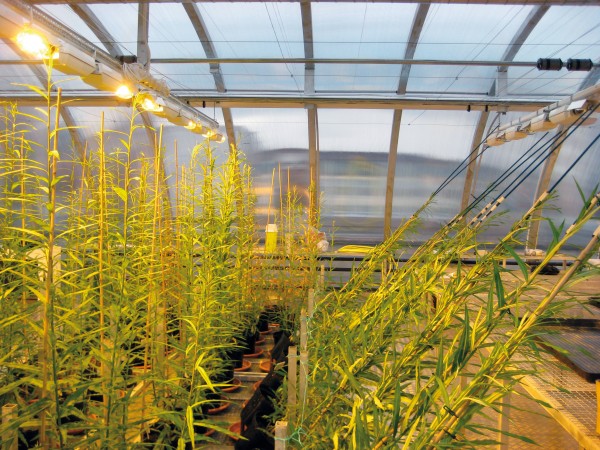
Stressed trees yield more fuel
Christine Winterbourn and the search for elusive molecules
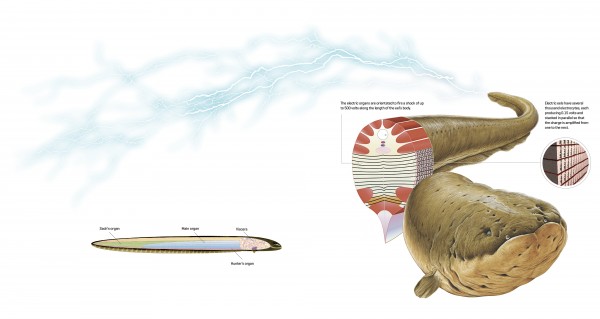
Electricity made you do it
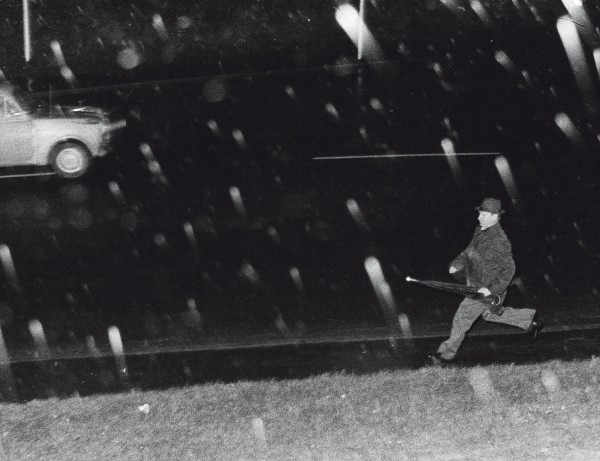
Archives New Zealand is an odd institution. Created to preserve the official records of the nation after a ‘wake-up’ fire in 1952 destroyed a swathe of government papers, it gives the impression of being run by an eccentric collector with the instincts of a magpie. Its holdings range from the priceless to the bizarre—from the 1835 Declaration of Independence, signed five years before the Treaty of Waitangi by 52 northern chiefs, to an axle (locked in the basement of Archives New Zealand’s Wellington headquarters) that may have been used to weigh down the body of murdered Harvey Crewe. Originally called the National Archives, it worth of cultural objects and articles of state that have helped to define us as a people. Not surprisingly, for a repository that contains both the paper wake of some 2,700 public offices and the flotsam of a high-revving consumer society, its physical scale is impressive—almost 100 kilometres of archives, 21,500 film reels, and thousands of photographs, journals and letters, as well as paintings, posters and assorted ephemera. And that is chiefly what differentiates the institution and gives its archives their charm. Unlike library or museum collections, there is no curatorial intent. The mission of preserving the entirety of state and public records for future use nets all manner of things that may otherwise have been discarded but which, at a distance, offer unique insights into who we are. Author Ray Waru has heroically rummaged among the shelves to gather the sort of stories that put flesh on the bones of history. The result is Secrets & Treasures, an attractively illustrated 384-page book whose photography—by Archives New Zealand photographer David Sanderson—goes a long way to bringing the archives to life. Naturally, many of the objects reflect a seriousness of purpose. The country’s founding document, the precious and controversial Treaty of Waitangi, of course. And the collection’s oldest piece of paper: a humble letter of instruction from Captain James Cook to Lieutenant Charles Clerke of the Discovery, written at the outset of Cook’s fateful voyage on July 10, 1776. Two books recording the names of the first settlers in the two provinces that New Zealand was originally divided into—New Ulster and New Munster. The 1893 women’s suffrage petition—a massive roll some 275 metres long and bearing more than 25,000 signatures that was dramatically unrolled on the floor of Parliament. Items, too, that have about them an air of tragic inevitability: painful divorce documents, and casualty lists from Passchendaele. The ragged battle flag of Maori renegade and prophet Te Kooti; the tapes (never to be released) that record the horrific final moments of Air New Zealand flight TE901 before it hit Mt Erebus in 1979. Poll tax documents detailing the racially motivated border charge on Chinese immigrants—just one of many discriminatory measures they were obliged to endure. (To its shame, New Zealand was the last country in the world to abolish such a levy.) But the archives also contain much that is unexpected. Patent registration No. 8349, for example, which was awarded to manufacturer William Hatton on March 14, 1896, for “a confection, to be called ‘Hokey Pokey’”. A grainy photograph, superbly composed, in which supposed KGB agent Dmitri Razgovorov flees through rain along a Wellington street. The Russian had several times been observed meeting William Sutch, a former public servant, who in a sensational trial was accused of spying. Sutch was acquitted, only to die six months later. Then there is Project Seal, the highly secretive wartime experiments off the Whangaparaoa Peninsula, north of Auckland, in which boffins attempted to perfect a ‘tsunami bomb’. Ironically, elsewhere in the archives is a series of aerial photographs of coastal locations taken 20 years later. They are part of a survey of possible sites in New Zealand for nuclear power plants. The Nuclear Power Siting Committee liked the look of Oyster Point on the Kaipara Harbour. A.V. Hatrick, of the Ministry of Works and Development, scoured Europe for information on nuclear energy and even sought out turnkey reactors. The archive has his reports and travel records. “When it comes to New Zealand’s history, Archives New Zealand has the real oil, the untarnished evidence on what has gone before,” writes chief archivist Greg Goulding in the book’s preface. “What the archives tell us is not always comfortable to learn. The record of how we have behaved as a nation and as a society may surprise and in some cases sadden...” This is no bad thing, says Goulding. In fact, it is the mark of any national archive worth its storage cost.
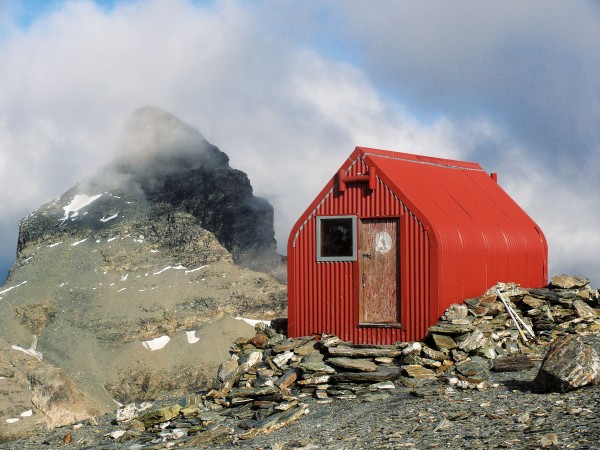
Trampers, mountaineers and explorers alike have sought shelter within the wooden and iron frames of the nationwide network of backcountry huts for nearly 200 years. Shelter from the Storm details the stories behind these remote abodes. Huts were often built from corrugated iron and whatever materials could be scavenged from the site. In Bealey Spur Hut (right), in Arthur’s Pass National Park, beech saplings were felled for framing. Each hut was a feat of ingenuity and energy. Farmers, miners, clubs and government entities were spared the back-breaking burden when materials were air-dropped to sites in the 1940s. In 1951, a team of 16 assembled 109 air-lifted bundles to build the original Esquilant Bivouac, high on Mt Earnslaw. The hut was rebuilt in 1989 (opposite) after climber Darren Hawes, 18, fell from nearby Leary Peak. It was tragedy, too, that decided the site of Tarn Ridge Hut II (top) in Tararua Forest Park. It replaced a leaky older hut built after Carterton hunter Basil Blatchford perished attempting to make the crossing in “atrocious conditions”. A nearby wooden cross still marks his grave, a standing testament to the power of inclement weather and the value of strategically located huts.
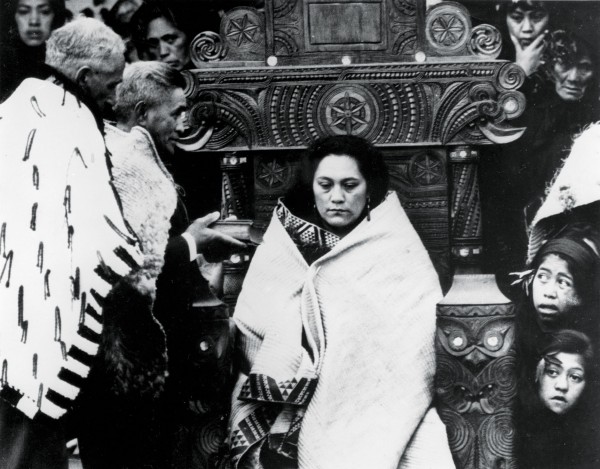
Maoridom gains a queen.
Loading..

3
$1 trial for two weeks, thereafter $8.50 every two months, cancel any time
Already a subscriber? Sign in
Signed in as . Sign out

Ask your librarian to subscribe to this service next year. Alternatively, use a home network and buy a digital subscription—just $1/week...

Subscribe to our free newsletter for news and prizes