How spiders use electricity to fly
Small spiders have been found up to four kilometres high in the atmosphere and more than 1500 kilometres out to sea.


Small spiders have been found up to four kilometres high in the atmosphere and more than 1500 kilometres out to sea.

A new record has been set for the longest dive by an emperor penguin. In a study led by NIWA marine ecologist Kim Goetz during the penguin breeding season, 20 birds that hadn’t paired up were tagged and tracked in the eastern Ross Sea. These birds dived 96,000 times over six months, and while most dives were around the five-minute mark, one lasted a record-breaking 32.2 minutes. (Previously, the longest dive was 27.6 minutes.) Penguins dive in order to catch fish, krill and squid, and the study found they dived deeper and longer during the day and at twilight, consistent with using eyesight to hunt.
Some of the first Antarctic explorers had four legs.
At least 14 gas-rich galaxies have been discovered on the verge of merging, according to a study published in Nature—and the authors say this is the most massive structure in the Universe. Called SPT2349-56, this cluster lies about 12.4 billion light-years away. Within each galaxy forming it, stars are growing 50 to 1000 times faster than they are in the Milky Way. But the cluster takes up a space only three times bigger than the Milky Way—a density which means all 14 galaxies will be forced to quickly merge into one ‘mega-galaxy’, says study author Scott Chapman. Further data from the Atacama Large Millimeter Array in northern Chile shows these 14 galaxies are just the beginning—there are even more galaxies close by.
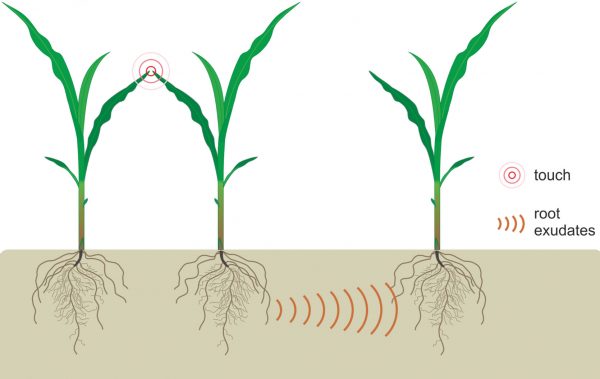
Plants are social beings. When leaves from different plants touch each other, their roots send out signals, telling the other plant to get lost. New research from the Swedish University of Agricultural Sciences, published in PLOS One in May, found that maize seedlings whose leaves were touched give off chemicals via their roots, which cause non-touched maize seedlings to grow away from them. Study co-author Velemir Ninkovic says the chemicals signal a crowded environment, so other plants choose environments with less competition and therefore more resources. Later on, seedlings exposed to these root chemicals also grow more leaves—a typical plant response to avoid being left in the shade.
If an ecosystem has been severely damaged, can it recover? Almost never, according to a new study—even when active restoration takes place. Researchers from Northern Illinois University looked at 400 studies of ecosystems worldwide that had been destroyed or damaged by logging, mining, oil spills, agriculture, or nutrient pollution. Human-driven restoration didn’t speed up their recovery, or restore biodiversity any better than simply leaving areas to recover on their own. The study’s authors say their research reinforces the need to conserve intact ecosystems, because disturbed ones take such a long time to recover, and never return to their previous state.
One hundred years ago, an influenza pandemic tore across the world, infecting 500 million people, and killing between 50 and 100 million—between three and five per cent of the world’s population. But it wasn’t equally lethal everywhere it visited. In Tasmania, less than 0.1 per cent of the population succumbed, while Western Samoa saw a mortality rate of 22 per cent. Why the disparity? A study by New Zealand and Australian researchers, published in The Lancet Infectious Diseases in May, suggests that prior exposure to a non-lethal flu virus, social isolation, and ethnic immune systems are some of the factors. Māori were 10 times as likely as pākehā to die from the flu. Study co-author Nick Wilson, a professor of public health at the University of Otago, says this was likely due to higher rates of poverty and thus more crowded living conditions. Because a greater proportion of Māori lived rurally, earlier waves of the virus, which arrived before November 1918, might not have reached them to give them increased immunity. Mysteriously, Māori men and women were affected equally. (In all other populations, more men died from the flu than women.) Wilson says Samoa was also unusual in that the flu spread fastest through the highest social class. “This was because in Samoan culture, when a chief was sick, a lot of people would gather round him to transfer oral knowledge to the next generation—customs such as this would have increased spread.” He says this level of global mortality from a virus is unlikely to ever happen again. “The world is so interconnected that almost everyone gets exposed to most flu viruses within a few years, as opposed to in the sailing and steamship days when populations could go decades without seeing a particular virus.” The main cause of death during the 1918 pandemic wasn’t the flu itself, but the bacterial pneumonia that followed it. These days, it could be treated with antibiotics.
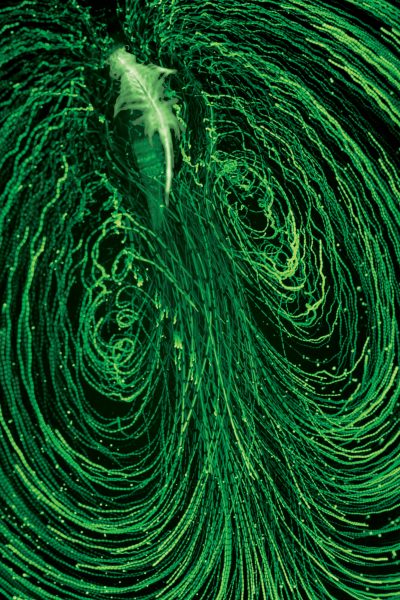
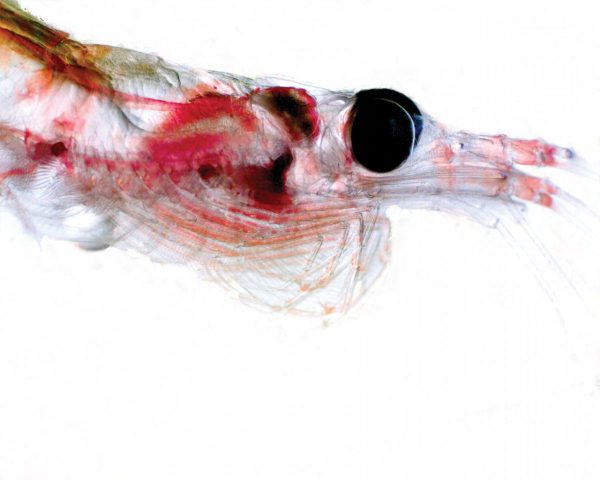
A one-centimetre-long shrimp can’t create an ocean current when it swims, but en masse, these tiny creatures could be contributing to ocean mixing. A Stanford University study published in Nature watched brine shrimp, Artemia salina, as they swam in a tank. When they swim upwards, as a band just 50 centimetres deep, their wake mixes the water 1000 times more than it would mix naturally. Ocean krill are five times the length of brine shrimp, and twice a day they vertically swim hundreds of metres as a group in a band tens of metres deep—which the authors say means the krills’ downward jets could have a collective effect on ocean mixing.
The oldest ‘true’ baleen whale fossil ever found, at more than 27.5 million years old, was excavated about 30 years ago from a dairy farm at Hakataramea in South Canterbury. In April, it was finally named: Toipahautea waitaki, which translates to ‘baleen origin whale of the Waitaki region’. The University of Otago’s Māori Affairs department and Ngāi Tāhu were consulted for help with the name. Many New Zealand species’ Linnaean names carry te reo in part or in full. However, University of Waikato associate professor Hēmi Whaanga says while it’s important te reo is used, care must be taken because naming is often done without consultation with local iwi. “It’s a respect thing—we need to consider the names we plan to use might be sacred, refer to history, genealogy, places, events. Using them in another context can confuse people on the true meaning, or it may be culturally inappropriate to use that name.” Name blunders of the past include the hybrid te reo-Latin Taniwhasaurus oweni, a mosasaur named in 1874. Using te reo in Linnaean naming still desperately needs protocol, says Whaanga: “Once it’s named, you can’t change it.”
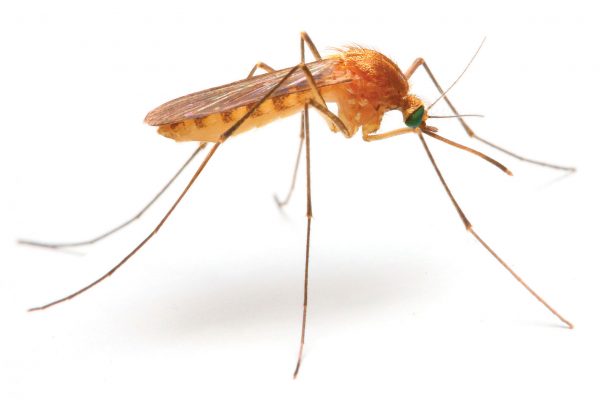
An old tool that has been used for decades to determine which chemicals are in foods, the human body and pharmaceuticals could now be used to see if a mosquito is carrying the Zika virus. The microcephaly-causing virus has spread by mosquito into many new countries in recent years, including Fiji, Samoa and Tonga. A major challenge in monitoring the situation has been the lack of fast, affordable tests. Currently, genetic material is analysed for the virus using the reverse transcription polymerase chain reaction (RT-qPCR). But a study published in Science Advances has found that near-infrared spectroscopy (NIRS) predicts Zika with between 94.2 and 99.3 per cent accuracy. NIRS simply involves shining a light at the head and thorax of the mosquito to read the chemical compounds within. It’s 18 times faster and 116 times cheaper than RT-qPCR, with no need for dissections or reagents.
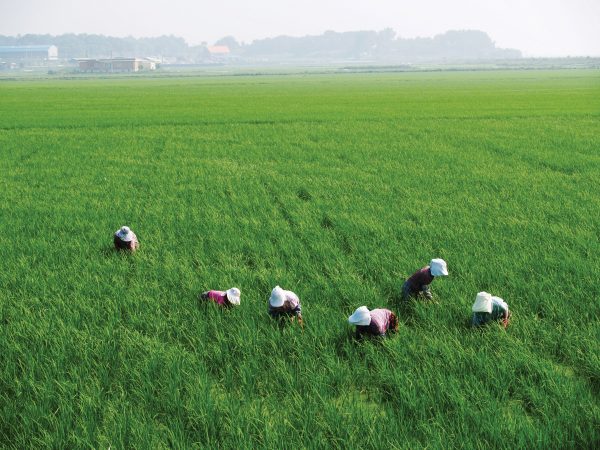
Climate change will affect the nutritional composition of rice for the worse, according to a study which grew rice plants under different carbon dioxide levels. The research, published in Science Advances in May, found that simulating atmospheric carbon dioxide levels predicted at the end of the century (570 parts per million, compared with the current 410) resulted in a grain with lower levels of protein, iron and zinc, as well as lower levels of the vitamins B1, B2, B5 and B9. More than two billion people depend on rice as their primary food source.
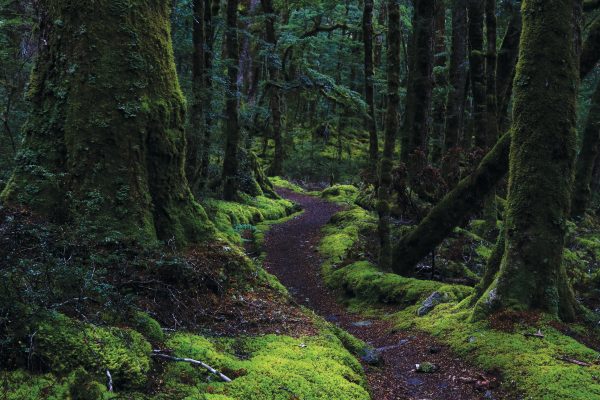
Moa may have been key to the spread of beech forests because they ate and spread native fungi essential for the trees’ growth. A group from the University of Adelaide and Landcare Research in New Zealand studied fossilised moa dung from eight cave sites in Otago and northwest of Nelson. In the dung of upland and giant moa, which were generalist browsers of the forest floor, they found the DNA of mycorrhizal fungi, a range of species of bright, truffle-like soil organisms critical for the healthy growth of beech forests. Introduced mammals such as deer and possums eat both native and non-native fungal fruits and spread the spores in their dung—but native fungi don’t survive a trip through the mammalian gut. Rather, they evolved for the gentler gut of a bird. Study author Alex Boast says the extinction of the moa may have affected the ability of the trees and their companion fungi to colonise new areas. Beech seeds need the right fungi in the soil, otherwise their expansion is limited to very slow growth outwards from the edges of existing forests.
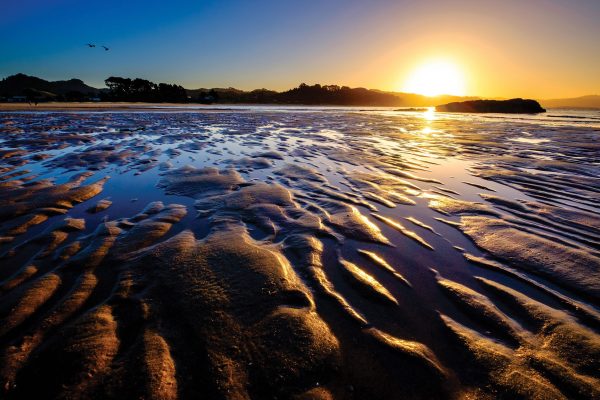
During the summer just gone, which was New Zealand’s warmest on record, our oceans experienced an unprecedented marine heatwave. Across the region, waters were 1.5°C above average, while some coastal areas were up to 6°C higher than normal. Several factors contributed to the sustained hot weather—which peaked three times, in mid-December, late January, and mid-to-late February. Patterns of high pressure stayed put over the Tasman Sea and New Zealand, while a La Niña continuously brought warm north-easterly winds. The Southern Annular Mode, a patch of low pressure near Antarctica, was in its positive phase, limiting southerly winds and stormy weather. It’s the most unusual warmth on record for the Tasman Sea, says Ben Noll, a meteorologist at NIWA. “At one point it represented some of the most unusually warm waters in the world,” he says. “It doesn’t mean that marine heatwaves will become a Kiwi summer fixture. In fact, the chance for such a set of climate circumstances to come together again in the near future is quite low.” While this particular alignment of weather events is rare, around the world, the number, length and intensity of marine heatwaves are increasing. According to a study published in Nature Communications in April, there was a 54 per cent increase in the number of marine heatwave days per year between 1925 and 2016. The frequency of heatwaves had increased by 34 per cent and their length by 17 per cent. To determine this, researchers combined satellite data with century-long datasets collected by ships and measuring stations. Then they removed natural fluctuations in weather, such as the influences of the El Niño Southern Oscillation (ENSO), the Pacific Decadal Oscillation and the Atlantic Multidecadal Oscillation. Marine heatwaves can disrupt the balance of ecosystems—and even when temperatures return to normal, changes remain. A heatwave in Western Australia in 2011 shifted ecosystems dominated by kelp to those dominated by seaweed, and the switch remained after the weather cooled. Heatwaves in the northern Pacific from 2014-2016 led to algal blooms, fishery closures, strandings of marine mammals, and changes to typical weather patterns in the Pacific Northwest. Now that scientists have determined the frequency of oceanic temperature shifts, “the next key stage for our research is to quantify exactly how much they may change”, says co-author Neil Holbrook from the University of Tasmania.
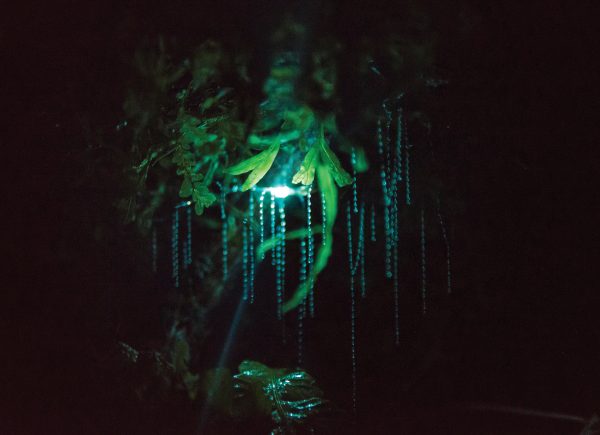
For a long time, no one knew. But after a multi-year study, published in February in Scientific Reports, researchers at the University of Otago have finally figured out what produces New Zealand glowworms’ bioluminescent lures. The glow is the result of a chemical reaction taking place in enzymes called luciferases. This is the same process that fireflies and other glowing creatures use to make their light, but New Zealand glowworms use a chemical that’s different from that of other bioluminescent organisms. This chemical, called a luciferin, could be useful in medical biotechnology, says one of the study’s authors, biochemist Kurt Krause. “For instance, the light-generation taking place in the glowworm’s ‘taillight’ could potentially be used in the laboratory to monitor cancer cells to help identify infectious diseases.”
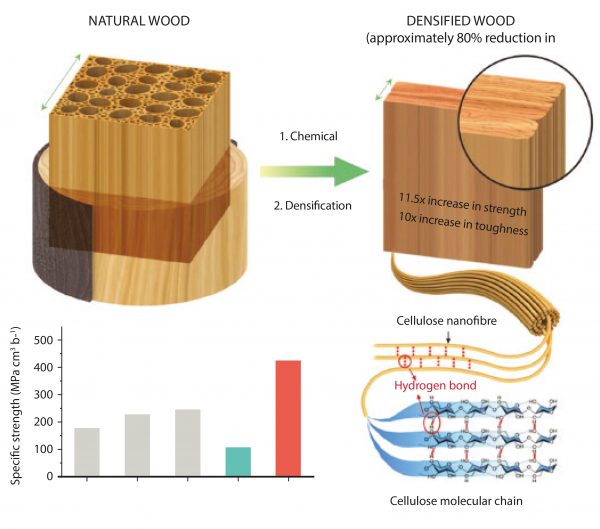
Materials that are both strong and tough are difficult to find in nature, but a team from the University of Maryland has succeeded in ‘densifying’ wood to make it stronger than steel—but six times lighter. The process involves boiling natural wood in sodium hydroxide and sodium sulphite, then heating and compressing it. This removes some of the polymers within the wood, allowing its internal structure to change, while retaining polymers that contribute to strength. The change in strength is largely due to the number of hydrogen atoms bonding with cellulose nanofibre within the wood. In a study published in Nature in February, the researchers say this ‘super wood’ is 10 times stronger, and 12 times tougher, than natural wood. Projectiles fired at it did not pierce or shatter it, making it potentially useful for armour, buildings and vehicles. “This could be a competitor to steel or even titanium alloy,” says senior researcher Liangbing Hu. “It’s also comparable to carbon fibre, but much less expensive.”
Antarctic krill are grinding microplastics into nanoplastics—something never seen before in a planktonic crustacean. Researchers from Griffith University in Queensland fed Antarctic krill a diet of microplastics and algae and found they used their stomachs and gastric mills to digest the microplastic bead, making it up to 94 per cent smaller. Lead researcher Amanda Dawson says it’s not yet clear how damaging this could be to an ecosystem. On one hand, creating nanoplastics in the stomachs of krill may increase the chance of toxic effects to the crustaceans and to their predators. But on the other hand, accelerating the breakdown of plastics may shorten the lifecycle of plastic particles.
People who vote for the same party or follow the same group regard each other as intelligent and hard-working, and see those who vote for different parties or belong to different groups as brainwashed and incompetent, according to research published in Political Psychology. Moreover, these attitudes exist no matter which side a person is on. Study participants described people who had the same opinions as them, or ‘ingroup followers’, as lions, wolves, tigers or dolphins—while ‘outgroup followers’ were depicted as sheep, snakes, hyenas or lemmings. Critically, participants thought ingroup followers were best influenced by persuasion, and outgroup followers by coercion. The authors of the study warn against assuming that “the followers of political outgroups are merely sheep who will only respond to coercion—not least because, from their perspective, the opposite is likely to be true”.
Getting older doesn’t affect all parts of the brain equally—a study published in Neuron in March demonstrated some types of memory are more vulnerable to damage and disease than others. Young adults (aged 18–31) and older adults (aged 64–89) completed memory tasks while their brain activity was observed in an fMRI scanner. The older group struggled to remember whether an object was different from a similar object they’d been shown previously, but they were more successful at remembering whether the location of an object had changed. The object-recognition neural path is in an area known to be affected by Alzheimer’s disease, but the part of the brain associated with spatial memory is in a different area, which is thought to be unaffected by ageing.
Having a good time—not a long time—with grandparents may be the most important factor in a child not being ageist, or discriminatory against older people. The study of 1151 children aged 7–16 was conducted in Belgium and published in Child Development. The quality of time spent with grandparents, where children were happy, was much more influential than the quantity of time. The children who spent quality time at least once a week were the least ageist of all. There were three other factors that made children less likely to discriminate against older people: being aged 10–12 (those aged 7–9 expressed the most prejudice), being a girl, and the grandparents being in good health.
Australia’s indigenous languages contain a mystery. One language family dominates: more than three-quarters of the country’s close to 400 indigenous languages belong to the Pama-Nyungan family. At some point, this language family swept across the country—it’s spoken in 90 per cent of the continent—but when did that happen, and why? New Zealand and United States researchers adapted computer models developed to track virus outbreaks, and used them to trace the language’s family tree by mapping the history of cognates, or similar words in related languages. The study, published in Nature Ecology & Evolution in March, found that the Pama-Nyungan language family originated in an area of northern Australia 5700 years ago—not 50,000 years ago, as one theory went. But the mystery remains as to why it spread so thoroughly. Languages are known to expand through migration and technological advances, such as the development of agriculture, but the Pama-Nyungan family shows that large-scale language shifts can take place across hunter-gatherer societies.
Loading..

3
$1 trial for two weeks, thereafter $8.50 every two months, cancel any time
Already a subscriber? Sign in
Signed in as . Sign out

Ask your librarian to subscribe to this service next year. Alternatively, use a home network and buy a digital subscription—just $1/week...

Subscribe to our free newsletter for news and prizes