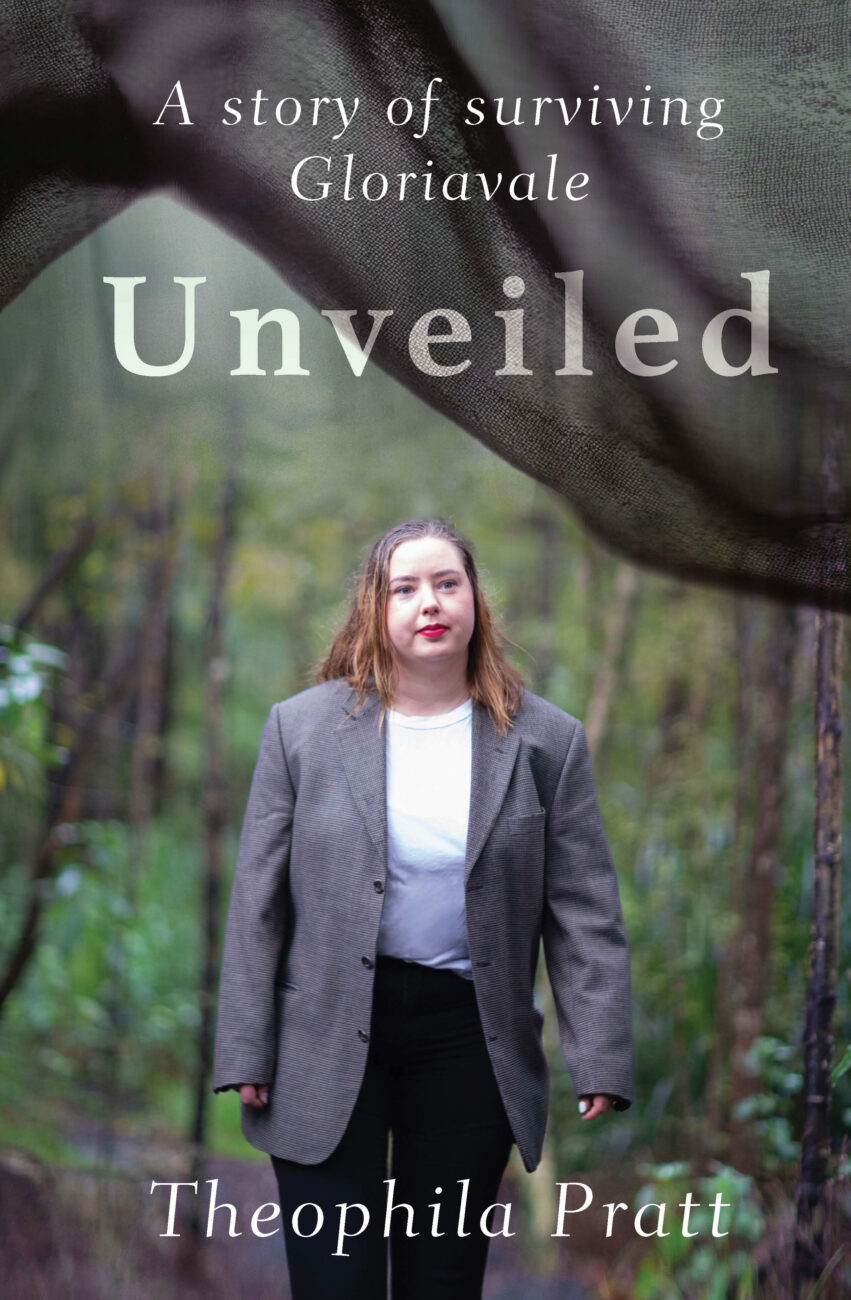
Unveiled: A story of surviving Gloriavale
Theophila Pratt, Bateman Books, $39.99
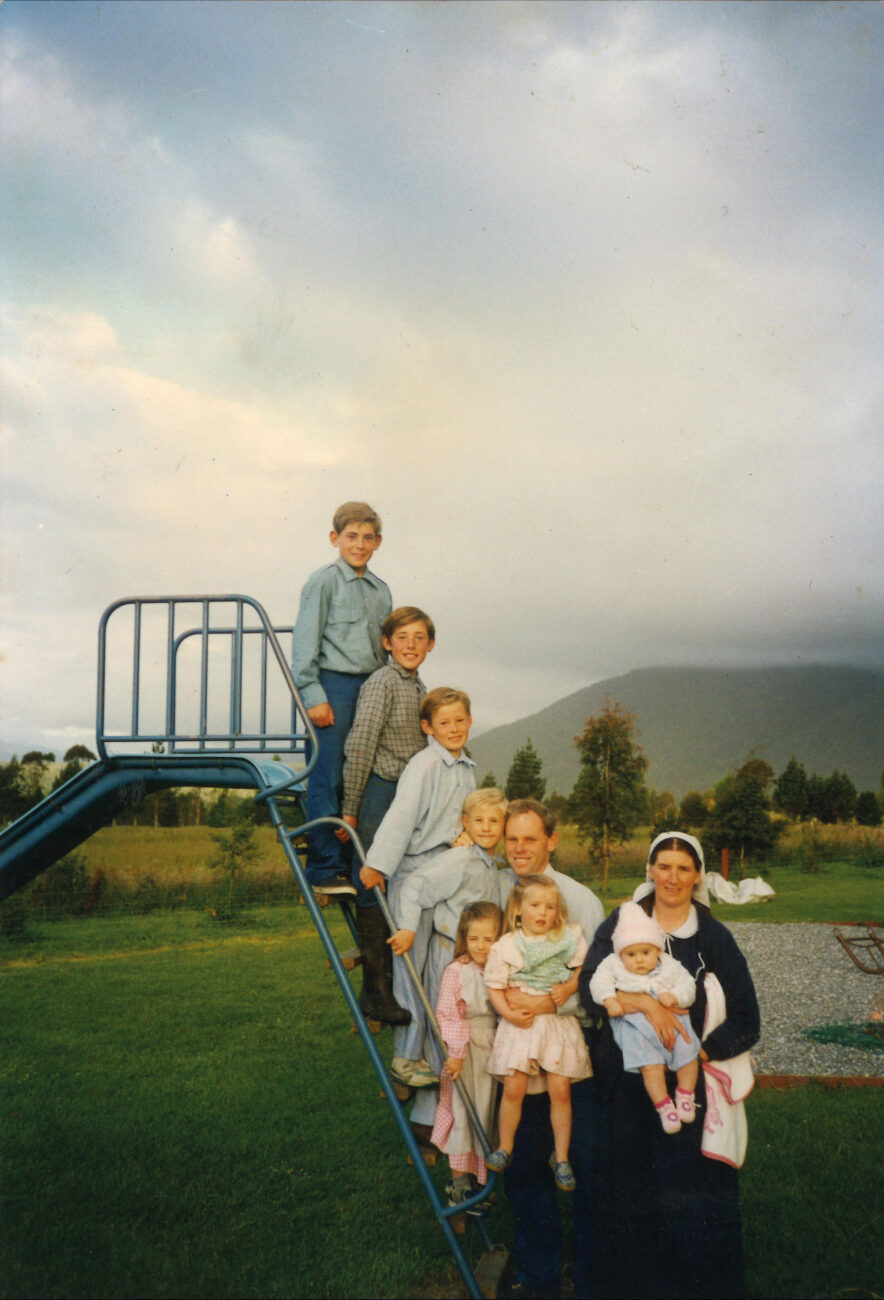
As a preschooler in Gloriavale Christian Community, near Greymouth, Theophila Pratt would hold picture books up to the light so she could see the words and illustrations that had been carefully whited out. When she was caught, she was smacked with a bat. But her curiosity didn’t flinch. As an older child, she did the same with her history and science books, and worked to unstick pages that had been deliberately glued together.
As she was trying, desperately, to learn about the world outside the cult, she was also trying to escape her daily realities. Girls in Gloriavale knew it was safest to stick to crowds. But married women had nowhere to go. Nights and mornings, her father would abuse her mother; the family slept in one room, and the sound carried to their eight children.
“The leaders knew exactly what was going on with my father, but they did nothing,” Pratt writes. “Well, nothing except tell my mother it was her fault.”
For years, the child’s early mornings were consumed by finding somewhere else to sleep: under a table in the dining room, a soft patch of fern in the bush.
She was sexually abused herself; she broke her leg and was left screaming on the ground for three hours, ignored; she started to have nightmares that she was being stabbed. She worked exhausting hours six days a week, cleaning and cooking and making cheese. She was often hungry. Most of all, she was angry.
At 18, the cult’s leaders asked her to sign their Declaration of Commitment. Pratt refused, and was evicted from the community.
Pratt, now an occupational therapist, has told parts of her story before, including for a feature story New Zealand Geographic published in 2019 (‘Departures’, Issue 155). In this book she supports her narrative with a slew of telling structural details: those in Gloriavale aren’t allowed to learn the days of the week or months of the year; basics such as toothpaste and shampoo are strictly rationed (and run out); in hostels of more than 100 people, men share two bathrooms while women share one.
Adjusting to life in Auckland, the young woman had one goal in mind: fly to India to visit her sister Precious, one of five New Zealand women sent to live in a miserable Gloriavale offshoot. The women were married to Indian men and have many children with no birth certificates or passports. After a “shocking” visit, Pratt is now working with immigration and human rights lawyer Deborah Manning to get them back to New Zealand.
Pratt is not mucking around. She lands the memoir with a series of powerful appendices, including stories from other women who left, a list of the criminal cases against men of Gloriavale (mostly for sexual abuse, many against children); a list of the lucrative companies the cult owns, and a page of helplines. For meaningful change to come about, Pratt concludes, Gloriavale must “lose their status as a charity, they need to pay tax, they need to face government scrutiny, and they need to send their kids to normal schools”.