We just dumped five billion litres of raw sewage into this ecosystem
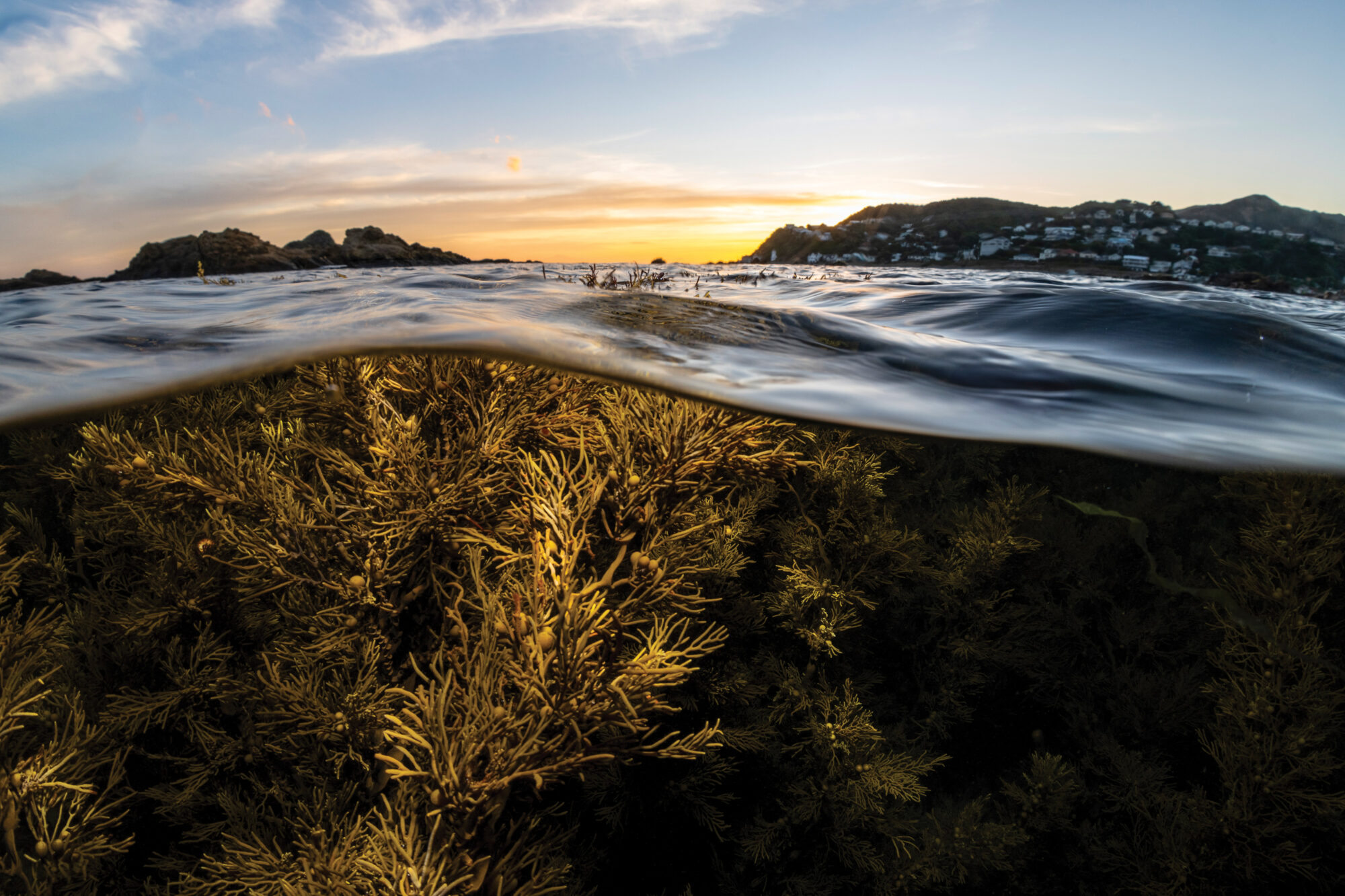
Marine ecologist Irene Middleton photographs one of her favourite dive spots, Wellington’s south coast. Astonishingly full of life, it’s now also the site of a massive, ongoing sewage spill.
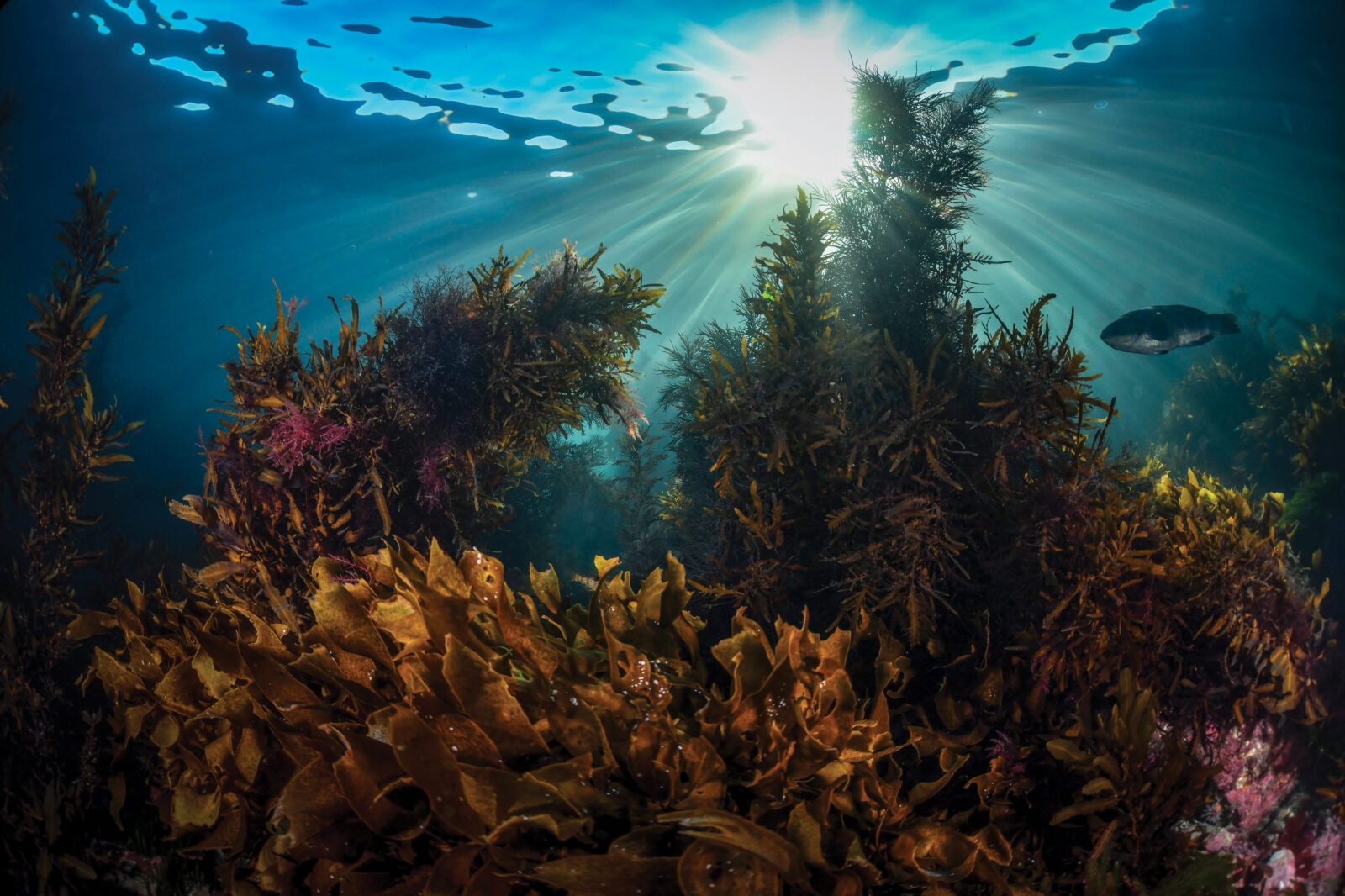
A typical Saturday, before the sewage treatment plant failed. Irene Middleton heads to the south coast, picking up a scuba tank from the dive shop on the way. She finds a bay that looks sheltered, gears up and walks into the water. Moments from the shore, spotties and wrasse and butterfish surround her. Pāua bigger than her hand. “That’s the beauty of diving in Wellington,” she says.
If the wind is up at one spot, she can simply pick another. In Lyall Bay are big stands of giant kelp. Ōwhiro Bay has two wrecks to explore. Across from the dive shop there’s a spot called Mermaid’s Kitchen, where a reef forms maze-like passages. Around the corner, on the eastern side of the Miramar Peninsula, Middleton can go muck diving, looking for creatures that live in soft sediment: bobtail squid at Scorching Bay, seahorses at Māhanga Bay. Sometimes, she skips the dive tank altogether and simply follows the Island Bay Snorkel Trail along the coast until she finds an octopus or a violently coloured nudibranch. It’s a big change from the Tūtūkākā Coast, where she used to live. “In Northland, realistically, for a good dive, you always have to have a boat.”
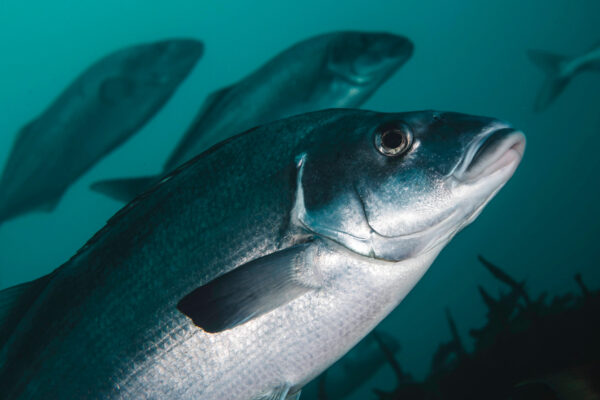
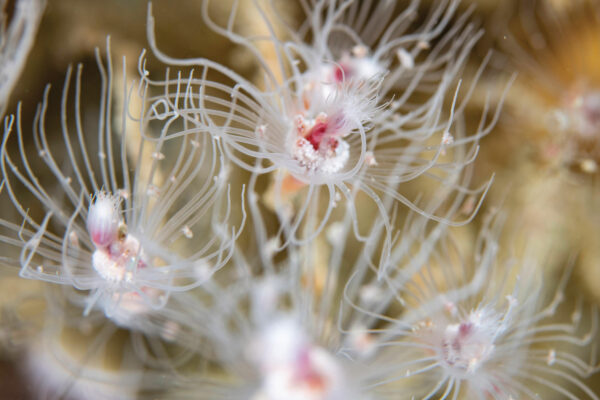
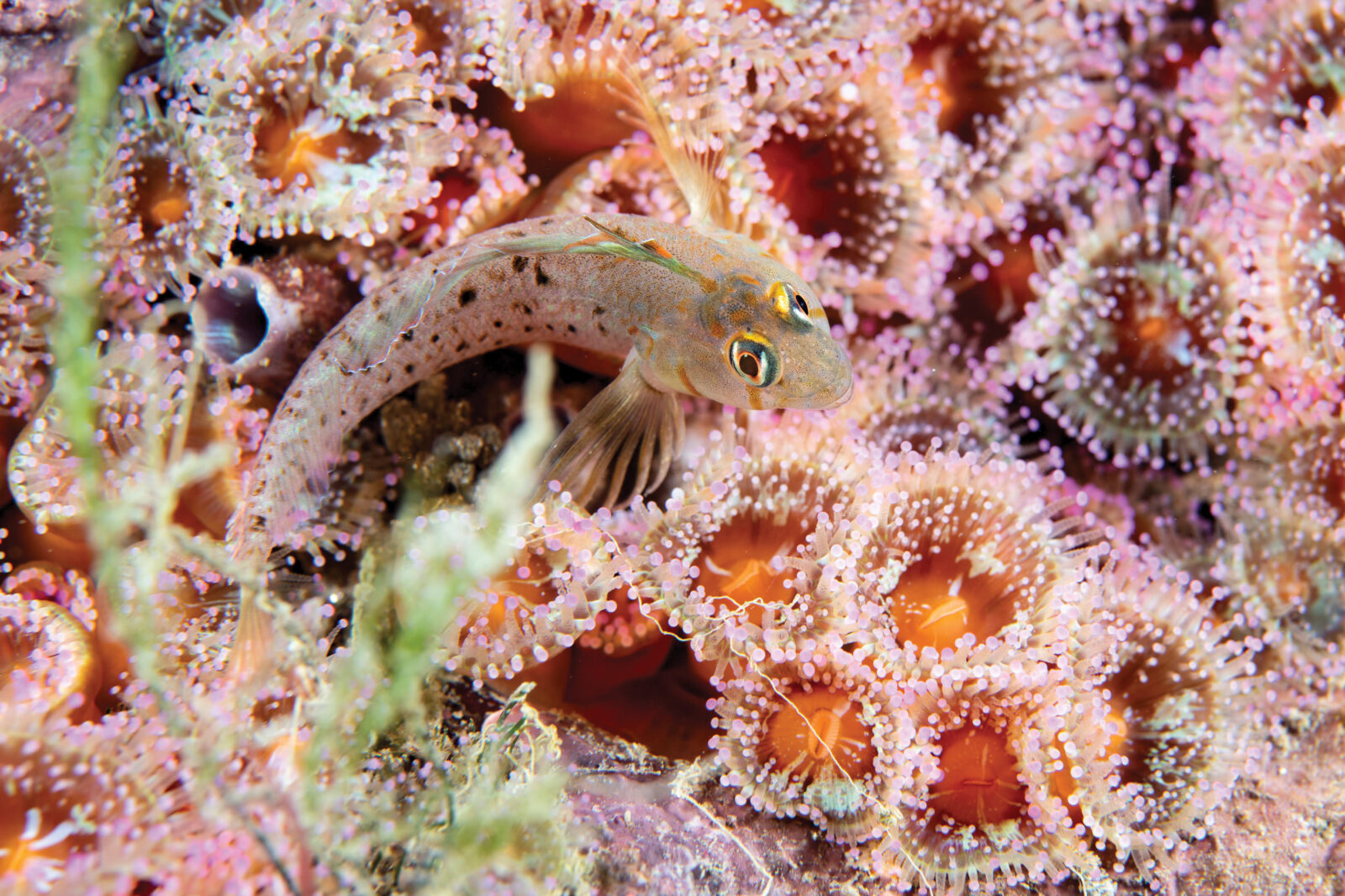
And if all else fails, she heads west. “You can go up to Mākara and in three metres of water have similar jewel anemones that you find on the Rainbow Warrior. That one blew my mind. I was, like, ‘What the hell are these doing here?’”
That’s because Wellington’s south coast is a unique spot, says Victoria University marine biologist Christopher Cornwall. Big southerlies followed by calmer northerlies stir everything up and bring marine life to settle unusually close to shore.
Which makes the ongoing sewage spill in the middle of it even more of a blow.
On February 4, the Moa Point Treatment Plant flooded during heavy rain and began spilling raw sewage into Tarakena Bay at a rate of 70 million litres a day. (To put this amount into proportion: you’d have to leave your shower running continuously for 11 years in order to get through 70 million litres.)
As this issue went to print, untreated sewage was continuing to flow from the plant’s long outfall pipe. This discharges about a kilometre from the border of the Taputeranga Marine Reserve, which spans almost four kilometres of coastline as the seagull flies.
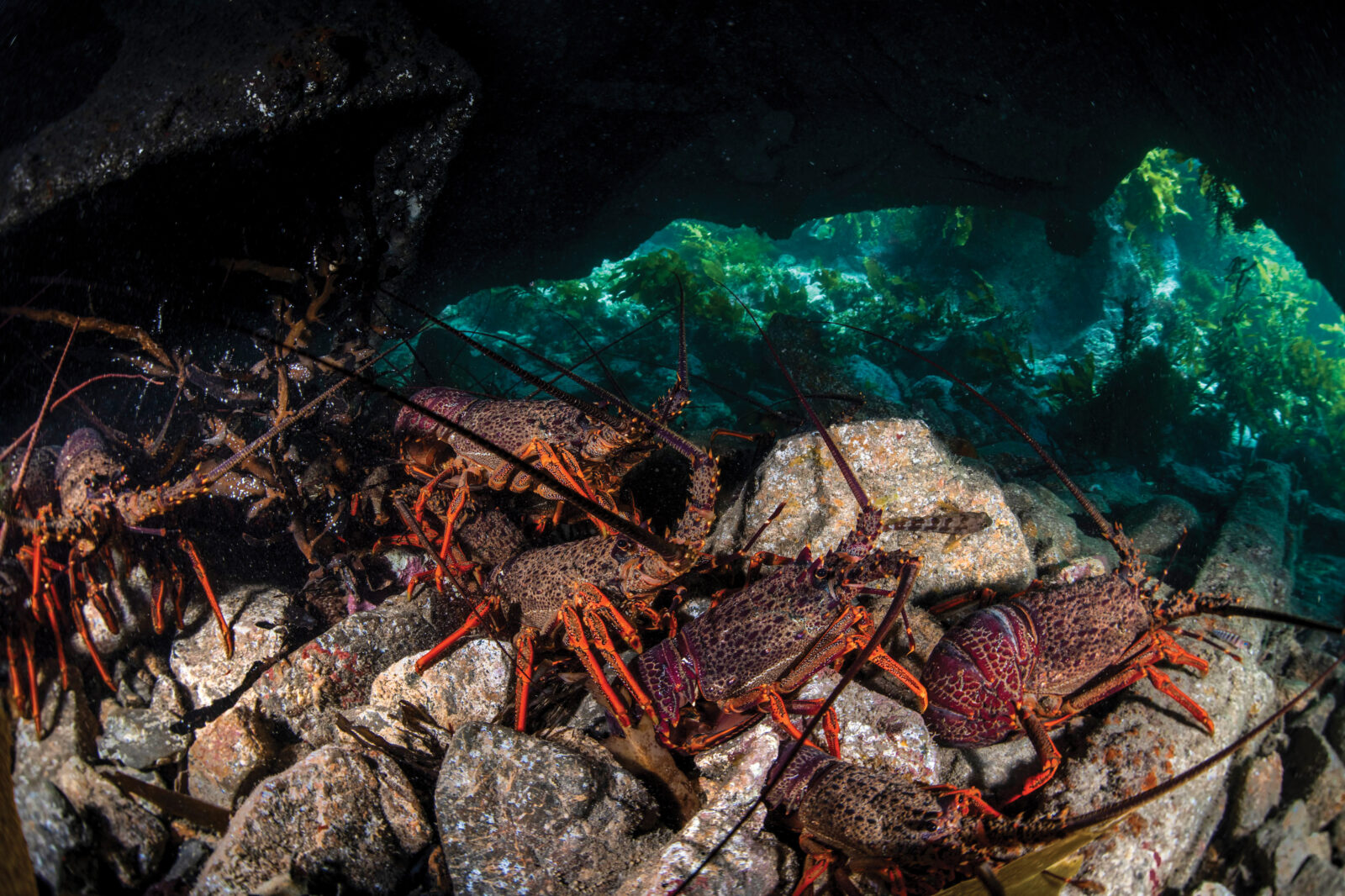
“Within that reserve, you can see the effects of protection visually,” says Cornwall. “You can see huge legal-size pāua inside the reserve. Not much outside. Same thing with crayfish and a range of finfish species like butterfish, moki, blue cod. You have a really high diversity of seaweeds, sponges, other marine invertebrates—so it is a really cool habitat.”
Middleton’s first dive on moving to Wellington was in the marine reserve, by night. “And there were literally so many crayfish that it almost felt a little bit overwhelming, like you couldn’t put your hand down anywhere because there were crayfish on the kelp and on the sea floor and on the walls around you. It’s just crazy, the amount of life in that reserve.”
Modelling of the sewage plume over time shows it being pushed and pulled up and down the coast, through the reserve, by the same wave and wind dynamics that foster the area’s sea life.
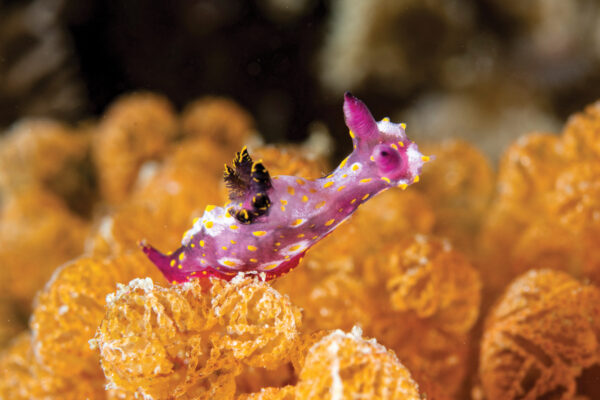
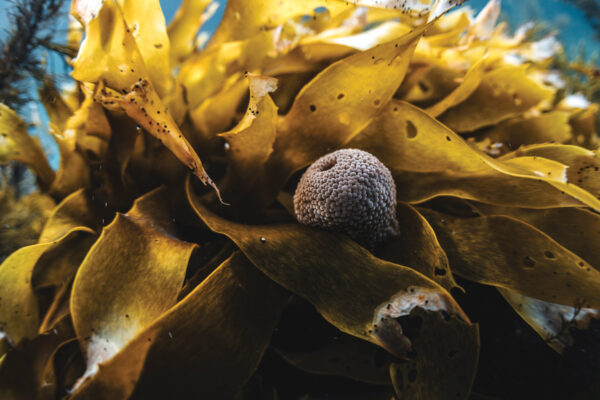
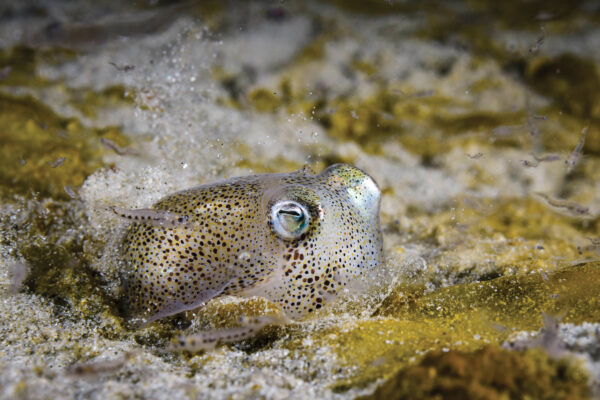
There isn’t a great deal of research on what the impact of 70 million litres of sewage a day has on marine ecosystems, but Cornwall can look to a handful of historical examples. “San Diego had a similar problem back in the ’50s and it killed off large areas of kelp forest there. So it is possible that this will start to happen here.”
That kelp acts as both nursery and shelter for marine life, he says. Sewage is full of nitrogen, which can make one type of alga, bright-green ulva, grow out of proportion and smother kelp.
Middleton normally dives every week, but after the spill, it took a bit more than a month before she got back in the water. When she did, she was surprised to notice not much difference. That’s to be expected, says Cornwall: the effects of a spill like this one are likely to be invisible. But all that untreated sewage will be changing the microbiomes of organisms, he says. “Things like seaweed blades, insides of sponges, and other invertebrates have microbiomes. Your gut health, for example, is dominated by your microbiome. It’s the same for seaweeds and sponges.”
In mid April, the estimated volume of sewage discharged into this spot ticked past five billion litres. A permanent fix is still likely months away.
Today, there’s still an unpleasant smell along the coast, still the odd tampon washed up around Moa Point. Cornwall is getting ready for his first sampling foray since the spill began, but he isn’t expecting to detect any changes straight away. The ramifications of an event as big as this will probably take time to unfold.
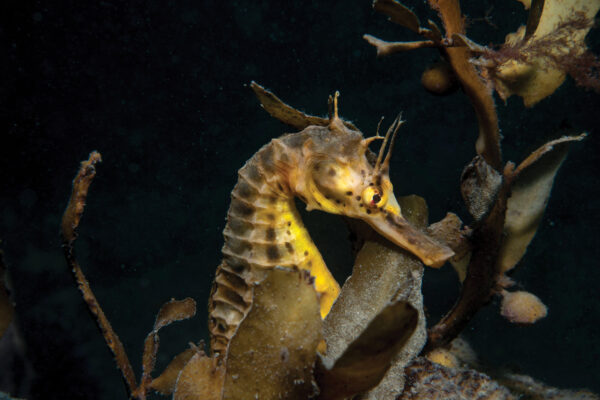
Meanwhile, Middleton keeps an eye on water-quality data, avoiding the plume of sewage in its constant flux up and down the coast. A couple of weeks before the flash floods poured sediment into the sea, she went looking for seahorses in Kau Bay. She found three.