Let’s find a mate for Ned
One in 40,000 snails have the spiral on the left side of the shell, and they can only mate with other lefties. Can you help Ned find true love?
One ordinary Wednesday afternoon in August, illustrator Giselle Clarkson was weeding in her Wairarapa garden when a snail tumbled into the dirt. Being a softy, she went to move it to another patch of garden. But the most uncanny feeling came over her. “Something looked off. It was weird… For a second, I wondered if it was a different species or something.”
Abruptly, she clicked. This was a left-spiralling snail. Clarkson had been looking for one of these little miracles for years. “I was immediately terrified I’d crushed it,” she says. She ripped her gloves off, gave the snail a careful clean-up, and made a home for it in a fishbowl. Eventually, the snail poked its head out of its shell, and Clarkson could breathe again. She named her new friend Ned, after The Simpsons’ guileless lefty Ned Flanders.
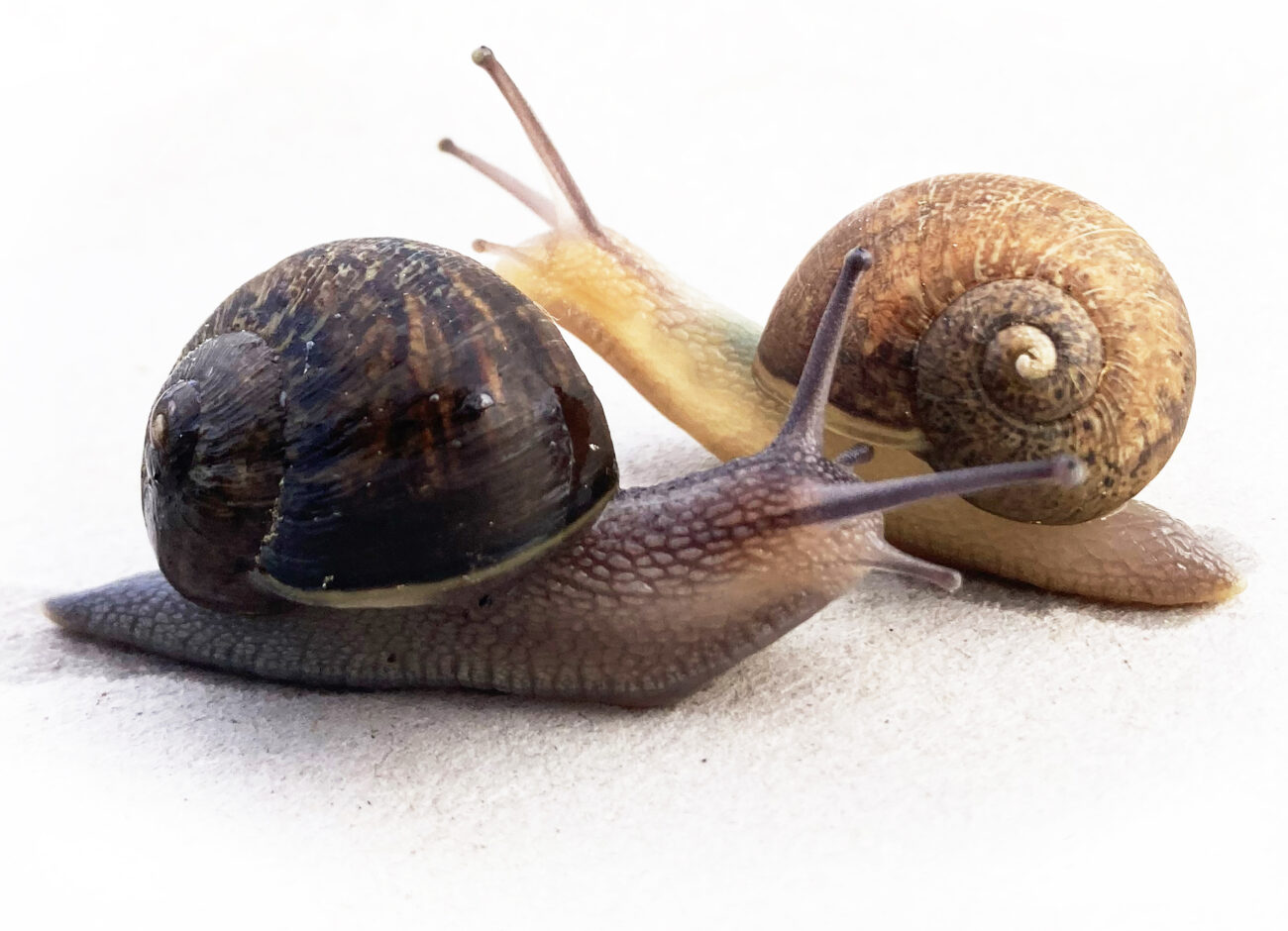
Clarkson found Ned a companion—a garden-variety right-spiralling snail—took a photo, and burst into NZGeo’s WhatsApp group chat. GUYS she typed, GUYS.
Kate Evans, who has written for us about such things as ‘lateralisation’ immediately erupted into exclamation marks. Only one in every 40,000 snails has a spiral on this side of its shell. That makes Clarkson’s snail very cool, but also dooms it to a chaste and sterile life: the position of its reproductive organs means it will only be able to mate if it finds another, super-rare, flipped snail.
Snails are hermaphrodites—having both male and female sex organs positioned conveniently on the side of their heads. (“It’s neither, it’s both, it’s everything,” says Clarkson.) Hooking up works just fine for right-handed snails, but it appears to be impossible for a righty and a lefty to get it on.
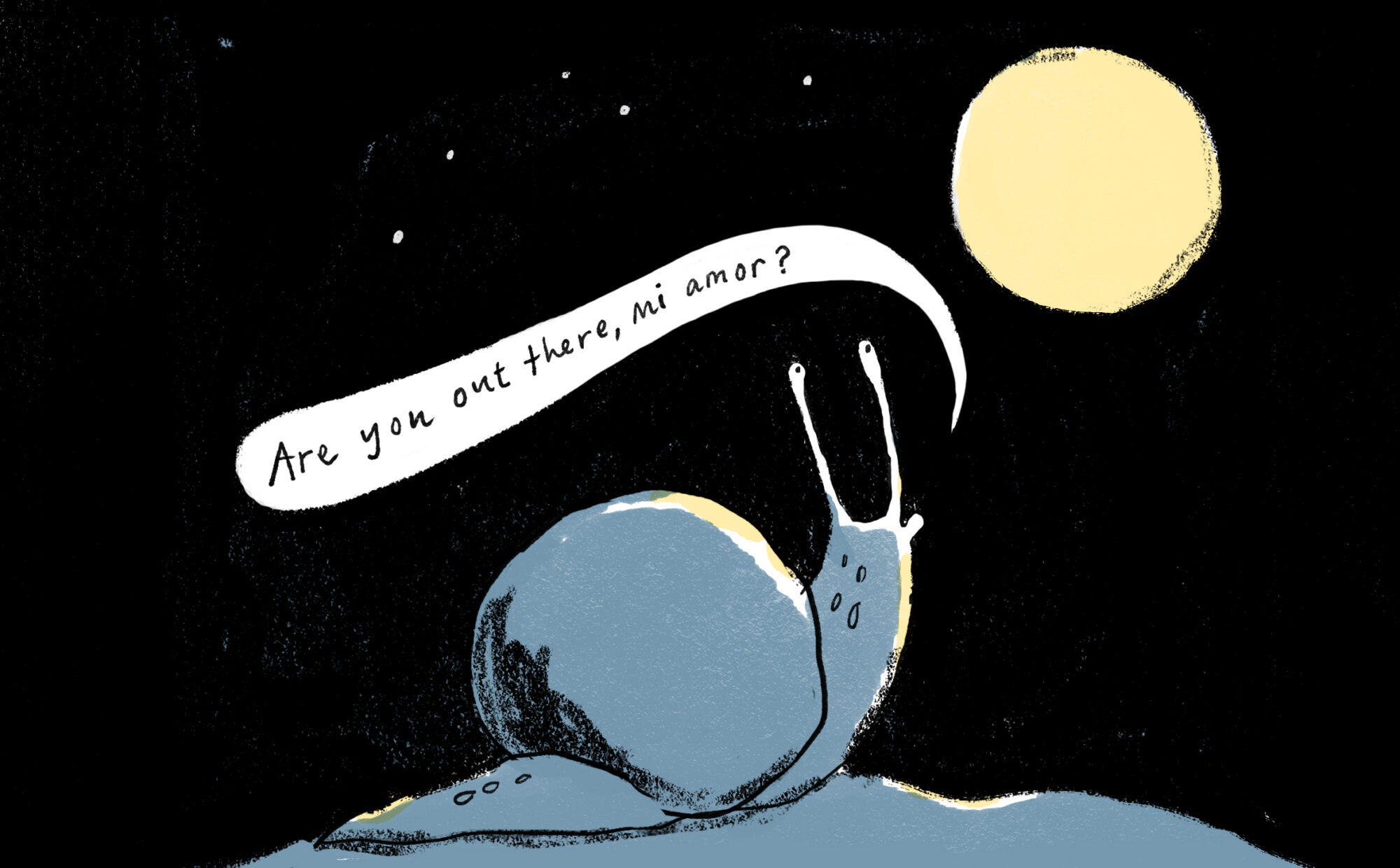
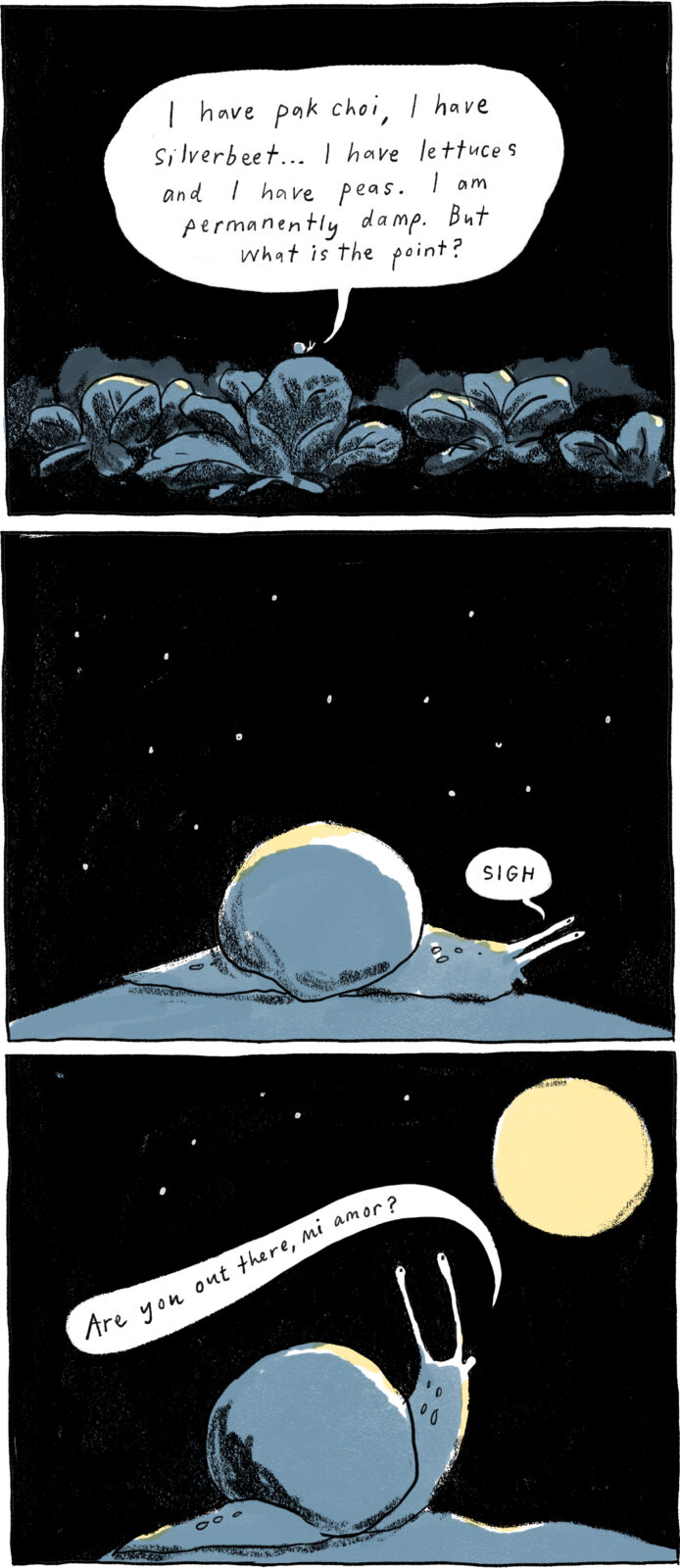
This is bad news for Ned, doomed to roam vegetable gardens for a lifetime in search of lefty love.
On Ned’s behalf, then, a plea: head out into the garden and have a rummage in your spinach. During the day, snails hide in patches of damp shade—like under the rim of pots, in between rocks, among long weeds or juicy plants like Agapanthus. Better still, grab a hoodie and a torch and pop out on a mild, damp night when you can find them roaming around in the open.
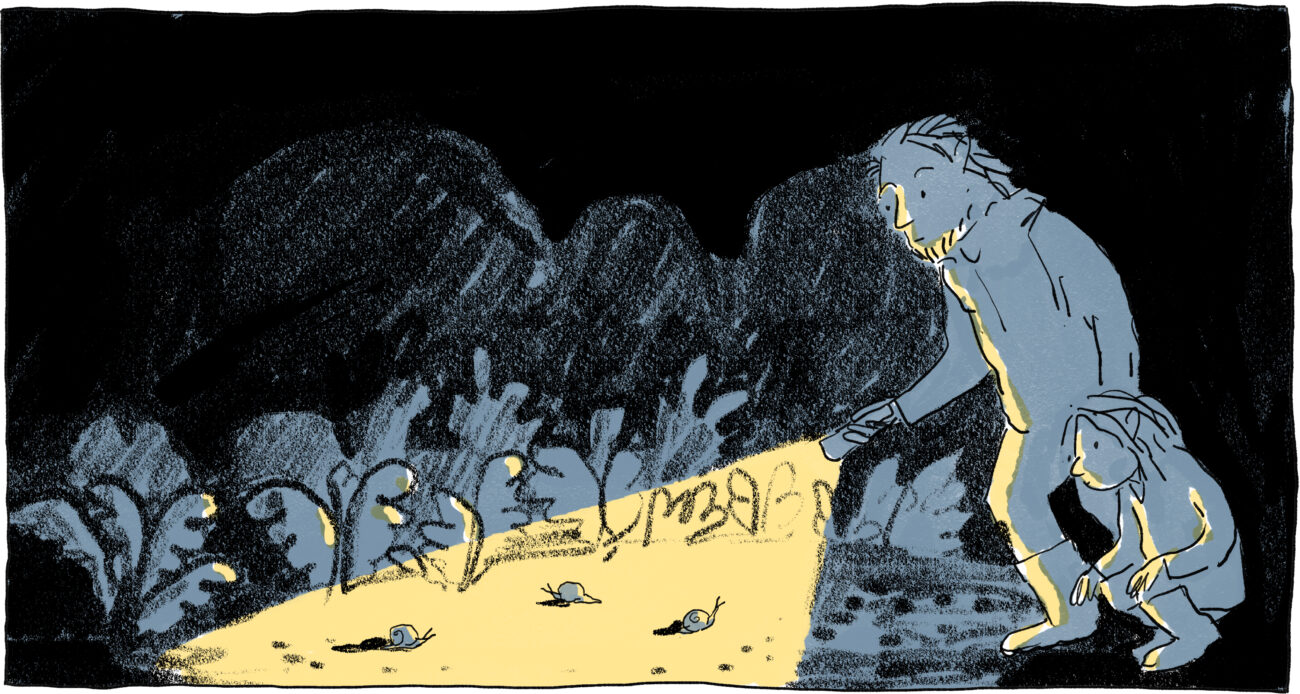
You’re in luck—it’s a good time of year for snails. “It’s just like maximum snail right now,” says Clarkson. “They’re everywhere. You can basically pick up handfuls of them.”
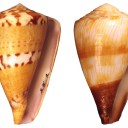
Snails have a pretty whorl on only one side of their shells. Here’s what you’re looking for:
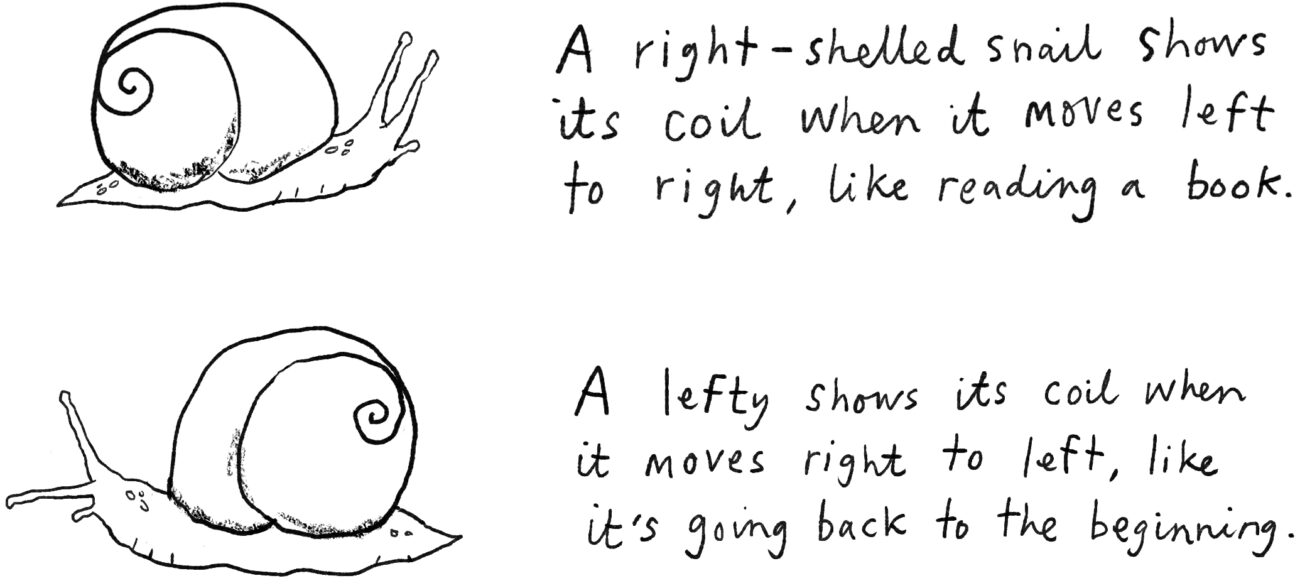
If you find some right-coilers, good on you, go back to bed. But if you discover a leftie, please check it half a dozen times, pop it in a container with whatever it was munching on and drop us a line. Then pop out and buy yourself a lotto ticket—like Ned, you’re bloody legend, and you’re about to make a lonely snail very happy.
Let’s remember that this is a numbers game. Share this page everywhere you dare. If 40,000 people read this, chances are, Ned’s dreams will come true. And if you are not already a subscriber of NZGeo’s free Weekender newsletter, sign up to keep up to date with Ned’s bid for love here: