


Water conservation order granted on Te Waikoropupū Springs
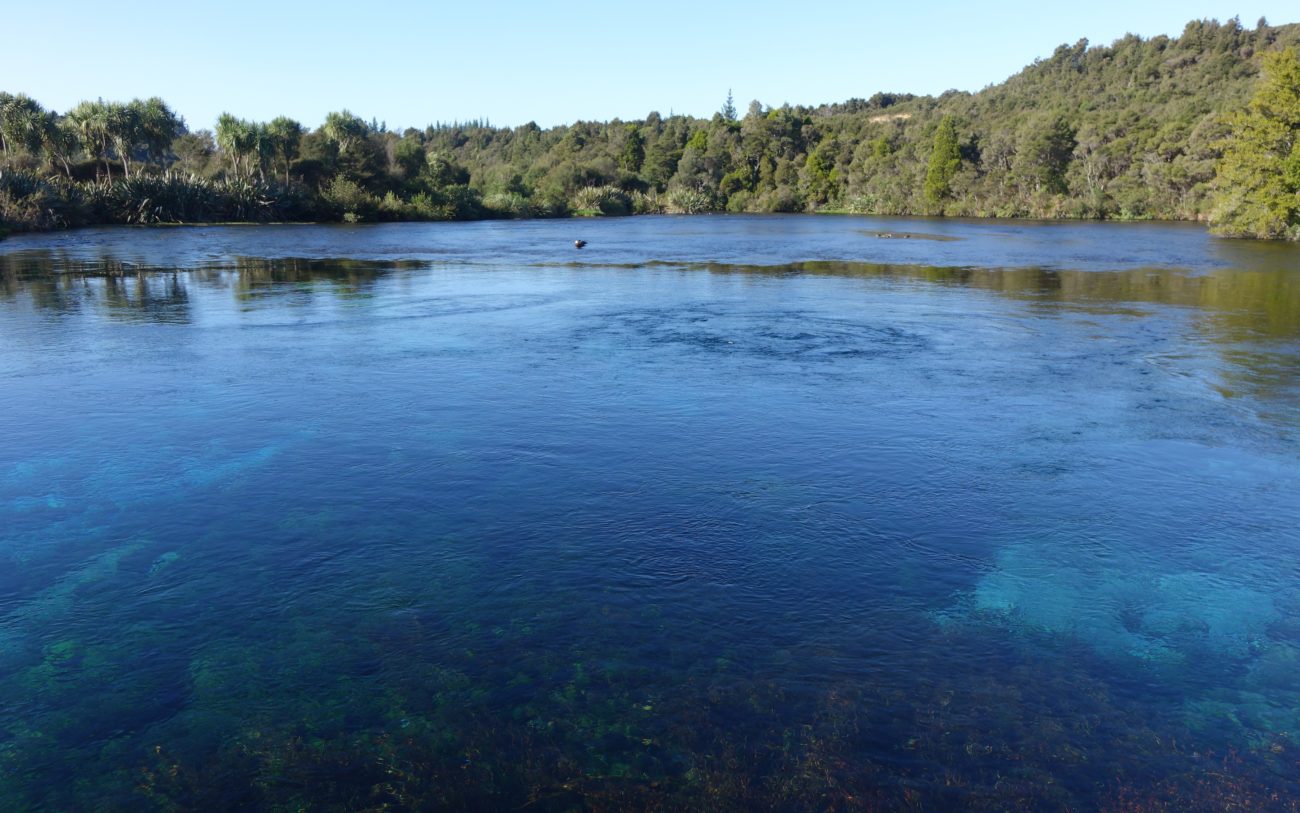
A recommendation has been made to grant a water conservation order for the Te Waikoropupū Springs and the associated Arthur Marble Aquifer in Golden Bay.
A special tribunal has just released its decision, two years after hearing the application.
The freshwater springs are the largest in the Southern Hemisphere and contain some of the world’s clearest water.
The process for obtaining the order over Te Waikoropupū Springs and its associated water bodies was sought by Ngāti Tama ki Te Waipounamu Trust and Andrew Yuill.
The draft order provides controls over the amount of water taken and what is discharged into waterways, to protect aquifer pressure and water quality.
The order applies to the confined and unconfined Arthur Marble Aquifer and over Te Waikoropupū Springs, which include the Main Spring, Dancing Sands Spring and Fish Creek Springs.
They were all found to have “outstanding amenity or intrinsic values as waters in their natural state”.
In addition, the tribunal found they had further outstanding values that warranted protection, including biodiversity, habitat for indigenous wildlife including for stygofauna (which are any fauna living in groundwater systems or aquifers) and biofilms, natural characteristics, wild and scenic values, habitat for indigenous flora, scientific and ecological values (including exceptional water clarity) and significance in accordance with tikanga Māori.
It is also recommended that the draft order apply to the headwaters of the Takaka River and to its surface water tributaries (including the Waingaro River), because of how they contribute to the values and characteristics of the Arthur Marble Aquifer and Te Waikoropupū Springs.
The tribunal has recommended some exemptions, including necessary river works and structures, plant pest control, the operation of existing consents, as well as a specific exemption for the continued operation and maintenance of the Cobb Hydro-Electric Power Scheme.
It has also recommended the order be declined for the Anatoki River and the Waikoropupū River, as these are not hydraulically connected to Te Waikoropupū Springs.
The tribunal has now issued its report and recommendations to the Minister for the Environment for consideration.
The decision is open to challenge through the Environment Court.


