A meditation
Our trees, through the steady lens of German photographer Dirk Nayhauss.
When he was a child at primary school, Dirk Nayhauss read a poem about a tree taking 100 years to grow and one minute to cut down. The memory endured: transfixed by trees, he’s spent months photographing them in Switzerland, Germany and now, the length of New Zealand.
The 58-year-old Berliner, a professional photographer for 30 years, started walking the Te Araroa Trail at Cape Reinga in August 2022 and wound up six months and 1200 kilometres later. He’s rarely felt so alive. “When I’m out in nature with my camera, everything falls away from me in the best moments,” he says. “Then all I am is movement and an alert eye for a good motif. It’s like a meditation in which all my senses are open.”
There was never any doubt: this project would be completed in monochrome. Black and white, to Nayhauss, “is more basic” and “more to the point”. He sometimes feels overwhelmed by the gaudiness of social media—and by the real world, which he finds is full of speed and colours.
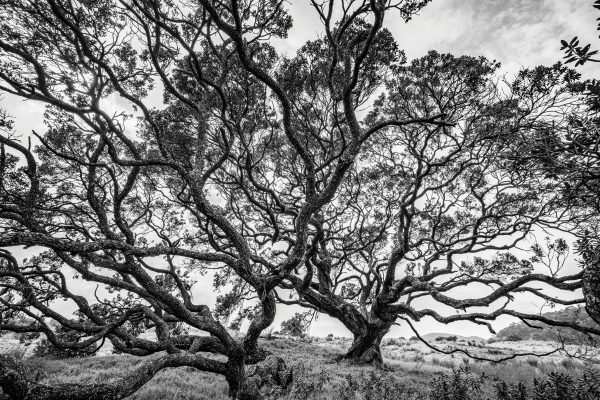
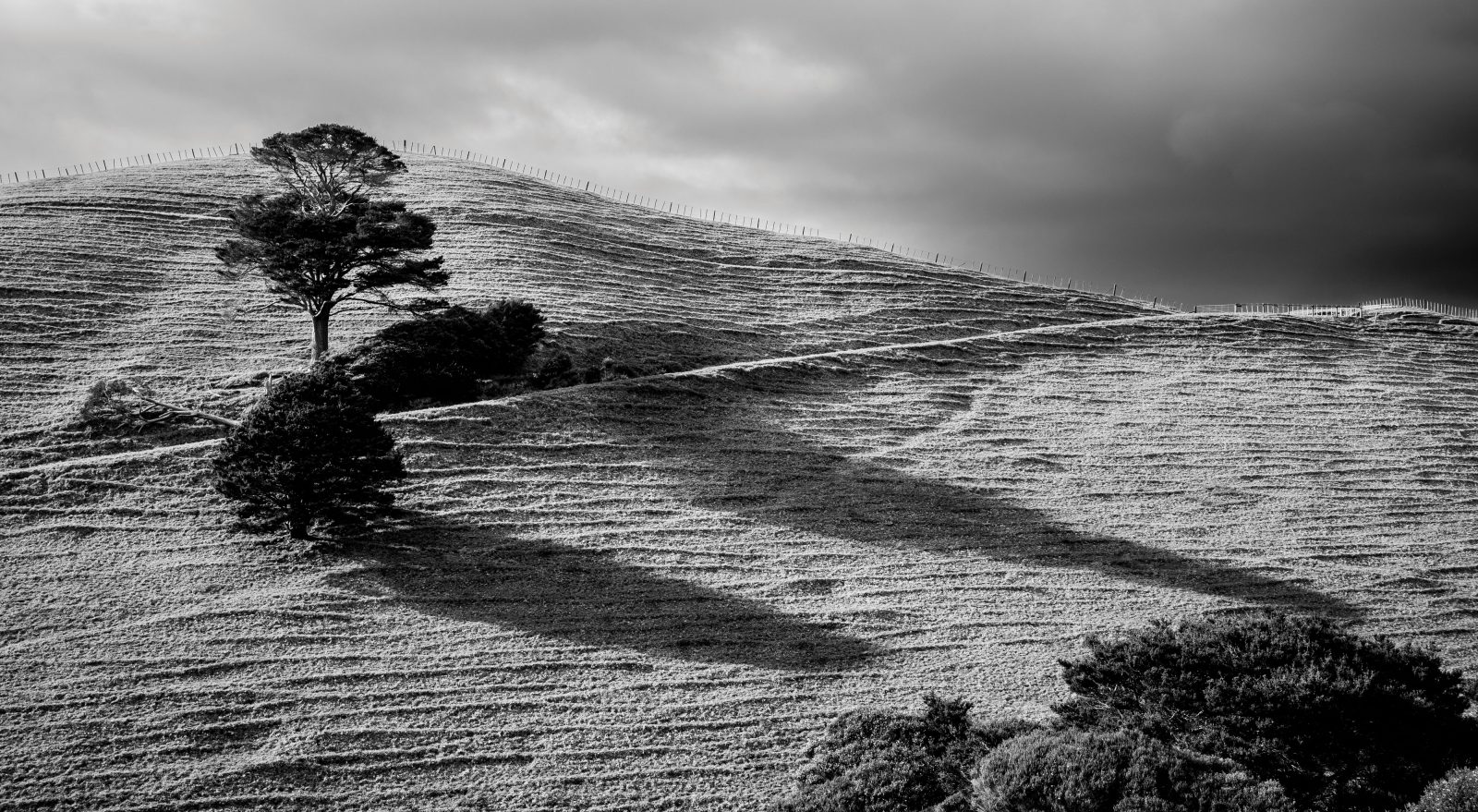
“Through the high-contrast black and white, I reduce the landscapes to the essential, to their rhythms and lines,” he says.
He did not look at the images he was capturing until he was home in Germany. Neither did he pause in his walking to wait for perfect light. “I keep moving,” he says. That way, “the whole thing remains more of a hike, a nature experience”, he says. “And it’s part of the game not to get some pictures because the light is bad, because it’s raining or whatever. But you get other motifs in return.”
Nayhauss describes his style as “graphic”. When applied to a natural scene, this involves highlighting distinct curves, lines and geometry. The contrasts of light create a kind of texture.
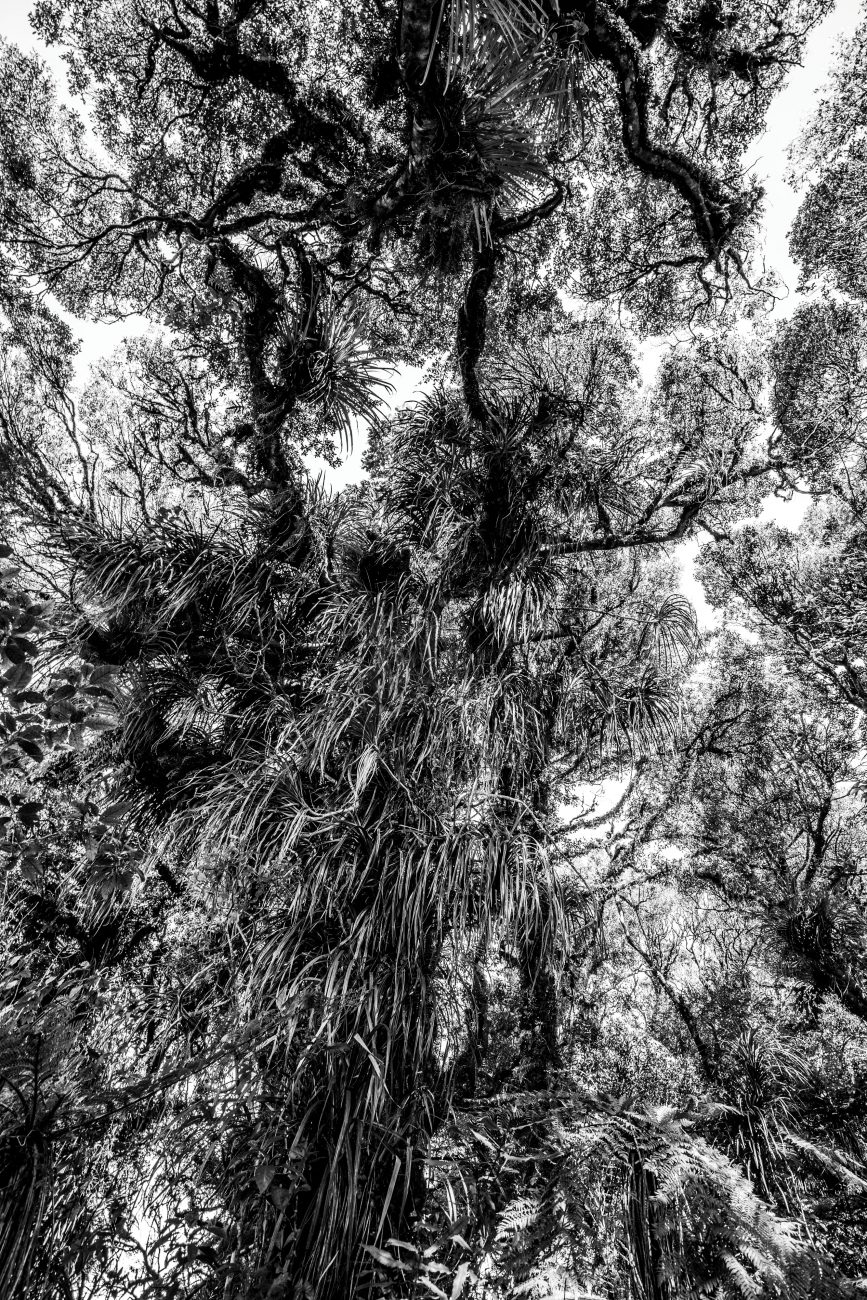
This project was shot on a Sony Alpha 7C camera with a Zeiss 16-35mm super-wide-angle lens. Nayhauss says that in a dark forest under gloomy canopies, as he looked out over sparkling lakes and iridescent clouds, the camera was able to deftly record the variations in the light. This helped at dawn and dusk, effectively lengthening the number of hours he had in which to create. He also appreciated the autofocus function—it reliably produced sharpness even in poor light.All up, his camera with battery and lens (no tripod was used) weighed just over one kilogram. To put that in context, his entire pack, containing a tent, sleeping bag, food and water, came to about 20 kilograms.
Nayhauss, an experienced tramper, took nothing superfluous. Two weeks into the tramp, he actually downsized his pack to make everything more compact.
Taking a laptop to store and send images was out of the question, but Nayhauss says that in future, he would like to have the images backed up on the cloud somehow. Knowing he was carrying all those unique images around with him was “a bit stressful”.
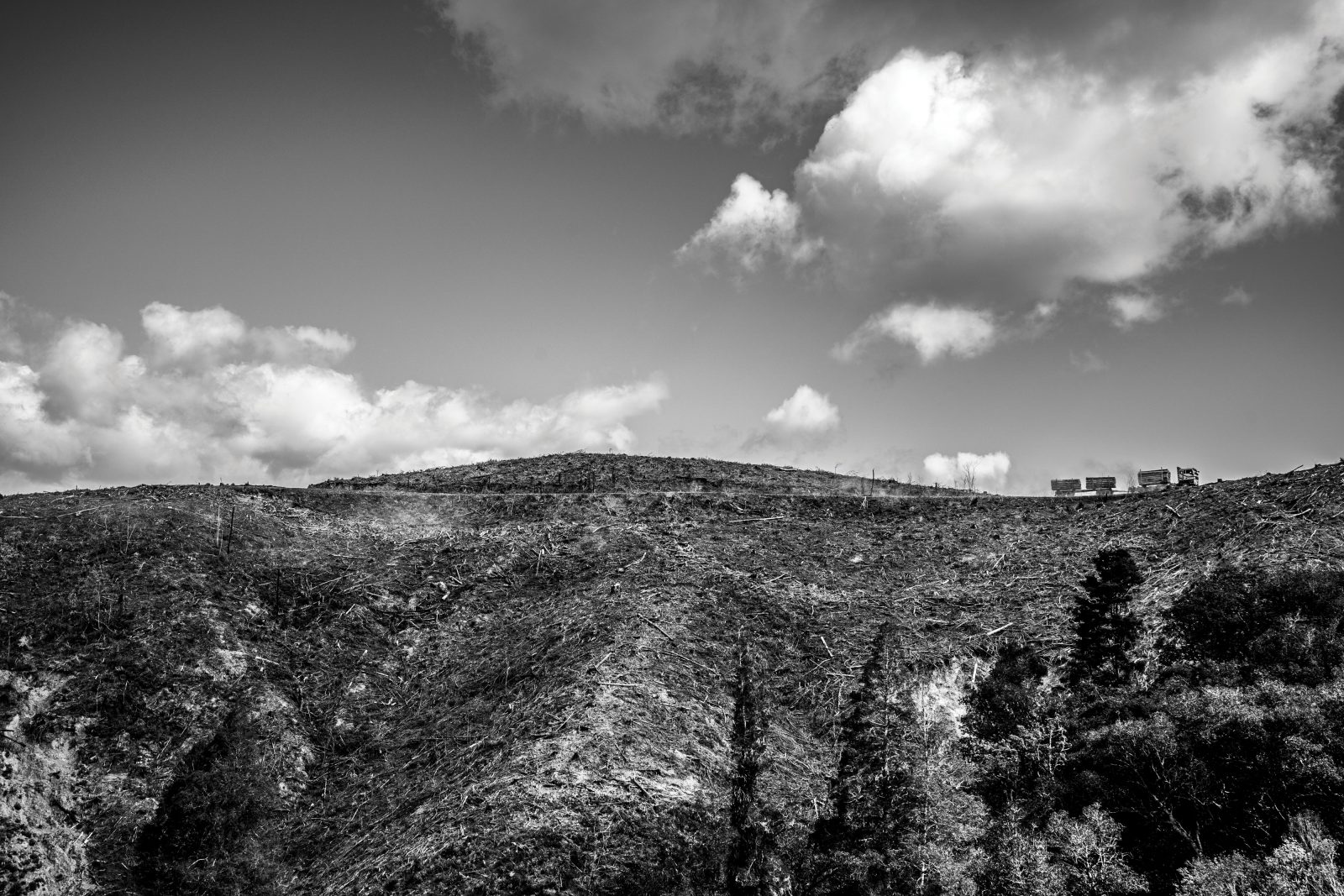
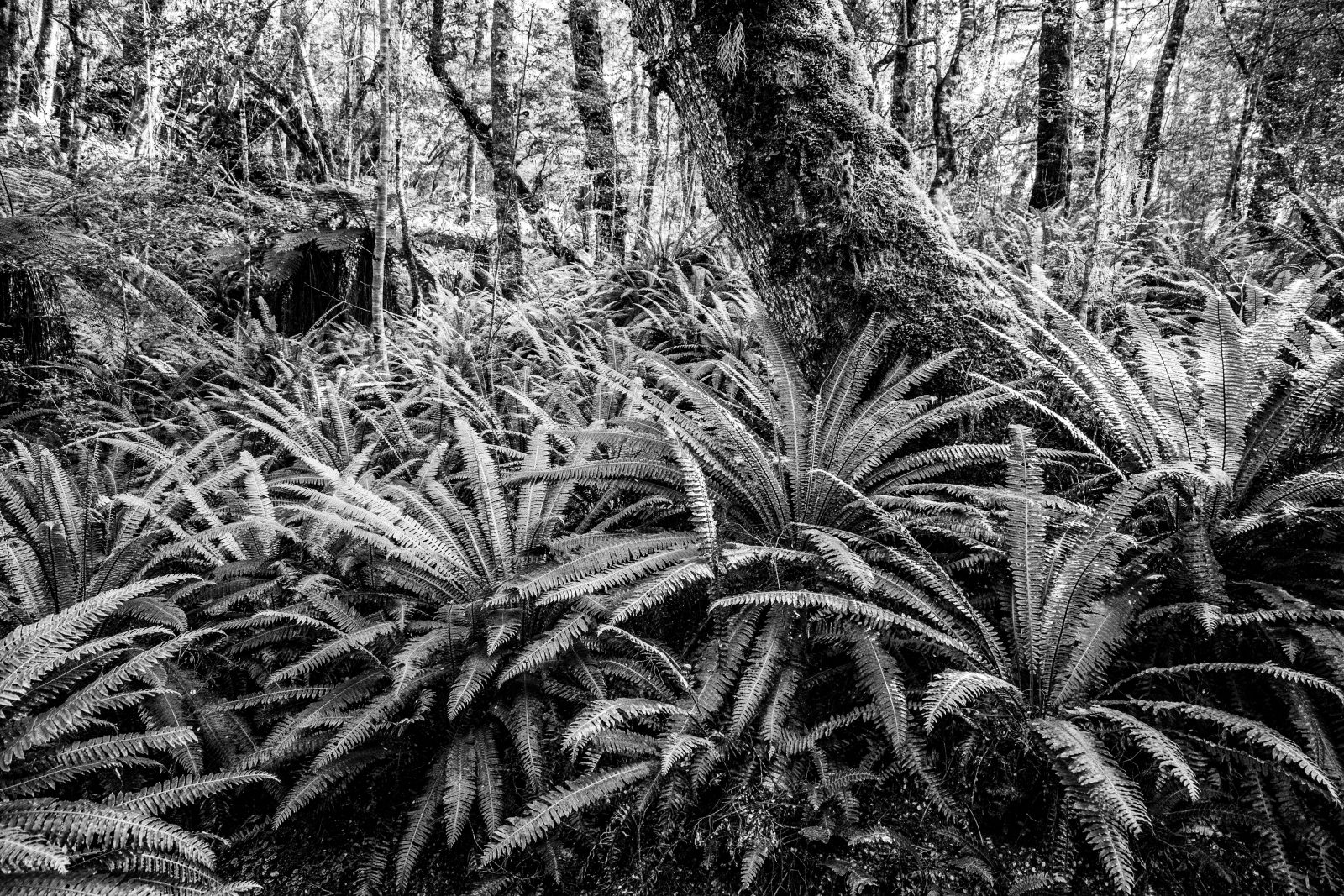
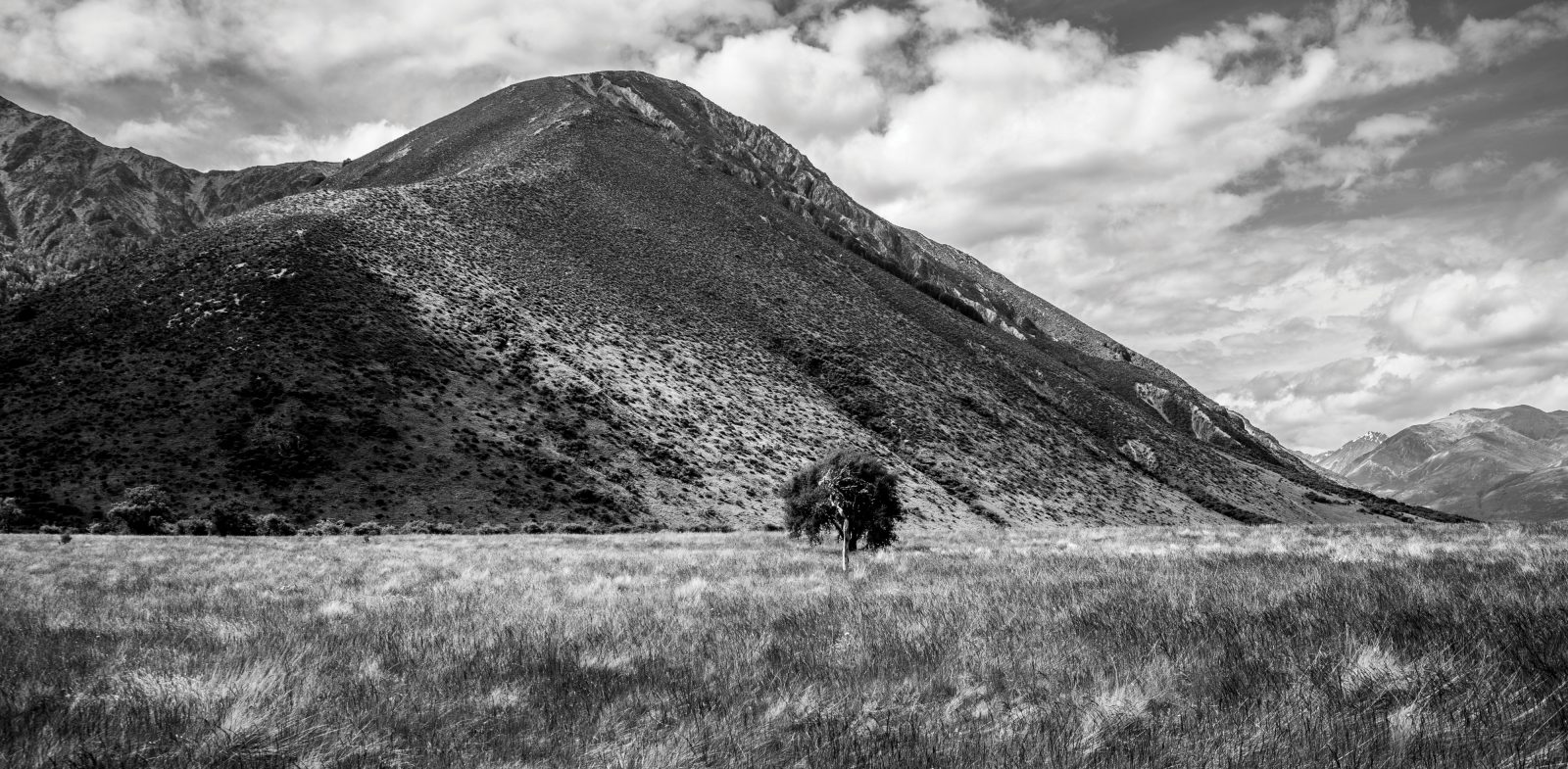
There was a lot of rain, of course, and river crossings; the camera and its precious contents stayed dry in a waterproof case. Despite twisting his knee at one point (he took an extended break to recover), he managed to avoid dropping or bumping the camera and got the photos safely back and uploaded.
Flicking through the thousands of frames was “very exciting”, he says. “Of course, I sometimes thought: the picture detail is too narrow here, or the angle isn’t right there. But that’s also part of the process; getting annoyed about it is not helpful.”
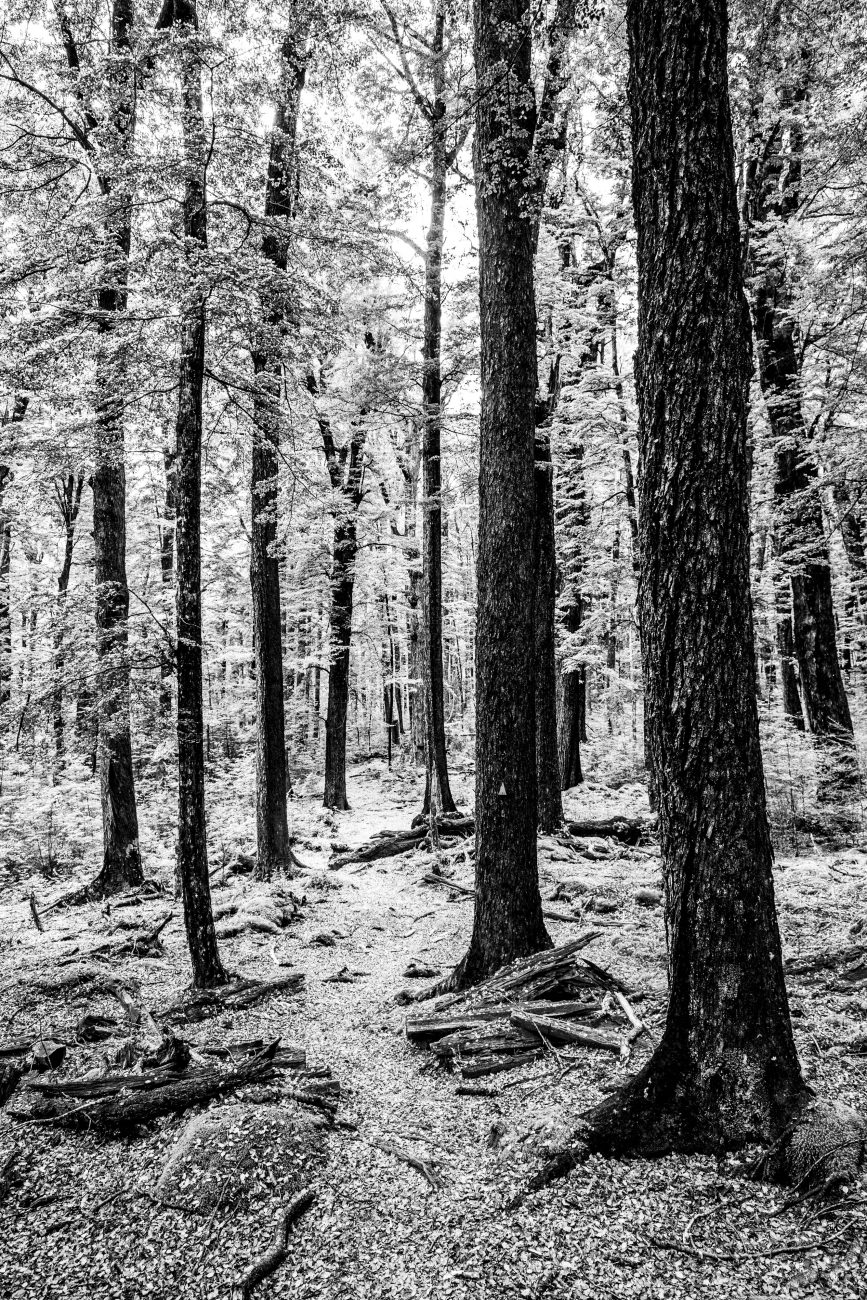
Now back in Berlin, Nayhauss is in touch with a gallery there about an exhibition of his New Zealand photographs. He’s also pining for a do-over.
“Once you’ve hiked in New Zealand, you become insatiable. I look at the pictures and think, I want to do it again.”
In the meantime, he cycles, and takes regular swims in the freezing waters of a nearby lake. He contributes to a German monthly magazine called Chrismon. His regular column, ‘Questions of Life’, features photographs of and interviews with well-known actors, painters and musicians. Nayhauss asks them existential questions: In which moments do you feel alive? In which God do you believe? Do I have to be afraid of death? What kind of love makes you happy? Who or what helps in times of crisis?
Perhaps the photographer answered a few of these questions for himself, deep in the rainforests of Aotearoa.