Robot kōkako seeks friendship, more
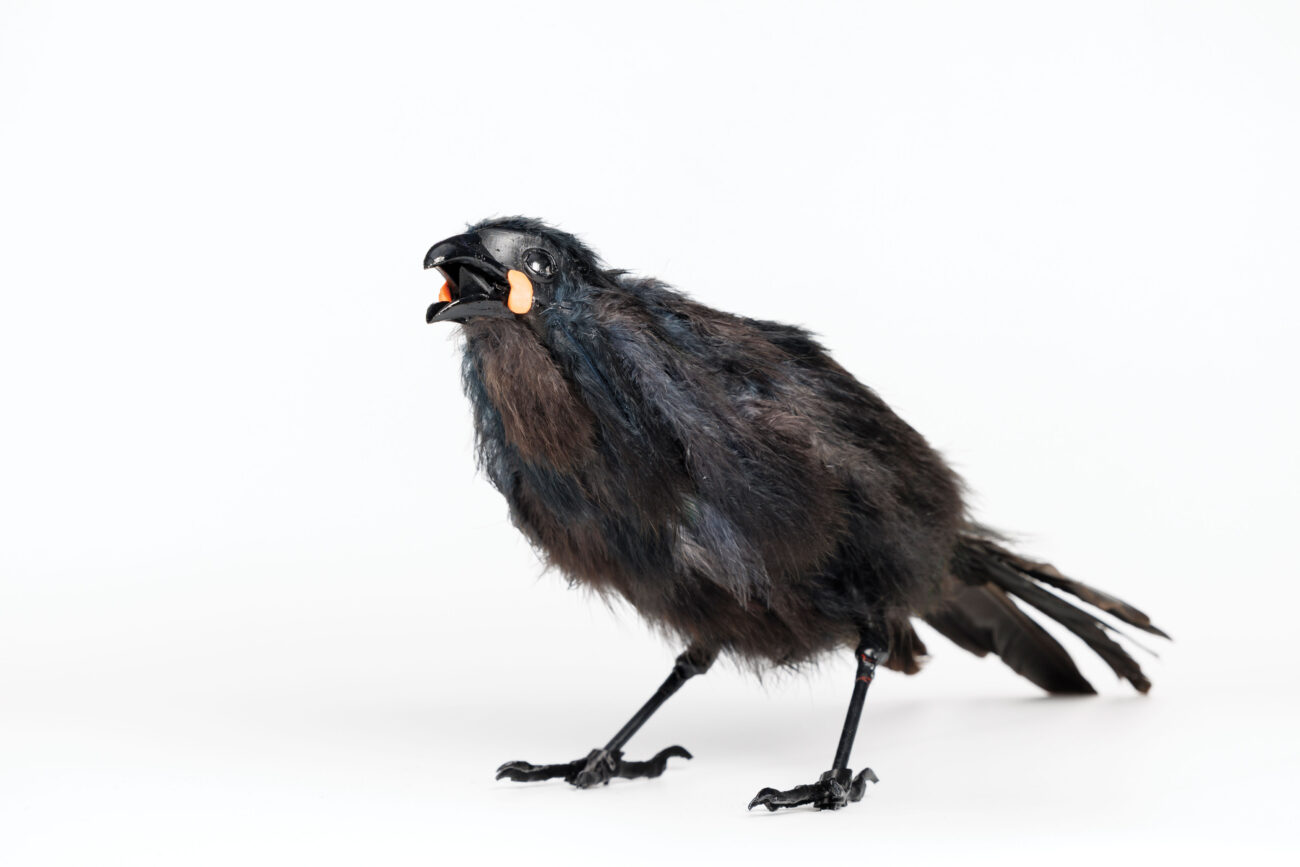
If the South Island kōkako is not extinct—if, as many believe, a handful of the birds are still alive in the forests of the West Coast—they’re doing a very good job of staying hidden. There hasn’t been an accepted sighting since 2007. But in the mechatronics lab of the University of Canterbury, a remarkable new search tool is taking shape. Five fourth-year engineering students have spent all year working on a robot bird that looks, moves and sounds like the real thing. “It’s got the head movement, the tail flapping, the wing flutters,” says team member Eve Hudson. “Obviously it doesn’t fly, but luckily the bird sticks to the forest floor so it shouldn’t be too much of an issue.” The model is bait. It will be installed in a likely patch of West Coast bush by the South Island Kōkako Charitable Trust, and broadcast eerie songs—recordings of its North Island cousins. If a kōkako is in the area, the hope is that it will swoop in for a closer look and be picked up on audio and video recorders. “Anything’s possible,” says Hudson, firmly. Other models have been deployed in the decades-long search for the kōkako, but nothing like this. Crucially, this bird’s movements are interlinked, meaning it can make more than one twitch or pitch at a time. When it leans forward, says Hudson, its wings give a tiny flutter. And the head has three degrees of freedom: it can lift up and out and twist, while the beak lowers. Picture a snake pulling back to strike—or a real kōkako, cocking its head. 3D printing, says Hudson, has been a godsend. The team printed the legs, head and body using measurements provided by a Swedish university, which happened to have scanned a taxidermied specimen. The last stage was low-tech. The team dyed magpie feathers, then fixed them to the model with hot glue, using possum fur for the finer plumage around the head. Will the bird cope with a fortnight in the West Coast bush? Hudson points out it’s not just the humidity and rain it must endure, but marauding insects, and perhaps the odd possum trying its luck. A box that connects to the model and houses the battery and other components is 3D-printed plastic. Most of the bird itself is steel, and its exterior is coated in latex. Still, the idea of leaving their creation in the bush for two weeks makes the team slightly nervous. “It’s kind of like our baby,” Hudson says. “We’ve all become absolute bird fanatics over it.”