


The phantom menace
An invisible pathogen has gripped the world in a deadly and difficult battle. At first we aimed at flattening the curve, then elimination, now immunisation. But even as we understand more, the virus mutates and the rules change again. How do we prevail?

The known unknowns
The recent outbreak of the Delta variant led to a number of unintended consequences. Growers dumped thousands of flowers they weren’t allowed to sell. Auckland factories producing construction materials were shuttered for five weeks. Deaths from influenza are at an all-time low. Now, New Zealand needs to decide how to manage COVID-19, based on incomplete information about its risks. Some of the most crucial metrics are ones we don’t have—such as how many people develop long-term illnesses. This is what we wish we knew.
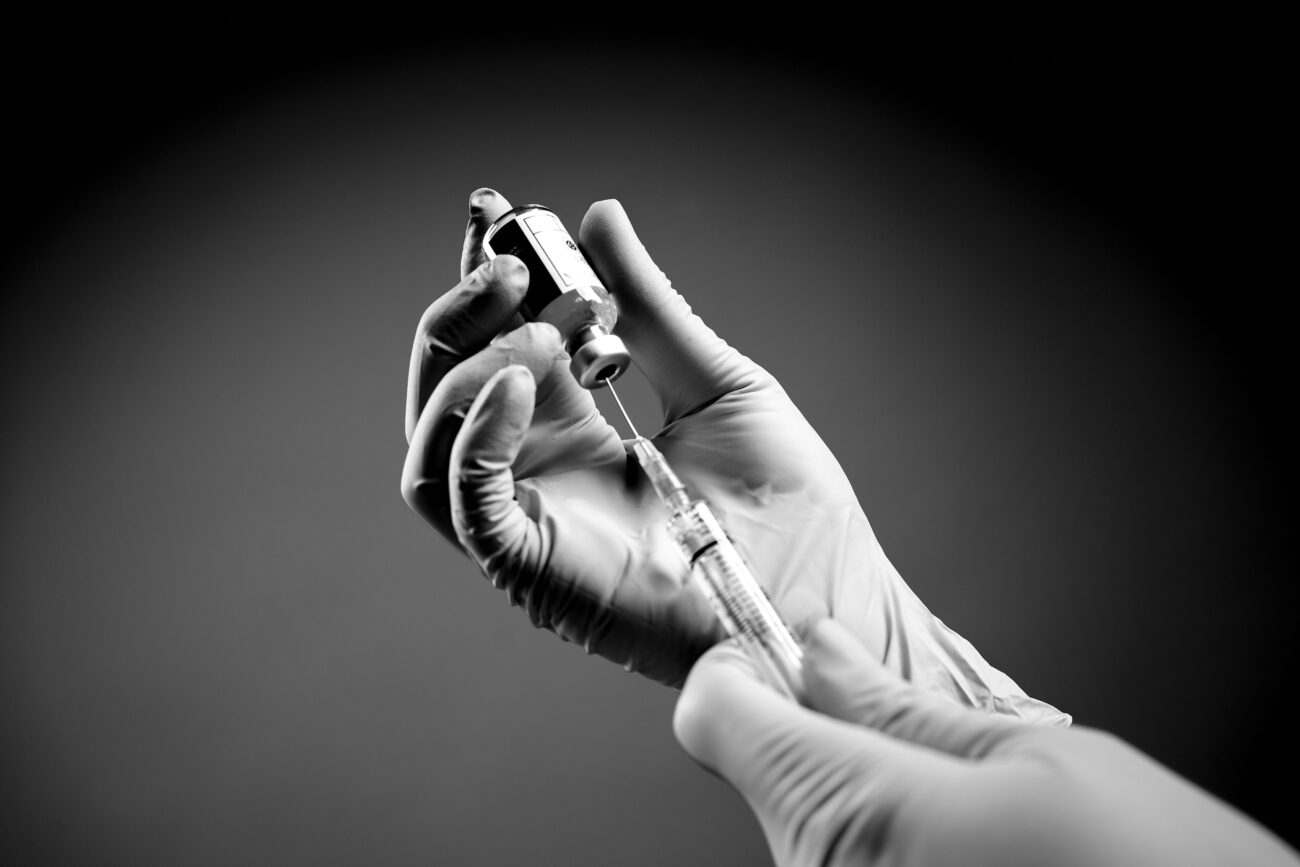
Can the vaccines save us?
Regular epidemics were only banished in the 1960s by a vaccine decades in the making. Now, as the world awaits the rollout of COVID-19 vaccines, how have things changed? What has science learned about designing tools to help our immune systems fight back?
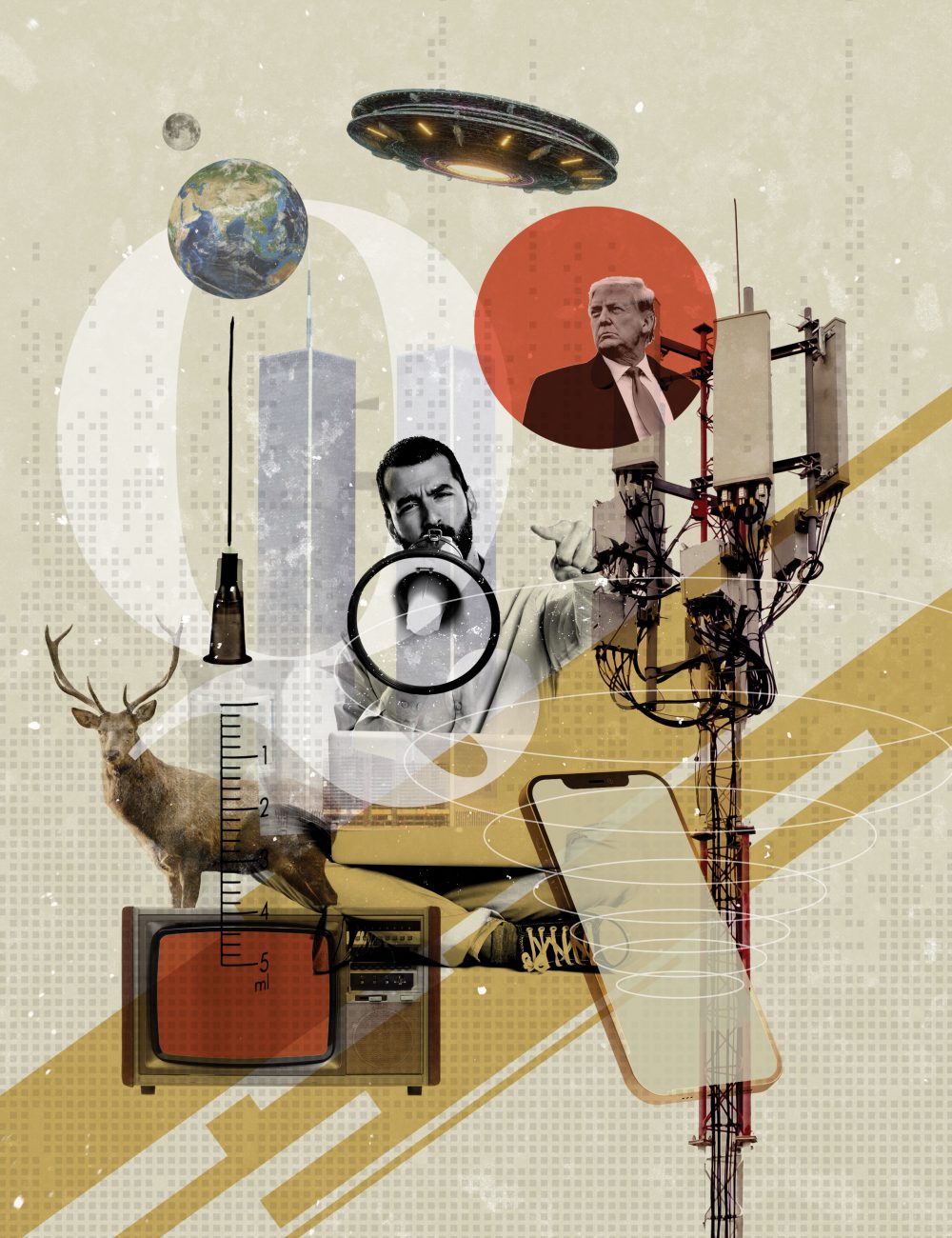
Understanding facts in a world of fake news
How’s a rational person to tell truth from fiction these days? How do we, as a society, agree upon what’s true? And why have we been so catastrophically unable to agree in 2021?
The meaning of an epidemic
COVID-19 has caused upheaval in our lives, changing them for the worse—but also for the better. What we can take from this time?
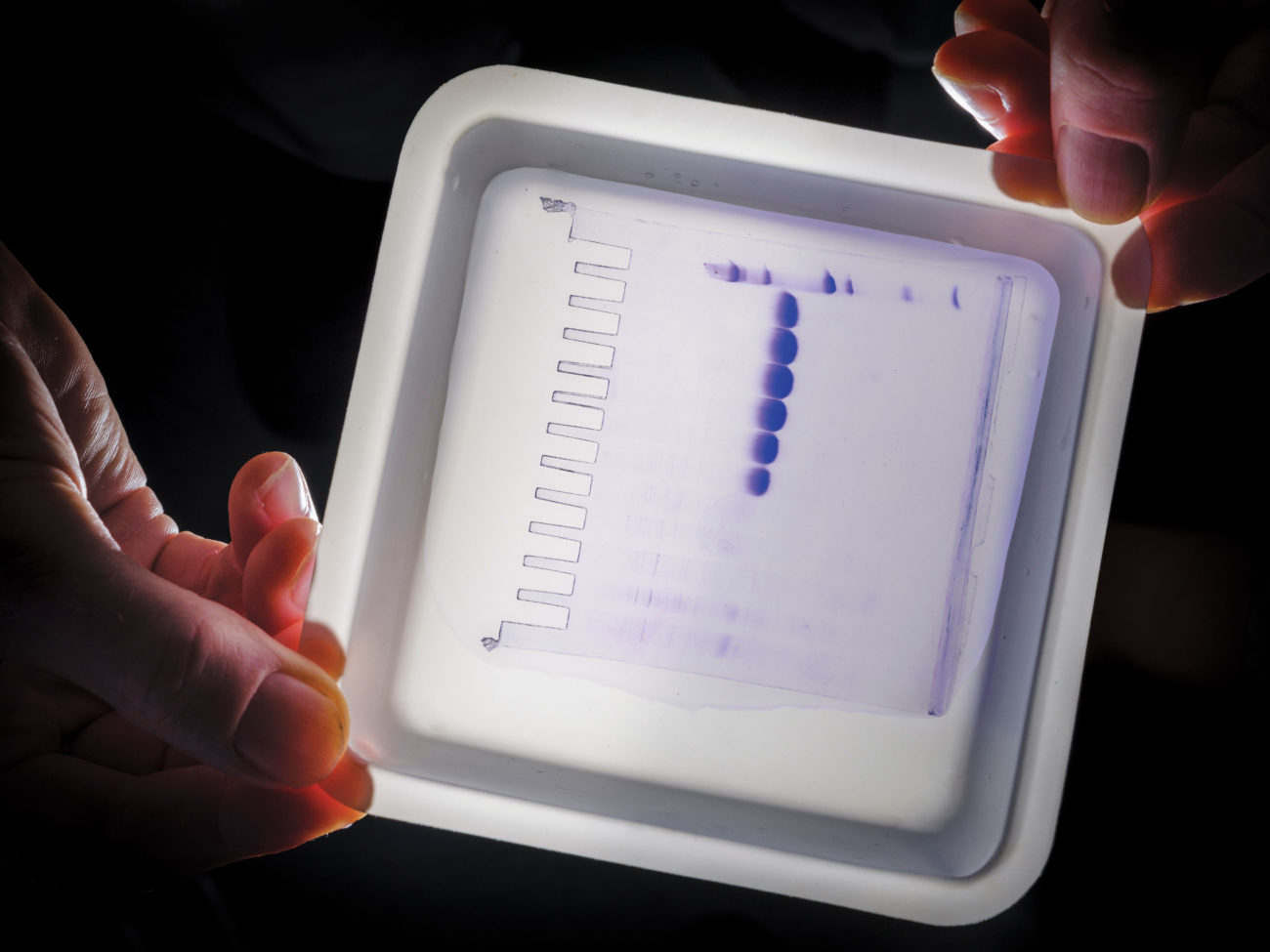
Race for a vaccine
In March, researchers around New Zealand dropped what they were doing to begin studying the novel coronavirus. Some realised that, if an effective immunisation is found, there will immediately be a long queue of nations jostling to buy billions of doses. So they resolved to make a vaccine themselves.

Our new future
By April 2020, New Zealand was already irreversibly changed. How would this end?

Burning the midnight oil
Shaun Hendy stays up late predicting the future.
The virus goes wild
Cats have had it. Dogs, too. Tigers and lions in a New York zoo came down with it, and so did minks in three European countries. Humans need to protect animals from COVID-19 before it’s too late.
Mind matters
If you felt stressed during lockdown, you weren’t alone. A survey of 2000 New Zealanders revealed that Alert Level 4 negatively affected our wellbeing.
The next spillover
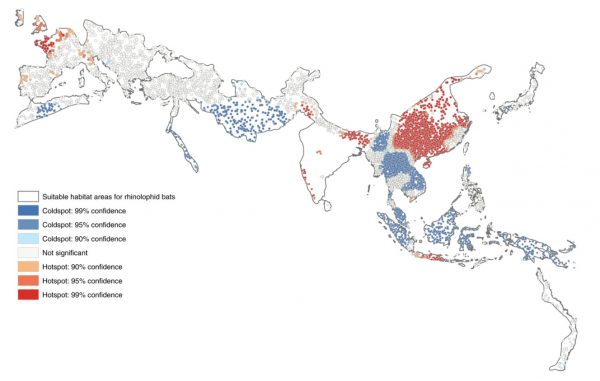
The emergence of a new coronavirus is not a question of if, but when and where—and a new study has answered the latter by mapping global regions most likely to produce the next outbreak.


