


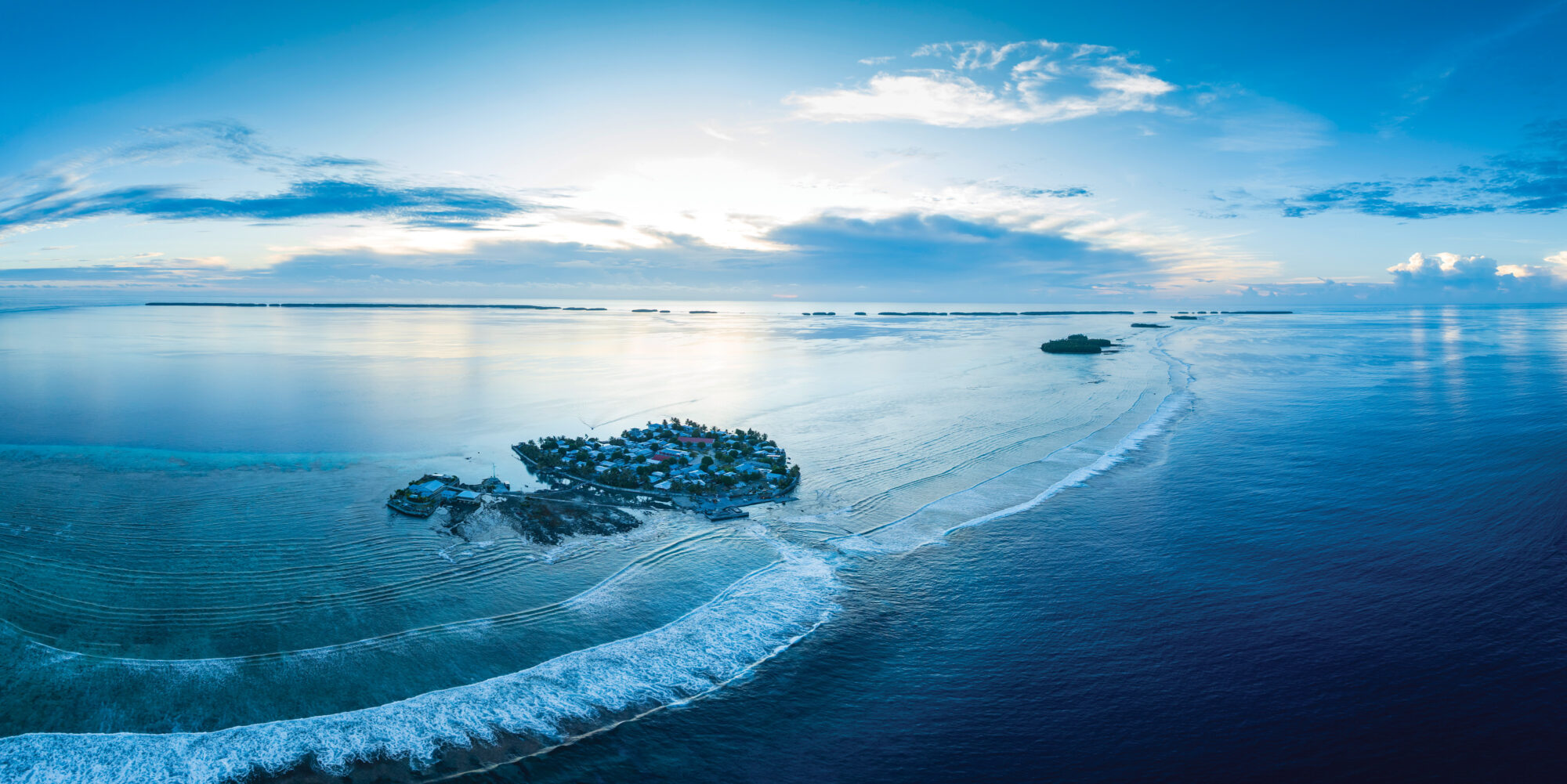
Time and tide
Change has come fast for Tokelau. When New Zealand Geographic visited in 1994, women were cooking over open fires, men were fishing from vaka. Today it’s an archipelago of propane, fast alloy dinghies and Starlink.
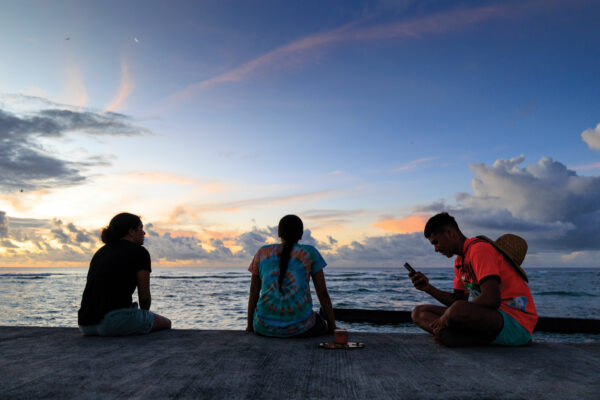
Islands in the stream
Tokelau is one of the smallest and most remote island states on the planet. The people who live here have adjusted to rapid change, retaining a unique model of governance and a culture of quiet determination. Can Faka Tokelau, the Tokelau Way, survive another thousand years?

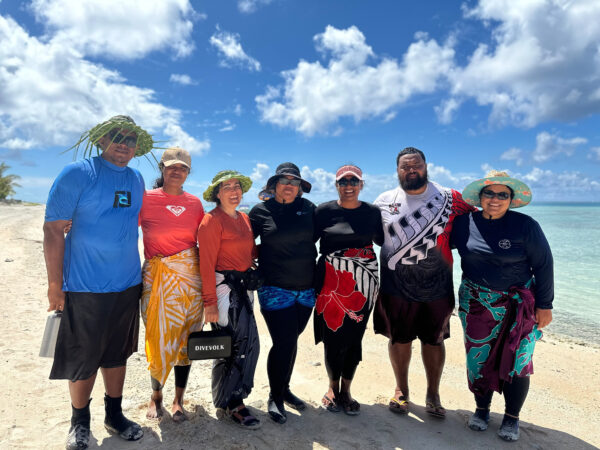
Tech for Tokelau
The Tokelau project started with a phone call during lockdown five years ago. Conservation International had been successful with its proposal to MFAT, and wanted us to contribute to a very different sort of aid programme—an initiative that allowed communities to take conservation into their own hands. The kaupapa meshed well with new citizen science tools we were developing. Over nine long, hot days in Tokelau, the Conservation International team ran education programmes in each of the schools, conducted biodiversity surveys in the lagoon, and across the dozens of motu, and out at sea. New Zealand Geographic collected environmental DNA samples, trained teams on each atoll to build phot
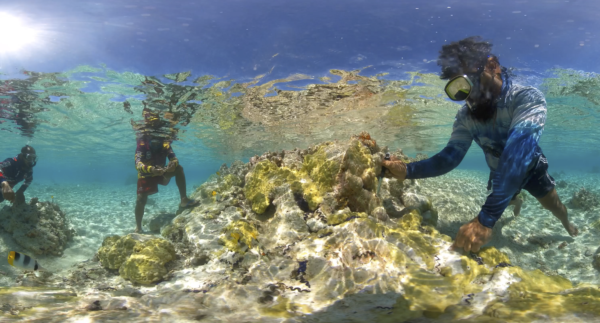
Dive for clams in the lagoon
Nukunonu's lagoon is nearly 100 square kilometres in area. Some areas are deep, but here near Tokelau Island in the east, locals can find clams growing in coral structures in the shallows—easy pickings for a Sunday picnic.
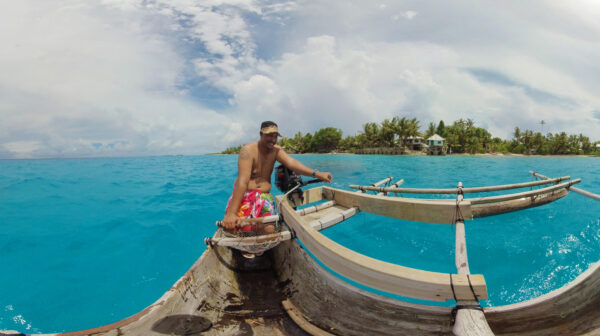
Cruise on the last vaka'ama on Nukunonu
As aluminium boats have replaced traditional dug-out canoes—called paopao in Tokelau—for fishing. But on Nukunonu, Suega Isaia and four-year-old Alowhenua keep the tradition alive.
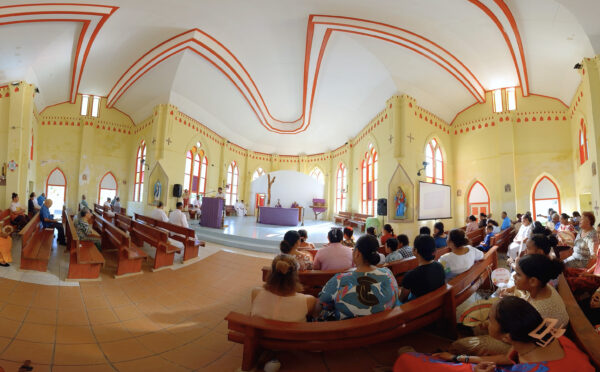
Pull up a pew in Nukunonu
Southeasterly trades blow through the louvred windows, lifting the smoke of Mass. The hymns are full-throated. While congregations wither in the West, every household turns out for the service on Nukunonu. The joy and structure of Catholicism seem to match the conservative family values and collective responsibility that is baked into Tokelauan culture.
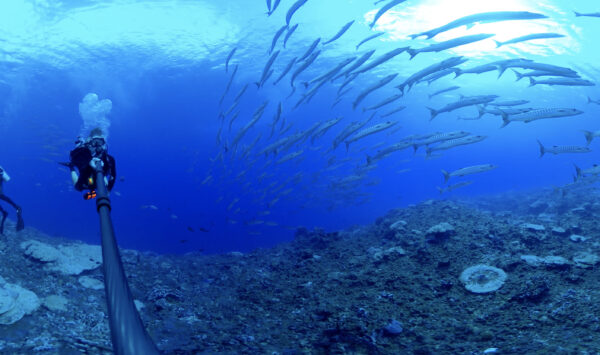
Swim with the barracuda
A school of barracuda circle the outer reef at Fenua Loa, Fakaofo, a sign that fish life is in good health, even while corals are recovering from recent heatwaves.
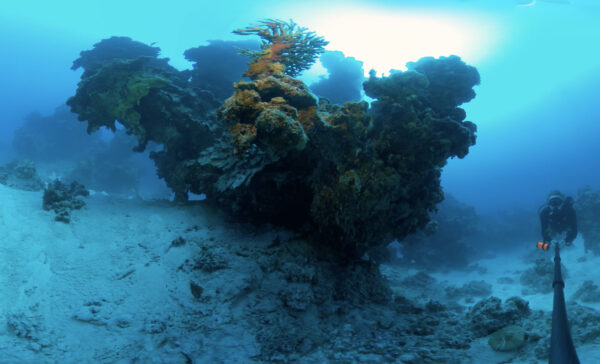
Dive through ancient coral
Every year the sea surface temperatures rise in Atafu, leaving behind towering coral structures that couldn't stand the heat.
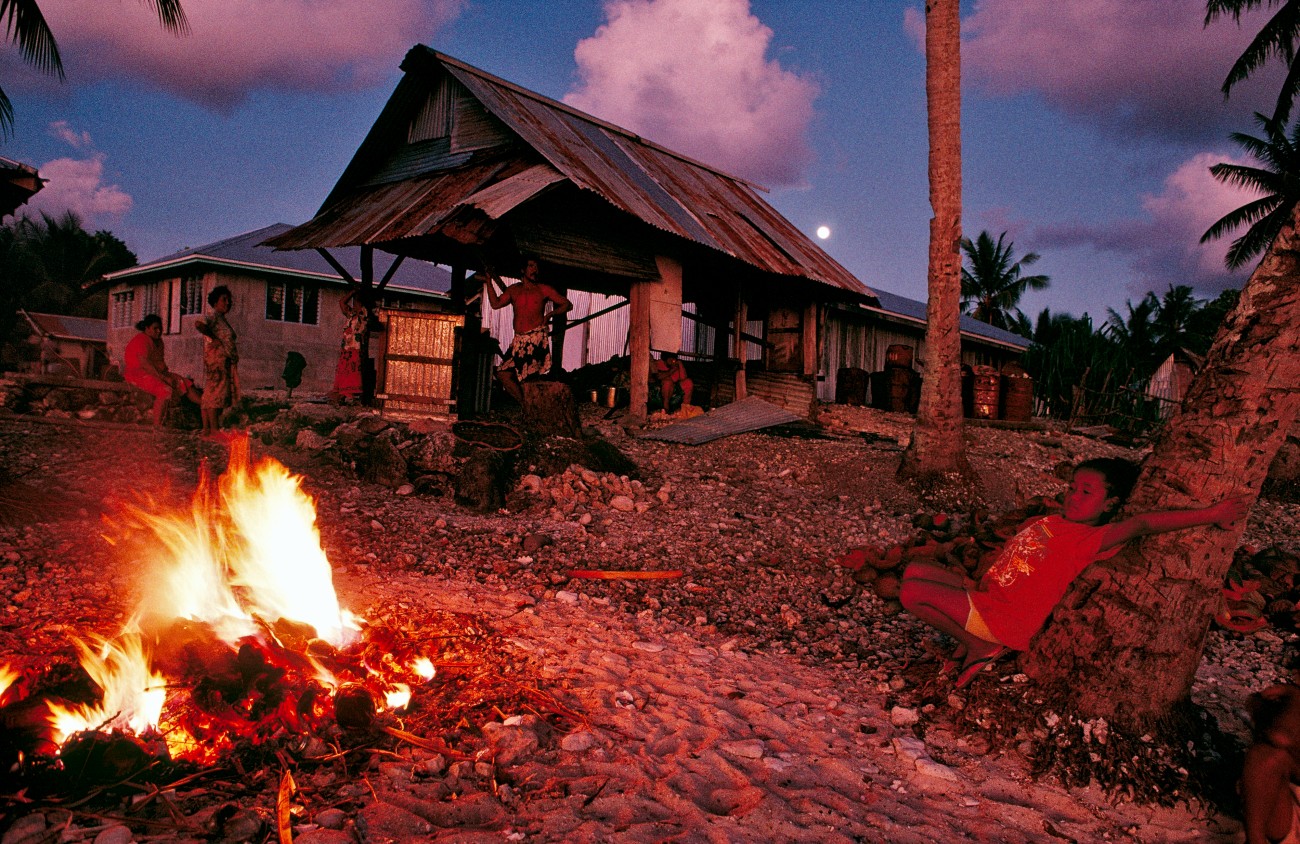
Tokelau, Islands of the wind
Homesickness and uncertainty show on the faces of Tokelauans returning to the islands. Although Tokelau is counted as part of New Zealand, living conditions in this last Pacific dependency lag far behind those in the rest of the country, and the islanders are faced with the dilemma of whether to become independent. But in this lonely tropical outpost the cool of the evening brings its own rewards: moonrise moments of timeless charm.

Check out the petrel colony
On the eastern islets of Nununonu's 98-square-kilometre lagoon, petrels have set up camp in greater numbers than ever before. As the local community receives more goods from the outside world, and exercises greater efforts in conservation, hunting these seabirds for food has become increasingly rare. Terrestrial ecologist Moeumu Uili visits the colony to update the count.
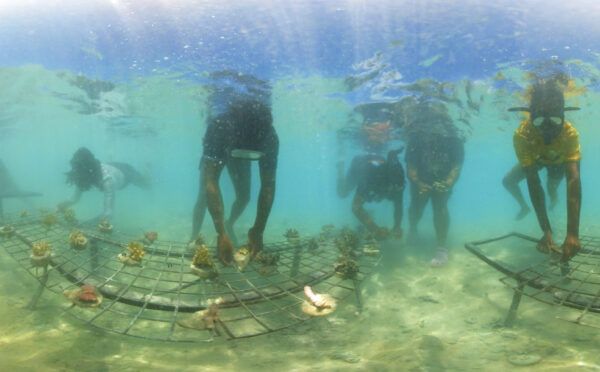
Plant a coral garden
Tokelauans rely on their ocean estate for sustenance and survival. Students from Matauala School on Atafu atoll plant corals on netting within the lagoon. After they grow the corals can be located to deeper, cooler reefs with a greater chance of survival in a warming world.
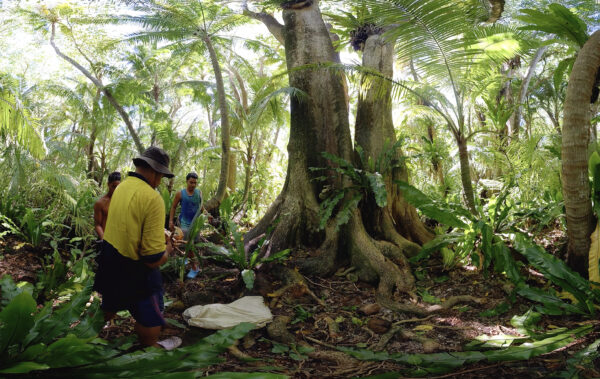
Hunt coconut crabs
In the Pisonia forest on Tokelau Island, Nukunonu, Troy William, Isaac Perez and Dominic Manuele check holes under trees for monstrous coconut crabs. Each the size of a dinner plate, they make a tasty meal—think muddy crayfish flavour.
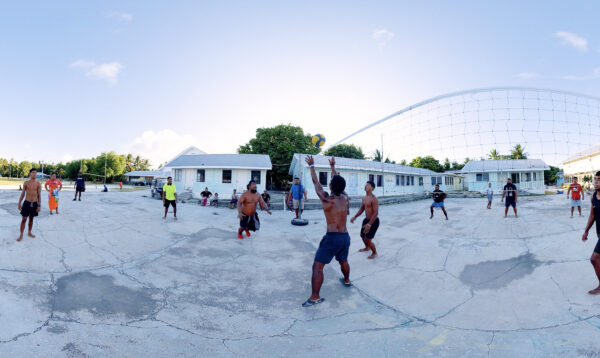
Play for the home team on Atafu
Volleyball is ever-popular on Atafu atoll, especially in late afternoon when it's cooler. On the adjacent field, a younger crew enjoys touch rugby.

Take dip with the kids
After school the students of Fenua Fala hit the lagoon for some relief from the scorching tropical heat. The lagoon is a balmy 25º degrees or more most days.
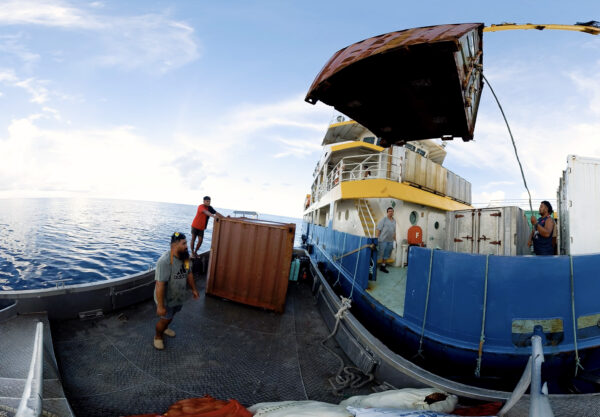
Unload the Mataliki
Everything in and out of Tokelau arrives on this ferry, the Mataliki, which makes the 10-day round-trip linking Fakaofo, Nukunonu and Atafu atolls, then back to Samoa, and then repeat. The cargo is loaded on to a barge to get through the shallow channel to the wharf, then offloaded to shore.
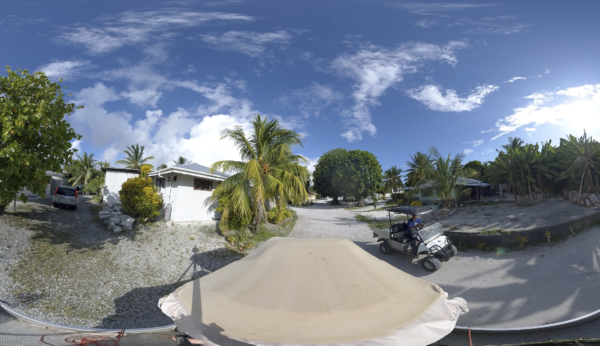
Drive through Atafu
Only one islet of the Atafu atoll is inhabited, and like the other atolls in Tokelau, it's 100% powered by solar. As a result, locals get around in electric carts, like in a fancy golf resort. Take a tour of the coral roads.
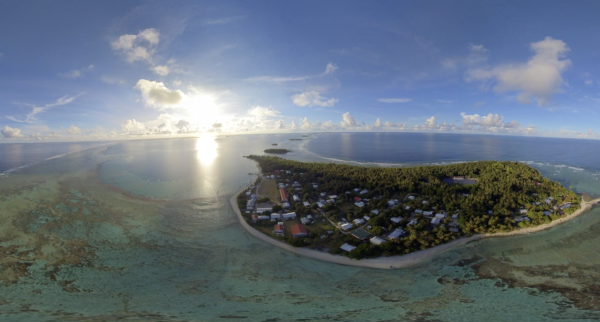
Fly over Fakaofo
Fakaofo is the smallest and most southerly of Tokelau's three atolls. Two islands are inhabited, the tiny islet of Fale, and featured in this video, the larger island of Fenua Fala. Can you see the school and solar farm?
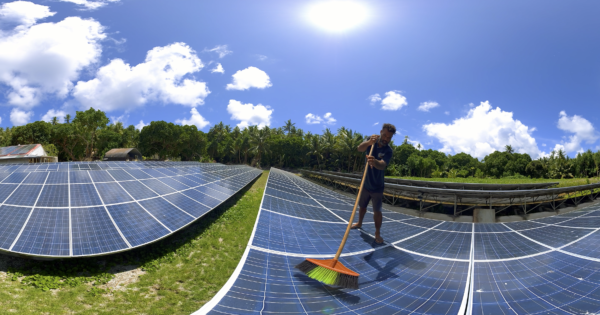
Go solar
Tala Tyrell cleans the solar panels on Fenua Fala, to keep the array operating at top efficiency. The solar farm—which meets 100% of Fakaofo's power demands—was installed in 2012 and is due for a major upgrade to lithium batteries.

Sit in on a meeting of the Taupulega
The Taupulega, or council, of each atoll holds the decision making power in Tokelau. It's made up of the heads of each family on the island and decides everything from spend of public finances to how to deal with waste. Here on Atafu, they begin proceedings with a song.


