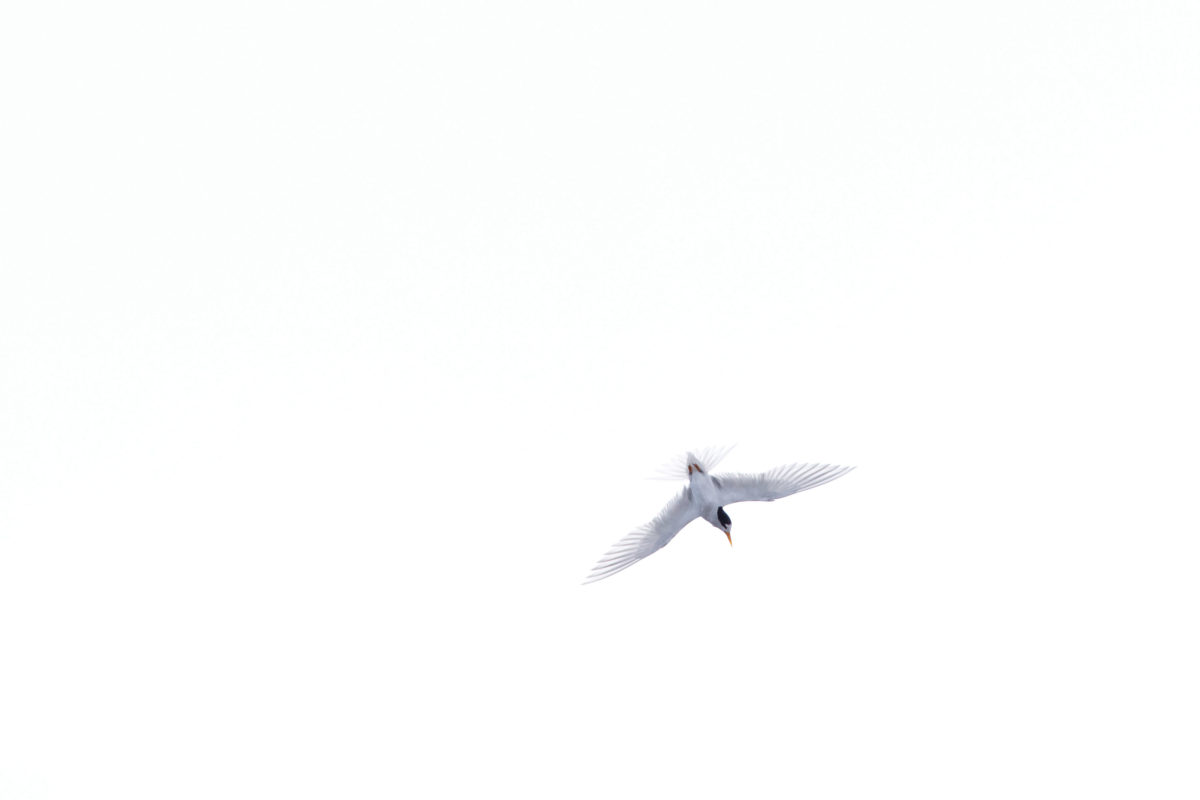
The rarest bird in this country is the fairy tern, with perhaps 36 adults left in existence. It’s got everything going against it: weather, cats, its own DNA, and the fact that humans love the white-sand beaches where it raises its young. Only a small group of people, many of them volunteers, stand between it and oblivion. What will we lose if it vanishes altogether?
 
nz-geo-logos
March 20, 2020
 
162_fairyterns_16
 

Why our fairy terns are in free fall

The rarest bird in this country is the fairy tern, with perhaps 36 adults left in existence. It’s got everything going against it: weather, cats, its own DNA, and the fact that humans love the white-sand beaches where it raises its young. Only a small group of people, many of them volunteers, stand between it and oblivion. What will we lose if it vanishes altogether?


126_ournewsociety_header
 

Great reads for indoor weekends... or self-isolation

Take a seat: these stories are immersive. From shooting fish with bows and arrows to poachers, sponges, show dogs and dinosaur birds: this is a selection of some of New Zealand Geographic‘s most popular longform journalism to while away your time.


screen-shot-2020-03-13-at-12-09-09-pm

Rising from the ashes

In the wake of Australia’s catastrophic bushfires, its forest face another pressure: logging. While it may seem reasonable to salvage timber from ravaged eucalypts, evidence suggests otherwise: burned trees are crucial to ecosystem recovery.


162_geonews_05

Citizen skywatchers

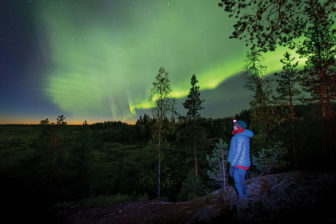
When an undulating curve lit up the night sky above a group of Finnish aurora hunters, they flipped through their guidebook to identify it—but it didn’t look like any of the 30 pictured within.


162_geonews_08

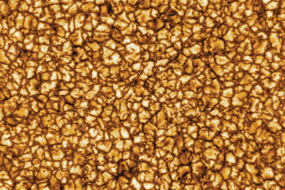
Surface of the sun

Like bubbles in a pot of boiling water, this solar close-up shows convection cells on the sun’s surface. Hot plasma (bright white) rises from the sun’s interior, then cools and sinks (dark outlines). Each convection cell is around 2.5 times the size of New Zealand.


ph_wharffishing
 

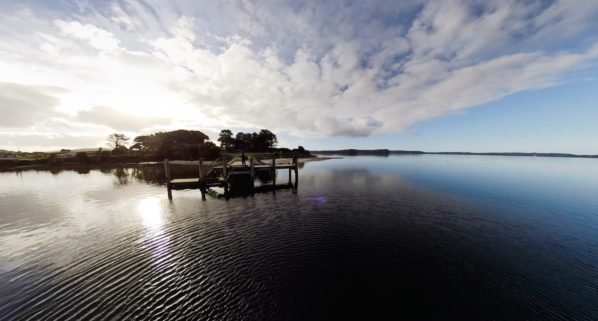
Visit Parengarenga Harbour from your armchair

As the sun goes down on Te Hapua, a local casts a line into the still waters of Parenga Channel, a source of sustenance for generations.

View all the NZVR experiences at nzgeo.com/vr/parengarenga


#NZGeoRadio
 
 
'Whizz in the Wild' campaign urges bush toilet etiquette-media-1
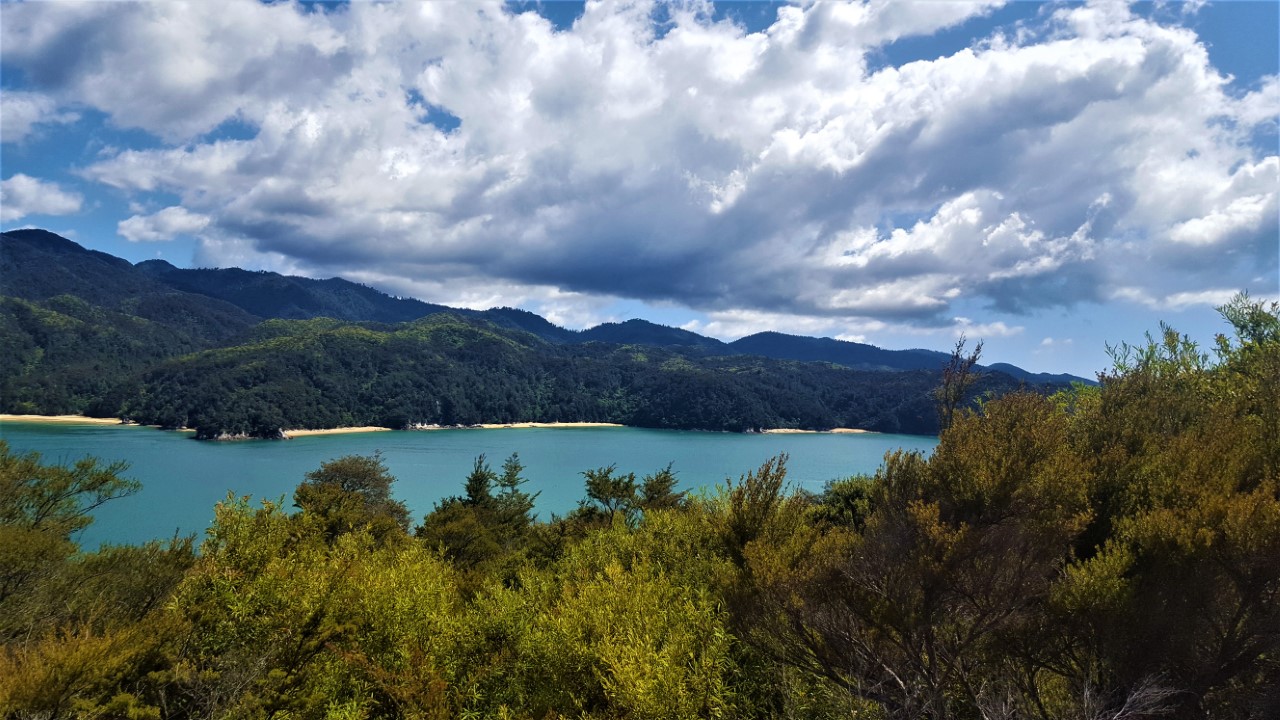
'WHIZZ IN THE WILD' CAMPAIGN FOR LOO ETIQUETTE
DOC's wilderness toileting campaign, Poo in a Loo, doesn't go far enough, says one tourism operator, who has launched his own loo etiquette campaign in Abel Tasman National Park. 
 
 
Water conservation order granted on Te Waikoropupū Springs-media-1
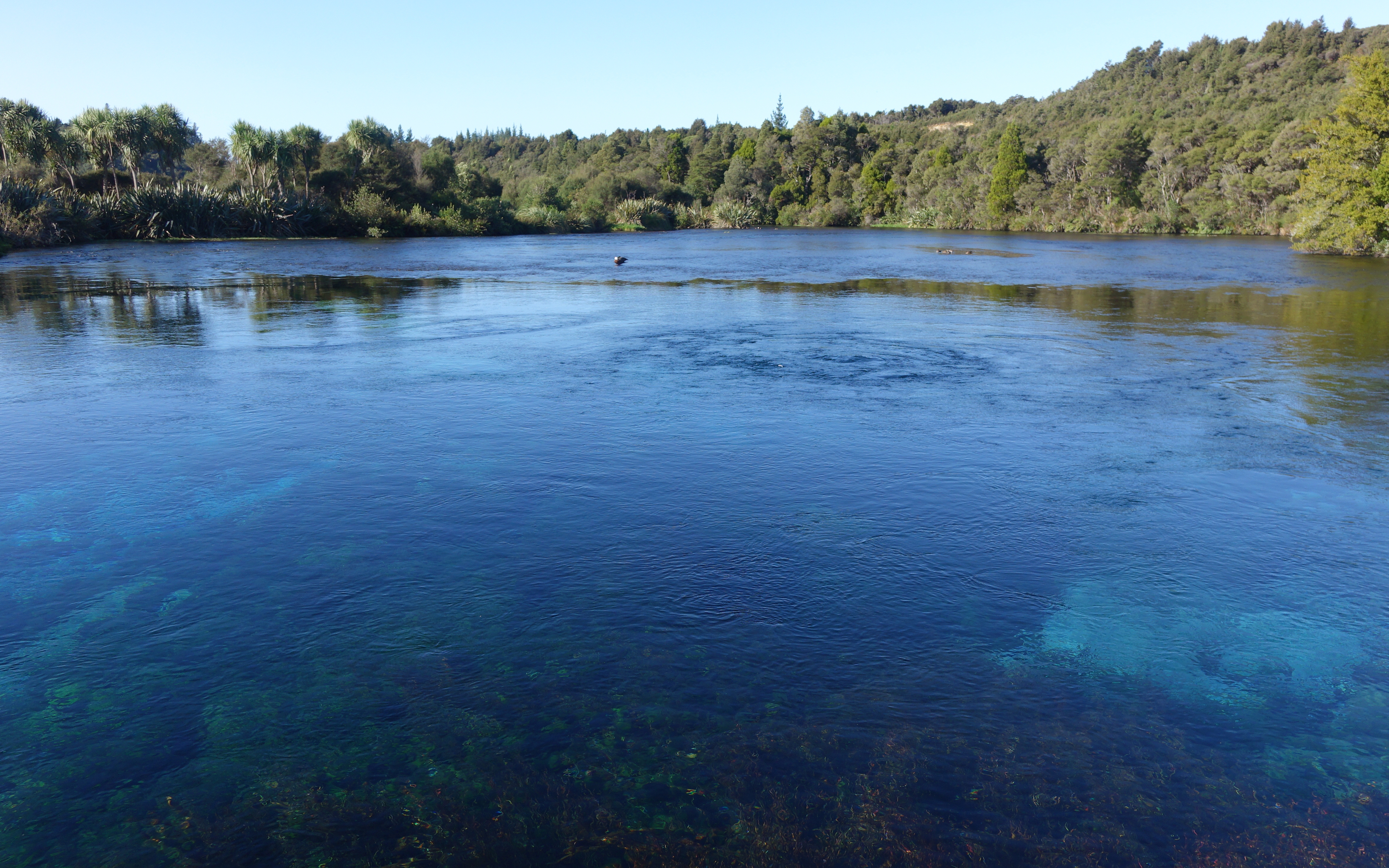
PROTECTION FOR TE WAIKOROPUPŪ SPRINGS
A recommendation has been made to grant a water conservation order for the Te Waikoropupū Springs and the associated Arthur Marble Aquifer in Golden Bay.
 
 
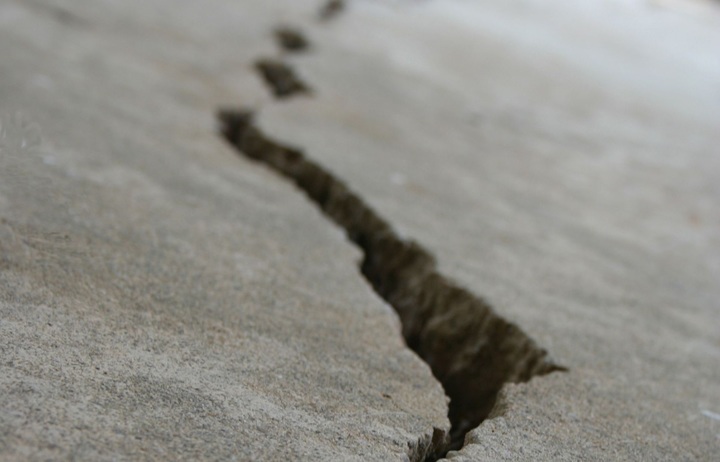
eight_col_earthquake_generic
SCIENTISTS DIG FOR EARTHQUAKE TIMELINES
Scientists have dug a 90-metre-long trench in Hawke’s Bay in search of evidence of past earthquakes. The Aramoana dig is hoped to provide insights that will help identify the earthquake and tsunami risk along the North Island’s East Coast.