|
| |
New issue out Monday!
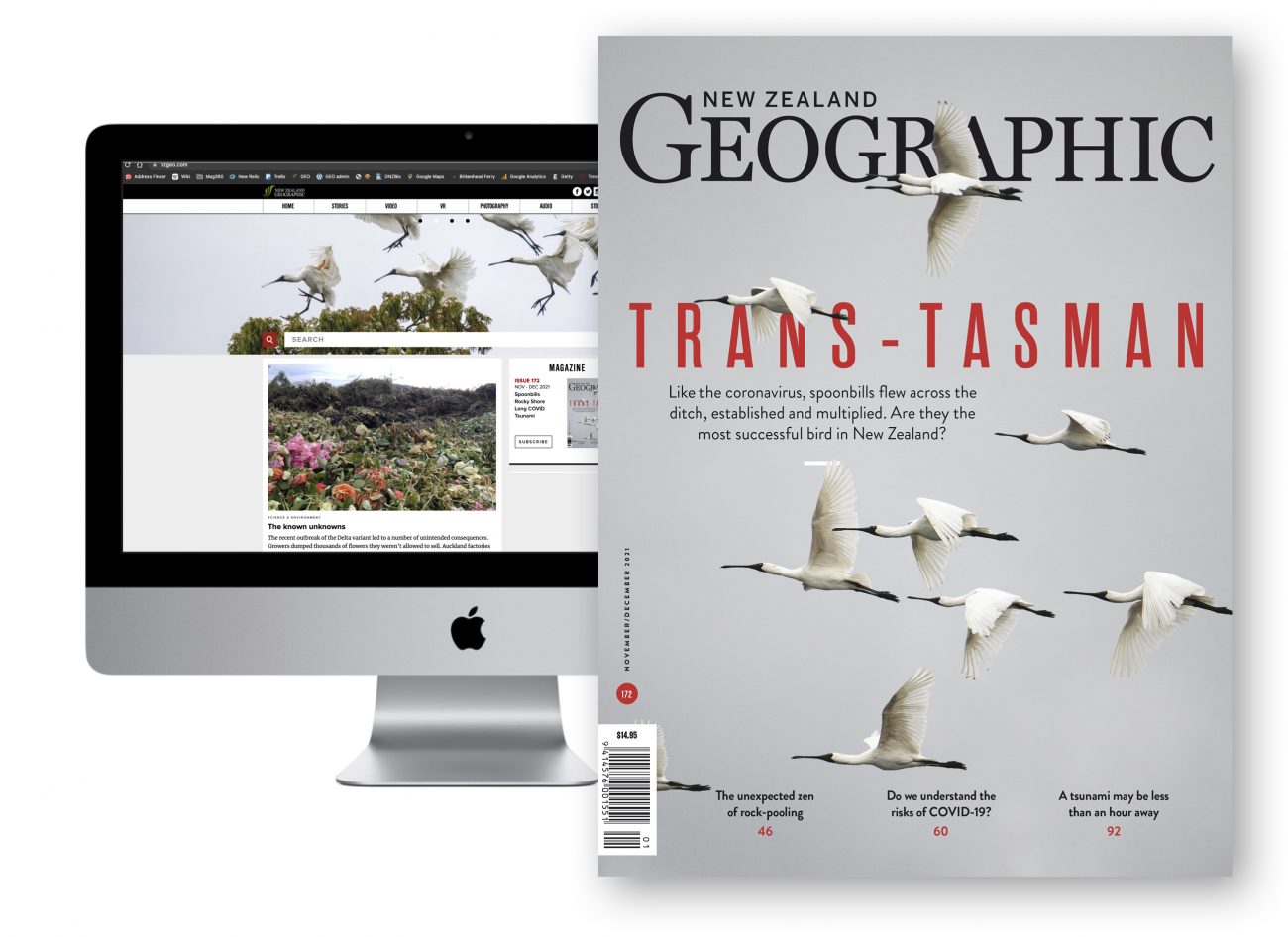
Featuring a bird with a spoon for a face, the unreported story of long COVID, a photographer's lockdown discoveries at his local beach and the new science on tsunami, this issue is full of mind-altering reading and mind-bending photography. Pick yours up at a supermarket, bookstore, or subscribe to receive it on the regular. It's not as much as you think—$8.50 every two months for digital, $12 for print or $16.50 for both... a gold coin a week. Check out the options.
|
|
|
|
| |
Calling all aspiring magazine journalists
We are now accepting applications for The Next Page, a new mentorship programme for three emerging feature writers to work full-time for 23 weeks in 2022 across a range of publications.
Hosted by The Spinoff, Metro, The Pantograph Punch, North & South and New Zealand Geographic, The Next Page is a paid full-time programme running from February to July 2022.
Paid a living wage across the period, writers will spend four weeks at each of the partnering publications, working across a range of forms including essays, criticism, opinion and feature-writing. Applications close on Tuesday, November 2. Find out more here.
|
|
|
|
| |
Naming a new seahorse
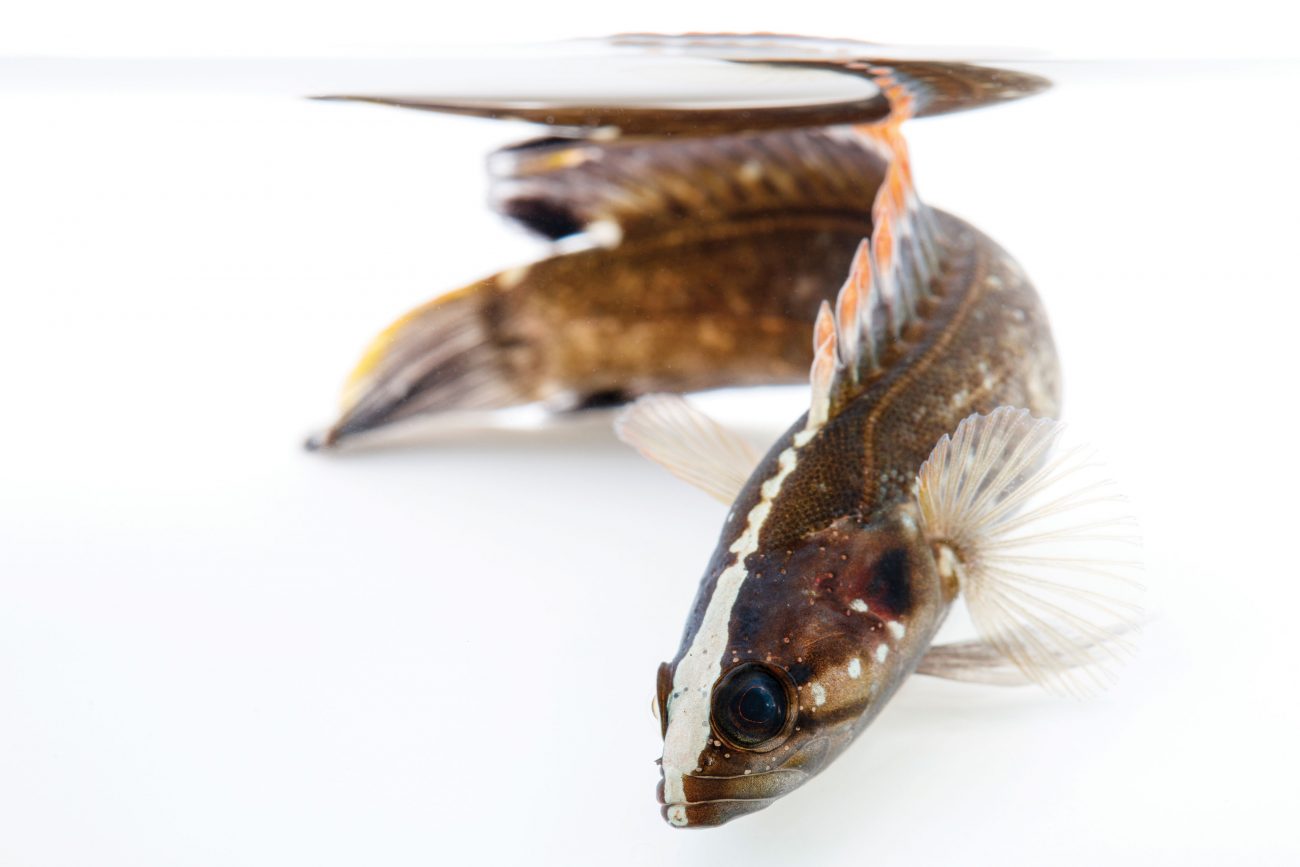
New Zealand has a brand-new endemic species: a tiny, jewel-coloured pygmy pipehorse, just a few centimetres long, that has been hiding in plain sight among the waving seaweeds of the Northland coast.
“It’s very unusual for a new species of seahorse to be discovered in New Zealand,” says Auckland Museum’s head of natural sciences, Tom Trnski, who was involved in naming and describing it. “It’s so well camouflaged, and I think that’s why it’s eluded discovery for so long.” Keep reading...
|
|
|
| |
Better Ancestors: The avian election
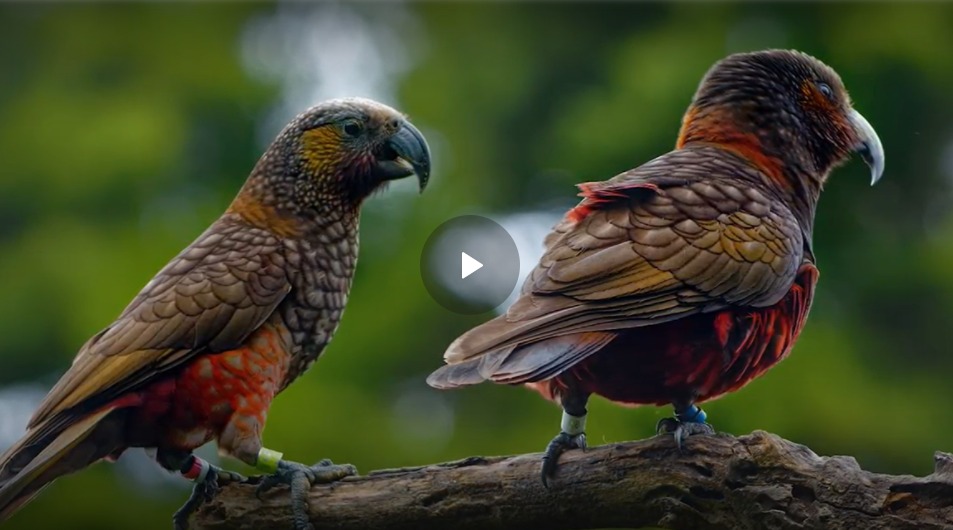
Forest & Bird’s annual campaign to give a voice to New Zealand’s native birds* has grown from a small-scale promotion to a national obsession. Led by teams of volunteers who employ creative—and occasionally fraudulent—methods to drum up votes for their chosen bird, the ‘country’s most anticipated election’ is fun and engaging, but it also aims to draw attention to the serious plight of many of our most-loved birds. “They disperse seed, they pollinate our native trees, they recycle nutrients and because humans are interconnected with nature they’re part of our extended family,” says Forest & Bird’s Lissy Fehnker-Heather. "It’s really important that lots of people are fighting for nature.” Watch the video!
*Controversially, in 2021, the long-tailed bat/pekapeka-tou-roa was also added to the list.
|
|
|
|