|
| |
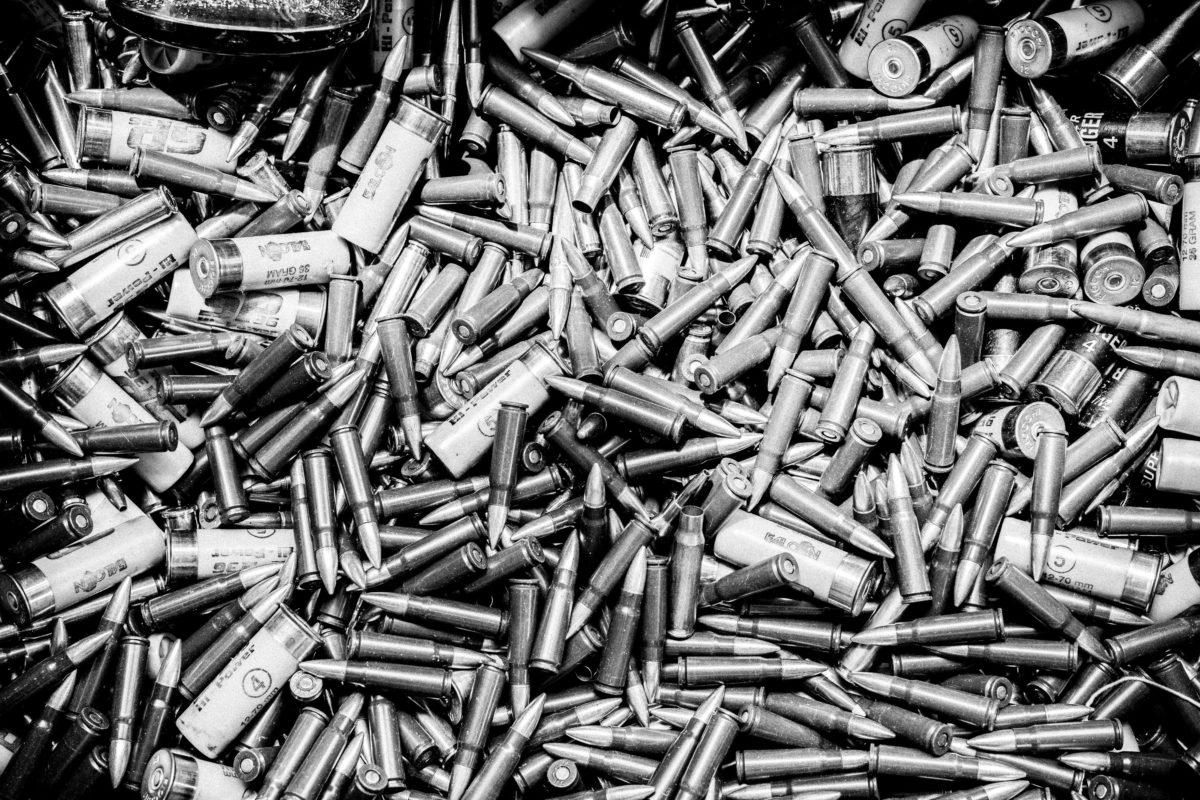
Why do we have so many guns?
Last century, firearms flooded into New Zealand with returning servicemen, and during peacetime guns became synonymous with an honest, healthy way of life in the hills.
Now, there are thought to be 1.5 million firearms in New Zealand—one for every three people—used as conservation or farming tools, or simply for sport.
To some, firearms symbolise self-sufficiency and responsibility. To others, they’ll never be more than instruments of death. But is this issue as clear-cut as it seems?
|
|
|
|
| |
No more blame
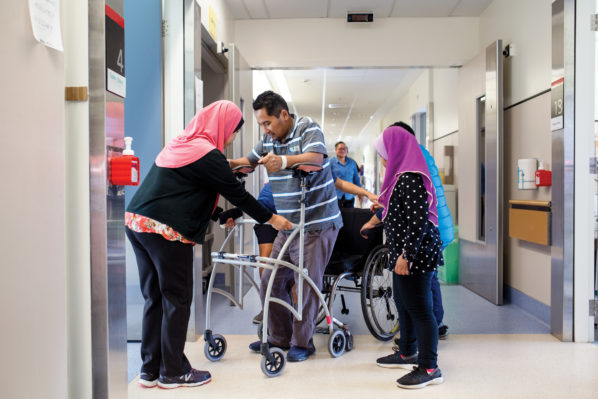
As social researchers seek ways to defuse hostility towards “outgroups”, one United States study has found a simple means to get people to rethink their attitudes towards, in this case, Muslims.
|
|
|
|
|
|
| |
Aotearoa's ark
As some humans ponder their own extinction, others are figuring out the best places to run when the bomb drops, or the power goes off, or the supermarkets shut their doors.
A new study rates the appeal of the world’s islands as sanctuaries from a catastrophe such as a global pandemic.
|
|
|
|
|
|
| |
Bags not
The magazine publishing industry has been working hard over the past 18 months to identify an alternative to the plastic flow-wrap that magazines are posted in. Compostable wrap is one option, but also clogs recycling programmes when put in the wrong place, and only breaks down in your compost bin in a limited range of temperatures. So along with WasteMINZ we've designed a survey to figure how who composts, and how, to see if this is a viable alternative.
If you have a few minutes to tell us about what composting and recycling alternatives work for you, it will help us make an informed decision. Plus you go in the draw to win a $250 Bunnings voucher and a sub to the NZ magazine of your choice... even NZGeo! Spare a moment and take the survey here.
|
|
|
|