|
For one day in February, volunteers gather at Te Waihora early in the morning to count birds. Armed with binoculars, they survey mudflats and saltmarshes along 58 kilometres of shore, recording every bird they spot. Waterfowl, waders, Arctic migrants, shags, herons, gulls and terns—the volunteers have counted an average of 49,000 birds every year since 2013. Te Waihora is also well known as one of New Zealand’s most polluted lakes, with some of the country’s highest concentrations of sediment, nitrogen and phosphorus. Keep reading...
|
|
|||||

|
|
|
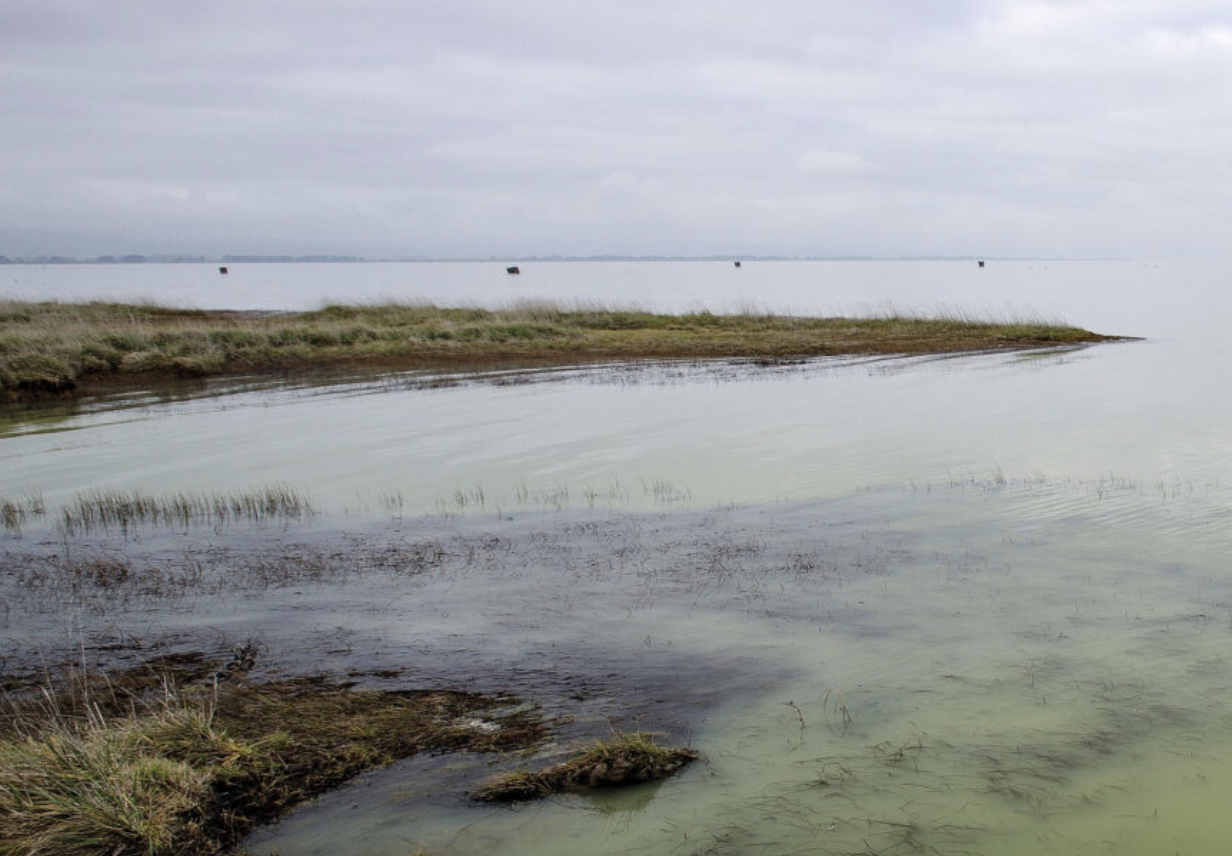
A new life for Te WaihoraFor one day in February, volunteers gather at Te Waihora early in the morning to count birds. Armed with binoculars, they survey mudflats and saltmarshes along 58 kilometres of shore, recording every bird they spot. Waterfowl, waders, Arctic migrants, shags, herons, gulls and terns—the volunteers have counted an average of 49,000 birds every year since 2013. |
||
|
|
|
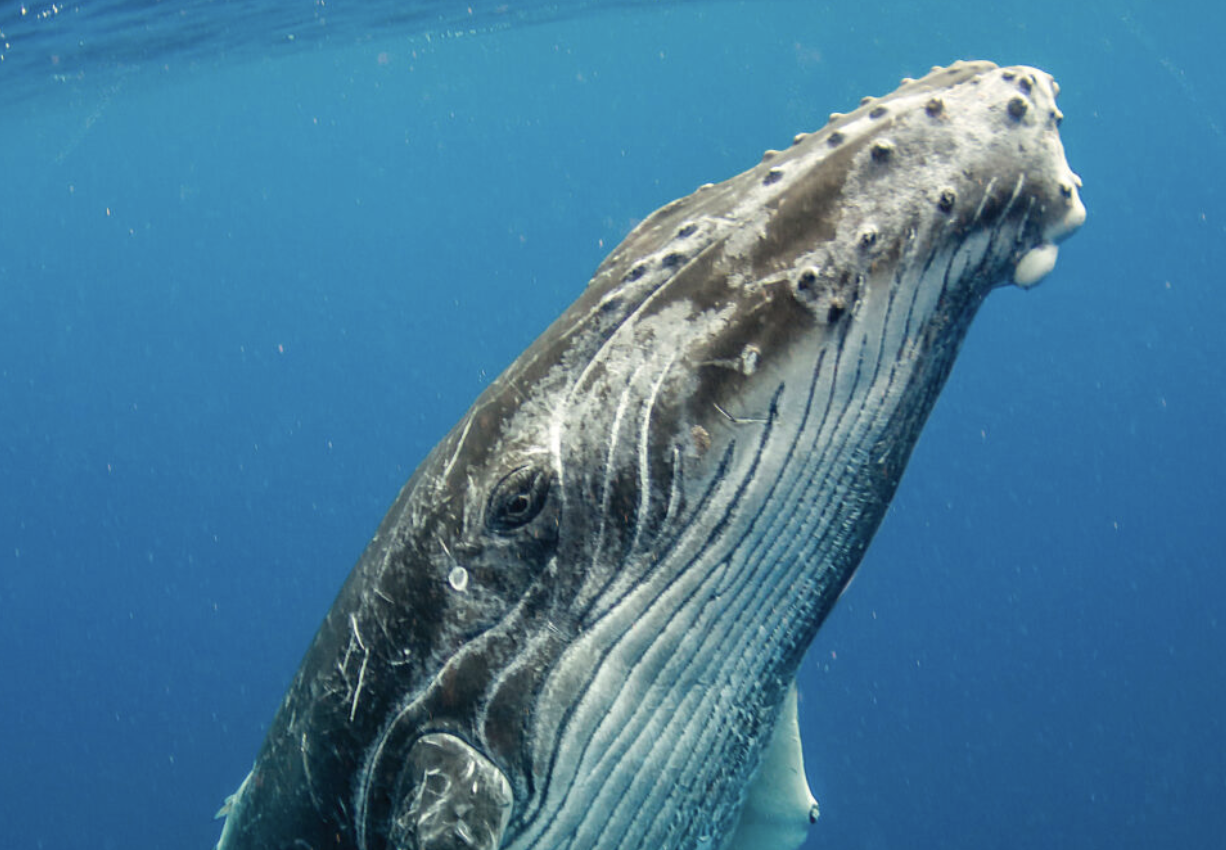
Catchy whale songsHow do you trace the travels of a humpback whale? You listen to its song. Whales learn songs from each other, so their vocal patterns are clues to who they’ve been hanging out with—and where. Every winter, humpback whales leave their Antarctic feeding grounds and swim 5000 kilometres north to the tropics to breed. Some swim up the east coast of Australia, while others pass through New Zealand waters. Keep reading... |
||
|
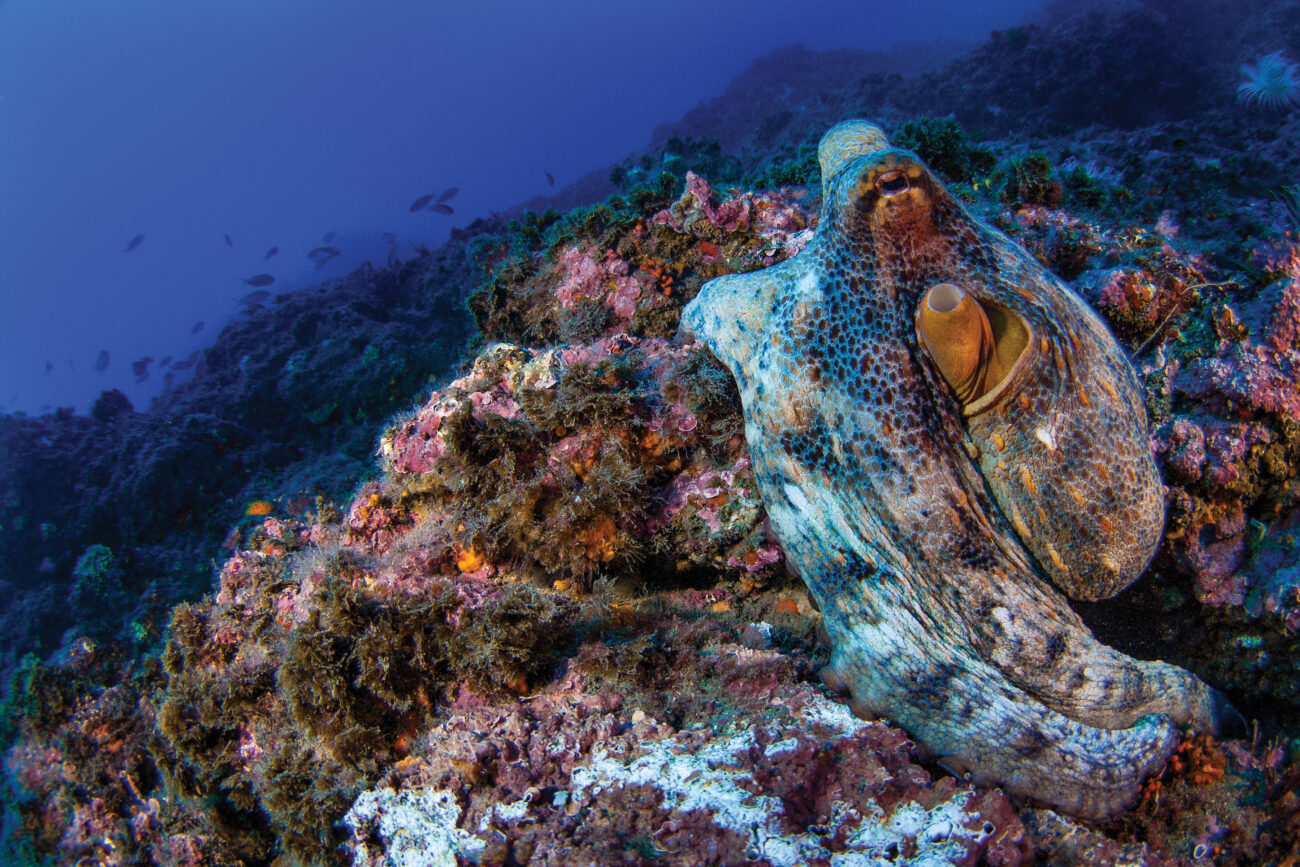
Octopuses beat up fishScientists have filmed multiple instances of octopuses punching fish in the Red Sea during so-called collaborative hunting expeditions. An octopus may join forces with several species of fish to increase its chances of nabbing a meal. To untangle the dynamics of these complex inter-species interactions, researchers filmed several cooperative hunting bouts using underwater cameras. They filmed eight instances of octopus-on-fish violence, finding a number of possible reasons for the octopus picking a fight. Keep reading... |
||
|
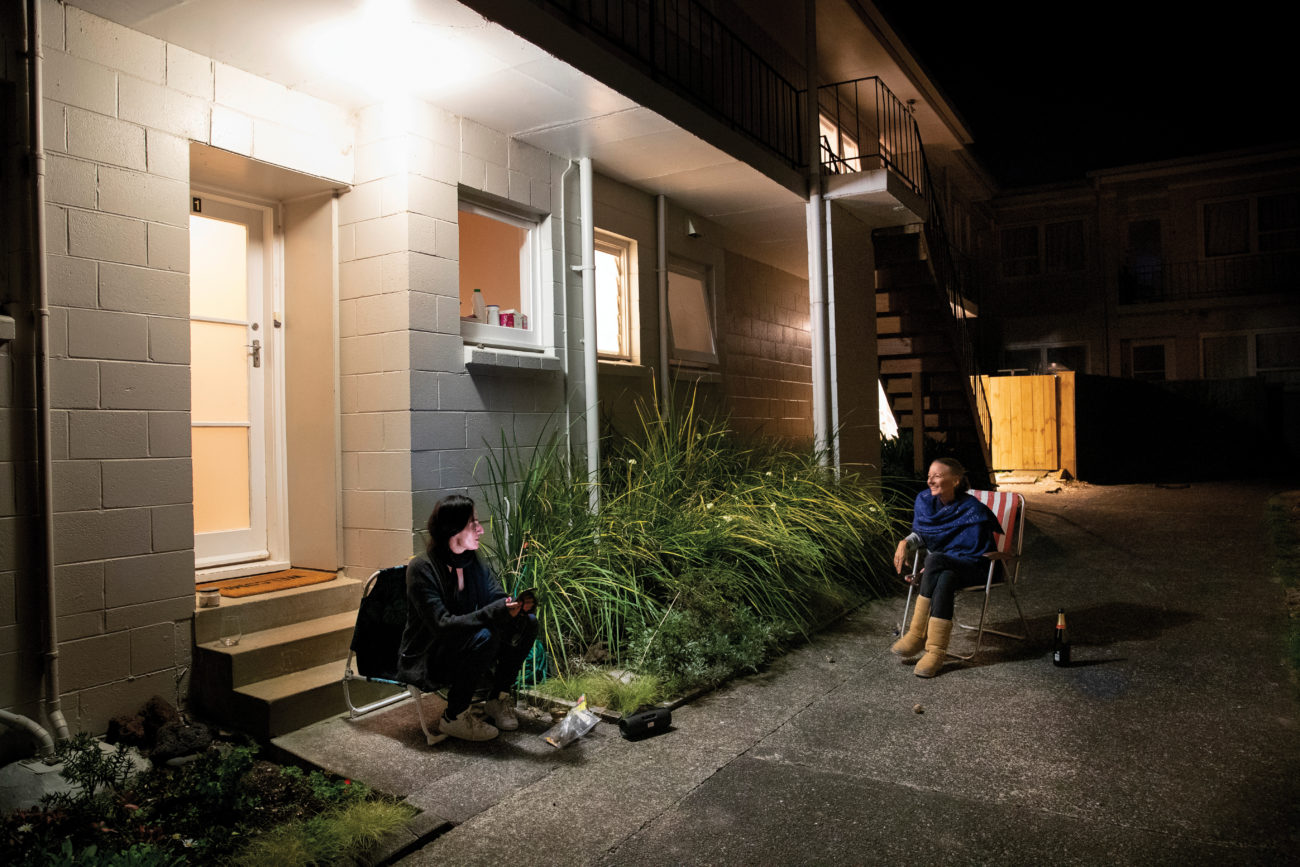
Remember last March?A year ago this month, New Zealand entered a nationwide lockdown to stop the spread of COVID-19. This is the story New Zealand Geographic produced during that time, a record of what people were experiencing and thinking, as modellers attempted to predict the future and scientists scrambled to learn about the virus. Keep reading... |
||
|
|||||


 |