|
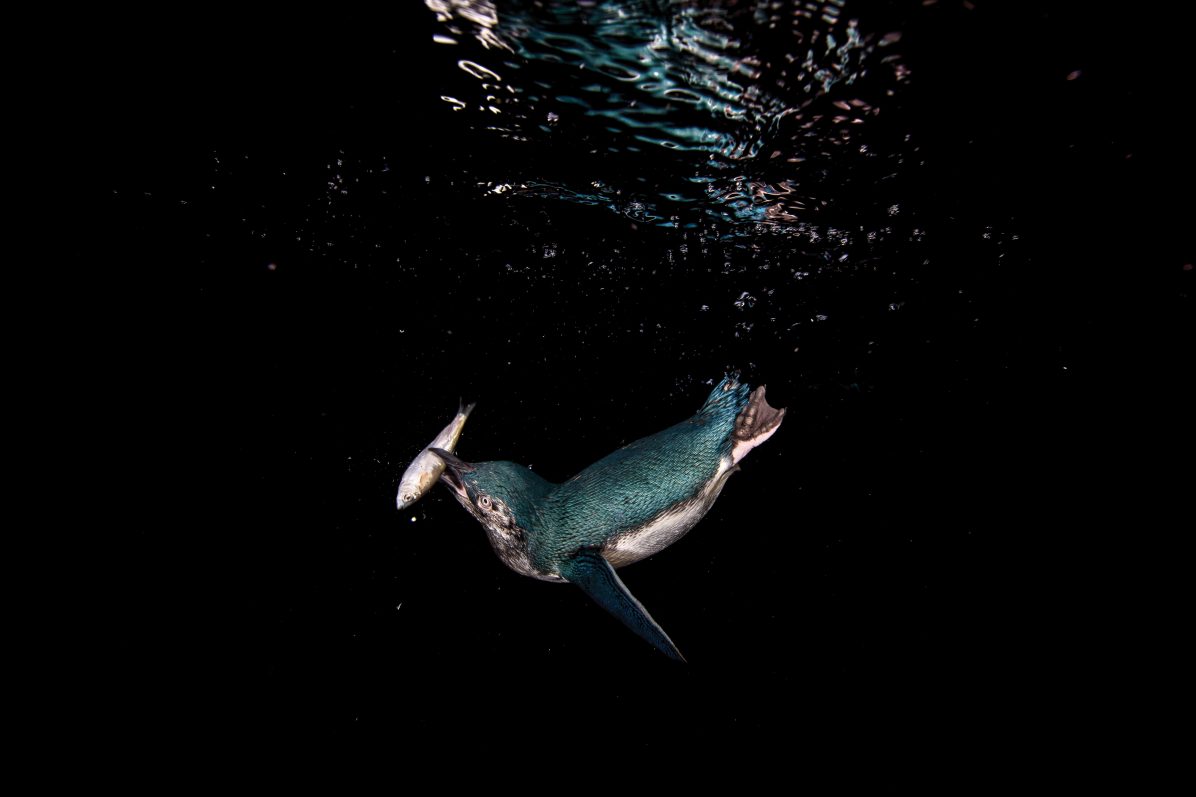
Why did hundreds of dead kororā—little blue penguins—wash up on beaches around the country two summers ago? Has their fate got anything to do with the weather? Or has it got something to do with us?
|
|
|||||

|
|
The wreck of the penguins
Why did hundreds of dead kororā—little blue penguins—wash up on beaches around the country two summers ago? Has their fate got anything to do with the weather? Or has it got something to do with us? |
||
|
|||||
|
|||||
|
|||||
|
|
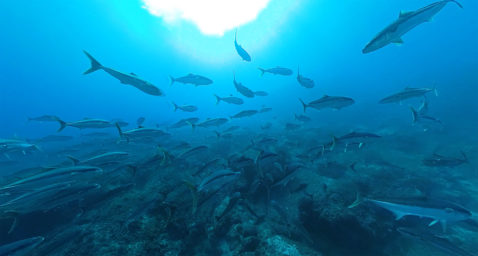
Dive among kingfish from your armchair
Director of photography Richie Robinson expertly pilots a dive scooter alongside a school of kingfish, thronging in the shallows at Meyer Islets. Tropical waters are typically less rich in nutrients than the temperate water around New Zealand, meaning less baitfish are available. As a result the kingis can be more slender, and often turn to eating juvenile petrels. |
||
|
|||||


 |