|
| |
At the zoo.
We've changed our minds about zoos should be over the past generation. Let's visit Auckland Zoo to figure out what we've learned...
At Auckland Zoo there’s an elderly primate whose unobtrusive presence and minimalist surroundings understate her significant role in our history. Isolated from the other chimps, she looks lonely, but this is her choice. She doesn’t get along with her fellow primates and prefers her solitary enclosure to their park-like surroundings. When her longtime friend, Bobbie, died four years ago, Janie, 58, became the last of the famous tea party chimpanzees.
|
|
|
|
| |

|
Talking points
Discuss the ideas presented in the story with your family—at home or over video conferencing. Find ways to involve as many people as possible, especially those who you know are isolated by the lock-down. - What are your favourite parts of your local zoo? Do you have a favourite animal? What do you love about it? Has your favourite animal changed since you were younger? What feelings do you have when you are watching your favourite animal?
- When you look at the top photo of the three chimps having a tea party in front of the audience, what do you think? Does anyone in your family remember going to see these chimps having their daily "tea party" at the Auckland Zoo—or perhaps riding on the elephant in the 1950s?
- The tea party and elephant rides were stopped in the 1970s as people began to think differently about how we should treat captive animals. We began to feel we were exploiting animals. Do you agree that we should have stopped? Why or why not?
- In the 1970s the chimps and other animals at the Auckland Zoo were given massive habitat changes. Instead of a small concrete enclosure they were given large, leafy enclosures. How might this have affected the chimp's well-being? What has changed again since the 1970s—for example what do you think might be some of the new features of the new South East Asia primate enclosure that opened this year at Auckland Zoo?
|
|
|
|
|
|
| |
What happened on Stack H?
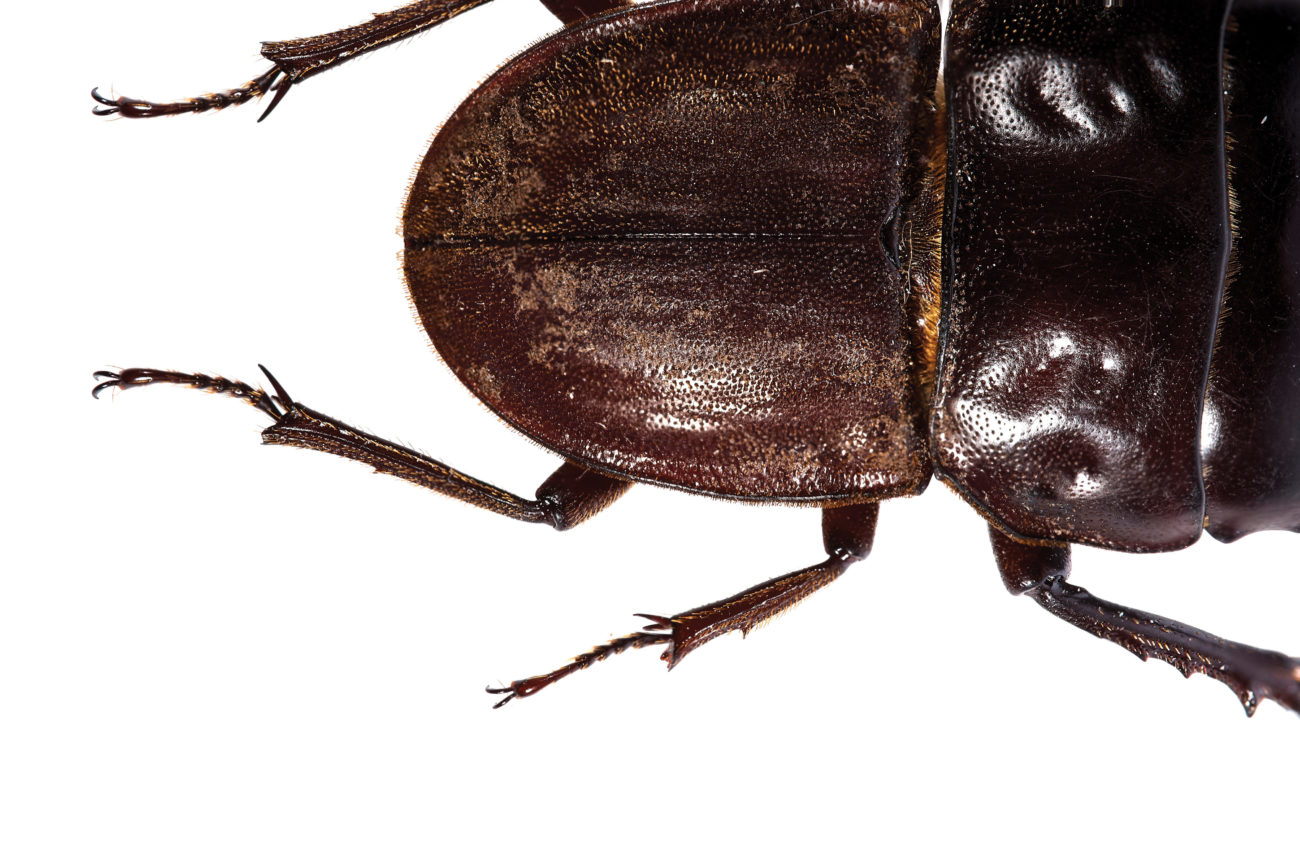
Zoos are now places where visitors can learn about animals and the ecosystems they live in. They are also places where vulnerable species can be looked after so that wild populations are supported. If you'd like to learn more about zoos supporting conservation, this article is all about how a rare beetle species could have been saved from probable extinction by being bred at Auckland Zoo.
|
|
|
|
| |
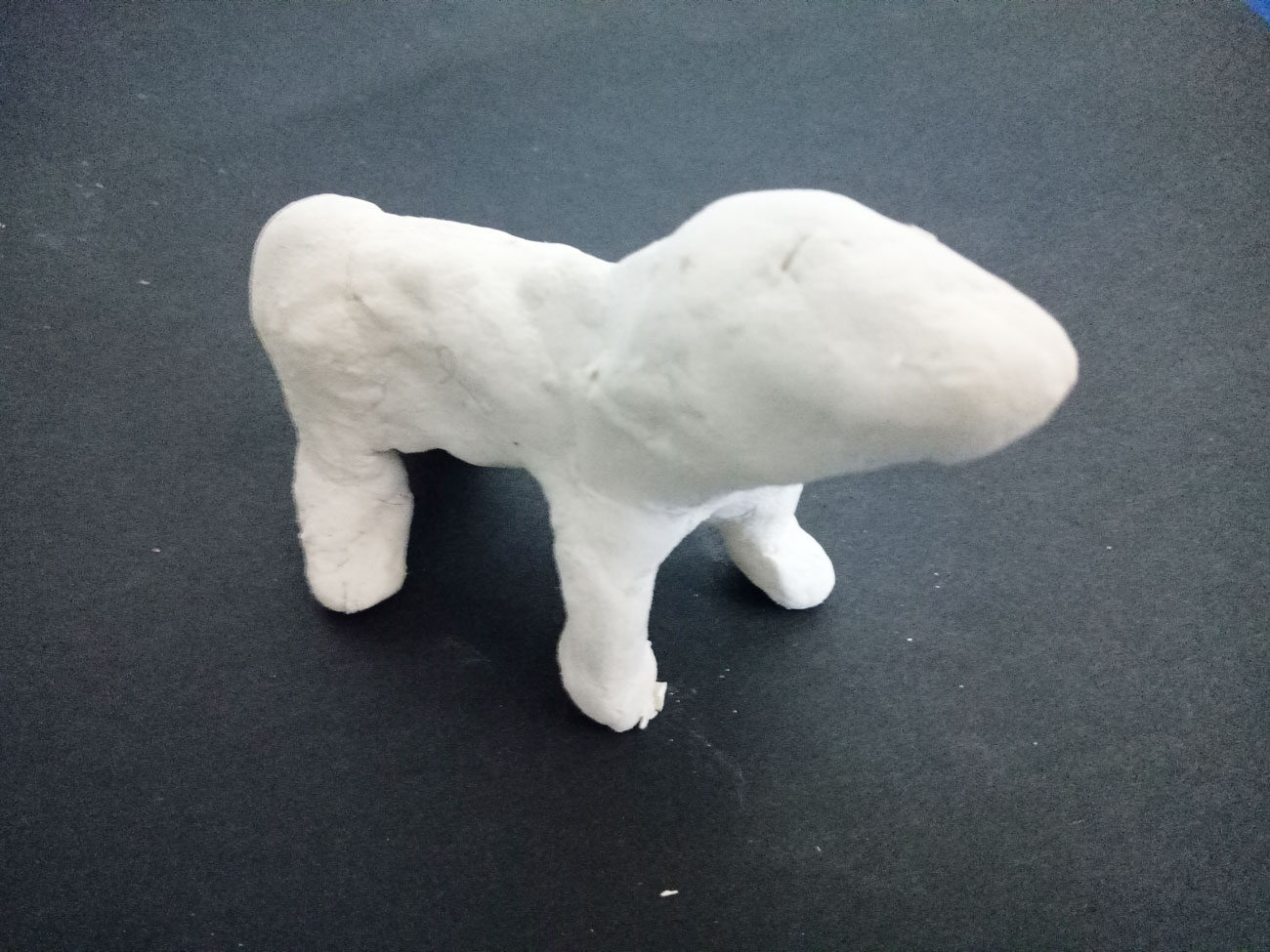
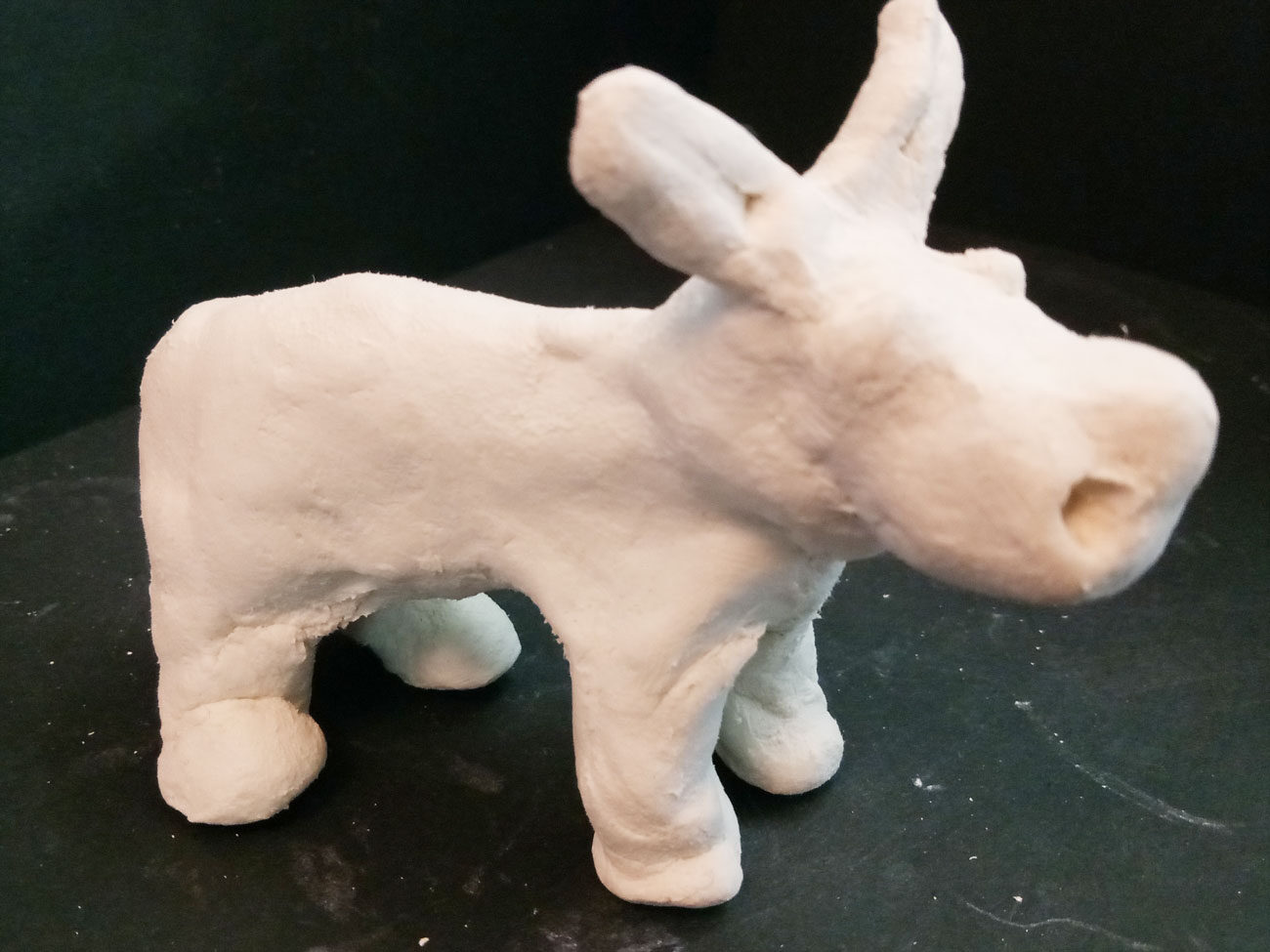
Activity: Make a baby rhino out of clay
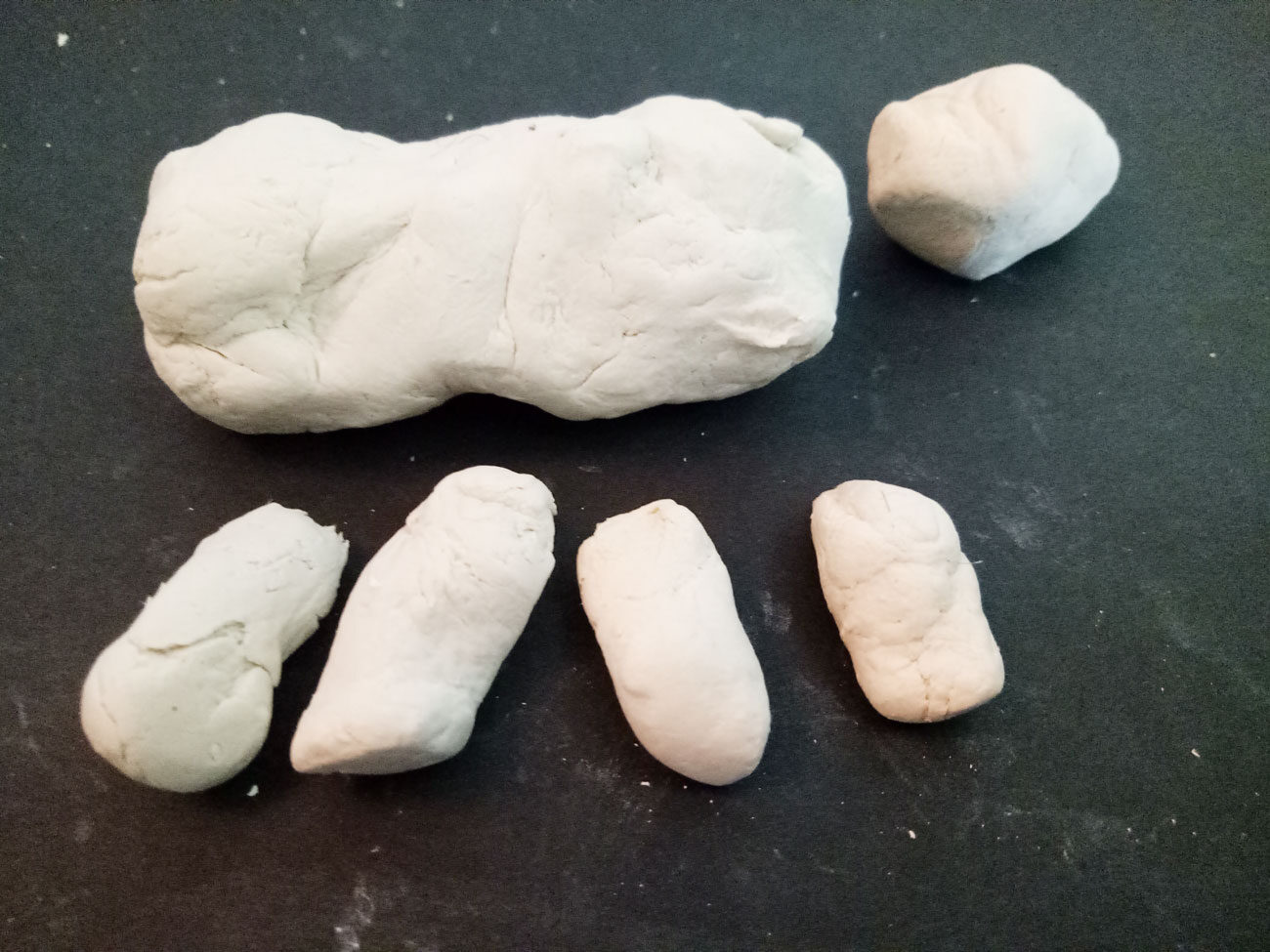
A baby rhino has just been born at Auckland Zoo. Celebrate by making your own! - Take a small amount of clay, either a shop-bought clay such as air-dry clay, or home-made salt-dough.
- Make a large potato shape for the body, a small one for the head, and four legs.
- Gently press the legs and head onto the body and shape it with your fingertips.
- Look at photos of the baby rhino to help you get the proportions right.
- Add ears, eyes and nostrils. Using the blunt end of a kebab stick is a good way to help with these details.
- Let your rhino dry and paint it if you want to.
- Make sure you give it a name!
Send us a picture of your baby rhino clay model!
|
|
|
|
|
|
| |
Sunday doco: Awesome Pawsome
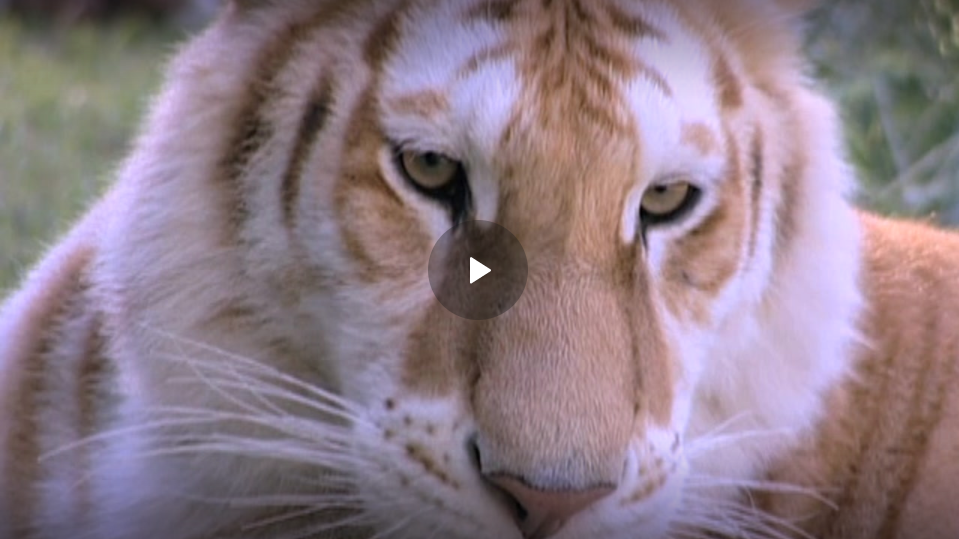
In 1995, Dreamworld, on Australia’s Gold Coast, acquired six captive-bred Bengal tiger cubs from California and set them up in a large, open public display area, ‘Tiger Island’, modelled on a similar facility in San Francisco, USA. At Dreamworld, the tigers and a group of dedicated, experienced handlers — two of whom are American, from the San Francisco complex — share everyday life in what is essentially a living educational exhibit. The relationships that now exist between animals and handlers are very close.
|
|
|
|
| |
How do NZGeo digital subs work?
You can access three items per month totally free on NZGeo.com, and thereafter it costs $1 per week for a digital subscription. (We bill $8.50 every two months to a credit card, or $50/year if you prefer.) A digital subscription gives you access to more than 10,000 stories and 400 hours of natural history documentaries on-demand, on any device.
|
|
|
|
|
|


![145_Viewpoint_shutterstock_227311084-[Converted]](https://cdn.nzgeo.tv/2017/04/145_Viewpoint_shutterstock_227311084-Converted-336x336.jpg)