|
Why does weather forecasting have to make money? Also: the perks of being turquoise; councils spend big on bad lighting.
|
|
||||||||


|
Senior editor, digital |
|
In a watery land like ours, floods are difficult to predict. We have 425,000 kilometres of rivers, but they’re short and steep, so they rise quickly when the weather turns. Some parts of the country get 15 metres of rain in a year. The cost to insurers of just two disasters this year, the Auckland Anniversary Day floods and Cyclone Gabrielle, will be $3.5 billion. And that’s not counting smaller events, like the Southland and Otago floods in September (pictured below). What if we could predict floods? Get people and livestock out of the way? A team of scientists have figured out how to do it. They have the computing power, but they don’t have the data—all because of a government requirement going back to the early 1990s for MetService to turn a profit. |
|
|

|
CLIMATE We could forecast floods better. Why don’t we?Floods are New Zealand’s most frequent disaster, and one of the most expensive. But regions have varying abilities to predict floods depending on local councils’ ability to buy weather data. And though that data is publicly funded, scientists who have created a national flood-forecasting system cannot put it into practice without free access to the same information. We have a choice ahead of us about what to prioritise: the profitability of our research institutes, or public safety. Keep reading... |
MORE ON FLOODS |
|

|
JUST SO May the most turquoise grasshopper winOn warm days, thermocolour skyhoppers undergo a dramatic change. When temperatures are lower than 10°C, male skyhoppers look brown or black. But as the day warms, tiny transparent granules rise to the surface of the cells just beneath their exoskeletons. The insects become vivid turquoise, reaching peak brightness above 25°C. That’s also when they start to fight. Now, one scientist is trying to figure out what the connection is between the skyhoppers’ colour-changing ability and their tendency towards violence. Keep reading... |
MORE JUST SO STORIES |
|

|

|
SUBSCRIBE TO SUPPORT OUR WORK New Zealand Geographic is a Kiwi-owned family business striving to celebrate and investigate our environment and society. While advertising and retail income goes up and down, it is subscriptions from readers like you that power long-term journalism projects from around New Zealand and help us keep the lights on. It's not as much as you think—$8.50 every two months for digital, $12 for print or $16.50 for both... a gold coin a week. Check out the options. |
||
|
|
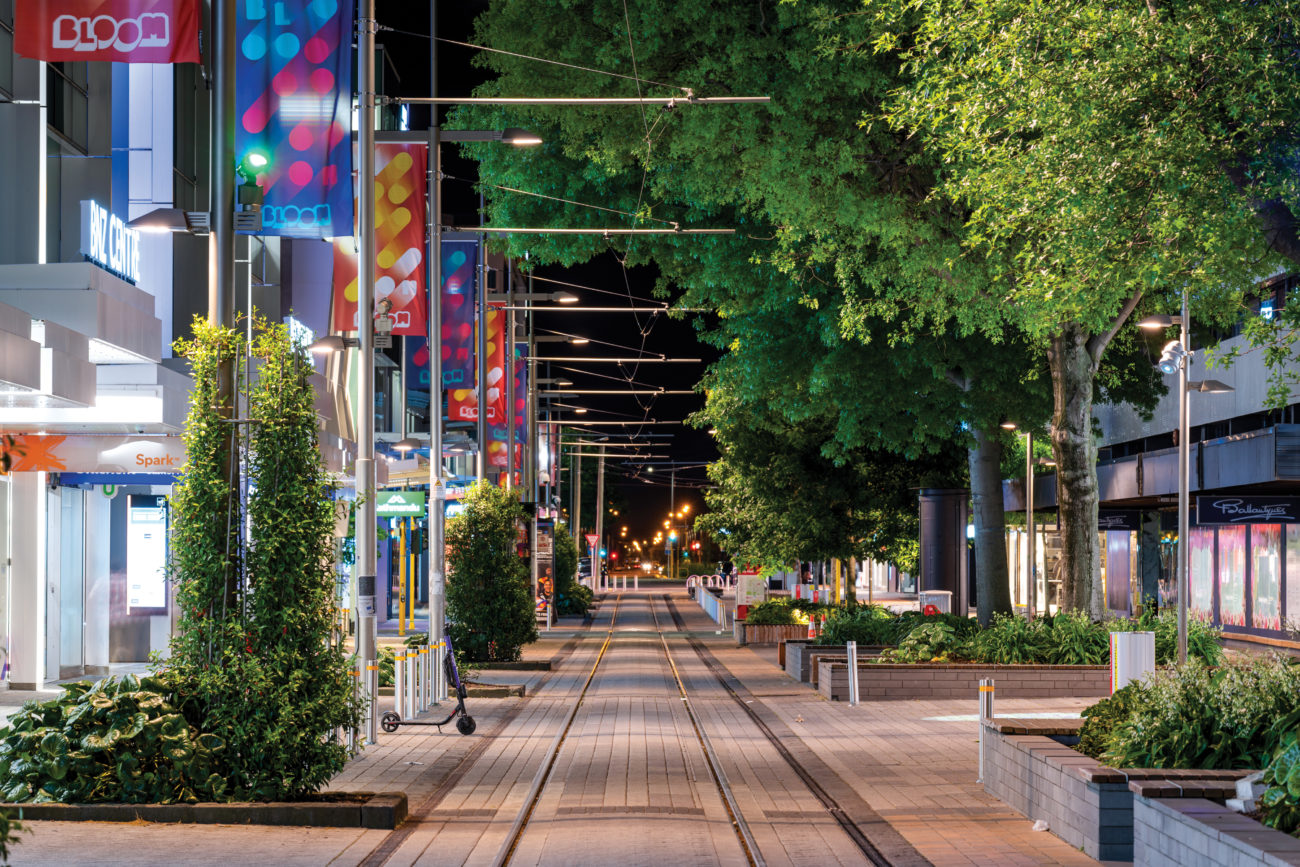
ENVIRONMENT Councils spend big on lighting that’s bad for everyone’s healthTwo scientists studying New Zealand’s light pollution have found that most of our public lighting has been changed to a type that negatively affects human and animal health. Councils have been using millions of dollars of Waka Kotahi funding to replace streetlights with LEDs—but most of these are blue-white LEDs with a colour temperature of 4000K. The International Dark Sky Association recommends lights should be 3000K or less, and some European countries don’t allow anything over this. A few councils in New Zealand are light-savvy: Kaikōura recently installed dimmable 3000K and 2200K LEDs to help protect the light-sensitive Hutton’s shearwater, which keeps crash-landing in town. Keep reading... |
|

|
|
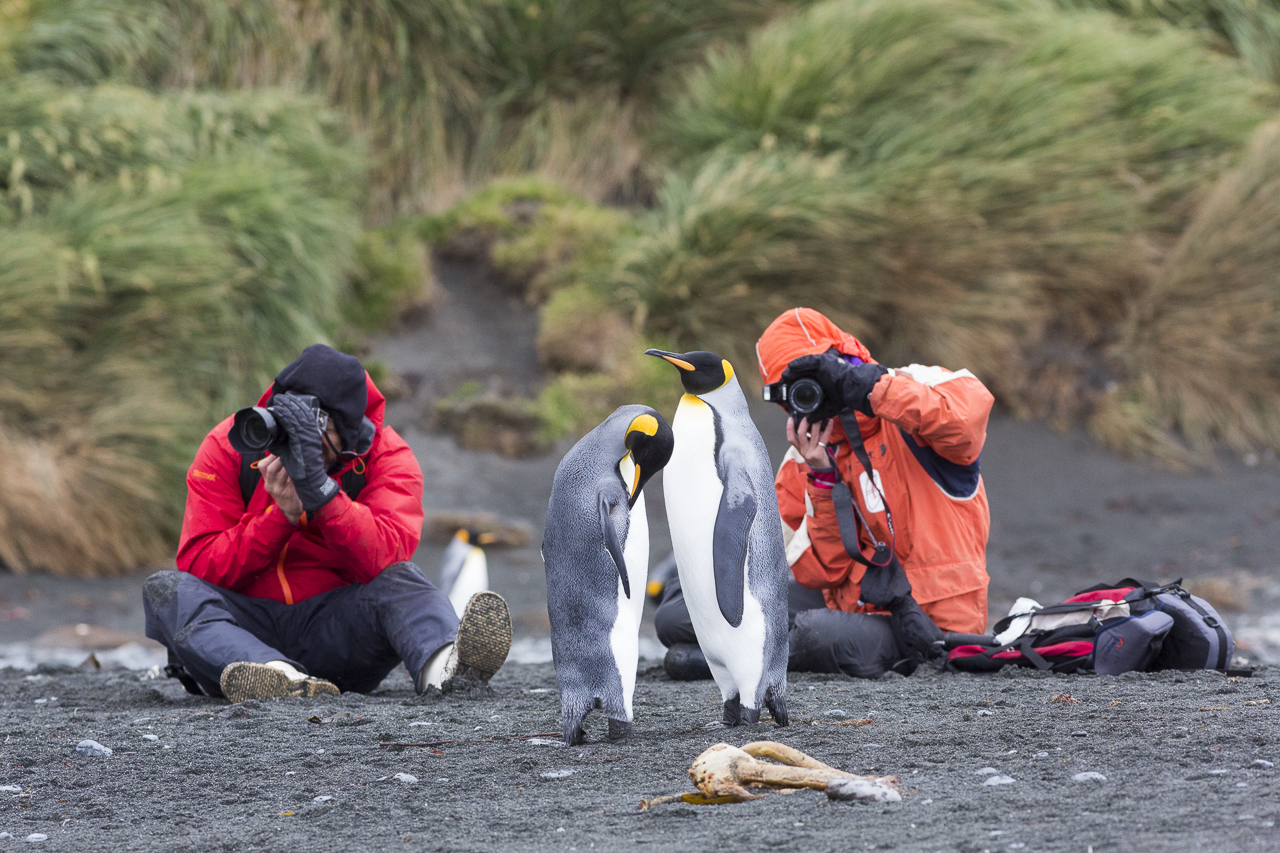
Reader Expeditions Experience is everythingNew Zealand Geographic and Heritage Expeditions have partnered up to offer readers the chance to visit some of the more remote corners of New Zealand with special expeditions featuring expert guests. Galapagos of the Southern Ocean, 30 December 2023 – 10th January 2024: Heritage Expeditions organised New Zealand’s first commercial expedition to the Subantarctic Islands in 1989. Over 100 expeditions later, ‘Galapagos of the Southern Ocean’ has become one of its signature voyages and readers can join a special ten-day voyage with zoologist, conservation biologist and wildlife photographer Prof. Murray Potter as the onboard expert. Learn more > To Distant Shores, 1st March – 8th March, 2024: This voyage combines three amazing destinations – Stewart Island, Fiordland and The Snares – into one eight-day itinerary, with ex-director general of DoC and renowned conservationist Lou Sanson as the onboard expert. Learn more > Find out more about each expedition and book your tickets now. |


