|
Bonsai are teeny-tiny. But for some New Zealanders, they have a way of taking over.
|
The Weekender |

|
|
|
Free newsletter
|
SEPTEMBER 6, 2024
|
|

|
Publisher |
|
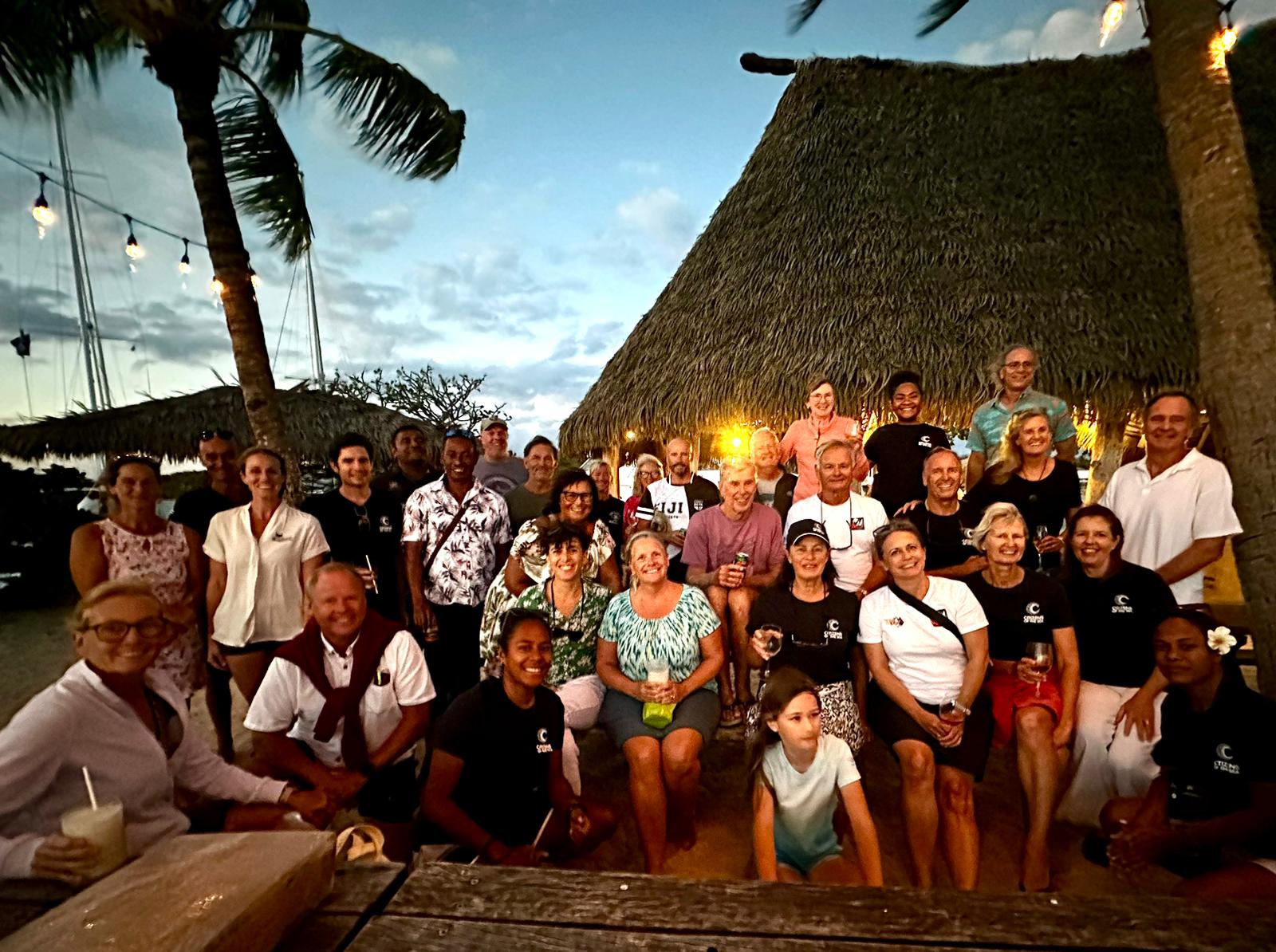
This week I've had the pleasure of being in Fiji to welcome sailors participating in Citizens of the Sea—the ocean data programme we launched with Cawthron Institute in May. To date they have collected more than 500 eDNA samples and two dozen photogrammetric models of coral reefs, covering an area of some 1.5 million square kilometres, the largest such programme in the world. The sailors were tanned, windswept and charged with the joy of filling long-held dreams of sailing the South Pacific. But they also described how this programme gave their peregrinations some larger purpose. They were not only benefiting from the ocean, but contributing to a better understanding of this vast ecosystem which may ultimately result in better management decisions of our seas and atmosphere... something that ultimately benefits all of us on this blue planet. |
|
|
|
Support the cause: If you enjoy local journalism about our environment like this, the best way to support it is by subscribing. Digital subscriptions cost barely a dollar a week, but we also publish a print mag for those who, like me, find reading more engrossing and relaxing on paper. |
|
|
|
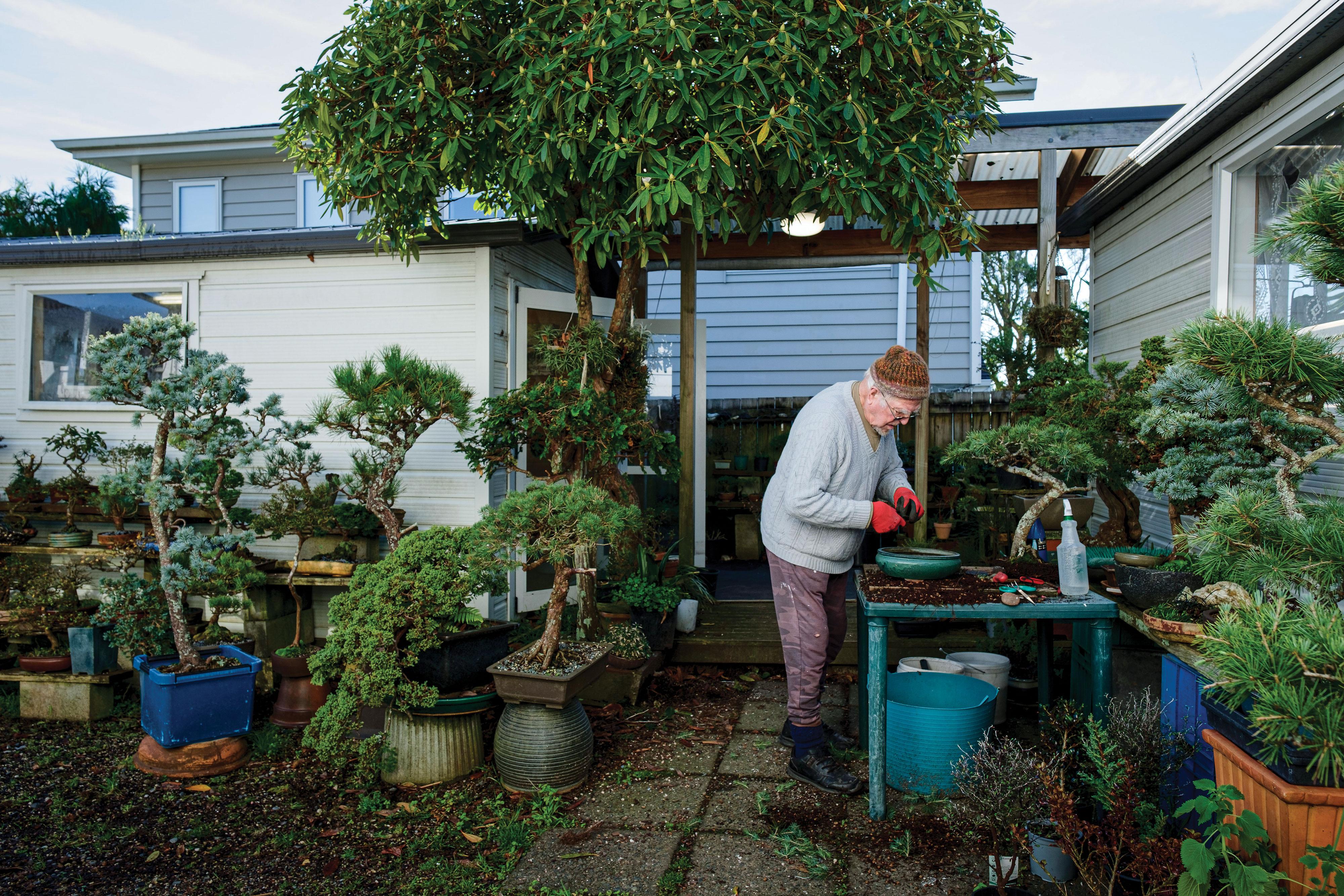
SOCIETY Bonsai are teeny-tiny. But for some New Zealanders, they have a way of taking overAt the Hutt Valley Tramping Club a couple of dozen people sit around a table, tiny trees and cups of tea plopped before them. The cedar smell is heavenly. “Like Christmas and sweat,” somebody says. Garth Lippitt, the secretary of Wellington’s bonsai club, is arranging pines into a tiny grove, dithering over the composition; a group gathers to hmm-haw at it. A woman shares a technique with the newbie beside her, gently wiring copper around branches to shape them, trees and humans entwined. Bonsai, perhaps more than any other form of gardening, is deeply collaborative—each plant’s history is held in the subtleties of its form, in murmurs of shapes and hollows. One man doesn’t want his name used, but is pleased to introduce me to his hawthorn, tracing its lineage with his finger. A crook here, a curve there. “This bonsai was cared for by a Korean guy for 20 years, then an Aussie who follows the Japanese style of sweeping movements as opposed to angular,” he explains. “It’s collective art.” |
MORE STORIES ABOUT COLLECTIVE ART: |
|

|
|
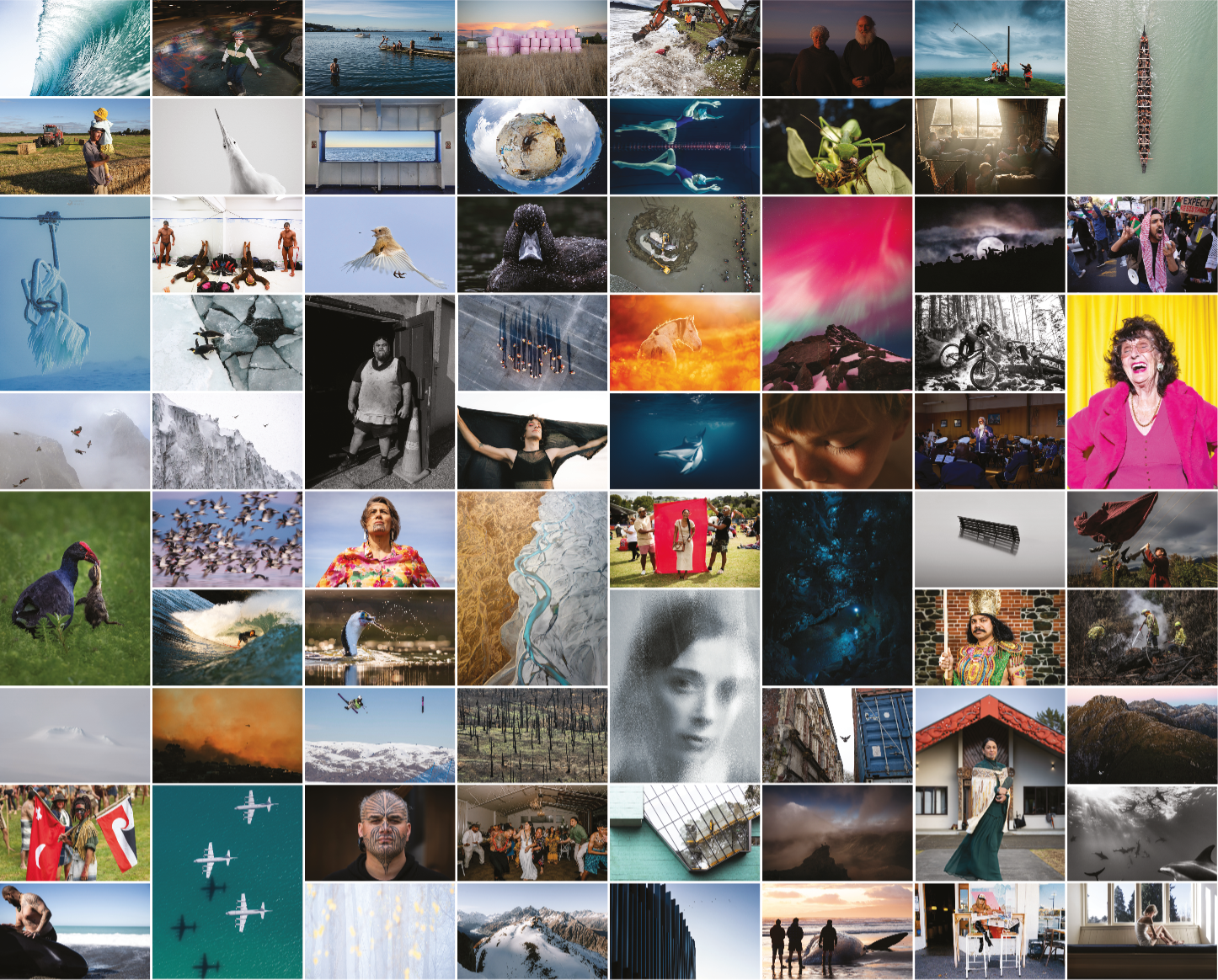
Photographer of the Year A year in photosEvery year, the peaks and troughs of existence in New Zealand are visually summarised in the New Zealand Geographic Photographer of the Year competition and exhibition. This year, 69 finalists are the pixel-perfect description of 2024—from wild beauty to destructive wild fires, ocean depths to mountain tops, triumph and tragedy. We have portraits of local heroes, celebrities and family. Each has been judged for its photographic brilliance, but now it’s your turn to tell us which images resonate most with you. Visit the exhibition in the atrium at Britomart, Auckland, and vote for five of your favourites for the People’s Choice award online... |
|

|

|
|
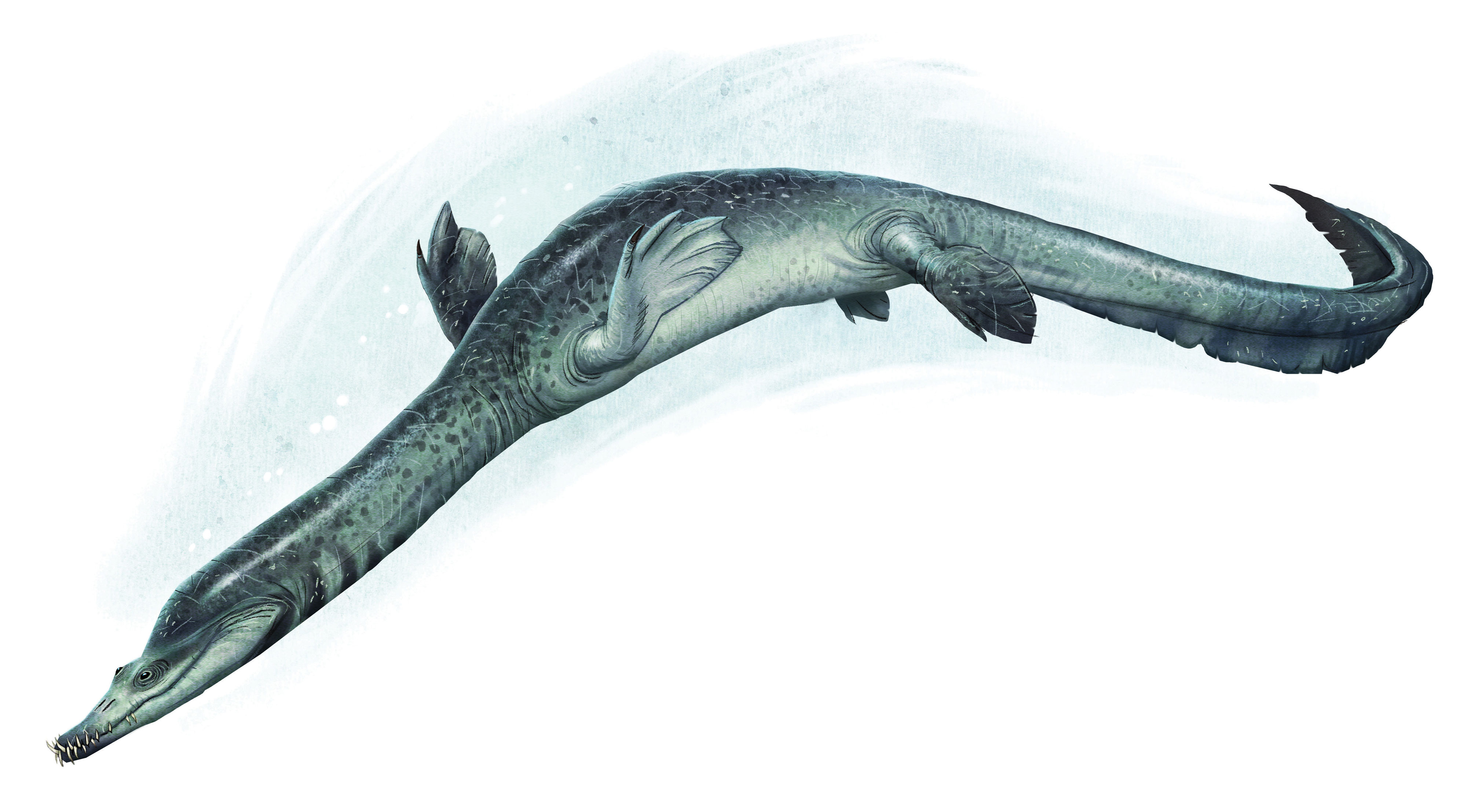
palaeontologY A new sea monster just droppedA fossilised bone found in a Canterbury stream turns out to be from a nothosaur—the first proof that these massive, predatory marine reptiles ever lived in the southern hemisphere. Nothosaurs could grow as long as seven metres (although much of that was neck and tail) and hunted the shallow waters around the coasts. |