|
| |
The SS Ventnor: Ghost ship of the Hokianga
Depending on your luck as a Chinese sojourner on the goldfields of Otago and Hokitika, you returned to your village and family in one of two ways. Either you bought a ticket to Hong Kong for £16. 10s. 6d. and went home on a steamer, wearing a bowler hat and a smart vest, or you paid £3 in advance and went in a box, wrapped in calico. But the point was—in the flesh or as exhumed bones—you went home.
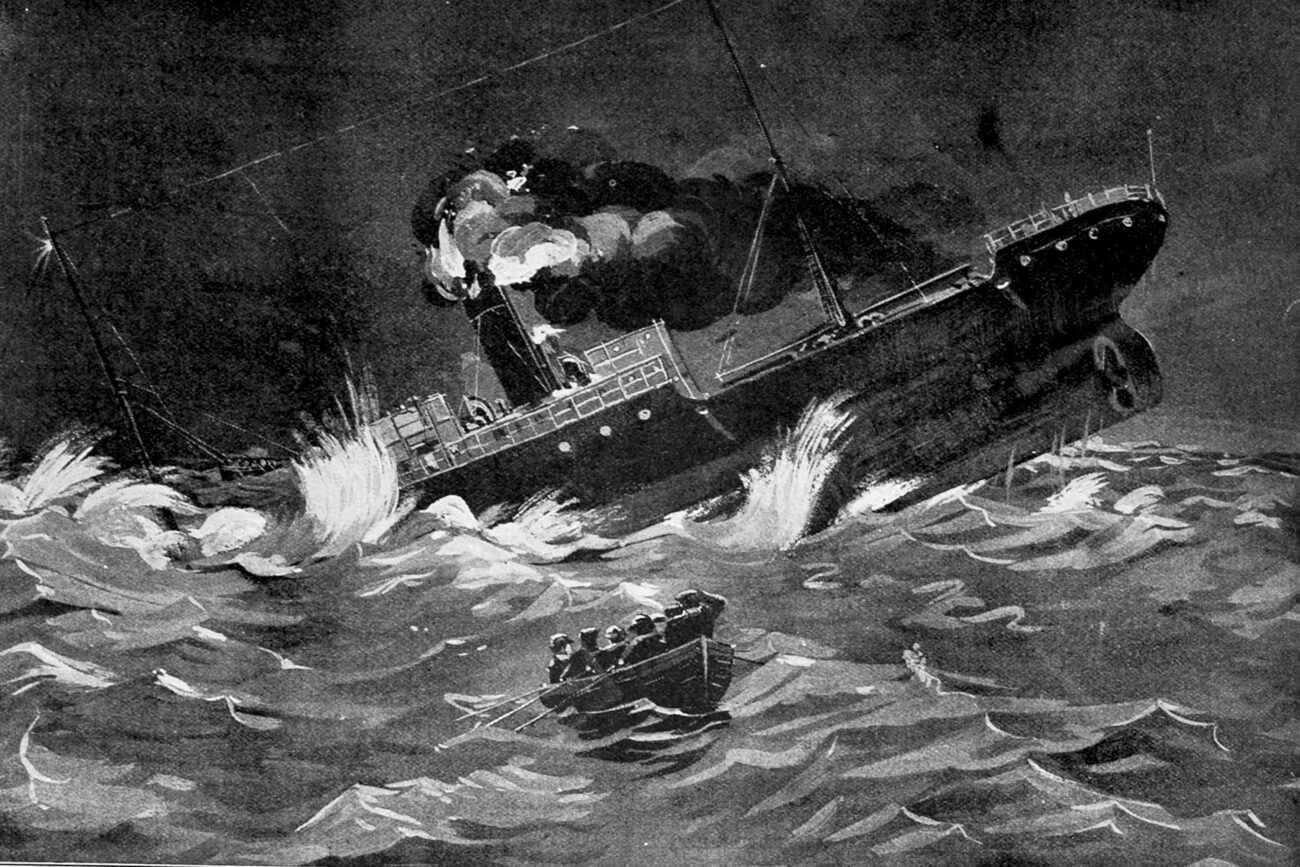
In 1902, the steamship Ventnor was carrying the bones of 499 Chinese gold miners from New Zealand to southern China when it sank off the coast of Northland. For more than a century, no one knew where the ship lay. Its discovery seven years ago kindled questions and disputes that blazed into controversy earlier this year.
Who decides what happens to a wreck on the bottom of the sea? And what’s the rightful resting place of men who never made it home? Keep reading...
|
|
|
| |
How to fix the Manawatū River
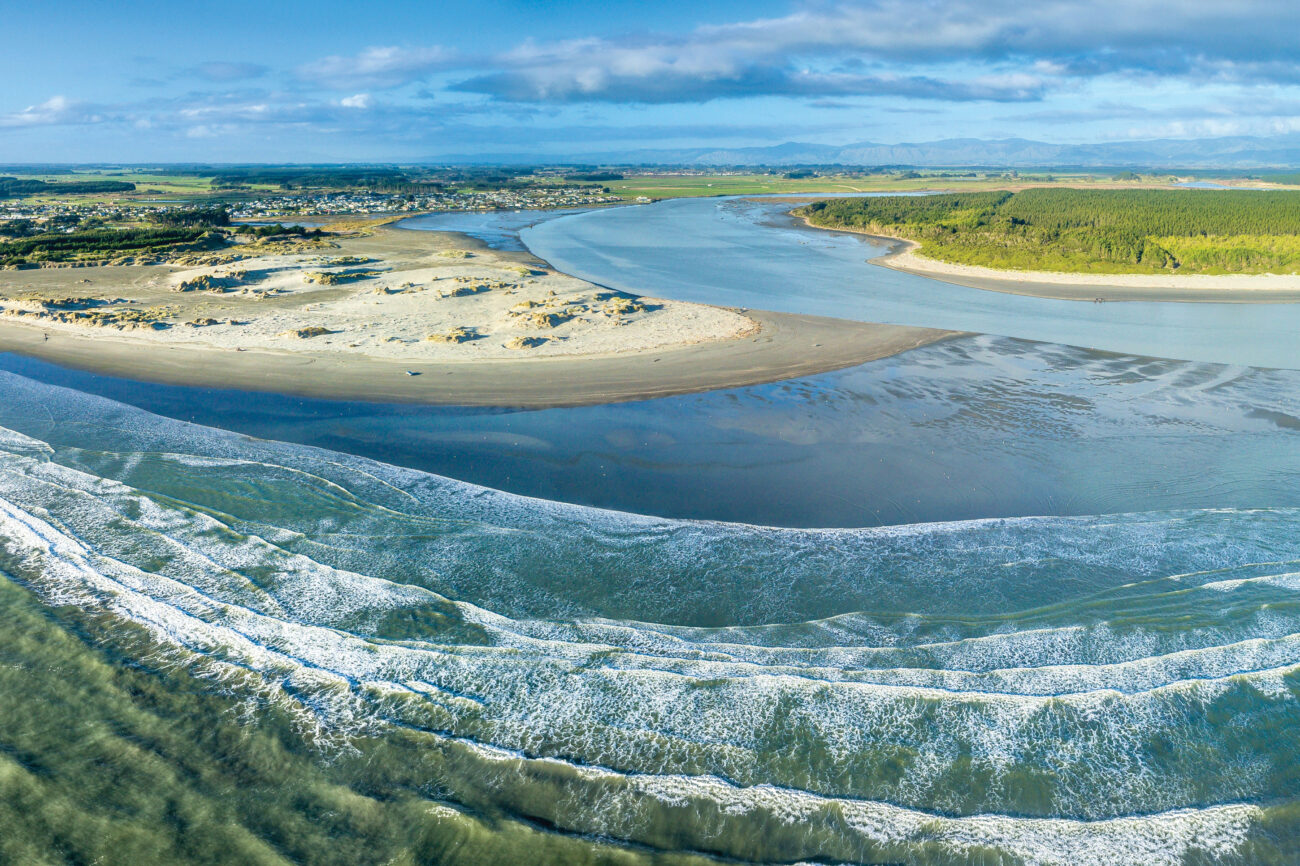
It would be easy to drive along State Highway 1 and cross the lower Manawatū River without noticing it. On the stretch between Levin and Foxton, it’s the Tararua Range that catches the eye, not the unchanging pastoral landscape of the lowlands. Yet, only a few kilometres away, the river’s mouth holds one of New Zealand’s most important estuaries. Along with the Firth of Thames and Farewell Spit, the Manawatū estuary is one of six listed on the Ramsar Convention’s list of wetlands of international significance. Each spring, godwits, red knots and golden plovers descend on its sand banks and salt marshes to join threatened wrybills and banded dotterels, and the region’s biggest breeding population of fernbirds. The Manawatū is older than the mountains around it—and this is where its name still rings true. According to legend, Māori explorer Haunui was so taken by the power and beauty of this river that his breath (manawa) stood still (tū).
The story of how the Manawatū turned from a breathtakingly beautiful river to one of the most polluted waterways in the country galvanised action. Here's what needs to happen...
|
|
|
| |
Time travelling with ancient kauri
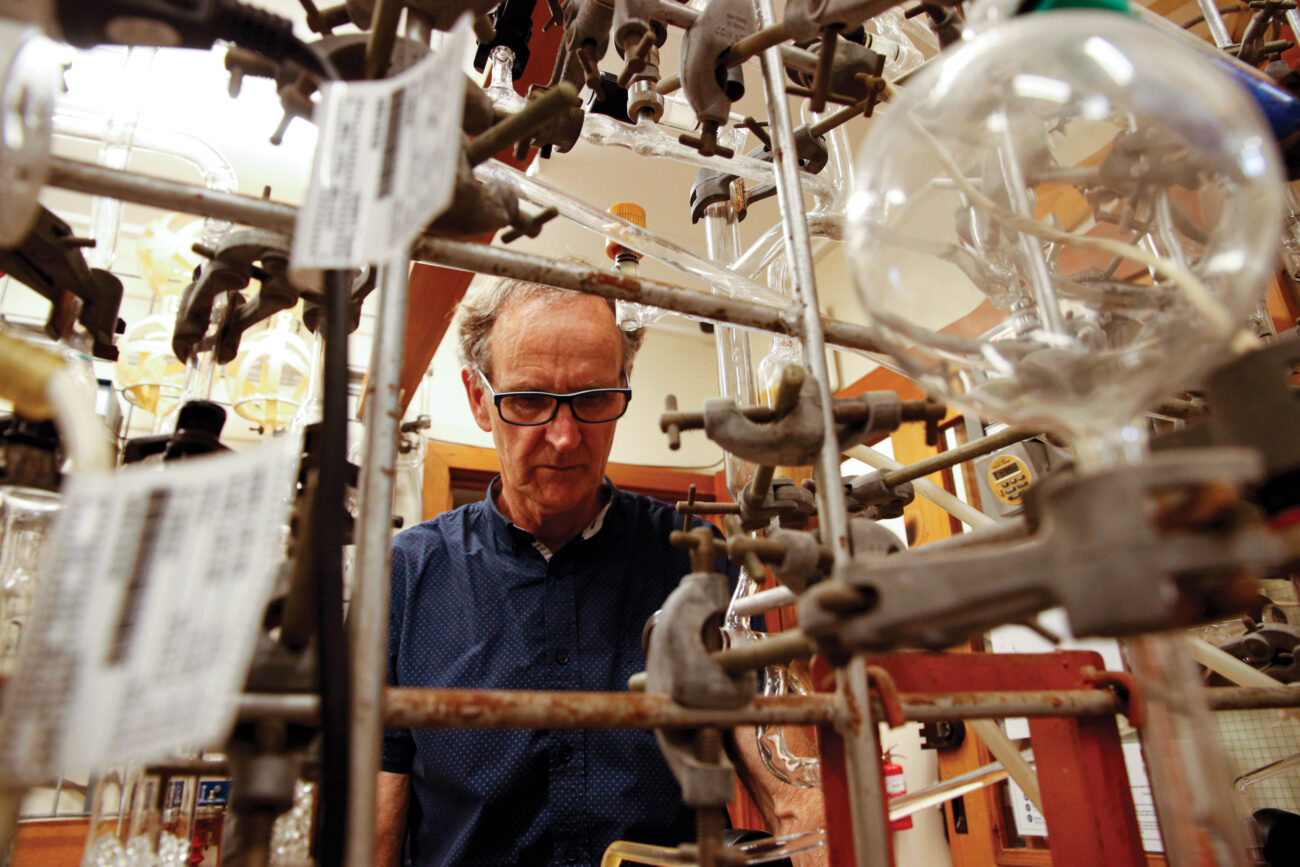
The timing of events in the past is about to become a whole lot more precise. International scientists have created new “calibration curves” that will make radiocarbon dating more accurate. Living organisms sample the levels of radioactive carbon-14 in the atmosphere during their lifetime and store it in their cells. Once they die, it begins to decay at a steady rate. By measuring the amount of carbon-14 left in an object, scientists can estimate its age. But because the level of carbon-14 in the atmosphere fluctuates slightly over time, the dates can be out by 10–15 per cent. Researchers spent seven years assembling data, and the new curves are based on 15,000 measurements taken from stalagmites, corals, lake beds, ocean sediments, and tree rings—such as those of swamp kauri logs found in Northland and Auckland. Keep reading...
|
|
|
| |
Subscribe and support local journalism
While advertising and retail income goes up and down, it is subscriptions from readers like you that power long-term journalism projects from around New Zealand and help us keep the lights on.
It's not as much as you think—$8.50 every two months for digital, $12 for print or $16.50 for both... a gold coin a week. Check out the options.
|
|
|
|