|
| |
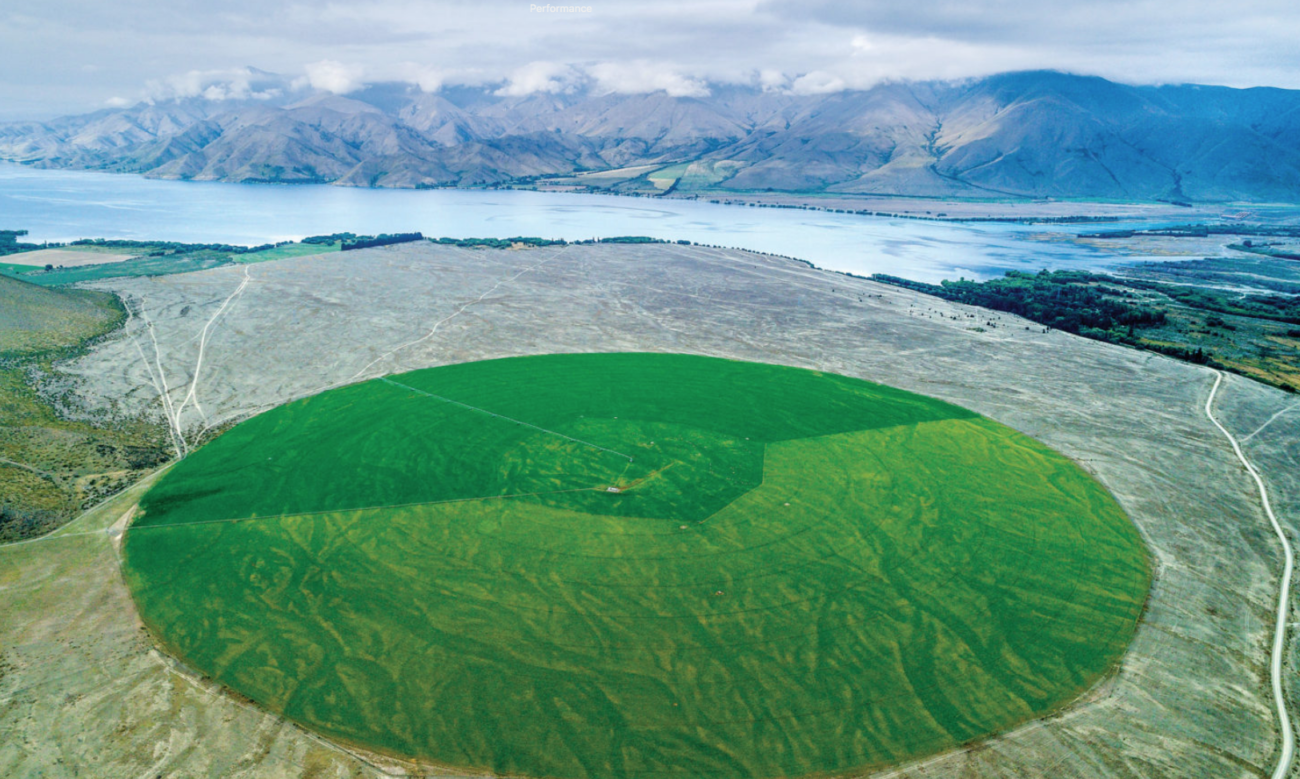
What's next for the West Coast?
“The dairy shut down, the gas station closed, the pub shut, and now the rugby club rooms are gone,” says Bev Morrow. She’s lived here in Waimangaroa for 35 years. “At one point, there were 16 houses for sale, and one had been on the market for five years. People had stopped talking to one another.” Morrow was having none of it. She opened a coffee cart next to the main drag, and this Saturday morning, she’s barely got time to talk—there’s a constant stream of customers. Most are locals. Morrow has always found a way to stay here, from working on a dairy farm to driving trucks for Stockton, an open-cast mine formerly run by state-owned enterprise Solid Energy not far north of here. “There’s work here if you want it badly enough. I’ve always adapted to what’s been needed.” However, mining does little for Waimangaroa these days, she says. “For every tonne of coal that crosses the Buller Bridge, they should have to pay us a dollar. Then the elderly would have decent homes. We’d be one of the richest communities in the bloody country.” Keep reading...
|
|
|
| |
Exhibition opens Monday
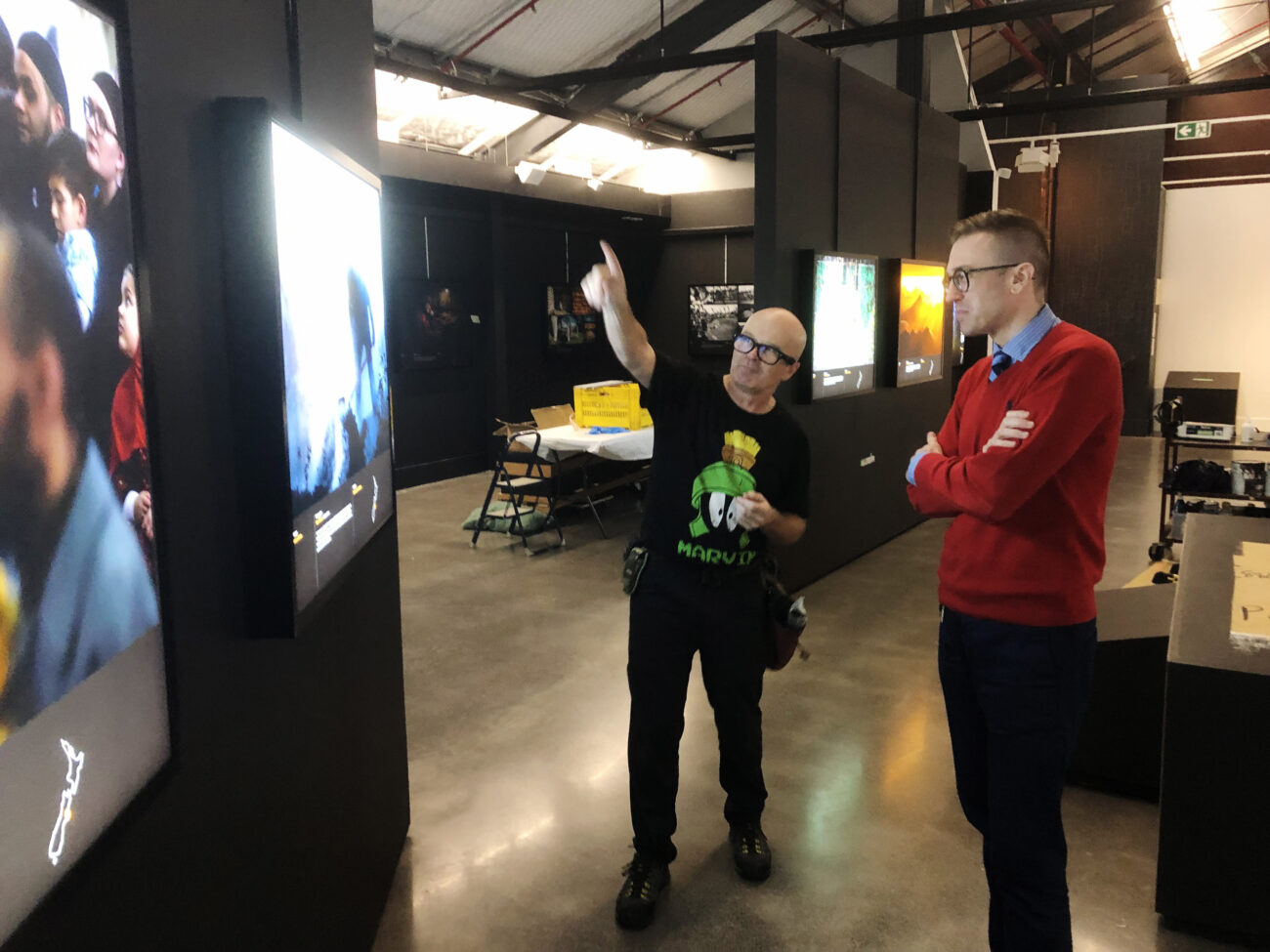
The Photographer of the Year exhibition opens Monday at the New Zealand Maritime Museum, cnr Quay and Hobson Streets. Titled A Year in Aotearoa, it includes high-resolution back-lit prints of the 2020 finalists, as well as prints and projections of finalists over the past 12 years of New Zealand's largest photography exhibition. More details here.
|
|
|
|
| |
The tiny origins of giant sunfish
Larvae of different sunfish species all look alike: tiny, spiky balls with googly eyes, just two millimetres across. Eventually, they’ll grow into colossal fish several metres long, but at this early life stage, they’re impossible to tell apart based on their appearance. So which baby is which? It's been tricky to figure out, because over the last century, only 32 larvae have been collected in this part of the world. Then sunfish specialist Marianne Nyegaard got a lucky break: three larvae were picked up on a research expedition in Australia. Keep reading...
|
|
|
| |
Subscribe and support local journalism
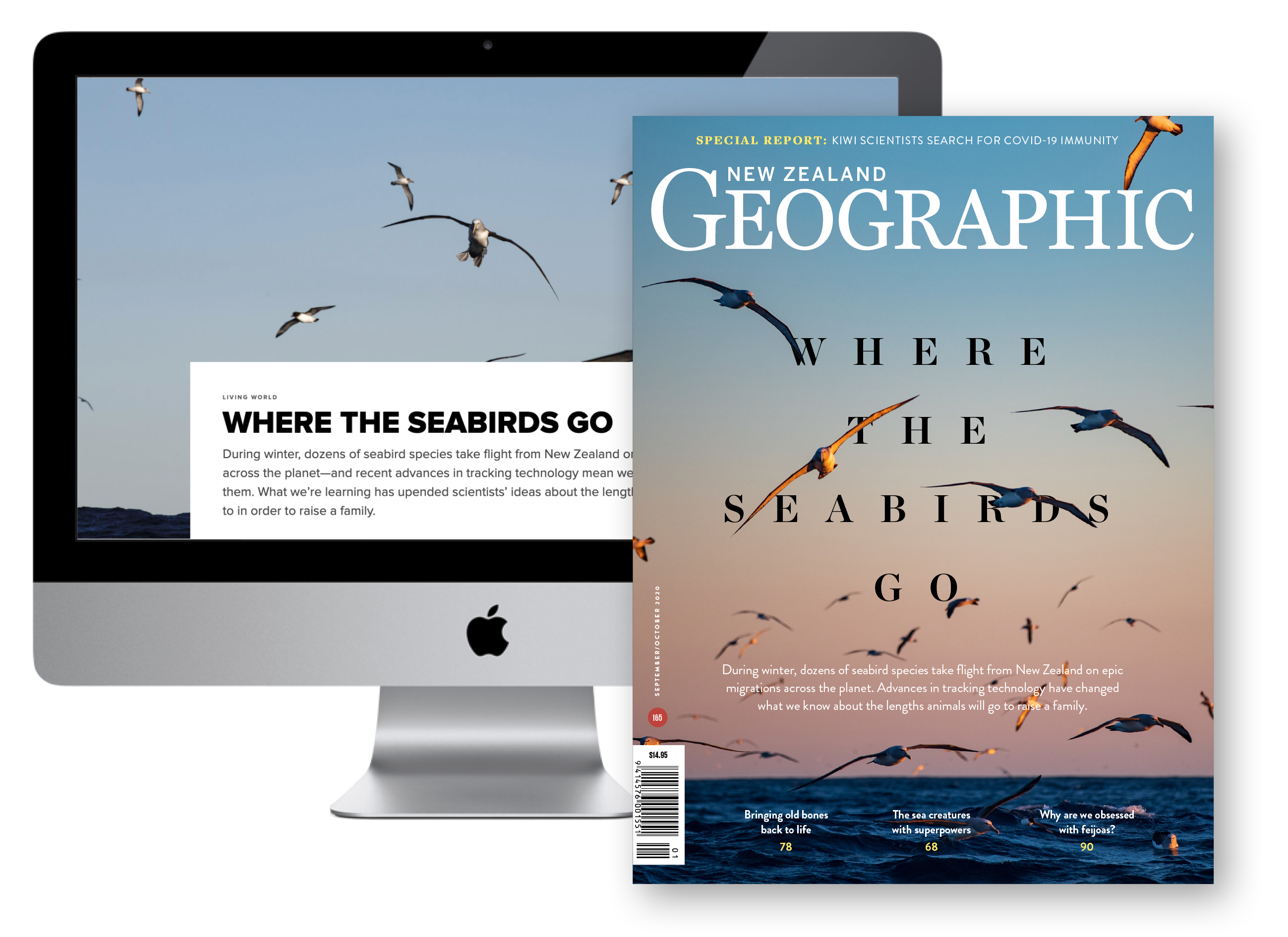
While advertising and retail income goes up and down, it is subscriptions from readers like you that power long-term journalism projects from around New Zealand and help us keep the lights on.
It's not as much as you think—$8.50 every two months for digital, $12 for print or $16.50 for both... a gold coin a week. Check out the options.
|
|
|
|
| |
It's spring, and the wasps are waking up
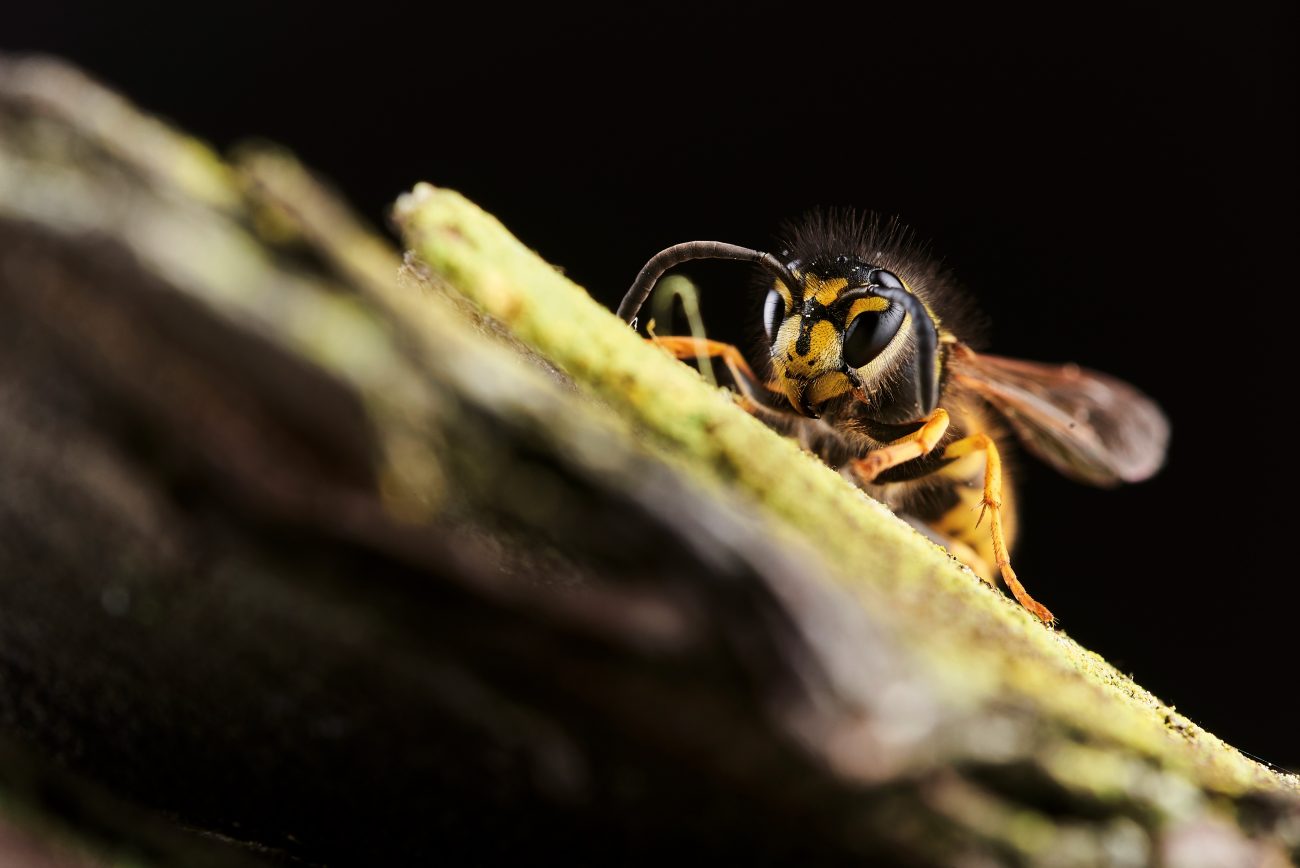
At last, these rays of September sun emit some faint thrum of warmth. Up here at St Arnaud, the forest has been in winter lockdown, but now it responds to the touch of the sun. Beech buds, clenched tight against the cold, unfurl. Tentative chirps of bellbird song ring off Lake Rotoiti. And beneath the parting bark of a fallen beech log, a queen common wasp stirs.
This tiny crawl space has saved her life. Wasps, like most insects, cannot generate any heat of their own, so she spent the winter at the mercy of the mercury: she cannot avoid freezing. Had she chosen a damper site, the rapid expansion of freezing water molecules within her body would have killed her, but here, wrapped in the waxy dry of cambium, special proteins and compounds have pre-empted freezing by building ice crystals inside her tissues. Keep reading...
|
|
|
|