|
| |
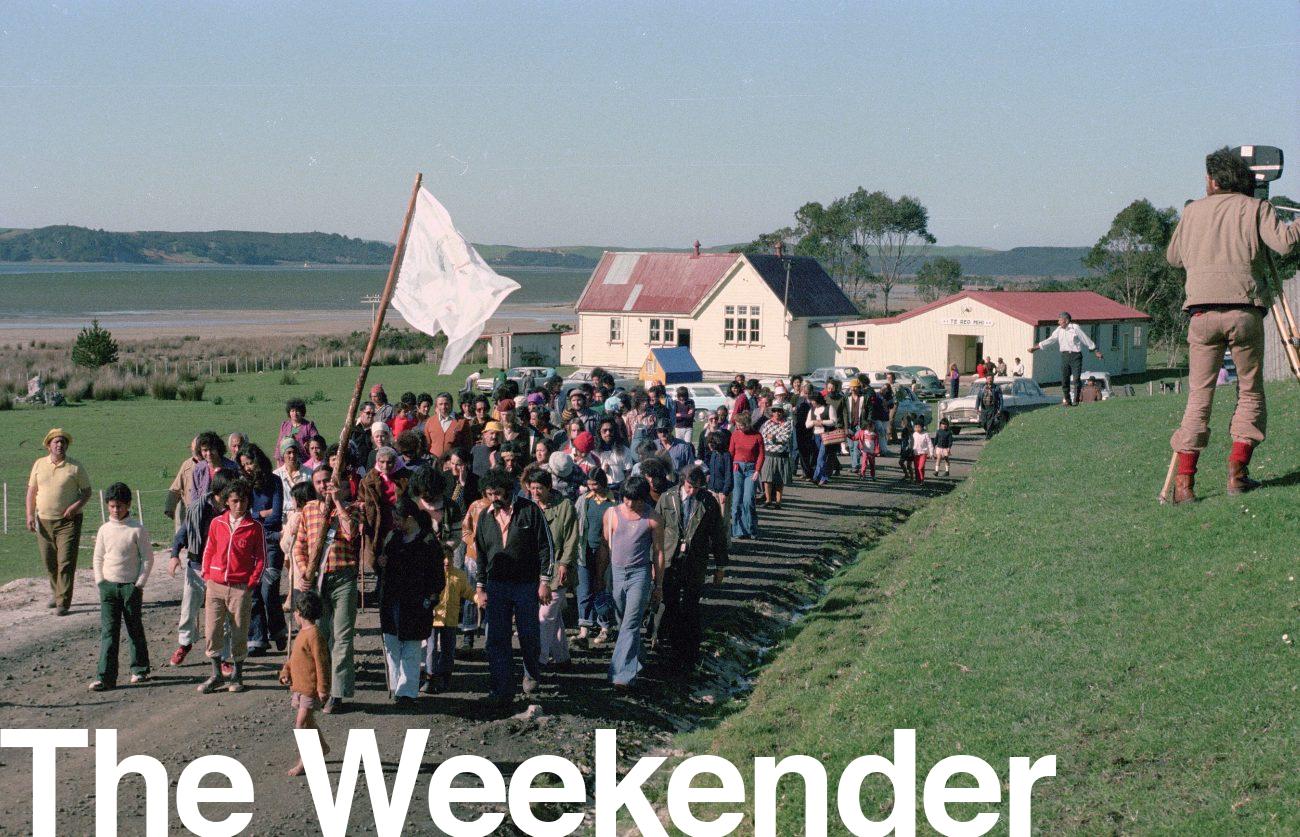
Inside the land march
Whina Cooper's father wrote in his will: "Do not sell the land to the Pākehās, even if you have no possessions. If you remain strong and remain on your land, the day will eventually come when you have money, but if you sell you will have nothing and the ones who will suffer will be your children and your children's children."
As Whina grew older and came to prominence as a leader, land losses continued, driven by legislative changes designed to further force the alienation of Māori land. A mood of righteous discontent emerged.
In March 1975, at the age of 80, already a leader of great mana, Whina attended a hui about land alienation at Te Puea marae in Māngere Bridge, Auckland. What was to be done? Celebrated poet Hone Tuwhare later reported Whina's words on the hikoi to come: "Good gracious, if we let them take what is left, we will all become taurekareka [slaves]. Do we want that?"
On September 14, the month-long march began. Keep reading...
|
|
|
| |
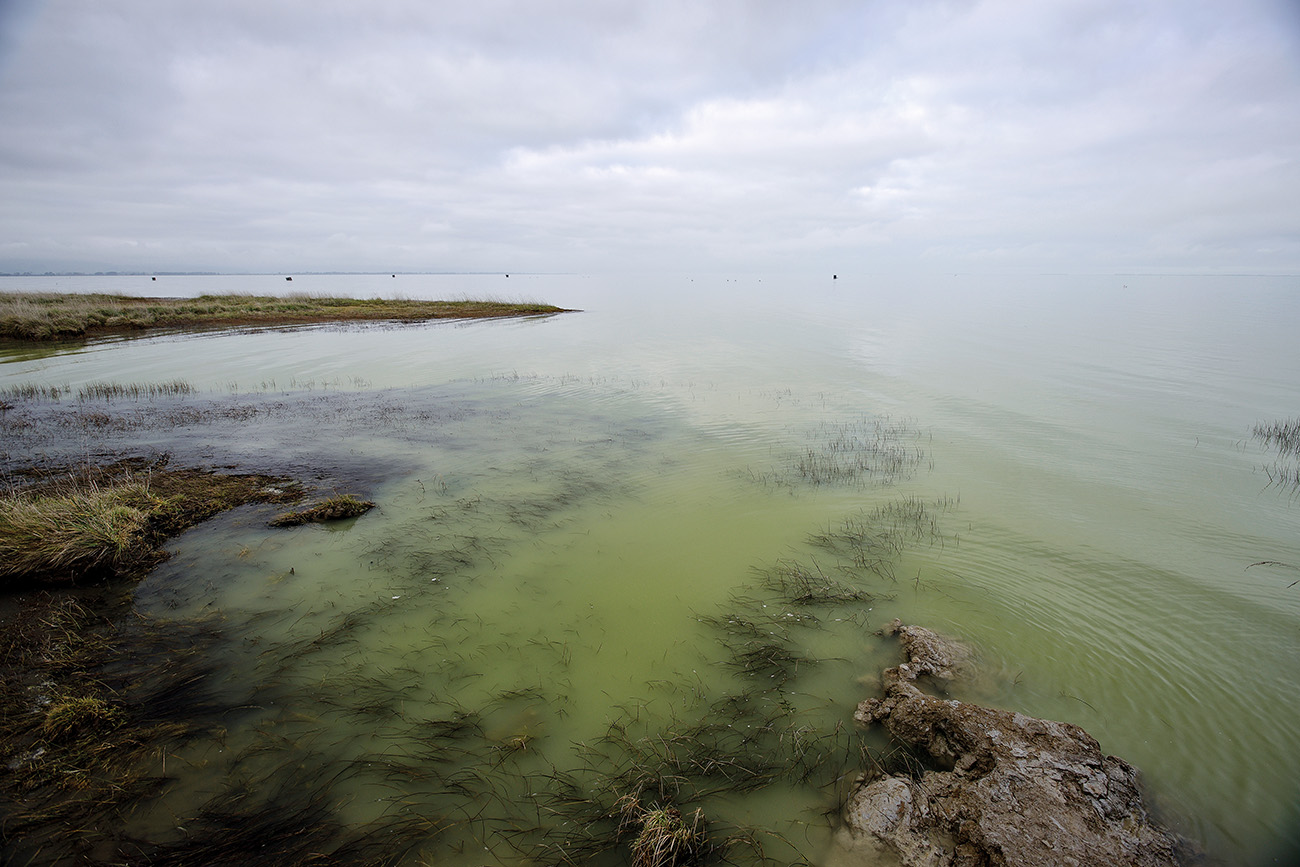
Green with algae
After seven years tracking the colour of 85,360 lakes and reservoirs around the world, scientists are warning that blue lakes—including those in Aotearoa—are prone to colour-flips, and could well end up green or brown.
The culprit? Climate change, of course. Here's Catherine O'Reilly, an aquatic ecologist at Illinois State University and author of the new study: “Warmer water, which produces more algal blooms, will tend to shift lakes towards green colours. There are lots of examples where people have actually seen this happen when they studied one individual lake.”
In issue 168 Veronika Meduna zooms in on the story of Te Waihora / Lake Ellesmere, a taonga, important wetland and wildly polluted lake. Te Waihora turns a queasy green colour during algal blooms. During a walk on the shore, Meduna writes, "the lake was a muddy grey, so stirred up with sediment I couldn’t see the foot I’d stuck in to test the squelching lake bed". But it's fixable. Keep reading...
|
|
|
| |
Subscribe and support local journalism
While advertising and retail income goes up and down, it is subscriptions from readers like you that power long-term journalism projects from around New Zealand and help us keep the lights on.
It's not as much as you think—$8.50 every two months for digital, $12 for print or $16.50 for both... a gold coin a week. Check out the options.
|
|
|
|
| |
Oh, honey
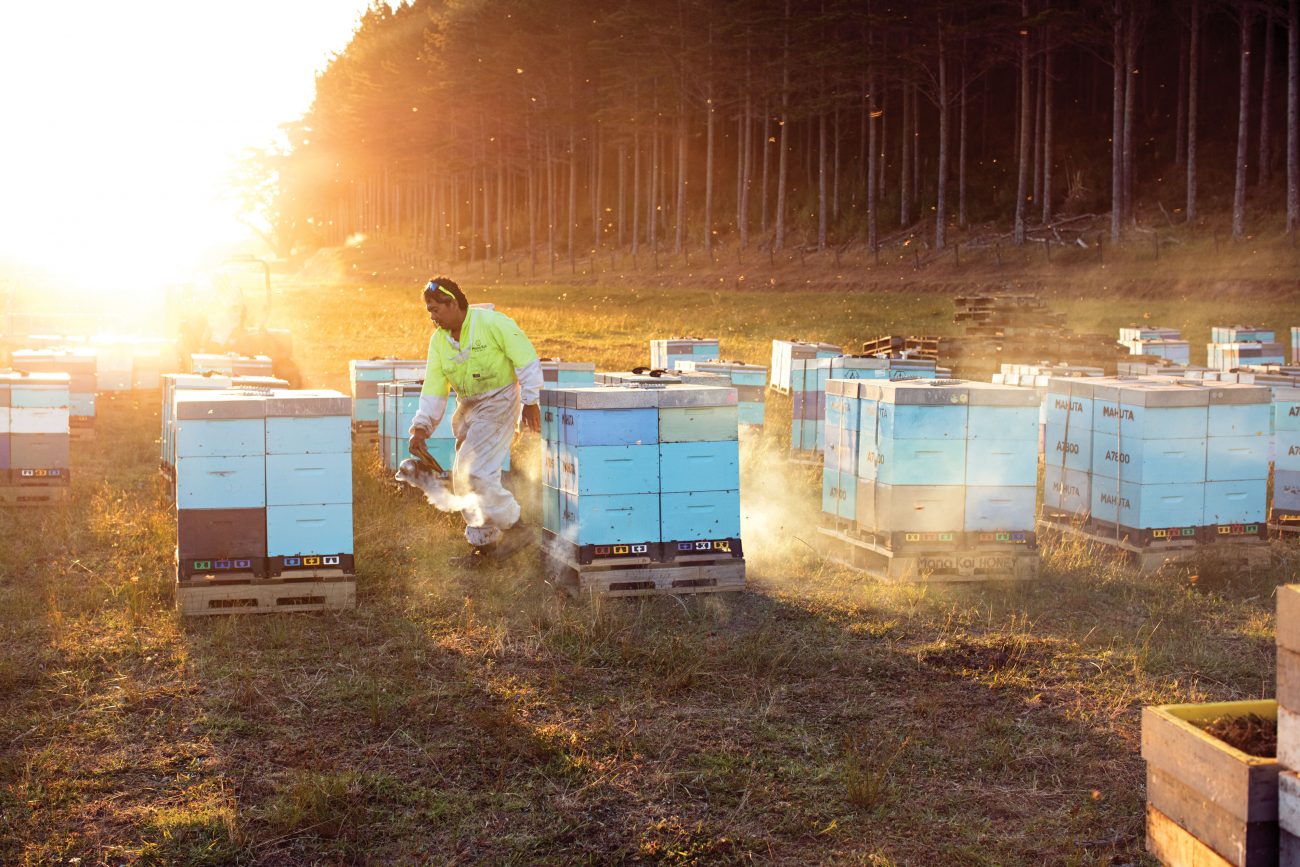
Is the mānuka honey gold rush over? The Guardian reports it just may be: "New Zealand is drowning in honey after a boom in beekeeping collided with slowing international demand to create towering stockpiles. "Over the past five years, global desire for mānuka honey and demand for home-based honey remedies during the pandemic helped push up prices, creating a kind of honey gold rush on New Zealand farms. "Now, however, demand is slowing..."
There's usually 11,000 to 13,ooo tonnes stashed away at this time of year; we're apparently sitting at double that, with 15,000 to 30,000 tonnes going spare.
In issue 150, with the demand for mānuka honey skyrocketing, Naomi Arnold joined the hustle to get bees on the best, blossom-packed land. The problem is mānuka's a fickle flower; blink and you'll miss it. Or it won't flower at all.
Some beekeepers race the sun, driving through the night to helicopter hives to the flowers at first light: too long locked-in on a hot day and the bees will die, their hives emitting a high-pitched buzzing sound, like a collective scream. Keep reading...
|
|
|
| |
Journey to the forgotten islands
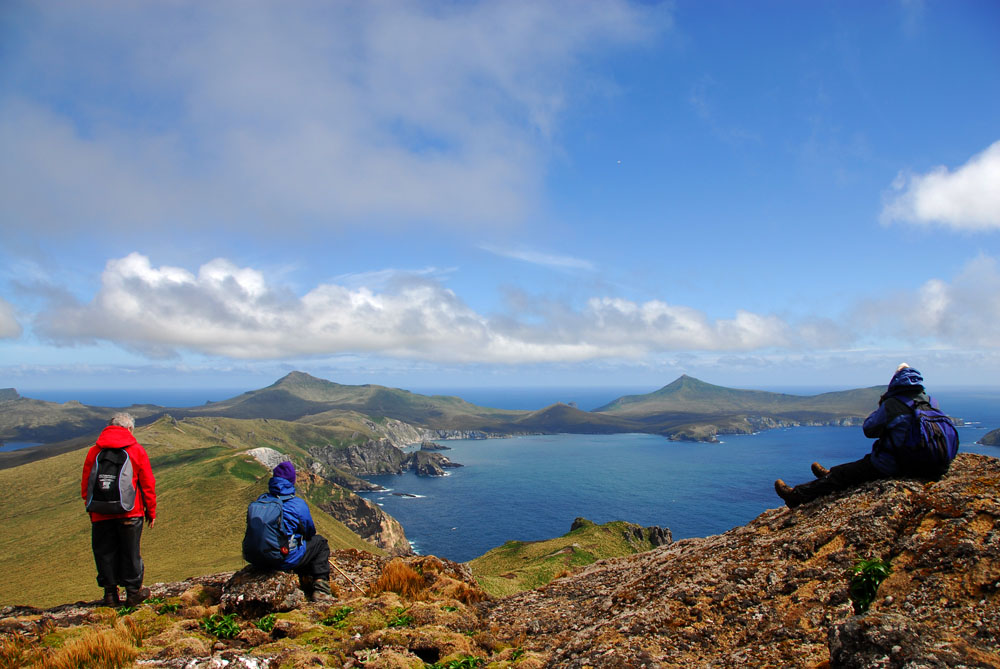
New Zealand Geographic’s next reader voyage in collaboration with Heritage Expeditions will explore some of the most remote and rewarding parts of New Zealand, taking in the Subantarctic Islands, Stewart Island and Fiordland over 12 days from 28 December 2022 to 8 January 2023 with acclaimed author, scientist and explorer Professor Tim Flannery as the special guest.
The Subantarctic Islands are impossible to visit without an expedition like this. The Auckland Islands, Campbell Island and The Snares are not mentioned in a travel brochure on your high street, rarely will you find them listed in guidebooks, few people have been to them and they don’t even appear on some maps of the South Pacific. Despite their low profile, they are among the most remarkable wildlife reserves in New Zealand, designated UNESCO World Heritage sites and afforded the highest protection of any of our nature reserves. Remote, uninhabited and on no regular shipping route, access is further restricted by a strict Management Plan which limits the number of people allowed ashore each year. Berths are selling quickly for this special trip, so book your ticket now.
|
|
 |
|