|
| |
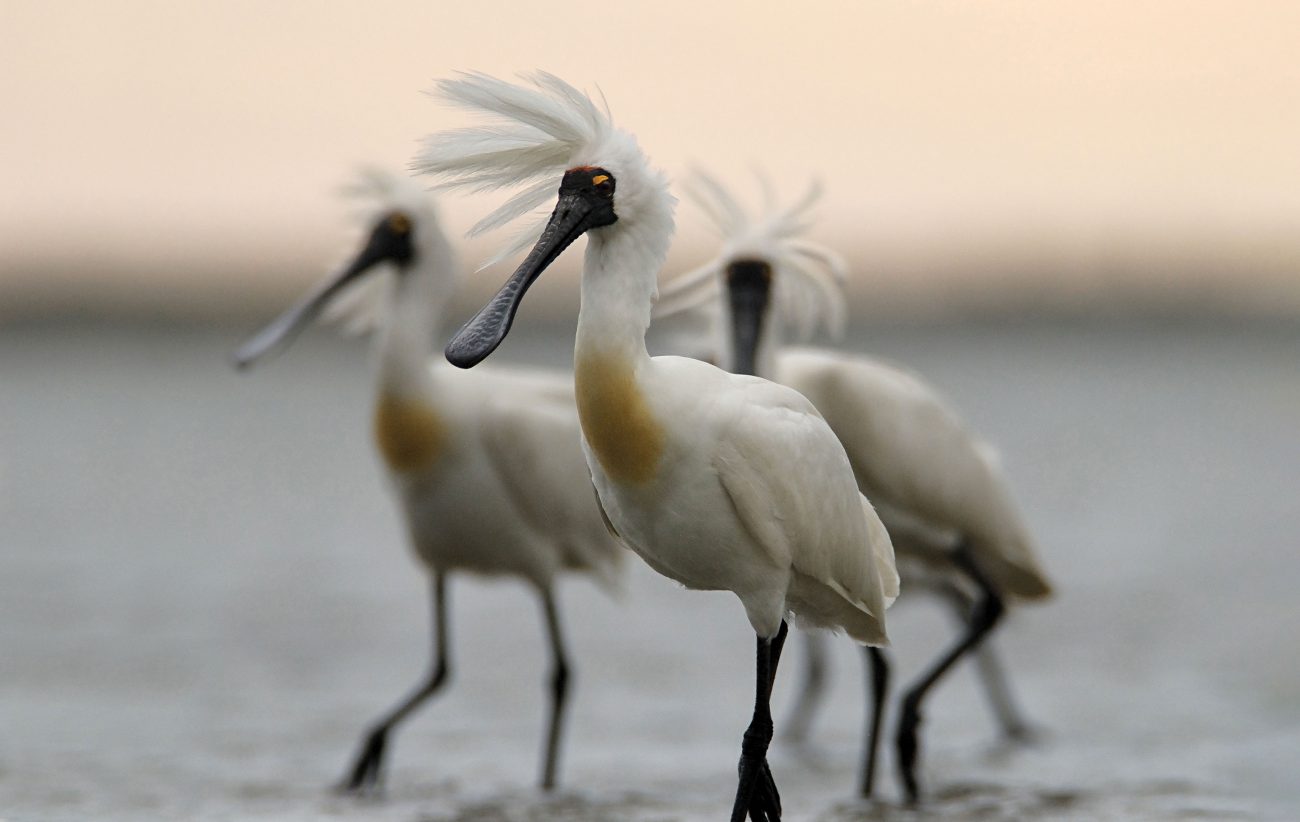
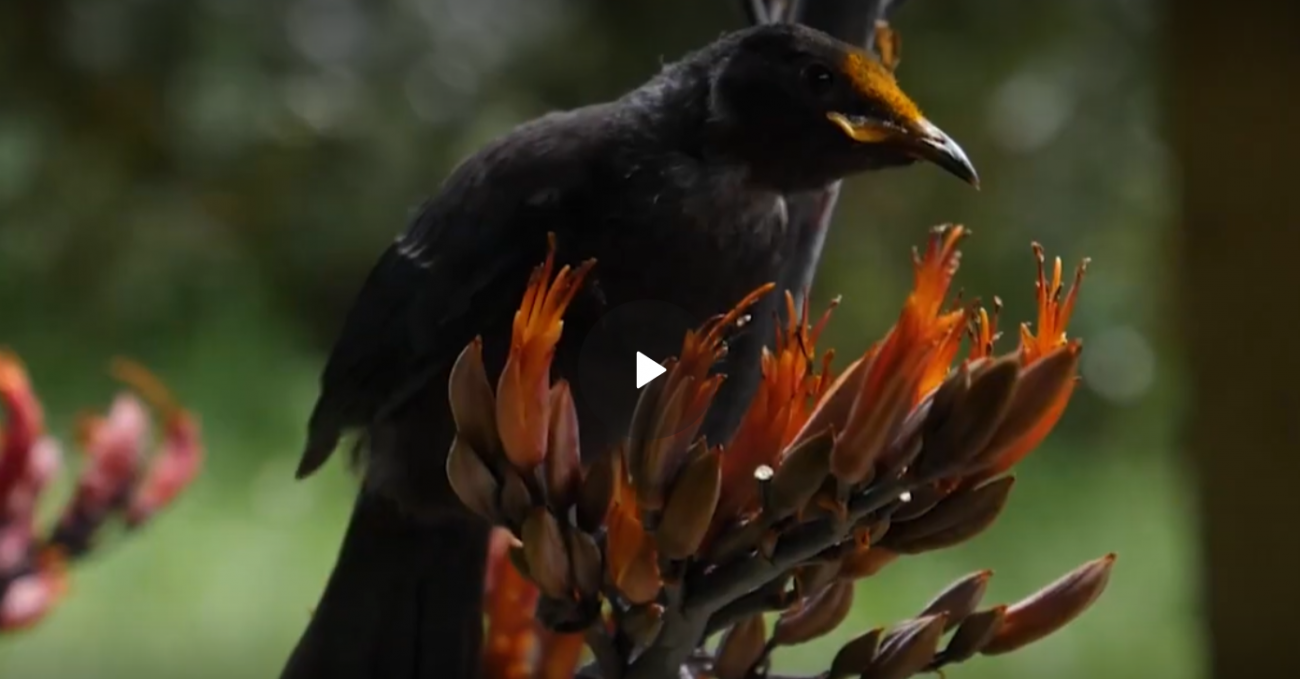
The bird with a spoon for a face
They arrived here from Australia without fanfare, flying across the ditch for no reason anyone has been able to deduce. But they liked the look of the place, decided to stay, and started a family. Now, they’re one of New Zealand’s most successful bird species. Keep reading...
|
|
|
| |
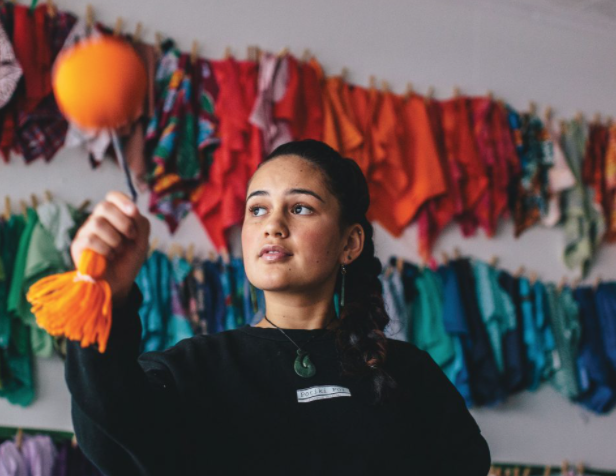
The sound of poi
Georgia Latu is the chief executive of Pōtiki Poi and a high-school student in Dunedin. Keep reading...
|
|
|
| |
New issue in stores now!
Featuring a bird with a spoon for a face, the unreported story of long COVID, a photographer's lockdown discoveries at his local beach and the new science on tsunami, this issue is full of mind-altering reading and mind-bending photography. Pick yours up at a supermarket, bookstore, or subscribe to receive it on the regular. It's not as much as you think—$8.50 every two months for digital, $12 for print or $16.50 for both... a gold coin a week. Check out the options.
|
|
|
| |
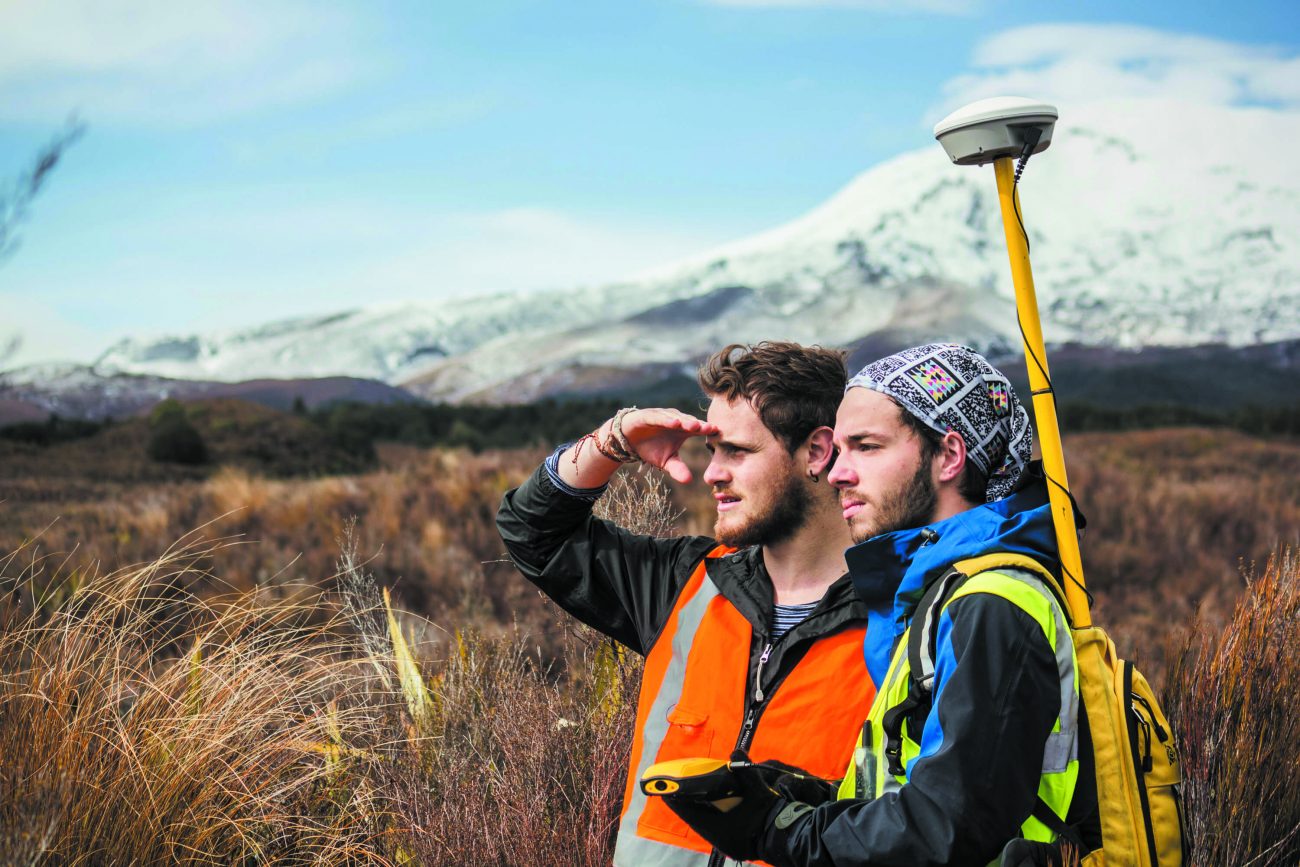
Wild Work: Conserving the Future
From instructors to scientists, guides to field technicians, there is meaningful work in the environment, and new courses and qualifications available from New Zealand’s leading tertiary institutions for those hoping to protect it. New Zealand Geographic's Wild Work showcase has surveyed some of the best, like Te Herenga Waka—Victoria University of Wellington, which offers postgraduate programmes tailored to the passions and aspirations of Aotearoa’s future change makers. Keep reading...
|
|
|
|
| |
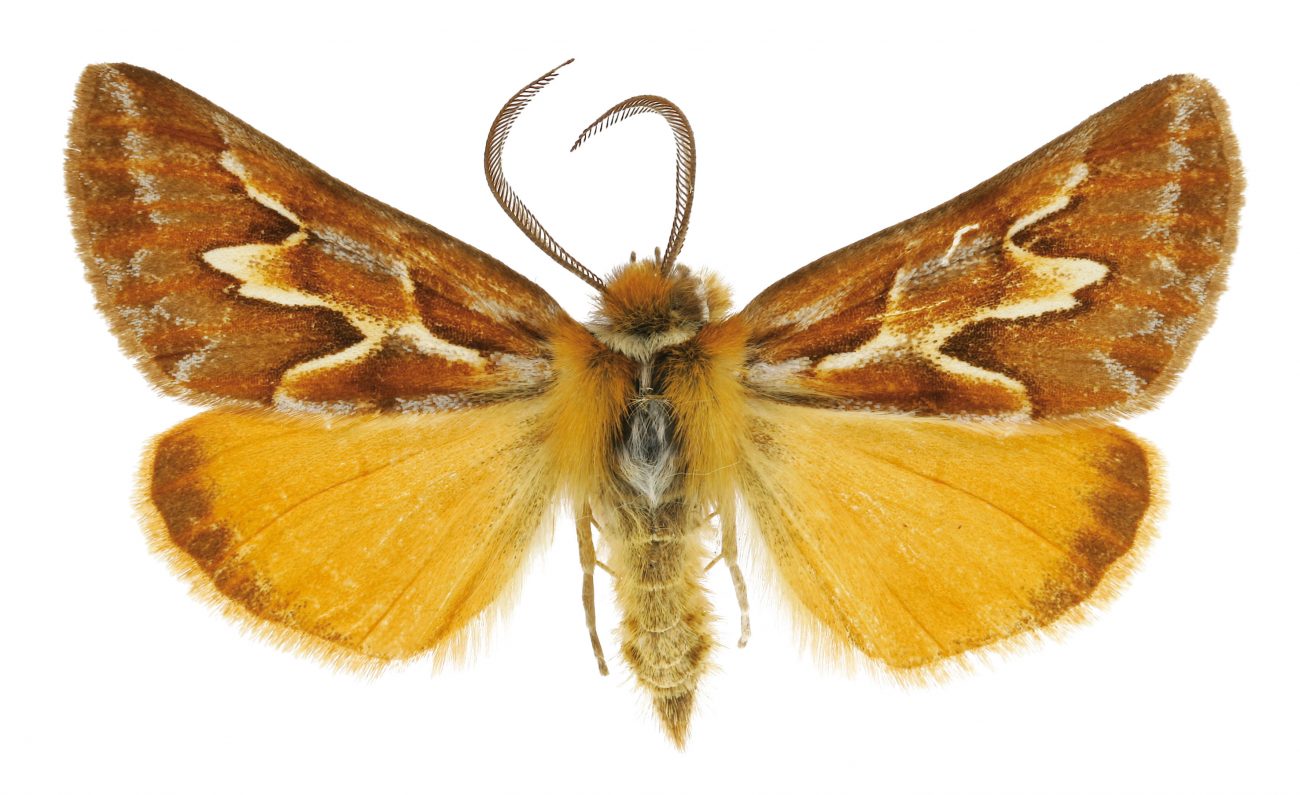
Night shift
When the sun goes down, the night shift gets to work on our native plants. It’s thought New Zealand’s spectacular array of moths may be providing a hidden service after dark, transferring pollen between flowers. Keep reading...
|
|
|
| |
Better Ancestors: how to restore a wetland
What was once a mess of mud after being chomped and stomped by cattle is now teeming with tūī after flax and cabbage trees were planted on the land more than ten years ago and pest control was undertaken. "The wetland has returned to its original function of being the kidneys of the land," says Dean Baigent-Mercer. "It slows down water during floods and cleans the water as it goes through." Watch the video...
|
|
|