|
|
James Frankham
|
|
|
CITIZEN SCIENCE
Message in a bottle
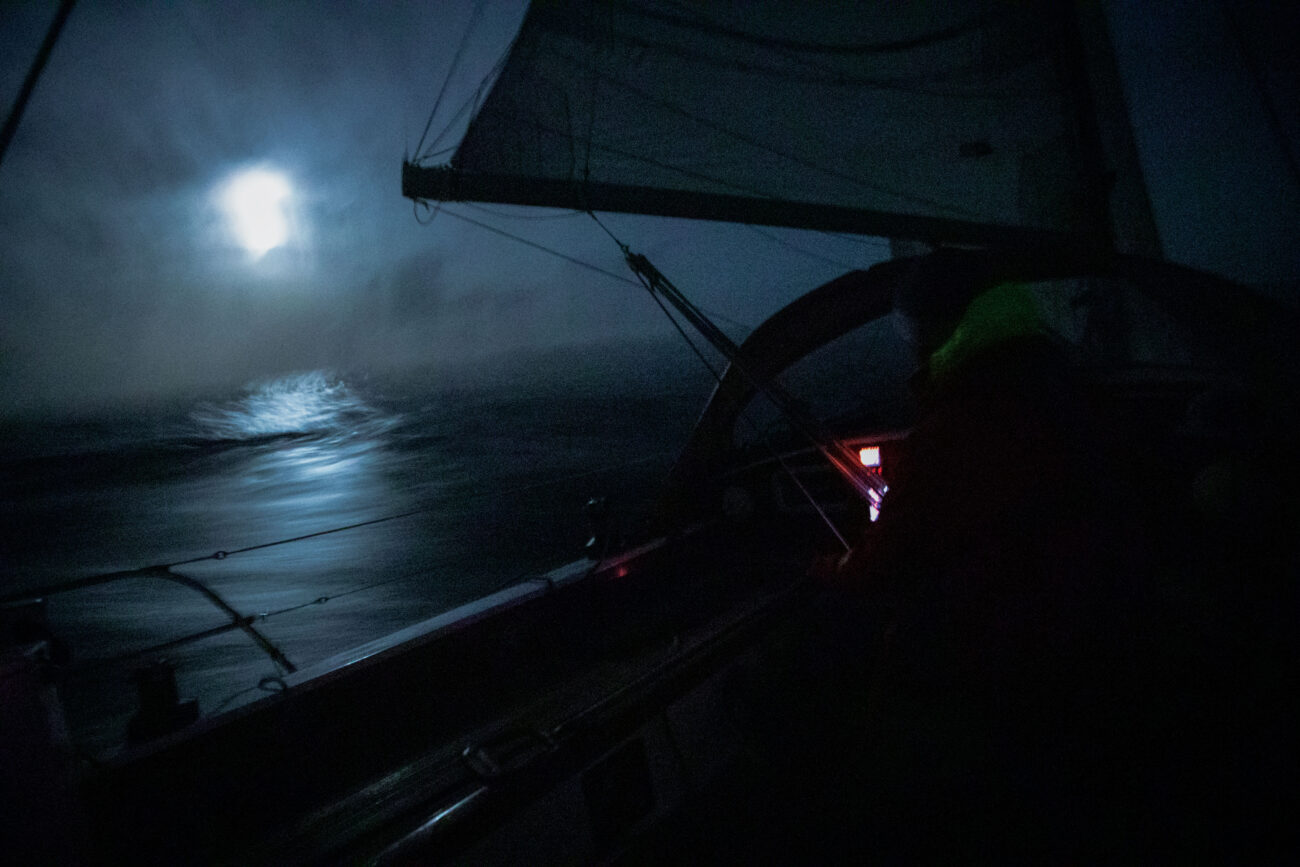
Sparks tumble in the wake, and every so often, a pulse of light bursts from the rudder, like we’re channelling ghosts from the deep. Cloud obscures the stars, painting the world beyond the loom of the cockpit instruments an inky black.
The sails pull us through the night on a gently curving course from Fiji to New Zealand. We have been bashing our way south through an unsettled sea for three days, three nights, watching the slow progress of a dot on a chartplotter. Behind us a tropical storm is boiling the clouds on the horizon. In front of us the black night looks sharper, though North Cape is still four days and nearly a thousand kilometres distant.
It’s easy to feel alone out here. Other than the four souls aboard, the closest human beings are the crew of the International Space Station, passing 400 kilometres overhead every 90 minutes.
The glittering wake behind us, however, tells a different story. We are not alone at all, rather ploughing a furrow through fertile fields of life.
Keep reading...
|
|
|
|
Alex McVinnie Maidment
|
|
|
Photographer of the Year
It's that time again—Photographer of the Year is open for entries
Photographer of the Year celebrates photographic craft and those moments that make our society and environment unique. Be part of this new season of photography, and exhibit your work with the best photographs of 2024 in Britomart, Auckland, and across the country on Lumo’s digital billboards. Finalists will be announced in early September, and will be voted on by the public for the Ockham Residential People’s Choice award. The winners will be announced at an awards night in Auckland on October 24. There are camera packages up for grabs from both Sony and Nikon, an Ecoflow portable power station, a voyage from Heritage Expeditions and $7,500 cash! Check out the details...
|
|
|
|
Edin Whitehead
|
|
|
PARTNER CONTENT
Sentinels of change: a new exhibition on the state of Aotearoa’s seabirds
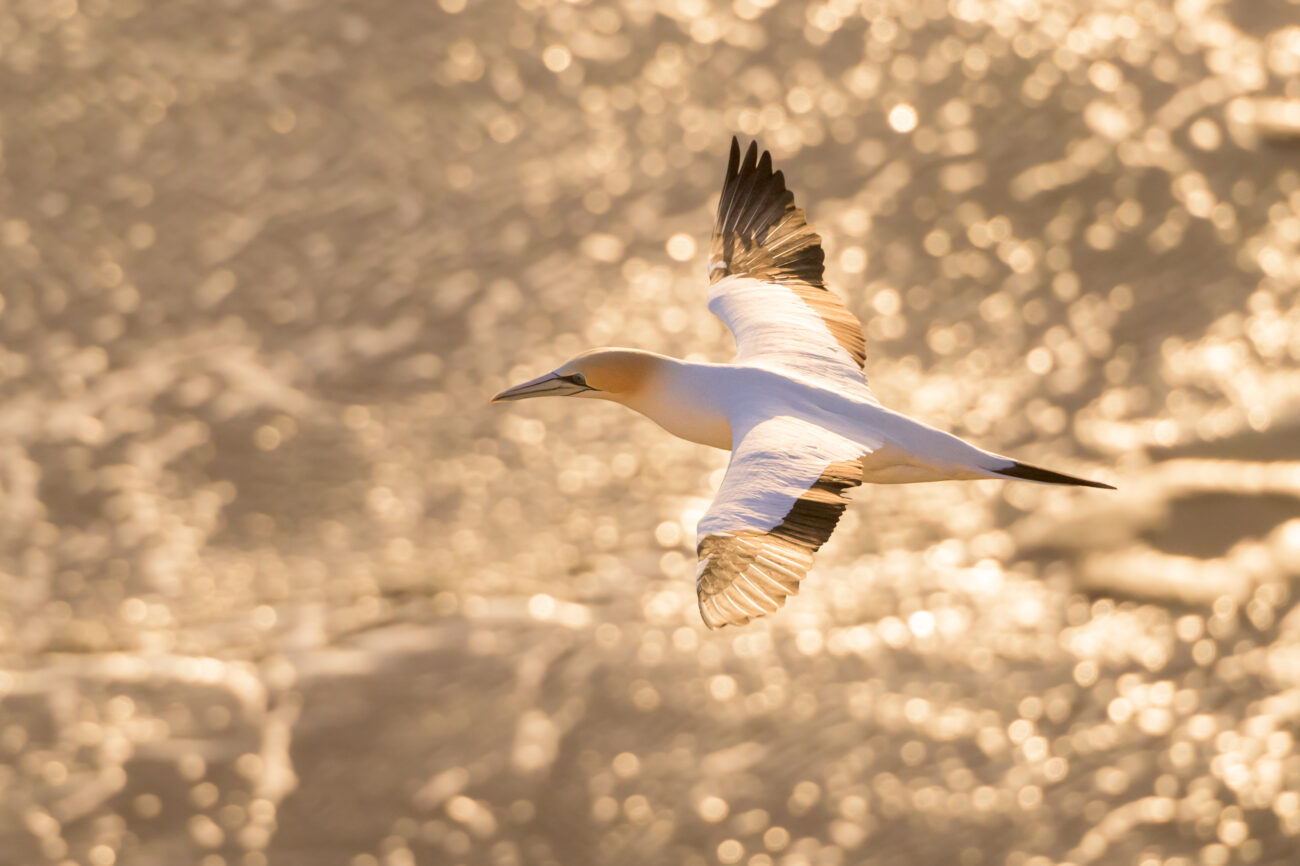
Just as canaries once warned coal miners of carbon monoxide, seabirds signal the declining health of our ecosystem. With the birds increasingly threatened by habitat loss and predators, a new exhibition at The New Zealand Maritime Museum Hui Te Ananui a Tangaroa called Sentinel serves as an urgent call to action for conservation.
“Aotearoa is home to more seabird species than anywhere else in the world. Most of them live out of sight, out of mind for most people, as they spend most of their lives at sea,” says Edin Whitehead, Seabird Scientist and Conservation Photographer. “These birds rely on the oceans around Aotearoa to survive, and current research is showing that survival is becoming a lot harder for even some of the more common species. They are sentinels of change, and Sentinel is about illuminating their lives and what they are telling us about our management of the environment.”
Keep reading...
|
|
|
|
Dave Hansford
|
|
|
ENVIRONMENT
When trees get out of control
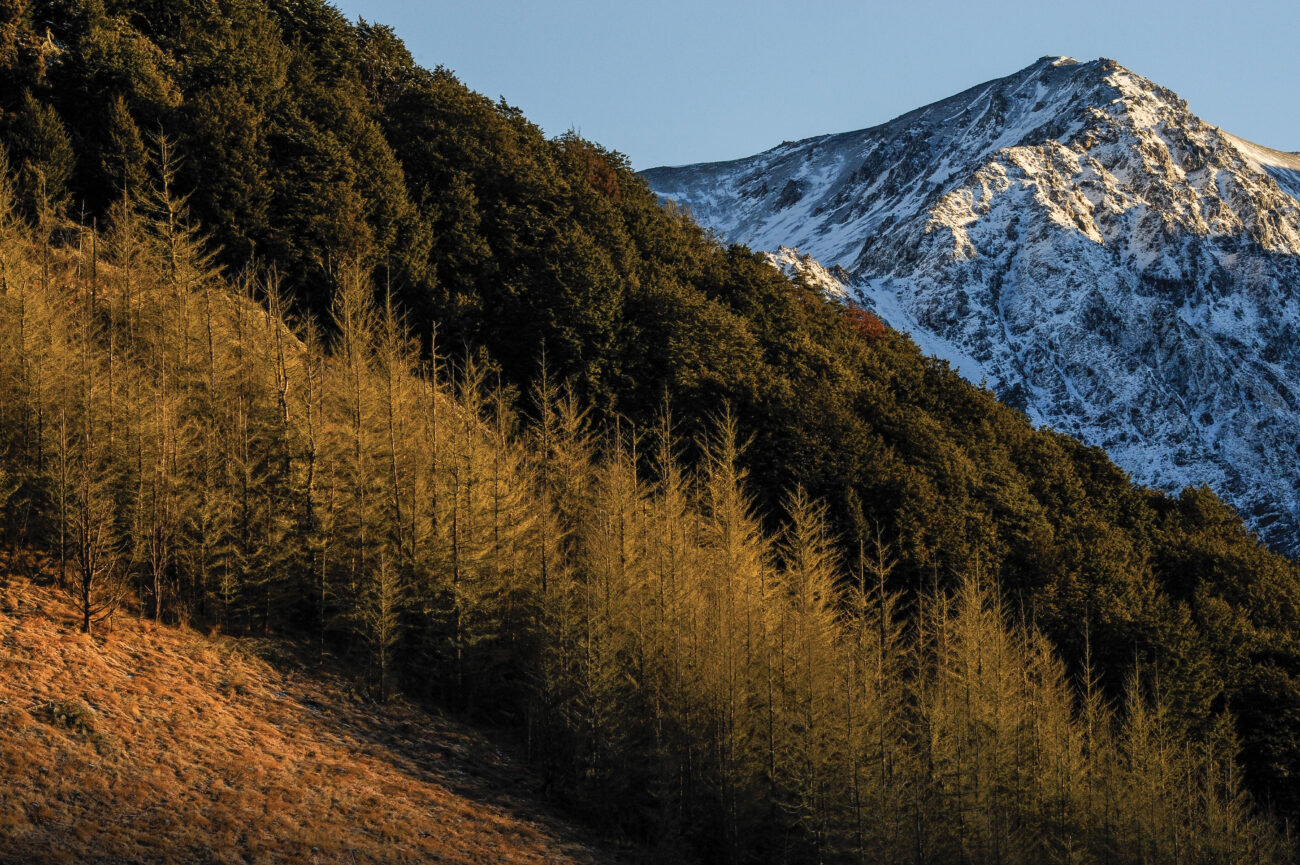
In April, an Otago community conservation group announced an unusual milestone: they’d successfully got rid of all the trees from a new area. Conifer trees, that is: fast-spreading species like wilding pines. Turns out that the trees we grow for income and to soak up carbon dioxide are also pests that are hard to contain. Radiata pine is thirsty for water, reducing river flows where it gets out of control. Douglas fir thrives in shade. Both can outcompete native plants for space. And so the government is spending millions of dollars in killing out-of control wilding pines: those that have escaped plantation blocks. “I don’t think people are aware just how much they change the landscape,” says Sian Reynolds, who’s managing a wilding eradication programme on Molesworth. “We’re at the point where we really have to take them seriously, because wildings could completely annihilate every landscape we’ve got. They grow in wetlands, they grow in river gravels, they grow on rocky bluffs—they can grow anywhere, and it’s frightening.” There can be no half-measures, says Reynolds, because wildings don’t share. “It’ll end up being this monoculture of pines throughout the country.” Keep reading...
|
|
|