|
Researchers have long suspected that pigs and other pests were eating our exquisitely rare native frogs. Now, we know for sure—and the scoffing is on an incredible scale.
|
The Weekender |

|
|
|
Free newsletter
|
MAY 23, 2025
|
|

|
Publisher |
|
There is a word to describe what I am suffering now; flygskam. A Swedish word, it describes the sense of shame you feel when choosing to fly, despite knowing the climate effects of doing so. Sometimes, we need to travel, and then the climate conscious traveller is presented with a horrible dilemma. The solution, we are told, is to offset our emissions, but in real terms that is easier said than done. You could plant trees, but it does not store carbon permanently—it's released again when they burn, die or are harvested. While mixed old-growth native forests are worthwhile (and also yield biodiversity benefits), pines are probably the worst way to do it. The other option is permanent carbon removal, such as Direct Air Capture & Geological Storage, where fans draw in air, concentrate the CO₂, then inject it back into deep rock formations, mineralising into stable carbonates. Climeworks in Iceland has been highly publicised as the gold standard solution for this method, but a recent study has found that it simply doesn't work, at least it doesn't work well enough to offset its own emissions. Other options—biochar, rock-weathering, crushing olivine on beaches, spreading sulphites with jets, growing then sinking plankton in the Southern Ocean—either lack the scale to make a difference, the funding to get off the ground or evidence that they can actually achieve what they say they will achieve. We will be publishing more about this, but in the meantime, my flygskam is likely to last a lot longer than my jet lag. #stayontheground |
|
|
|
|
Is journalism about our environment important to you? If so you can support our work with a subscription—either print or digital or both— please check out the options.The more subscribers we have, the more great work we can produce. |
||
|
|
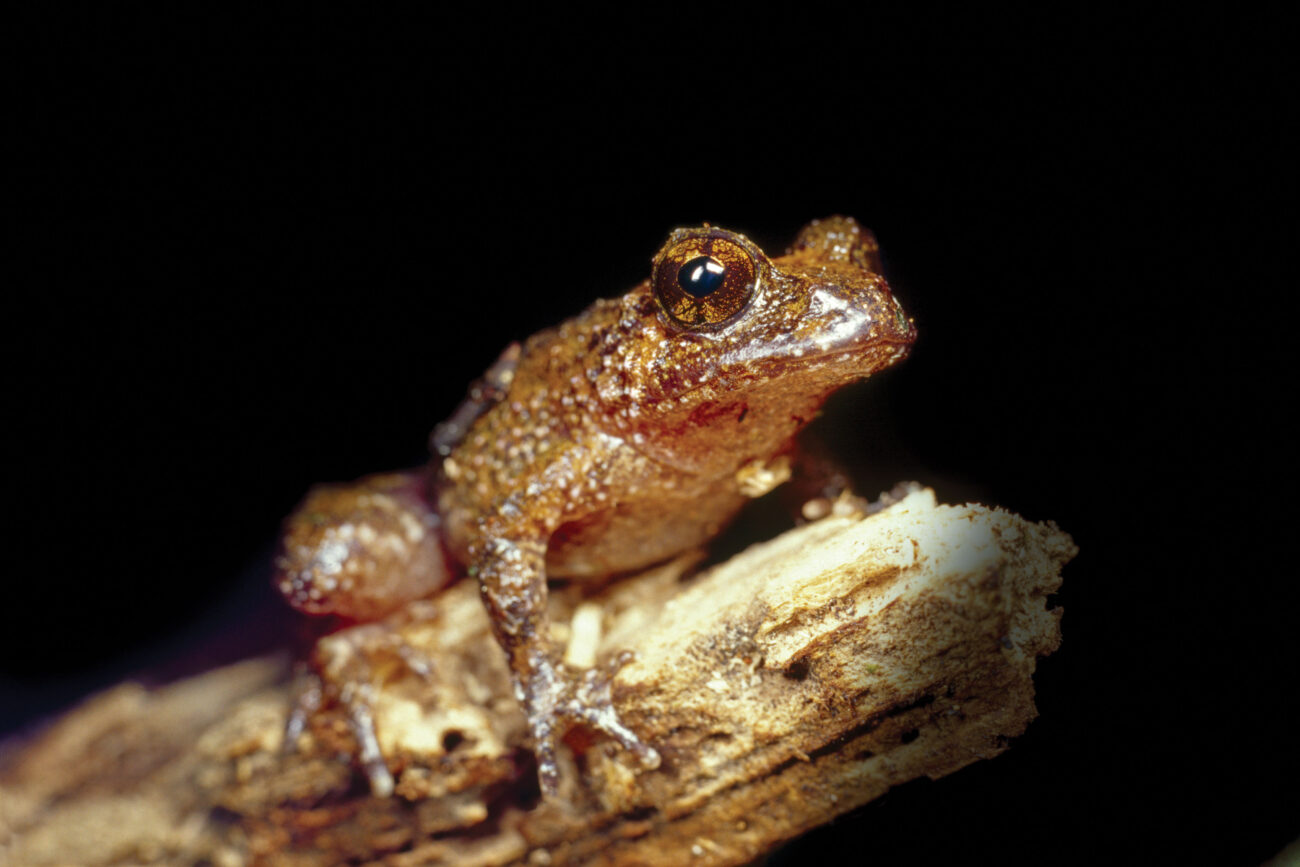
WILDLIFE One pig. One night. Fifty-six frogs.Have you heard the tale of the frog in the pig? Here’s how it goes. One afternoon in 2010, a hunter was out in Coromandel’s Wharekirauponga Valley when he and his dogs cornered a feral pig in the bottom of a small stream. When he gutted it, he saw the pig’s intestines twitching, and when he slit them open, a tiny frog jumped out. Based on the hunter’s description, it was likely a native species, either an Archey’s or Hochstetter’s frog. That frog had a lucky escape and became the Little Red Riding Hood of the New Zealand bush—an innocent, cut from a big bad belly in the nick of time. The anecdote appears in a paper published in March in the New Zealand Journal of Ecology. The extraordinary study finally confirms what hunters and conservationists have been saying for some time: feral pigs, along with stoats, weasels, rats, and cats, are eating our native frogs. Researchers counted tiny hands and feet in the digestive tracts of predators to reach their conclusions, but in many cases all visible trace of frog was gone. Only DNA remained. “There are some really awful, awful things happening out there,” says one of the study authors, Sara Smerdon, a Coromandel conservationist who helped raise the alarm after finding pig excrement all through a torn-up Archey’s frog habitat. “We’ve got a lot of work to do.” Aotearoa’s three surviving native frogs—the third is the Hamilton’s frog—are about the size of a bottlecap. They are all ancient and strange; they diverged from modern frogs in the Triassic period, and are nearly identical to frogs that lived 150 million years ago, before birds. They retain odd features, such as muscles for tail-wagging. Our frogs did not evolve defences against any of the ravenous hordes people brought to Aotearoa. They do not croak or leap or spit poison. They have no eardrums. Their defence is in hiding, and an array of toxic glands on the backs of their heads—defences fit for attack from above, for an island of birds. The frogs are no match for the superior snouts of carnivores prowling the modern New Zealand bush. |
MORE STORIES ABOUT FROGS: |
|

|
|
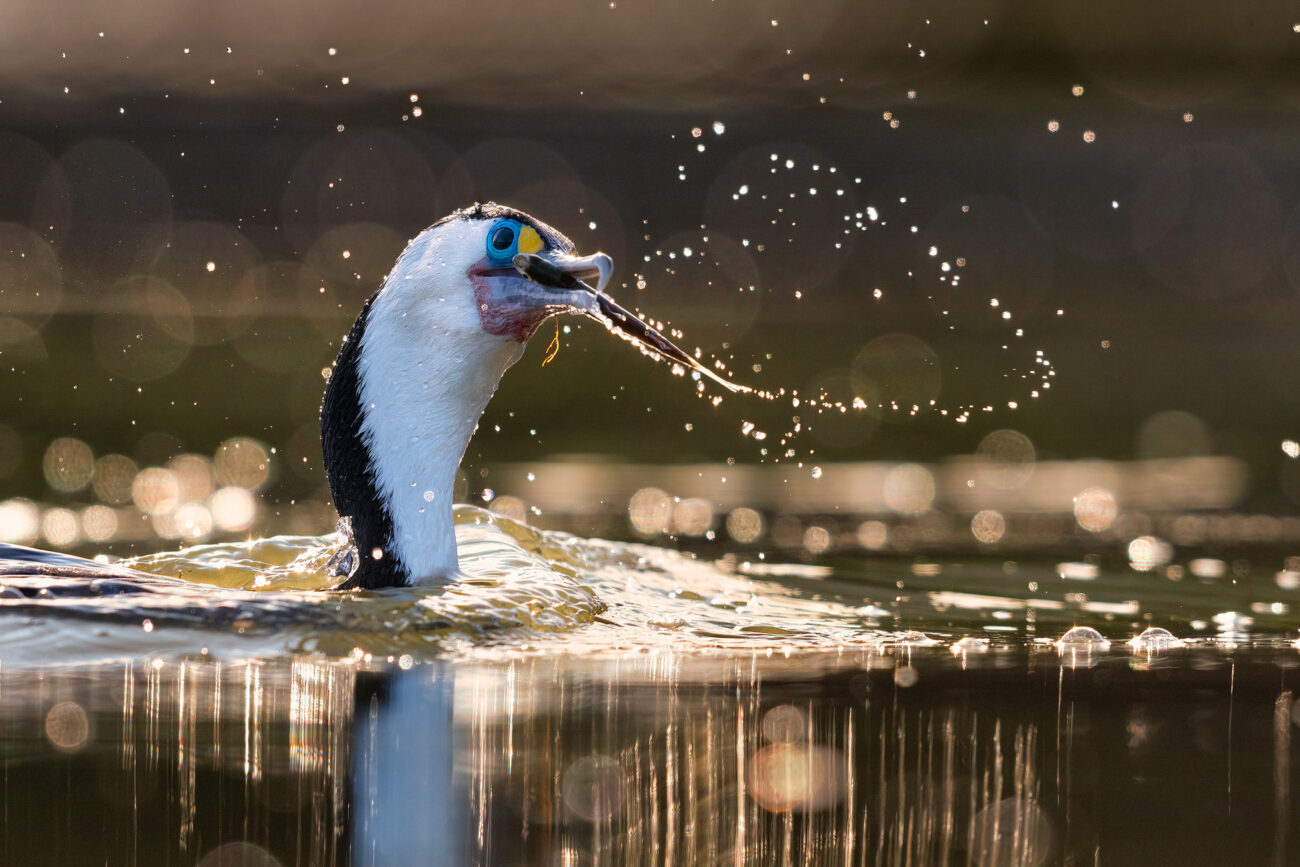
PHOTOGRAPHER OF THE YEAR Have a thing for feathers, fur?Heritage Expeditions Wildlife has always been an evergreen category in New Zealand Geographic Photographer of the Year. Here we celebrate the wild side of Aotearoa and have had winners as various as dolphins and worms—it really doesn't matter your subject, it's how you capture it that counts. And it doesn't always need to be a long lens. Some of the most original insights are when photographers bend conventions—go wide, shoot into the light, use camera traps or drones or other techniques to provide a new perspective on familiar things. Have a sift through your best work, check out Photographer of the Year, and get yourself in the running for Heritage Expeditions' $16,500 prize voyage. |
|

|

|
|
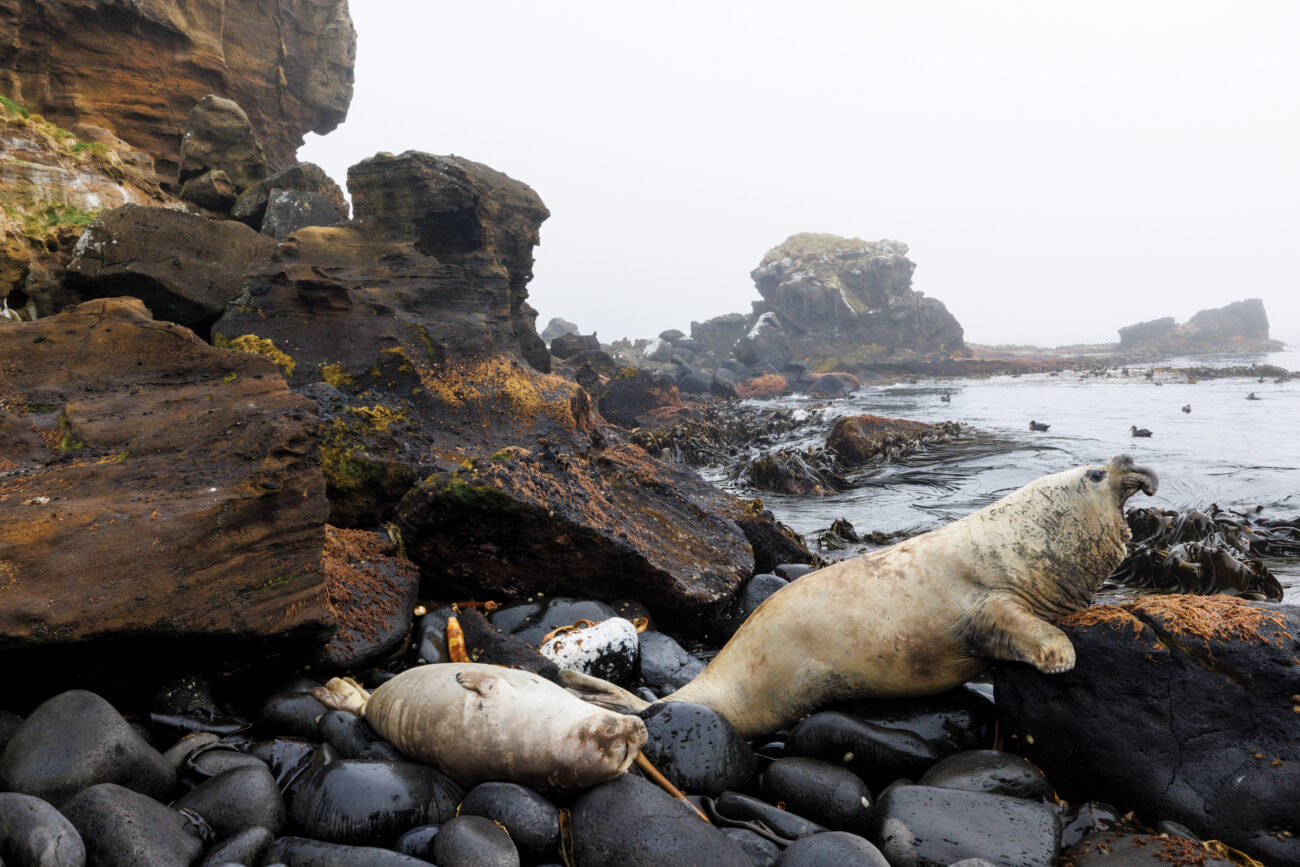
SCIENCE The elephant has left the roomThese days, it's rare to spot a southern elephant seal in New Zealand. These hefty mammals—the males can reach five metres and 3.7 tonnes—are now resident only on remote subantarctic islands. But 800 years ago, these giants called Aotearoa home. Arriving on New Zealand shores, Polynesian voyagers would have encountered coastlines crowded with fur seals, sea lions, penguins—and southern elephant seals, says Nic Rawlence, who co-led research recently published in Global Change Biology. The scientists pieced together this prehistoric picture by examining specimens dating back thousands of years. Initially, they thought elephant seals were rare here—their bones were scarce. Most elephant seal bone is like “a thick piece of kitchen sponge with a really thin crust”, says Rawlence, a palaeogeneticist from the University of Otago. “So a lot of it breaks up. It just doesn’t preserve.” |