|
|
Richard Robinson
|
|
|
WILDLIFE
Are we witnessing the end of the everywhere bird?
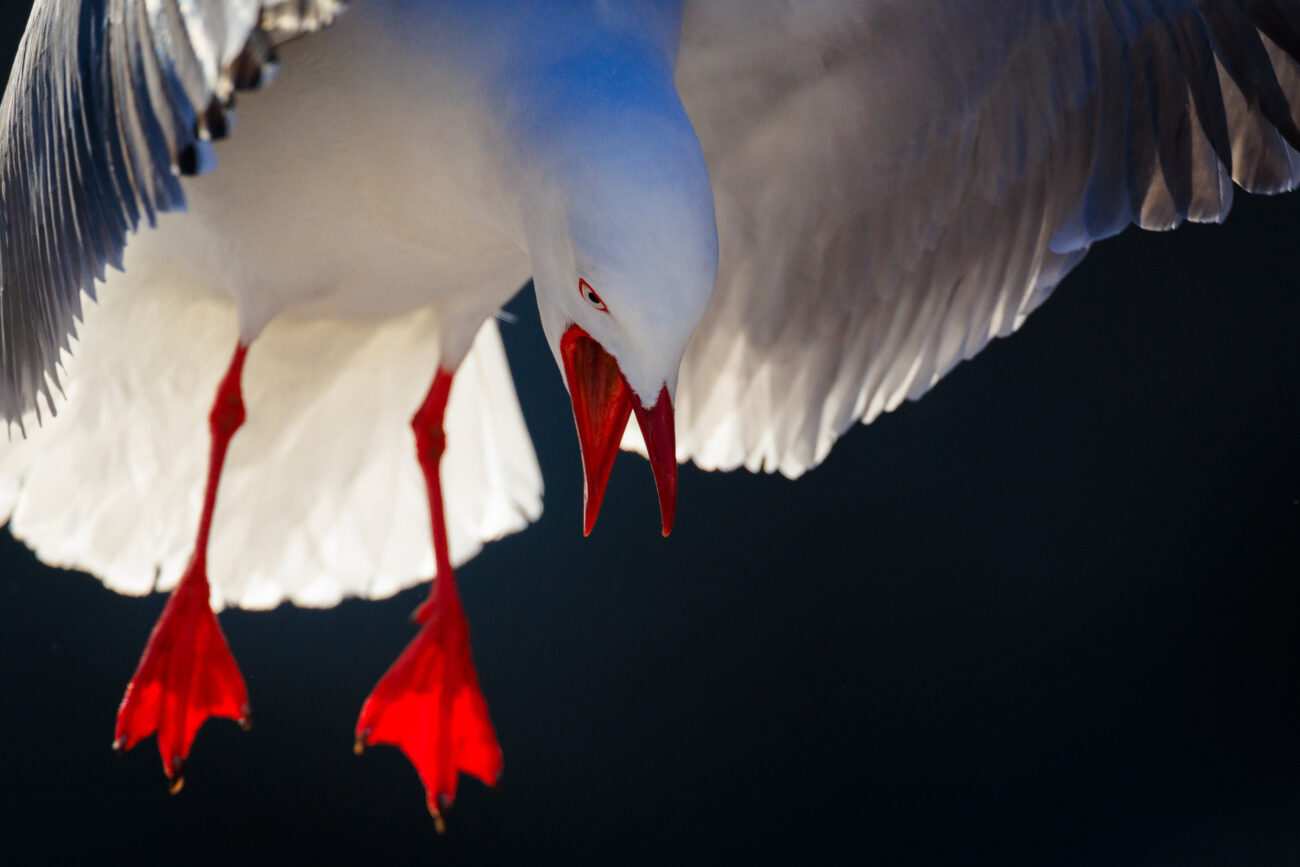
Heath Melville's first memory of red-billed gulls is shooting one with his slug gun when he was about seven years old. Just for something to do on a boring Kaikōura afternoon. He’d thought he might try to bag a bunch of them, but something about the dead bird moved him: the sleek white body fully alive one second, motionless the next. Then there was the lecture from his dad—the birds were protected, he said, and there was a fine for harming them...
Red-billed gulls seem like they’re everywhere. Like they’ll always be here—and like getting enough food is never going to be a worry. But like so much of our native wildlife, these birds are in trouble. Two huge colonies in the north have already all but collapsed and the next biggest, in Kaikōura, is fragmenting, like a melting iceberg, and rapidly shrinking. And so are the birds themselves. Keep reading...
|
|
|
|
Lottie Hedley
|
|
|
PROFILE
Let it go
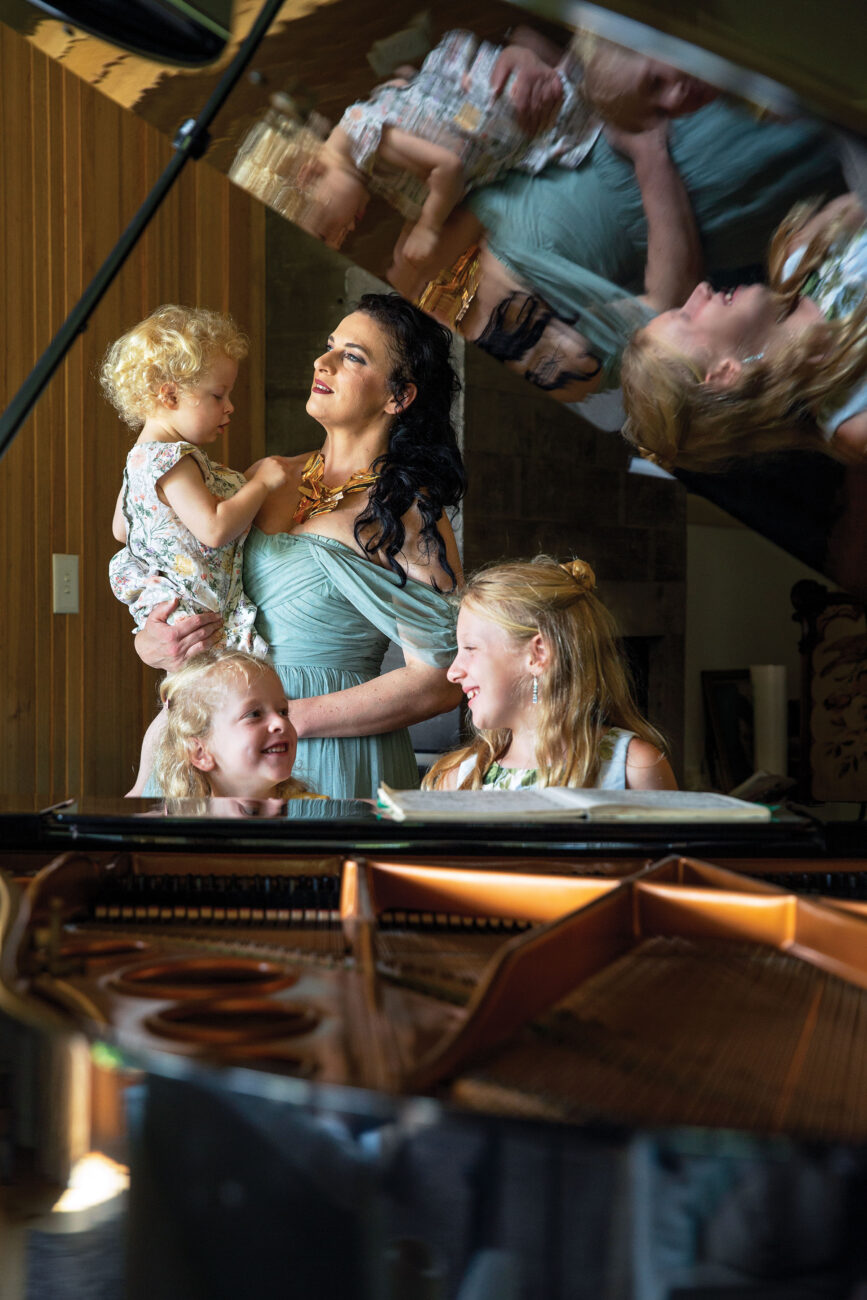
Before you sing opera, you have to learn how to breathe. So, inhale. Let the ribs expand, the lower belly swell. Now exhale. You’re pushing the air out using the top of the belly. Tuck your tailbone. Keep the ribs nice and floaty. Don’t lock your knees or your hips or your spine. Hold your mouth just so. Hold the back of your mouth just so. Now do all that, in costume and a language not your own, for hours, with no microphone, and as you breathe, whoosh out a glorious noise loud enough to soar over a full orchestra. Now do all that without thinking about it.
Keep reading...
|
|
|
|
Ian Harrison
|
|
|
Photographer of the year
When you look, what do you see?
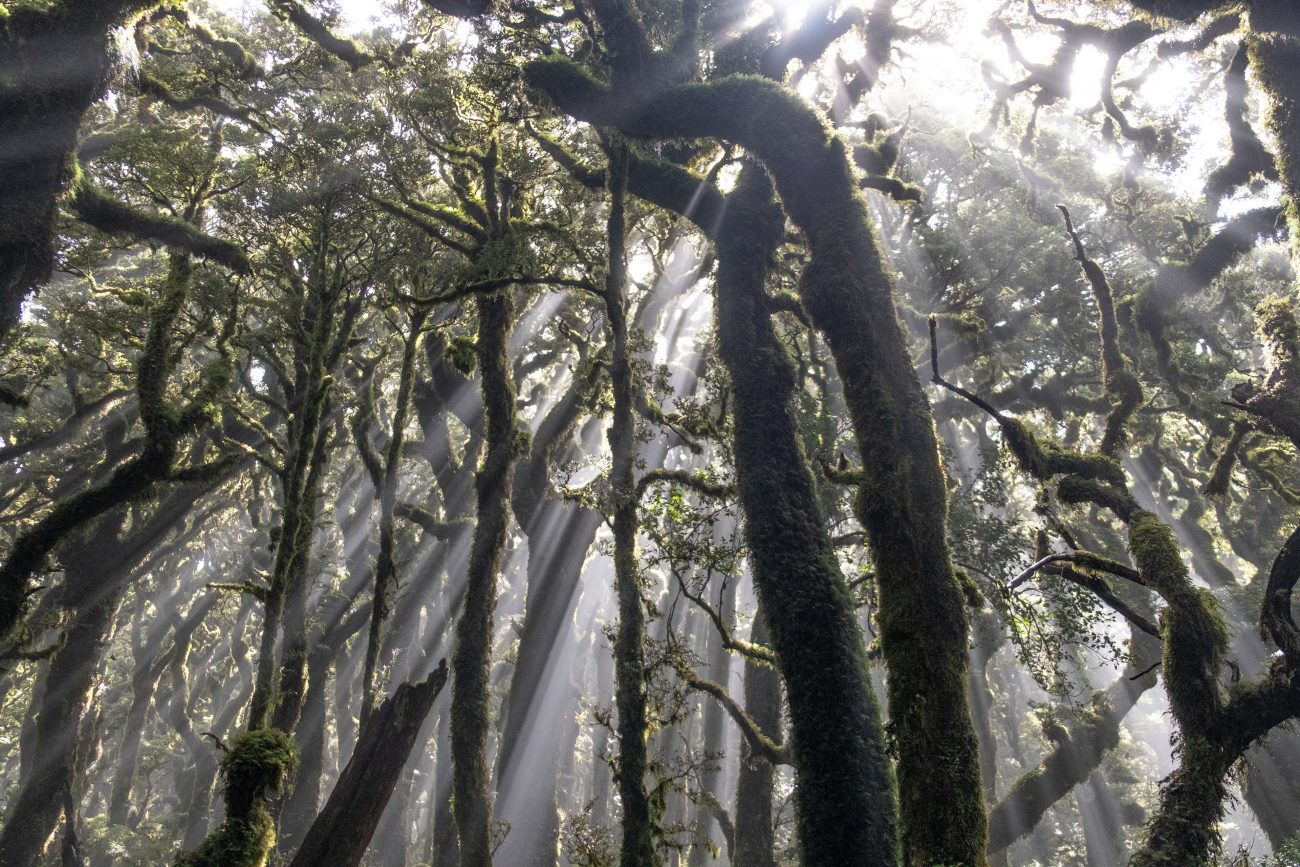
Mist highlights rays of the sun as it filters through a canopy of moss-covered beech forest near Cone Ridge. It's an image that Ian Harrison photographed on a tramping trip to the Tararua Ranges which went on to become a finalist in last year's Photographer of the Year competition. The renown artist Pat Hanly used to be my drawing tutor at architecture school many years ago. He was adamant that drawing could be taught, because it wasn't about drawing at all—it was about "seeing properly". This applies to photography too. When you look, what do you see? When you lift a camera to your eye, what is it that you're trying to express or capture? Have a look at last year's winners, and imagine what you could enter in this year's Photographer of the Year.
|
|
|