|
The strange, beautiful lizard at the bottom of the world
|
The Weekender |

|
|
|
Free newsletter
|
MARCH 7, 2025
|
|

|
Publisher |
|

|
A new issue is out; in letterboxes, supermarkets, bookstores, on Nana's couch and Dad's bedside table. It's magnificent, including feature stories on the mighty kingfish, a secret history of huia, the remarkable mathematics of tree ferns, the story of a community garden in Taneatua and, featured below, the incredible survival story of the world's most southerly gecko. Meanwhile, this week, buried deep beneath the tariffs, school lunches and Australian cyclones was a small but significant headline about a traffic offence hearing in a Wellington courtroom that may nonetheless reveal the changing nature of justice in a warming world. Over a number of days in October 2022, members of the group Restore Passenger Rail climbed structures, abseiled above a motorway and displayed banners that blocked or slowed Wellington's traffic. Their message was that accessible and reliable train services are essential for reducing emissions, mitigating the climate crisis and providing sustainable transport options. The Crown alleged that their actions created an “unreasonable risk” and disruption to the public. But as the trial got underway this week, RNZ's Krystal Gibbens and Mary Argue described how a sense of irony began to rise in the room. The defendants pleaded not guilty, yet did not dispute that they had caused disruption. They argued that their protest was necessary to draw attention to what they see as government inaction on climate change, the effects of which would cause epochal disruption to both society and the environment. One expert witness reminded jurors that if carbon emissions stay on their current trajectory, New Zealand’s major cities could be underwater by century’s end. “It’s remarkable that our law holds people accountable for a morning’s traffic jam, yet holds no one accountable for the far greater harm of climate change,” argued the group’s lawyer, Christopher Stevenson KC. The trial is scheduled for three weeks, and may test whether our legal mechanisms can adequately address the moral weight of the climate crisis. |
|
|
|
|
Is journalism about our environment important to you? If so you can support our work with a subscription—either print or digital or both— please check out the options.The more subscribers we have, the more great work we can produce. |
||
|
|
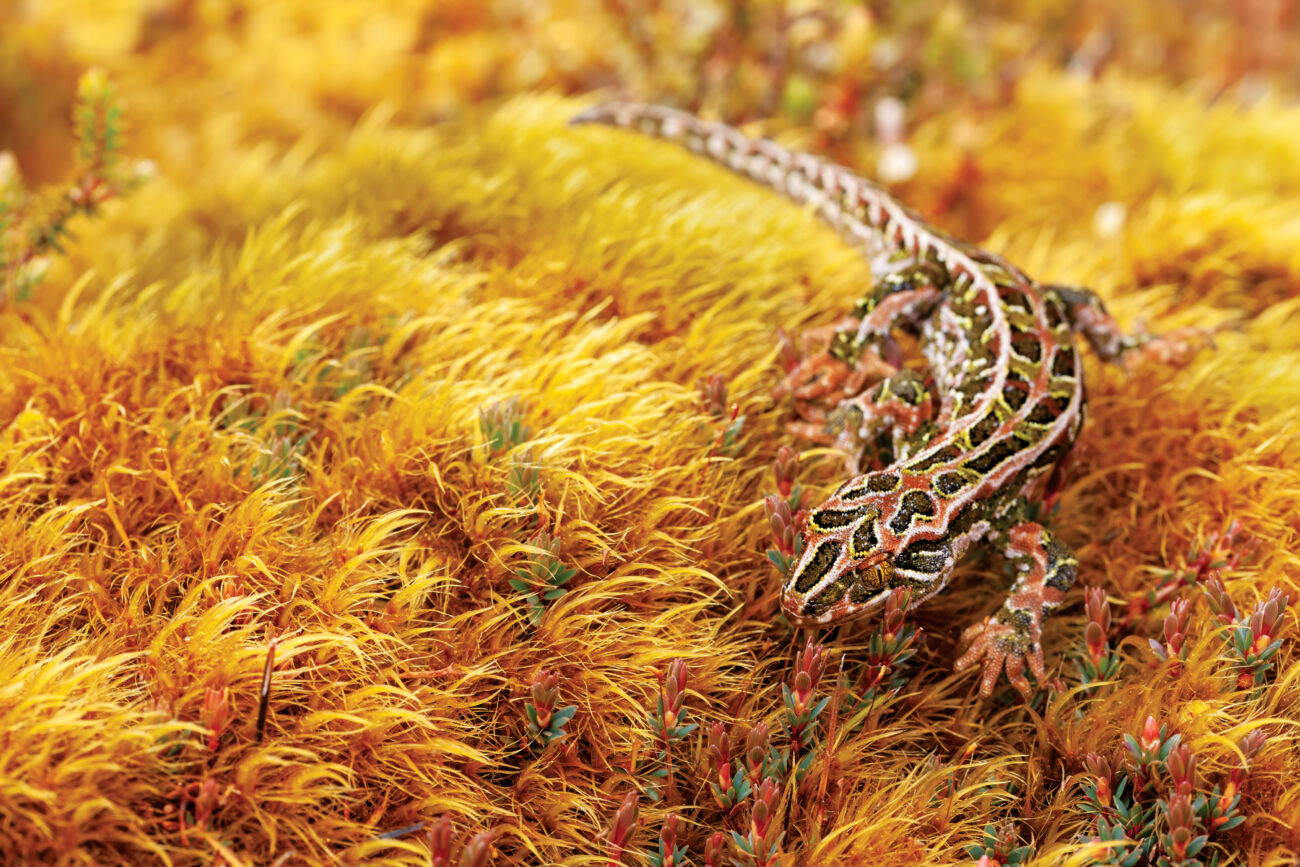
WILDLIFE The strange, beautiful lizard at the bottom of the worldA cold wind whips through the mānuka as James Reardon, a Department of Conservation herpetologist, hurries up a ridgeline on southern Rakiura. Abruptly, he stops. In front of him on the track is a puddle, and poking out from the water is the head of a gecko. Reardon can see its looping herringbone patterning, ellipses of chocolate brown on the orange head, tracings of lime and white. It’s a harlequin gecko, sitting perfectly still and almost completely submerged. Reardon watches the gecko, baffled, as the southerly wind tears at his parka. It doesn’t seem the kind of day for a lizard to be out at all, let alone sitting in water. The gecko watches him with golden eyes. After a while, Reardon heads on up the track for the afternoon’s work. Five hours later, he comes back down the track. And in the puddle, in the same position, is the gecko. He watches it, worried it may be injured, but it’s breathing fine, if rather slowly. Reardon carries on to the hut, makes a coffee and grabs his camera, then returns to check on the gecko. This time, it’s gone. “I assumed the poor little thing would be moving slowly, because it was so, so cold,” says Reardon. He had a look in mānuka nearby, but no sign. He scurried back to the bivvy. Most geckos live in the tropics, or nearby—latitude matters, because lizards get their warmth from the environment rather than generating their own. The harlequin gecko is an outlier. It’s one of the most southerly-living geckos in the world. “The environment they live in looks nothing like what you’d expect a gecko to live in; it’s extremely harsh and exposed,” says Reardon. Temperatures on Rakiura are often in the single digits; the hillsides where the geckos live can get as cold as minus 10 degrees. Sunshine hours are low, and rainfall is high. “They’re just remarkable in every respect,” says Reardon, “The species is a real enigma.” To be surviving here, the geckos must be doing something differently. |
MORE STORIES ABOUT LIZARDS: |
|

|
|
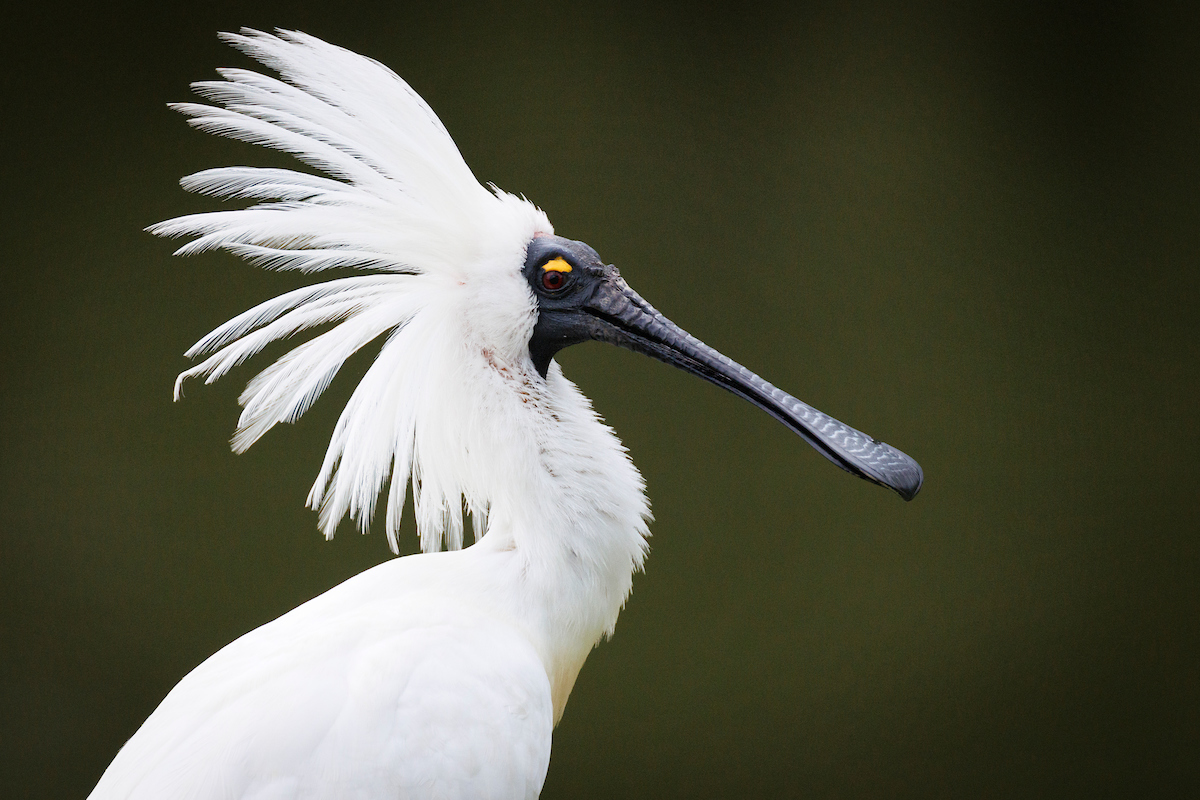
IMMIGRATION New Zealanders are moving to Aus, but one bodacious bird is heading in the other directionRoyal spoonbills are thriving in New Zealand, with birdwatchers spotting their extravagant head feathers in more and more estuaries and lagoons. The population is now growing at a rate of 10 per cent per year, according to the most recent Birds New Zealand census, which recorded 4593 spoonbills nationwide. “Aren’t they amazing to watch when they fly?” says Bernie Kelly, who took part in the census. “I remember looking at them through binoculars and thinking, ‘I’m not in Africa, I live in Clive. And they’re just down in my wetland.’” |
|

|
|
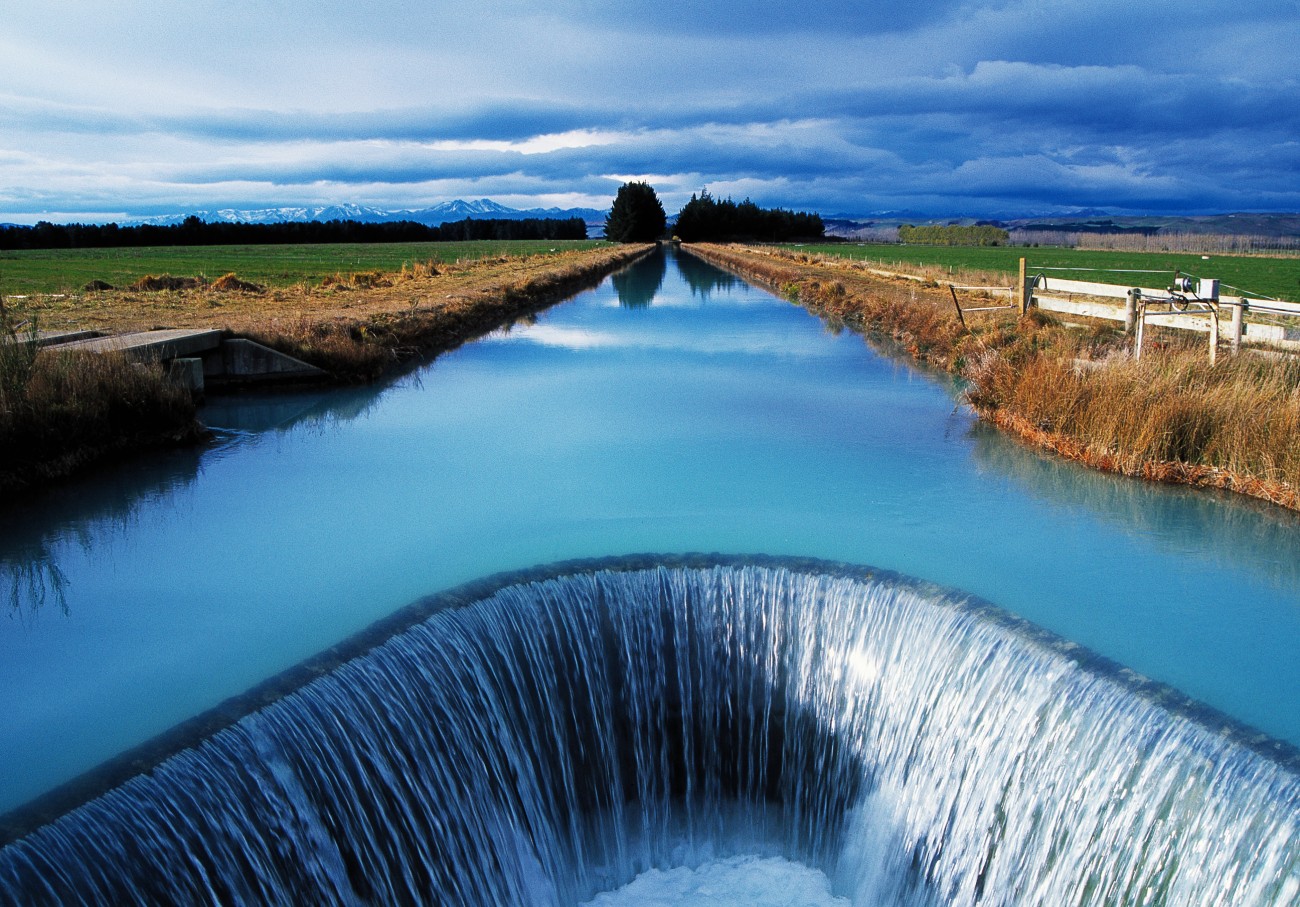
PARTNER CONTENT: TOYOTA Great Drives: Ōmārama to ŌamaruThe drive down the Waitaki Valley from Ōmārama is flanked by stark high-country scenery and merino runs, but it’s the artificial lakes of the Waitaki hydro scheme that dominate the landscape. |
|