|
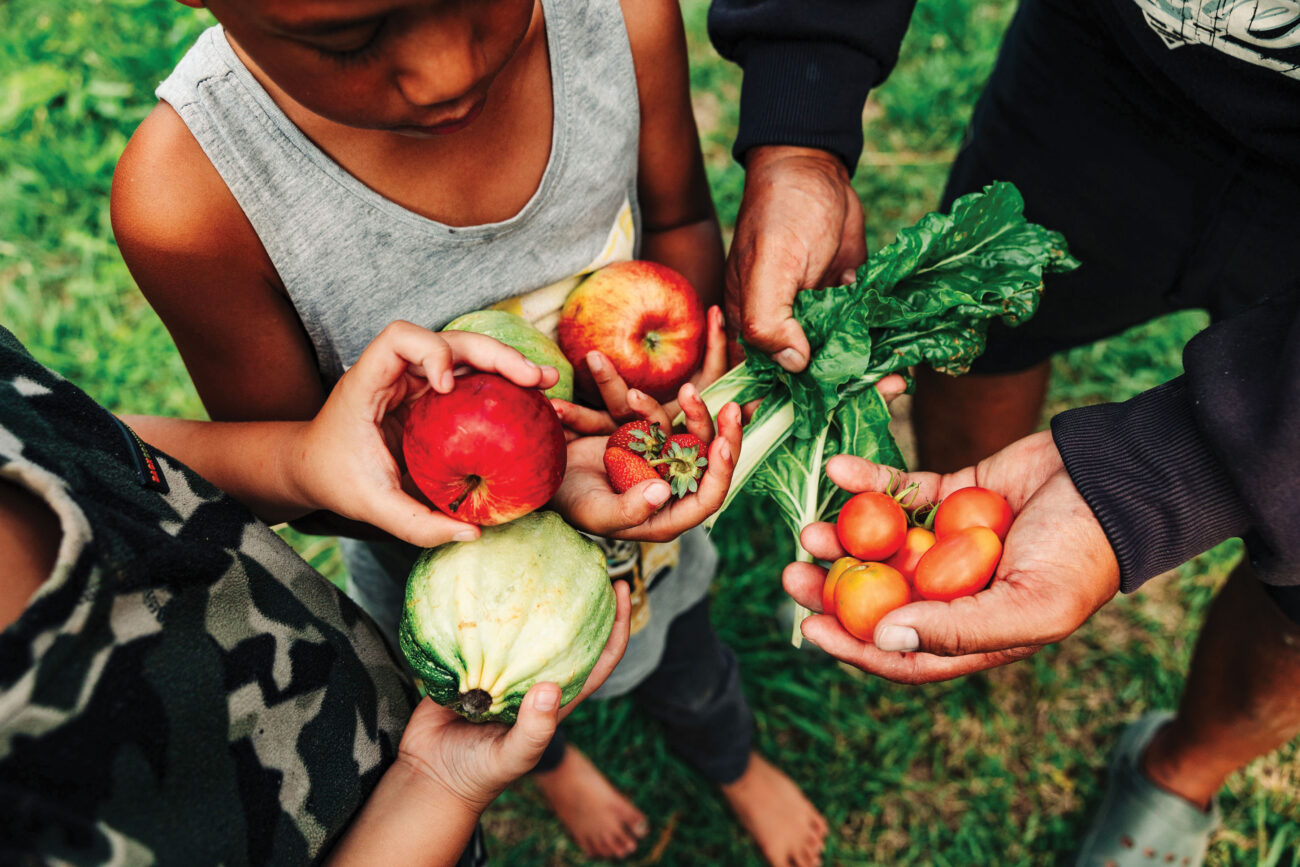
Nine years ago the people of Tāneatua saw that their tamariki were hungry, and bored. The people had no idea how to garden. They made a garden anyway.
|
The Weekender |

|
|
|
Free newsletter
|
MARCH 14, 2025
|
|

|
Publisher |
|
In a week when school lunches hit the headlines, again, it’s worth considering the role that sustenance plays in our lives, and the pleasure of growing. Take Tāneatua, for instance: A small town in the Bay of Plenty with a population of 1000 people, 90 per cent whakapapa Māori, overwhelmingly Tūhoe. Writer Stephanie Chamberlin describes how in 2016, Honey and Tamiana Thrupp wanted to do something for town, and settled on building a community garden. They hadn't built one before, but that wasn't going to stop them. The Hughes Place garden turned into an epicentre for the community, a place to harvest free kai, but also a place to be together and grow together. When Bunnings donated a carport for shelter, the Police provided an escort, closed a bridge, and did a loop around town, sirens on, lights flashing. “Our rule was that no one was to be left out,” said Honey, “and our hope was that everybody would be involved.” |
|
|
|
|
Is journalism about our environment important to you? If so you can support our work with a subscription—either print or digital or both— please check out the options.The more subscribers we have, the more great work we can produce. |
||
|
|
SOCIETY The people of Tāneatua saw that their tamariki were hungry, and bored. They made a garden.You've driven through Tāneatua if you’ve taken the inland route from Whakatāne towards Ōpōtiki or Gisborne; it’s tucked into a right angle of State Highway 2 and subject to the near-constant rumbling of logging trucks and tankers. You might have noticed a mural near the dairy, the lined face and guarded expression of a white-haired kuia staring evenly from a deep black background. You might have noticed horses tied to porches; a shed painted with the words We Are Still Here. Harakeke and mānuka screen the new $15 million Tūhoe headquarters, Te Uru Taumatua—a sustainably built “living building”, and flagship for the iwi’s housing and building initiatives. Town size: 0.69 square kilometres. Population: 1000. Half the people here speak te reo Māori; some 90 per cent whakapapa Māori, overwhelmingly Tūhoe. Forty per cent of the families are a single parent plus kids. The unemployment rate is twice that of the Whakatāne District overall. The average income is less, too. Of those in work, one-third are labourers. Statistics miss a lot. They say nothing about the joy of finding the first ripe strawberry. The satisfaction of mashing a young kamokamo to feed to your toddler. They don’t catch the look on Honey Thrupp’s face when she talks about her garden. She would never say it’s hers, mind. But everyone else does. |
MORE STORIES ABOUT GROWING: |
|

|
|
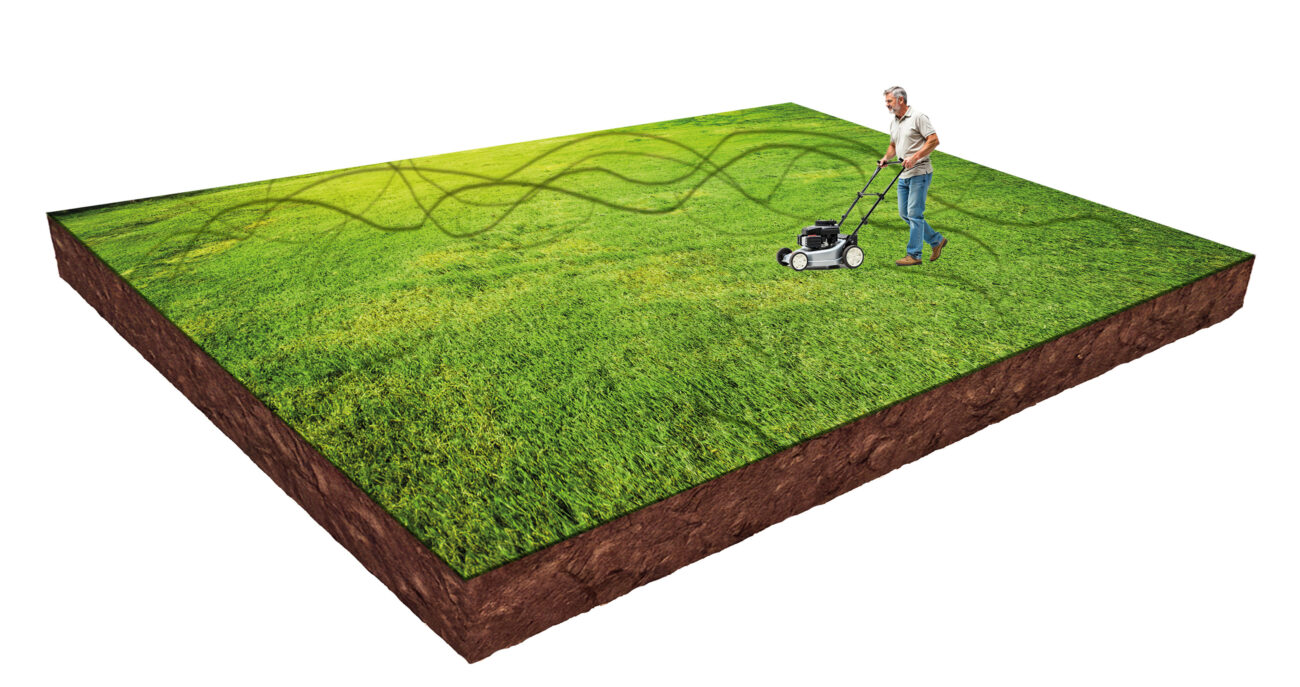
SCIENCE Newsflash: You're mowing it wrongMowing a blob shape into a field can dramatically help insects, research has found—and it’s better for pollinators than leaving a long verge alongside a mown area. Belgian scientist Laurian Parmentier has long been thinking about the best ways to manage grasslands—paddocks, parks, nature reserves, golf courses, or lawns. These are important insect habitats, and mowing particularly affects bees and butterflies. Could there be a better way to mow? After considering the lack of straight lines in nature, Parmentier wondered if mowing in an amoeba shape might foster insect life better, as freshly mown parts wouldn’t be too far from areas with longer growth. |
|
|
|
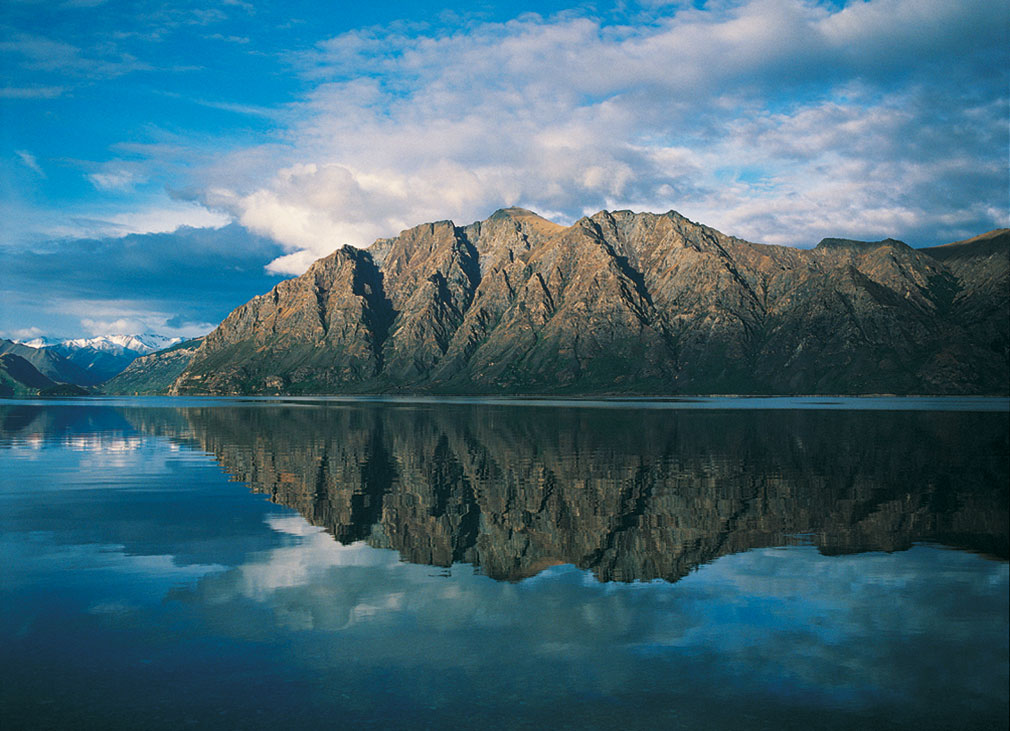
PARTNER CONTENT: TOYOTA BZ4X Great Drives: Haast to WānakaProbably the most dramatic of any of the road crossings of the Alps, and also the lowest, this was a well-known route used by Māori. A packhorse trail over the pass was established by the 1870s, but construction of the highway between Hāwea and Haast was spread across no less than 36 years between 1929 and 1965. |