|
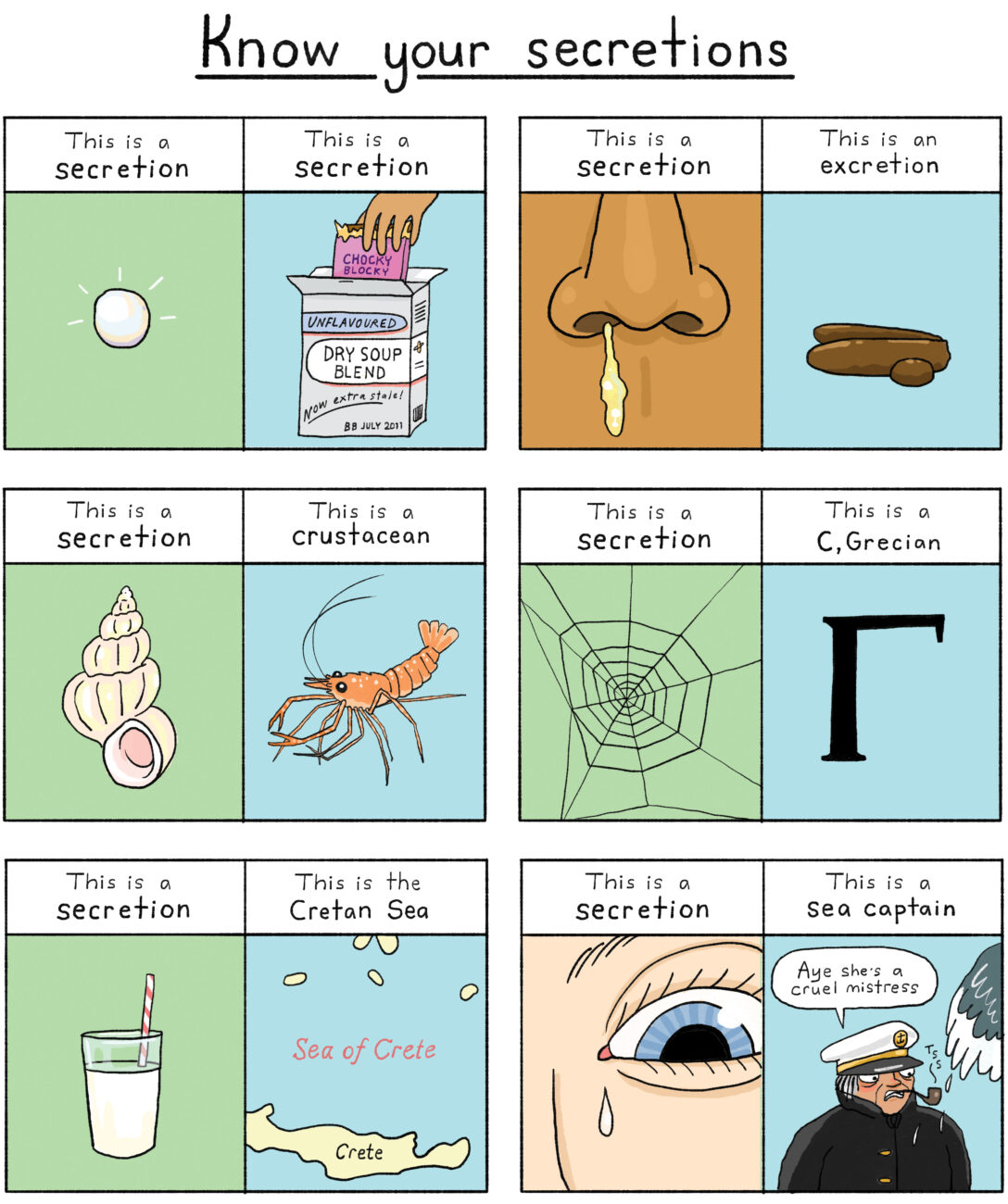
All around us, creatures are quietly getting on with secreting—oozing not just milk and tears, but beautiful homes, musical instruments and shark-fighting devices.
|
The Weekender |

|
|
|
Free newsletter
|
June 13, 2025
|
|
|
Publisher |
|
As news of the world reaches new heights of alarming, let's take a wee mental health break and consider something completely different. I could point you to the way a jellyfish can achieve immortality, the real science behind feelings of love and attraction, perhaps bonsai trees, ice baths or moss. This is the wide remit of New Zealand Geographic and the stuff that keeps me publishing and you reading. Where else, then, are you going to find an illustrated story about secretions? Snot, milk, tears, but also the stuff that makes seashells and spider webs. Read Rebekah White's unflinching investigation below :) Maybe this weekend is a good weekend to set aside your newspaper and pick up your magazine. Or if you're a photographer, pick up your camera: It's just over a month before the close of entries for Photographer of the Year, wth money and prizes galore. Sometimes a bit of news avoidance can be better than staring into the abyss. Call on family, go for a walk, have a good one. |
|
|
|
|
Have something to say? Feel free to get in touch with me directly. You can support our work with a subscription—either print or digital or both—please check out the options.The more support we have, the more great work we can produce. |
||
|
|
JUST SO All around us, creatures are quietly getting on with secreting—milk, tears, but also homes and musical instrumentsImagine if a snail had feet popping out the end of its shell, two soft little lobes. Now, imagine that it could flap those feet and fly away. That’s pretty much what a sea butterfly is, except that it swims rather than flies. It’s tiny—as small as a lentil. Its shell is so transparent that you can see its heart beating within. And, apparently, it’s delicious. So many other animals eat sea butterflies that they’ve been nicknamed “the potato chips of the ocean”. They are fundamental to marine life: anything that threatens sea butterflies threatens everything. Sea butterflies themselves are mostly vegetarian: they spend their days hidden in the deep, then commute to the surface at night to eat plankton, in the same way that snails munch your basil under cover of darkness. As the sun rises, they hold up their wings to sink down. They eat by fishing with a net made of mucus, casting out snot and reeling in their catch, all while attempting to avoid their nemesis: the naked sea butterfly. Naked sea butterflies, as their name suggests, don’t create shells, but fly through the water with their jelly-like bodies completely exposed. They look like tiny angels, except that you can see all their internal organs. If a school dental nurse ever made you a butterfly out of a cotton swab, a tissue and some dental floss, then you get the idea. They’re extremely cute—until they spot a sea butterfly. Then, their heads peel down to reveal a six-pronged claw, perfect for ripping sea butterflies out of their shells and swallowing them whole. But this horror-show battle of the ages is in danger. A bigger force threatens to tip the balance in favour of naked sea butterflies. Around the world, oceans are becoming more acidic, which makes it harder for sea creatures to secrete their shells—to create them using molecules from seawater and proteins from their bodies. Sea butterfly shells are so delicate—they’re thinner than a human hair—that they are considered to be at extreme risk from ocean acidification. Climate change is affecting their ability to secrete, and there’s no time to evolve a quick fix. |
MORE WILD STORIES: |
|
|
|
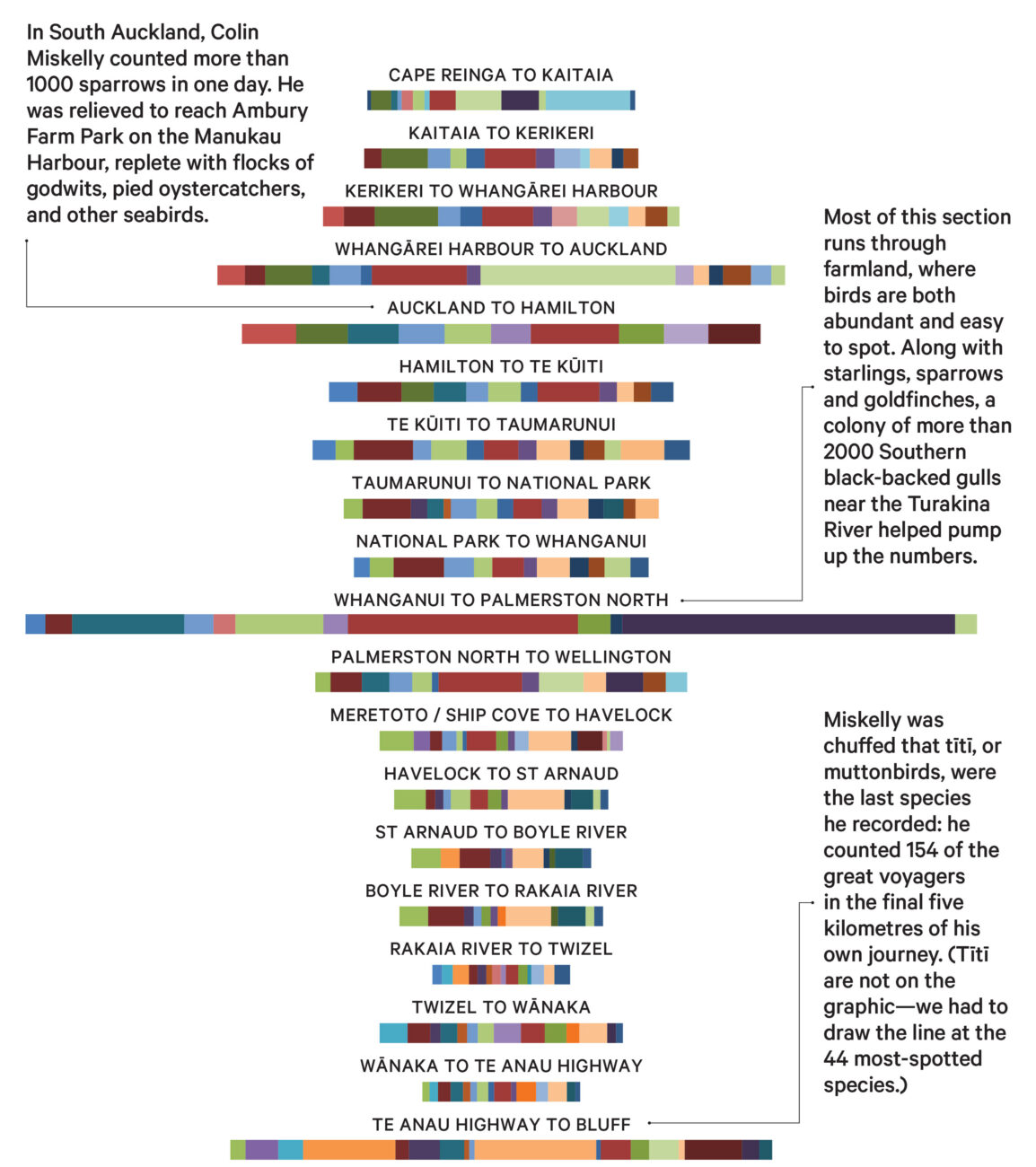
WILDLIFE Sparrow countryWhat sort of birds are you likely to see if you tackle Te Araroa? After walking, as they say, “every f***ing inch” of the famous trail’s 3200 kilometres, methodically counting birds all the way, conservationist Colin Miskelly can tell you that mostly, there will be sparrows. The chirpy imports topped his tally at 12,500, more than double the second-most abundant, chaffinches. Other exotics were plentiful along the trail, too: blackbirds, mynahs, starlings and goldfinches all flocked into the top 10. Miskelly, curator of vertebrates at Te Papa, tackled Te Araroa with his brother the summer before last. Along the way he’d left stashes of counting paraphernalia: pencils, waterproof notebooks, and A3 graph paper. He posted his notes home as he went. All up, he worked out, it was about 24 square metres of paper, “enough to wallpaper a small room”. |
|
|
PHOTOGRAPHER OF THE YEAR Have a weird affection for landscapes?Richard Young does. A weird, deep, abiding affection. Check out the video profiling his work from 'Tuber Sean Tucker who unravels some of Young's thought processes—it's good fodder for any landscape photographer to gnaw on. And gnaw you must, for two reasons. 1) New Zealand Geographic Photographer of the Year entries close on July 16, and 2) we receive more entries in the Resene Landscape category than any other... so you need to find a way for your work to stand out from the other willows in Lake Wānaka. Top tip; find a new subject. |
|

|
|
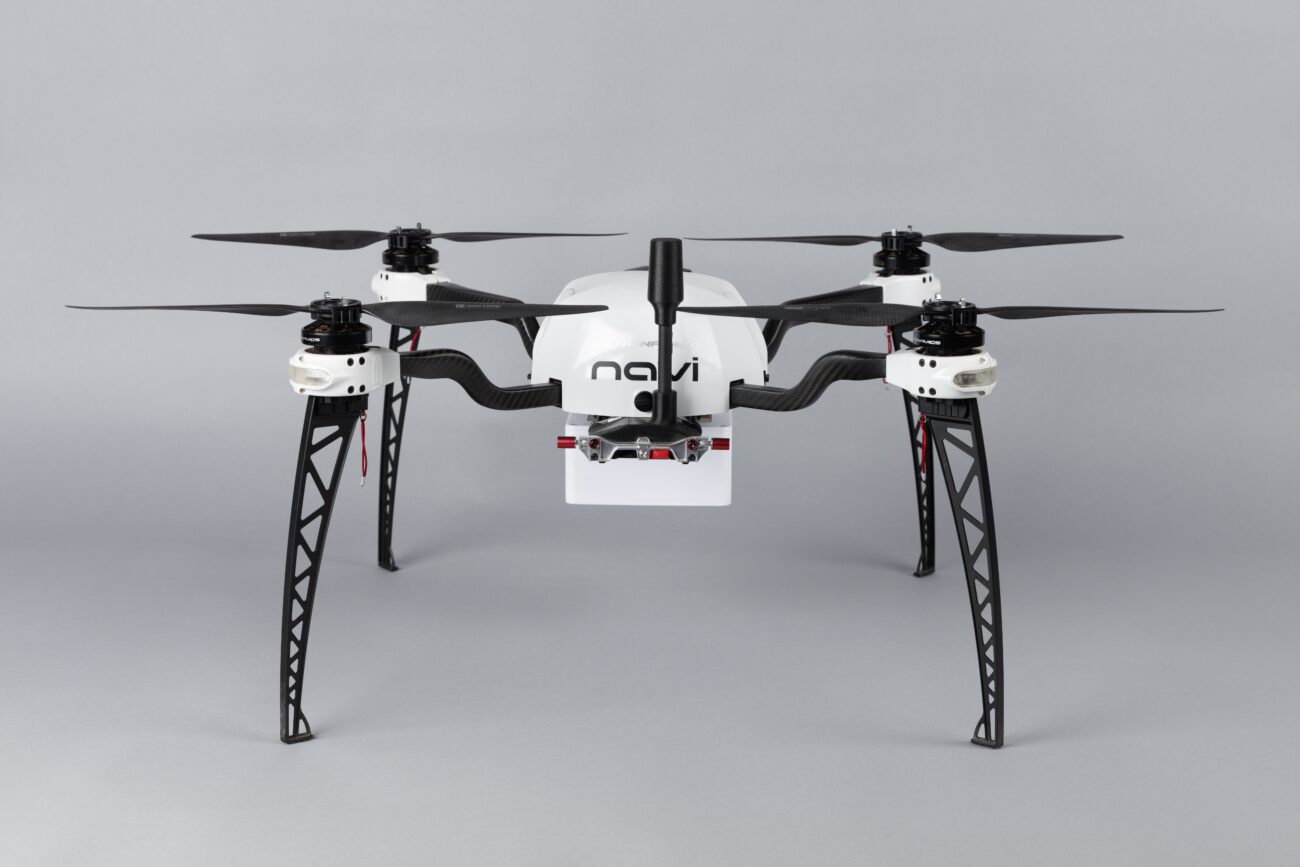
PARTNER CONTENT Flying visitMOTAT is striking a balance between the past and the present with a new exhibition called Hautū Aunoa Autopilot. The centrepiece of the exhibition is an autonomous Wisk Gen 5 electric vertical takeoff and landing (eVTOL) air taxi and it also features a locally-designed Aeronavics drone and a water quality monitoring solution from Aquawatch. While visitors won’t get airborne, they will get the next best thing: a virtual reality experience that goes from Te Wai Ōrea/Western Springs to Mechanics Bay. “As you fly, you engage with landmarks and other objects from the collection,” says Hannah Crichton, MOTAT’s Exhibitions Content Developer. |
|