|
| |
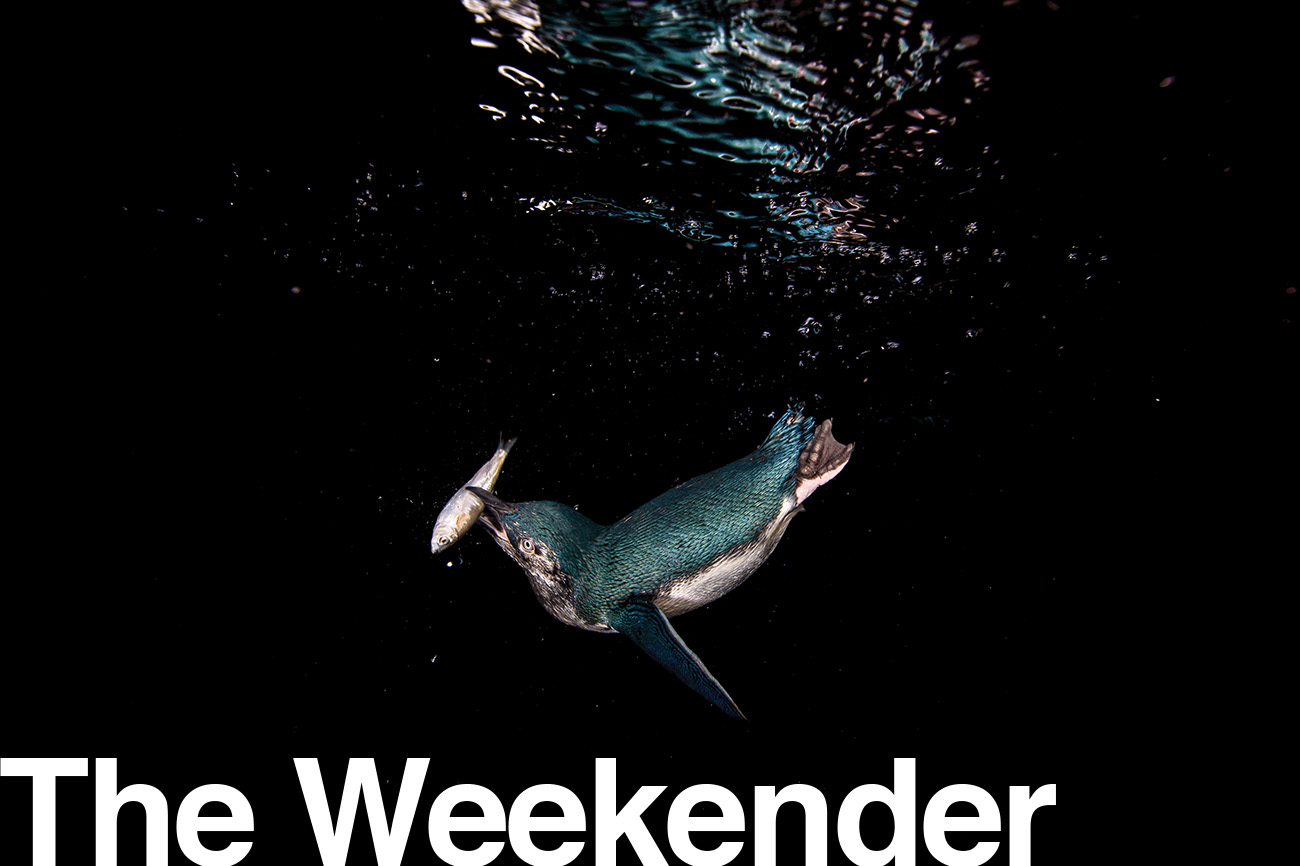
Wreck of the penguins
After reports of dead kororā/little blue penguins washing up on the coasts of Northland and Auckland, a bird rescue group is worried that a mass die-off of the penguins could reoccur this summer. It's already happened once. A mass penguin die-off took place at the beginning of 2018. Wildlife hospitals around the country treated an influx of starving penguins, and emaciated birds washed up along our coastlines.
After the 2018 penguin wreck, New Zealand Geographic journalist Bill Morris went in search of answers. What's happening to our penguins? And could it happen again? Keep reading...
|
|
|
| |
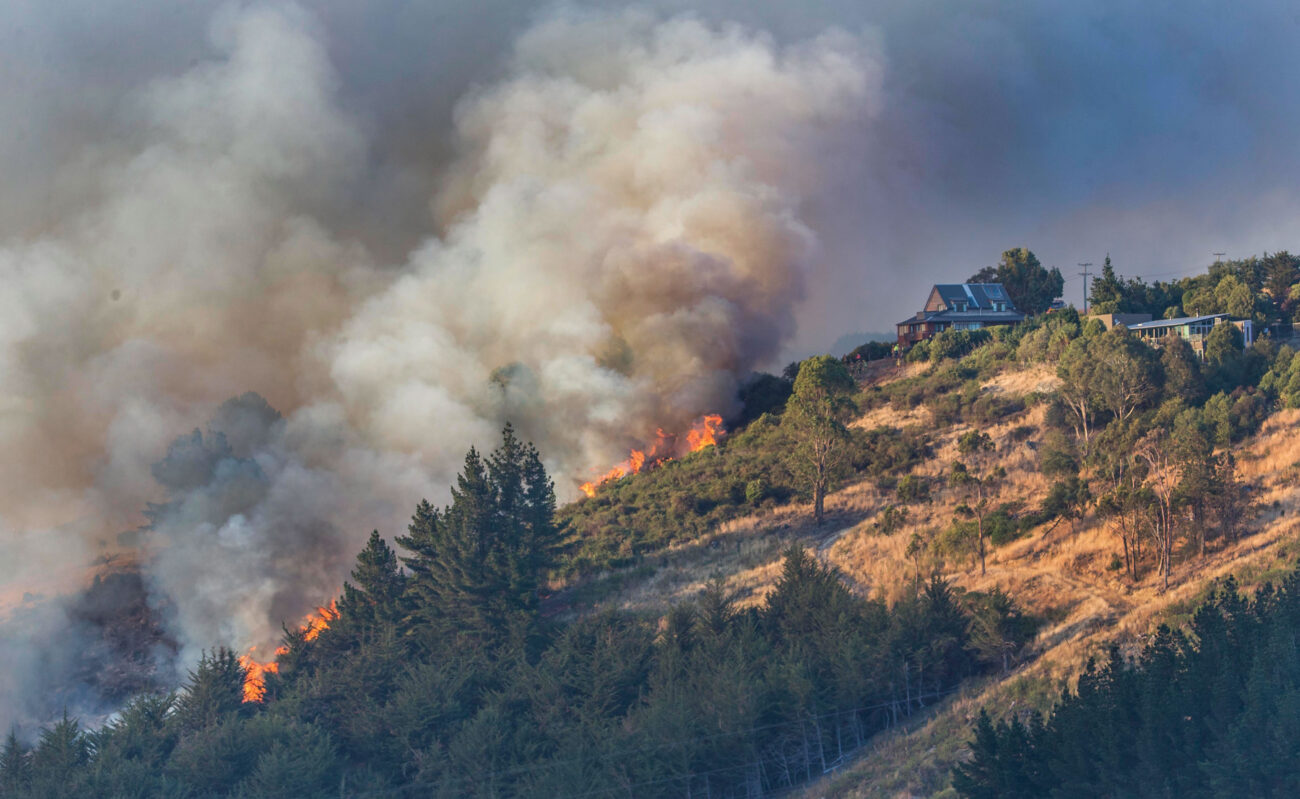
Fire weather is forecast for summer
"It's not a problem that's just prone to the more remote, rural areas. Increasingly we're seeing these fires involving homes," says fire researcher Grant Pearce in a recent episode of RNZ's podcast The Detail. Housing developments in New Zealand are putting people increasingly in the way of wildfire—just as fire season is getting longer, and the number of fire-weather days are increasing. Why is this? And is there anything we can do to safeguard ourselves from wildfire? Naomi Arnold investigates. Keep reading...
|
|
|
|
| |
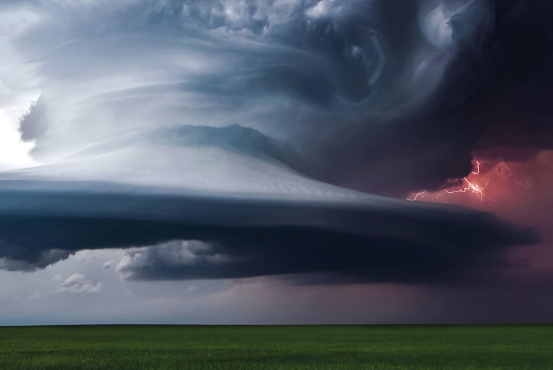
Thunderstorm asthma
Certain weather conditions can spread pollen fragments so small that some people experience severe asthma, even if they’ve never had it before. It begins when a significant storm arrives while pollen is abundant. Pollen grains are sucked into the storm clouds, where they absorb moisture and burst, shattering into smaller pieces. These tiny particles are dispersed by the storm’s downdrafts. They’re so small that they pass straight through the nose and into the lungs. Keep reading...
|
|
|
| |
Give NZGeo this Christmas!
New Zealand Geographic—named Magazine of the Year five years in a row—has something for every member of the family. From inspiring stories of our living world to tales of our changing society, it is loved by readers young and old.
Give NZGeo this Christmas and receive a free 32-page 2021 calendar with winning images from the Photographer of the Year competition. For gift subscriptions, simply put the recipient's details in the "Ship to a different address" section of the checkout. You can choose to send the latest issue when it is printed, have it ship after Christmas, or forward to your own address so you can pass on as a gift personally—all of the options are in the checkout. See the options >
|
|
|
|