|
| |
How the giant parrot was discovered
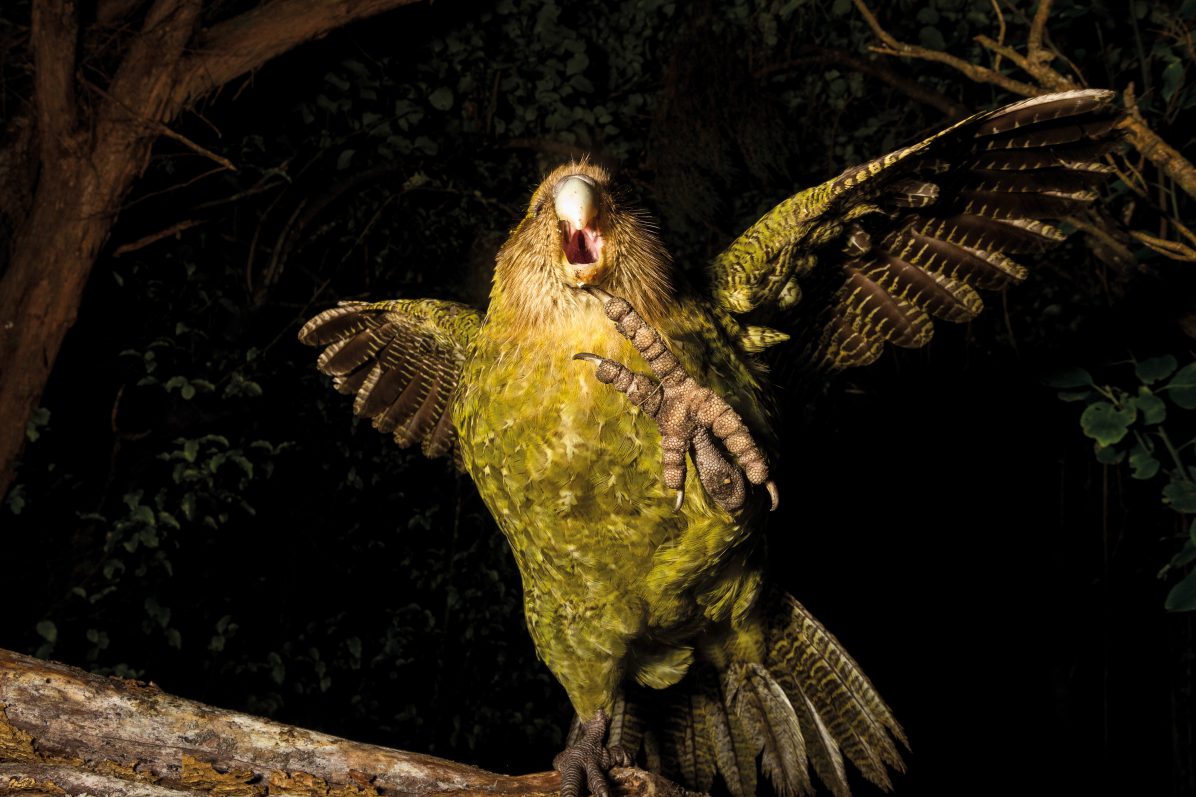
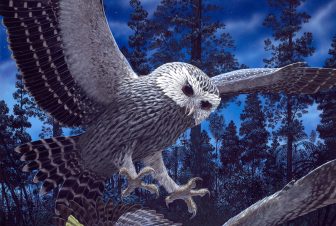
Imagine a bird twice the size of a kākāpō (pictured above) and you might have an idea of the giant parrot that once roamed New Zealand. Its discovery was announced last week, based on fossilised leg bones excavated at St Bathans in Central Otago.
|
|
|
|
| |
Only 11 days left to enter Photographer of the Year
Entries are open for the annual New Zealand Geographic Photographer of the Year—the country’s most popular, prestigious and richest photography competition. There’s more than $5000 in cash up for grabs, and a $34,000 voyage to Antarctica. Don't leave it till the last minute!
|
|
|
|
| |
New Zealand's tropical past
About 16-19 million years ago, a superlake stretched over 5600 kilometres in what is now Otago. It was home to crocodiles, adzebills, rails, fish, wading birds, and the newly discovered giant parrot.
|
|
|
|
|
|
| |
What's an adzebill?
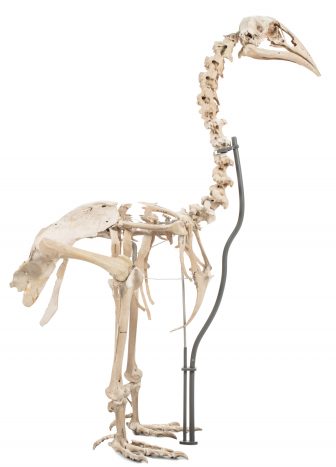
The adzebill was, as far as anyone can tell, a giant flightless killer in the shape of a goose. It had a formidable beak shaped like a pick, very strong legs, and probably weighed around 20 kilograms.
We don’t know what it ate, but from its skeleton, it looks perfectly capable of running other species down, tackling and stabbing them—the All Black of the bird world, if you don’t count the stabbing.
|
|
|
|
|
|
| |
Explore East Cape from your armchair
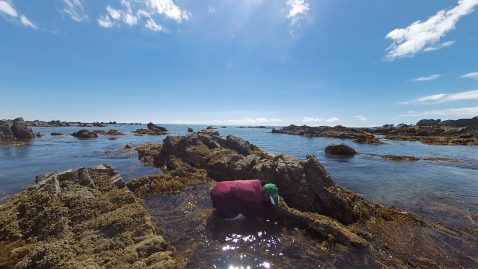
Elaine Kasper doesn't have far to go to collect a feed of kina—the rocks outside the historic Ruakokore Church usually provide a shopping bag full in a few minutes. As a child she recalls catching crayfish here, but they're a rare sight now. Next month she'll be officially installed as the vicar of Ruakokore, visible on the promontory, to the left. Check out all the NZ-VR experiences here.
|
|
|
|