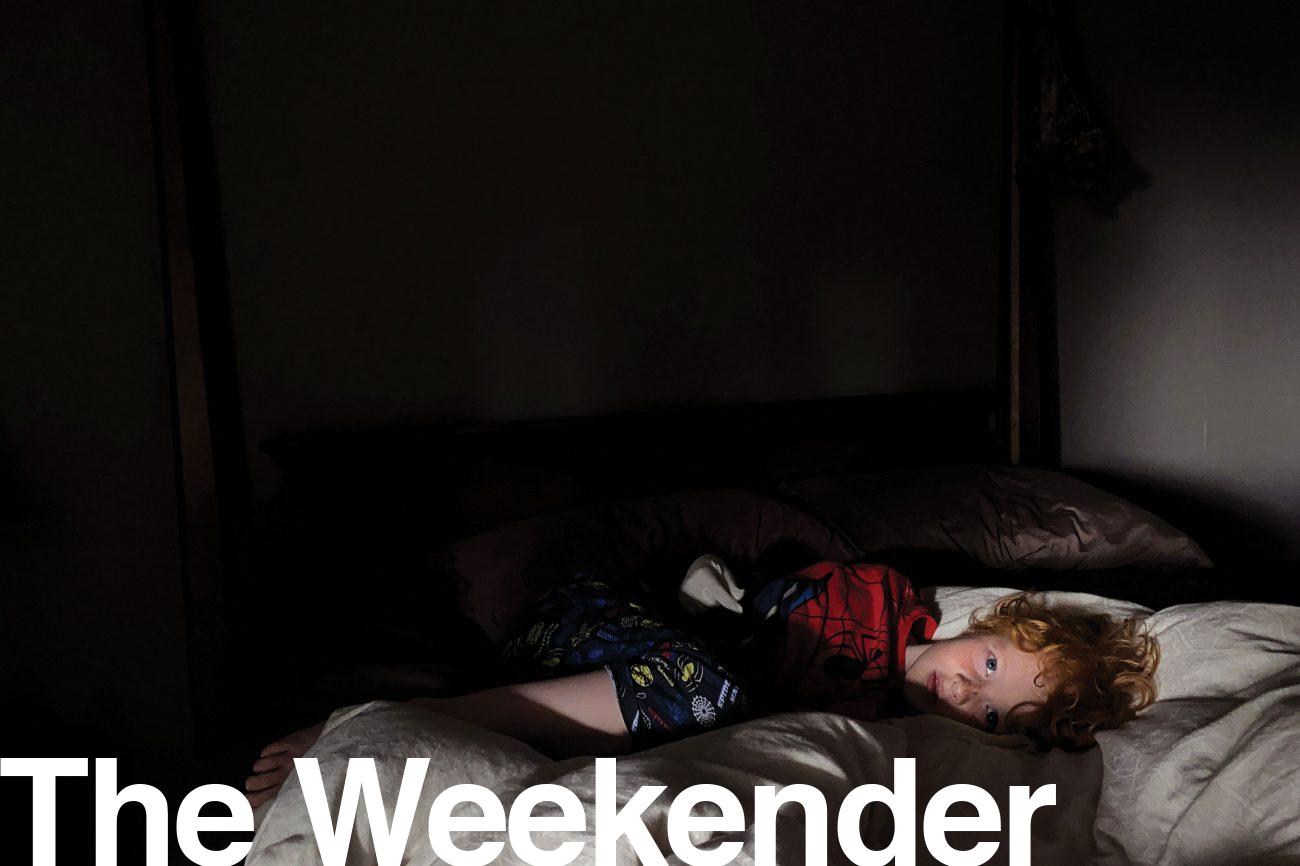
Melanie Burford, a New Zealand photojournalist in Norway, turns her lens on intangible subjects: her son’s autism, her family’s search for belonging.
 
nz-geo-logos
August 5, 2022
 
176_viewfinder_02-1300x866
 

About a boy

“Maybe I became a photographer because it allowed me to step into the shadows and observe,” writes Melanie Burford in the diary accompanying her photo-series, About a Boy. “Never being on stage or in the audience but in this strange place that floated around the edges of human experience, trying to capture fleeting moments as I waited and watched.”

In 2020, that changed. The pandemic struck, just as Burford and her Danish husband were adjusting to the recent autism diagnosis of their elder son, Nikolaj. As Nikolaj mustered the courage to tell his classmates about being autistic, Burford began to find ways of depicting her son’s way of seeing the world. Keep reading...


2-3


167_cats_header
 

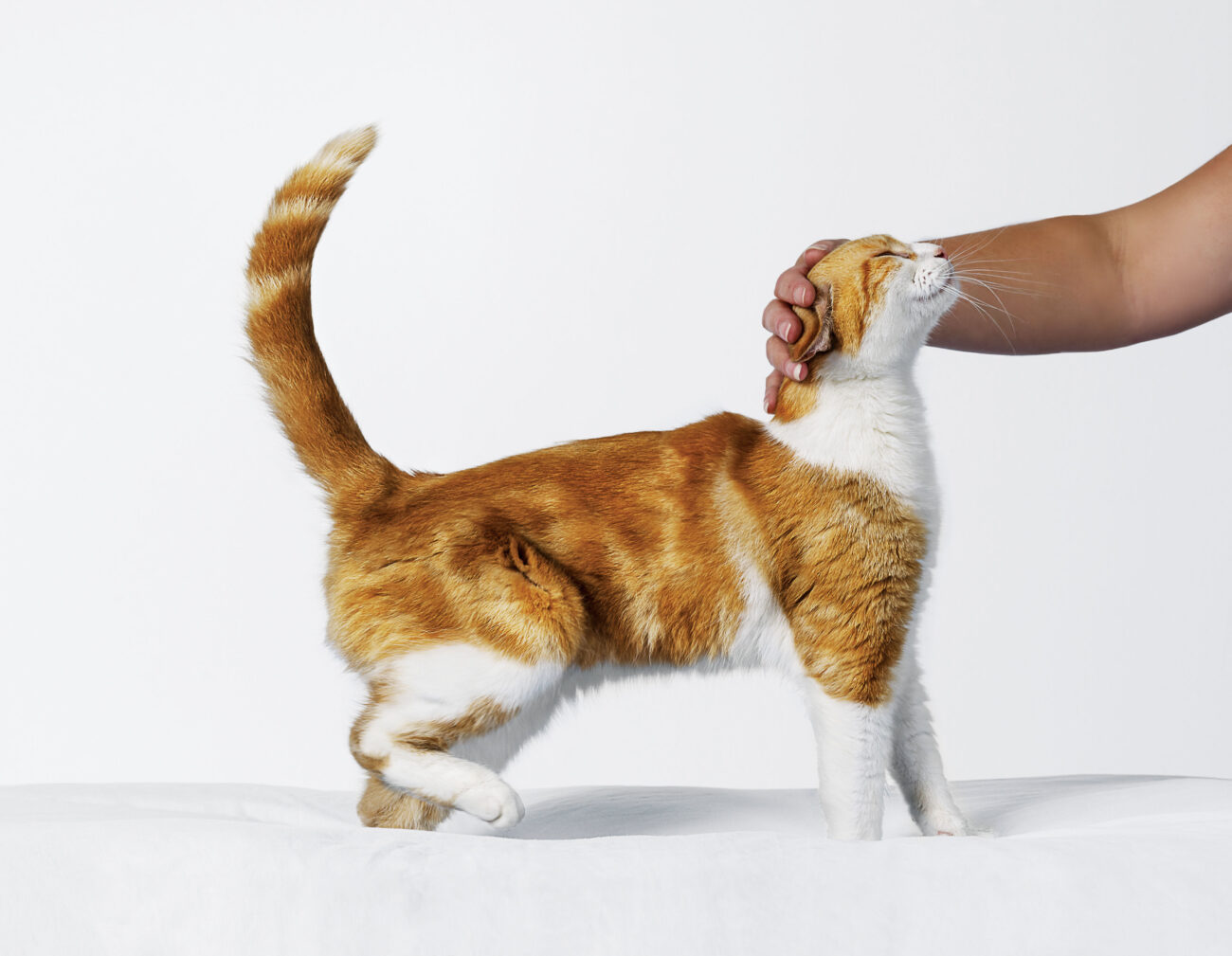
DOC asks people not to take cats tramping

Recently, visitors to Mount Taranaki dressed their two cats in winter coats and perched them in their backpacks to go for a walk—until DOC staff let them know it was illegal to do so.

Domestic animals aren't permitted in national parks—they pose such a high risk to native species, whether birds, geckos, insects or plants. DOC says it has also occasionally stopped visitors from bringing rabbits and parrots into the park, but the most common unwanted visitors are dogs.

Cats are our biggest problematic fave. We love them, but there are some excellent arguments for keeping track of them and restricting where they can go.

If you do see a dog in a national park, hopefully it's a conservation dog—one trained especially to seek out native species.


incafe-organic-geisha-plantation
 

Paying for the planet

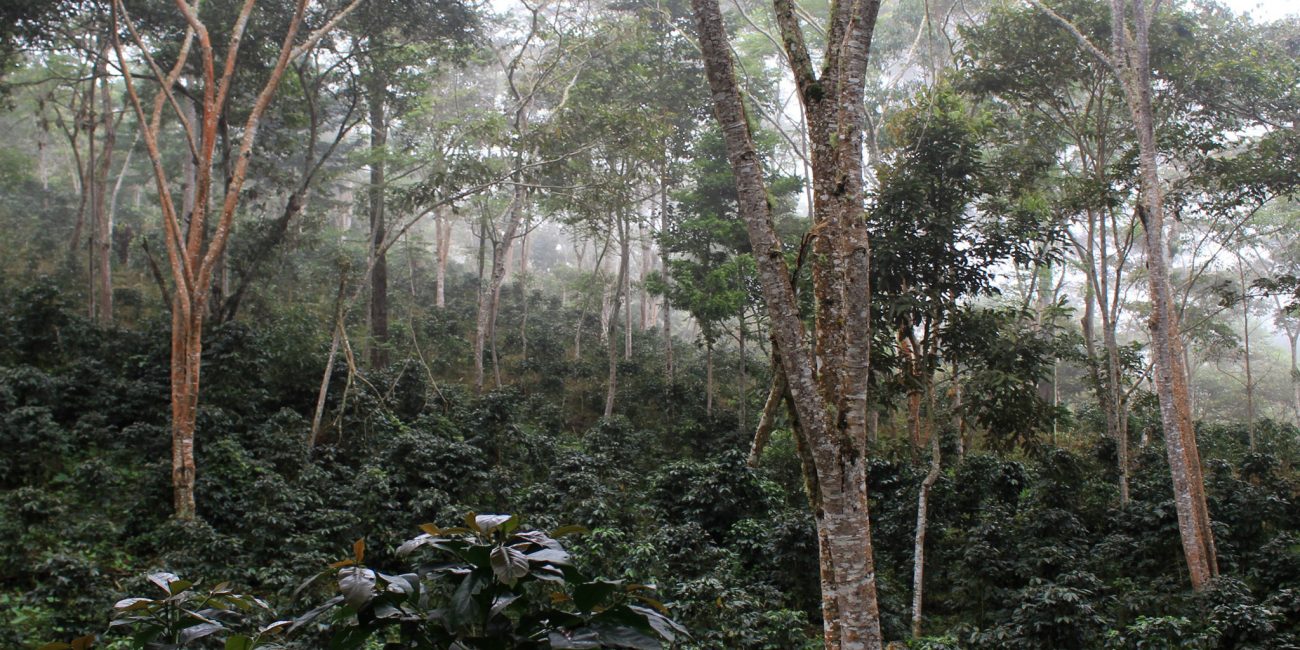
The climate crisis is the biggest threat to the livelihoods of millions of small-scale farmers and agricultural workers in low-income countries worldwide, though they have done the least to cause it. One of the easiest ways to ensure farmers can focus on protecting their environment is to purchase Fairtrade-accredited products from companies that have committed to fair wages, transparent supply chains and programmes to assist women and children. Keep reading...


generate-nz-geo-ad_2


addprint_offer-6
 

Subscribe and support local journalism

While advertising and retail income goes up and down, it is subscriptions from readers like you that power long-term journalism projects from around New Zealand and help us keep the lights on.

It's not as much as you think—$8.50 every two months for digital, $12 for print or $16.50 for both... a gold coin a week. Check out the options.


171_insuranceretreat_02
 

The government's climate change plan

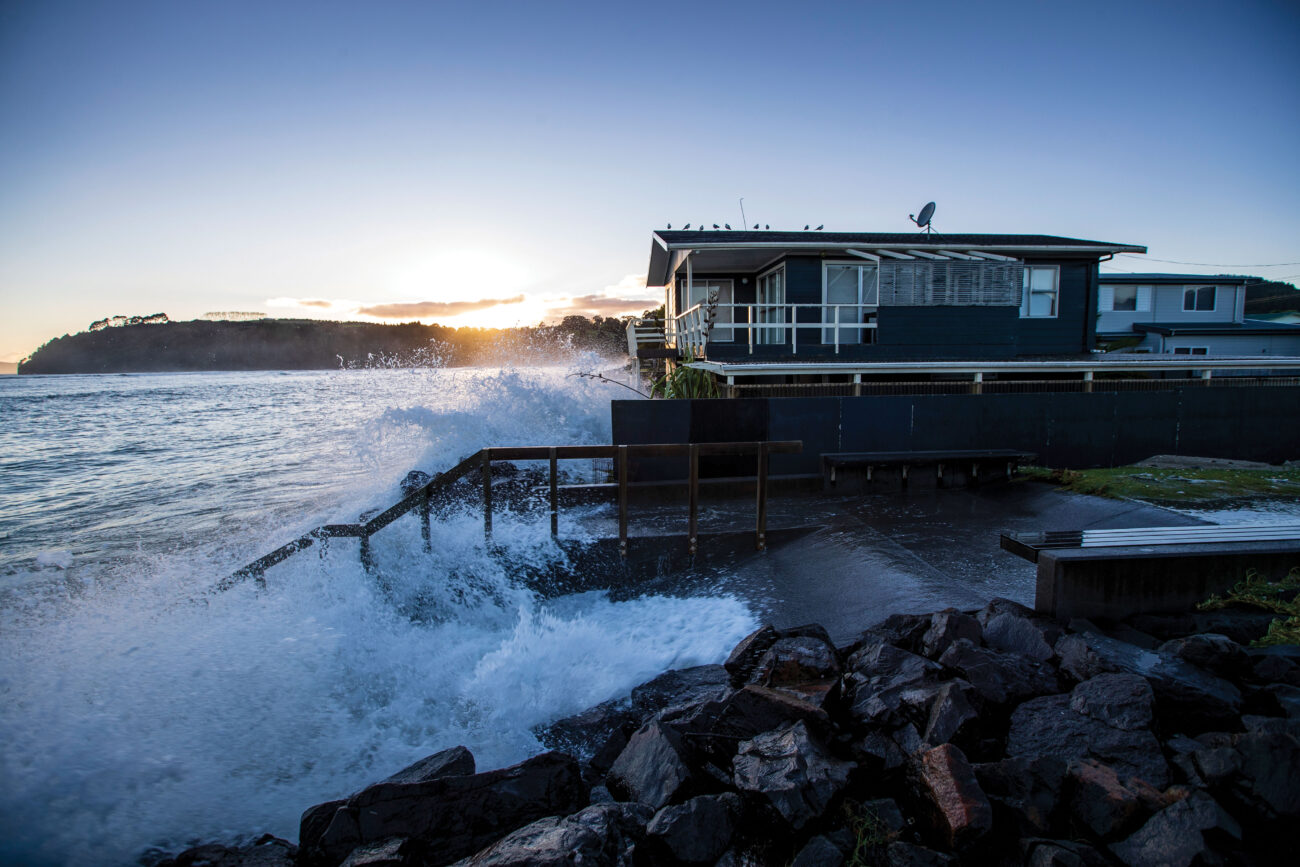
The government's new climate change plan, released earlier this week, tackles subjects such as managed retreat—when the only option for a community is to move out of the way of the elements—and aims to reform legislation to ensure we're building in the right places. 

A massive research project unveiled earlier this year showed which parts of New Zealand's coastline are vulnerable, and which are more likely to be safe. See the data visualisations we created from it here.

Meanwhile, there's a possibility that insurance companies will act long before government legislation changes. We explore what might be in store for communities and marae vulnerable to sea-level rise.