Nelson is bracing for a third night of heavy rain, with a MetService red warning in place for the region already reeling from severe river flooding and slips.
 
nz-geo-logos
August 19, 2022
 
114_flood_header-1300x867
 

Nelson swamped, main water line "lost"

Nelson is bracing for a third night of heavy rain, with a MetService red warning in place for the region already reeling from severe river flooding and slips. As of this morning, the New Zealand Herald reports more than 400 households had evacuated, with the Army using Unimogs to ferry people out of danger. 

Further slips are the major concern today. Kieran McAnulty, Minister for Emergency Management, says he watched one hill “just flow on down”. “It was like you were pouring out yoghurt out of a container, just this thick sludge carrying on down, steady as.”

Drinkable water is a looming problem too—mayor Rachel Reese is urging residents to conserve all the water they can, as the primary water supply pipeline is "lost" and power supply to the treatment plant is unreliable. Recovery will take years, she says. 

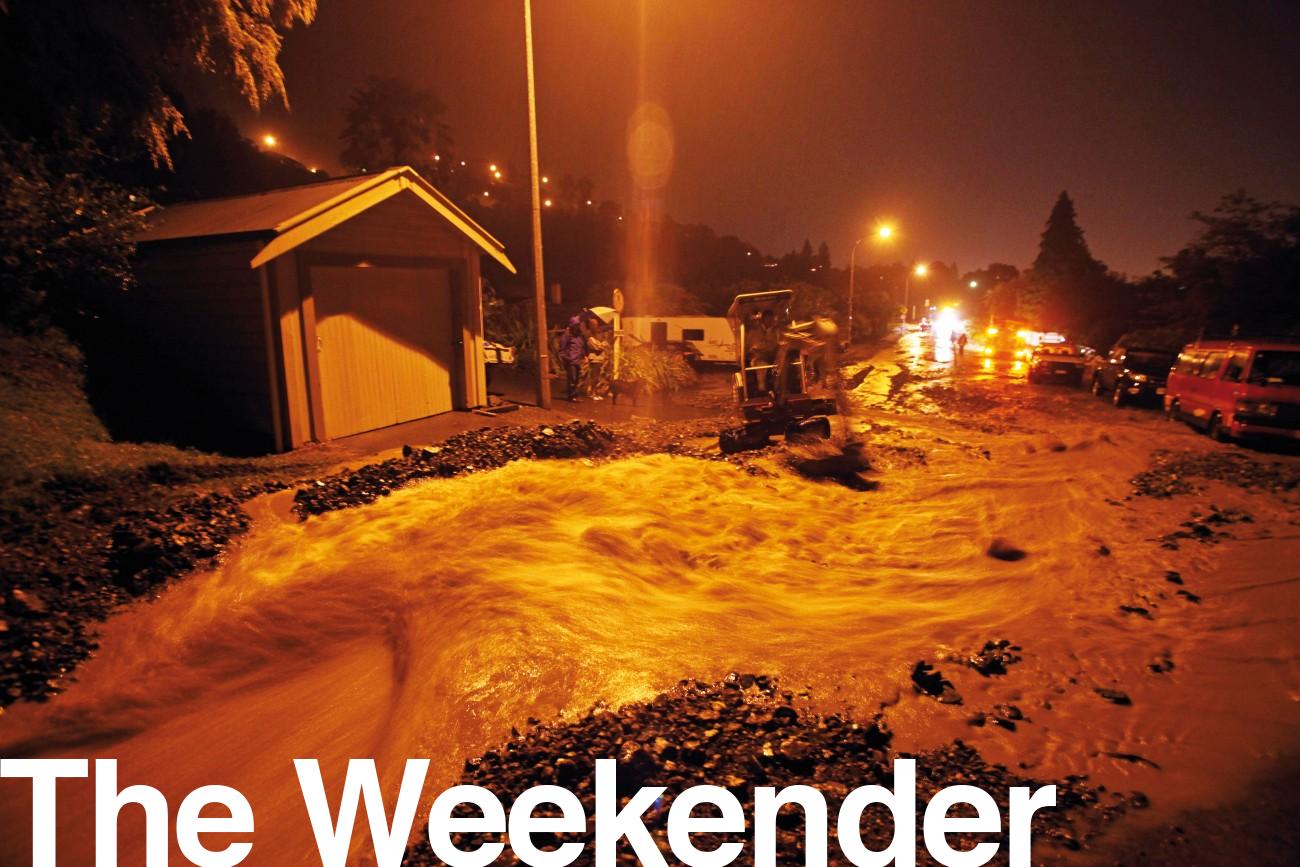
Nelson has been smashed by flooding before—the photo above, by Tim Cuff, was part of a feature on the 2011 summer floods, which at the time were unprecedented for the area. (In 2011, the water pipeline stayed operational.)

When the rain stops and the waters recede, Nelson will start the hard work of rebuilding. Meanwhile, with disasters like this predicted to become much more common—and severe—the rest of us would do well to think about how to make our “normal” more resilient, especially for those who can't easily flee up a hill or stock up on emergency supplies. Keep reading...


heritage-hauraki-banner


171_insuranceretreat_header
 

Insurance isn't guaranteed, warn experts

Yesterday, New Zealand's largest insurer warned that cover for flood damage won't be available to all property owners in the future. It's just the latest in a series of warnings from experts that insurance cover is likely to be withdrawn from properties that are increasingly vulnerable to wild weather.

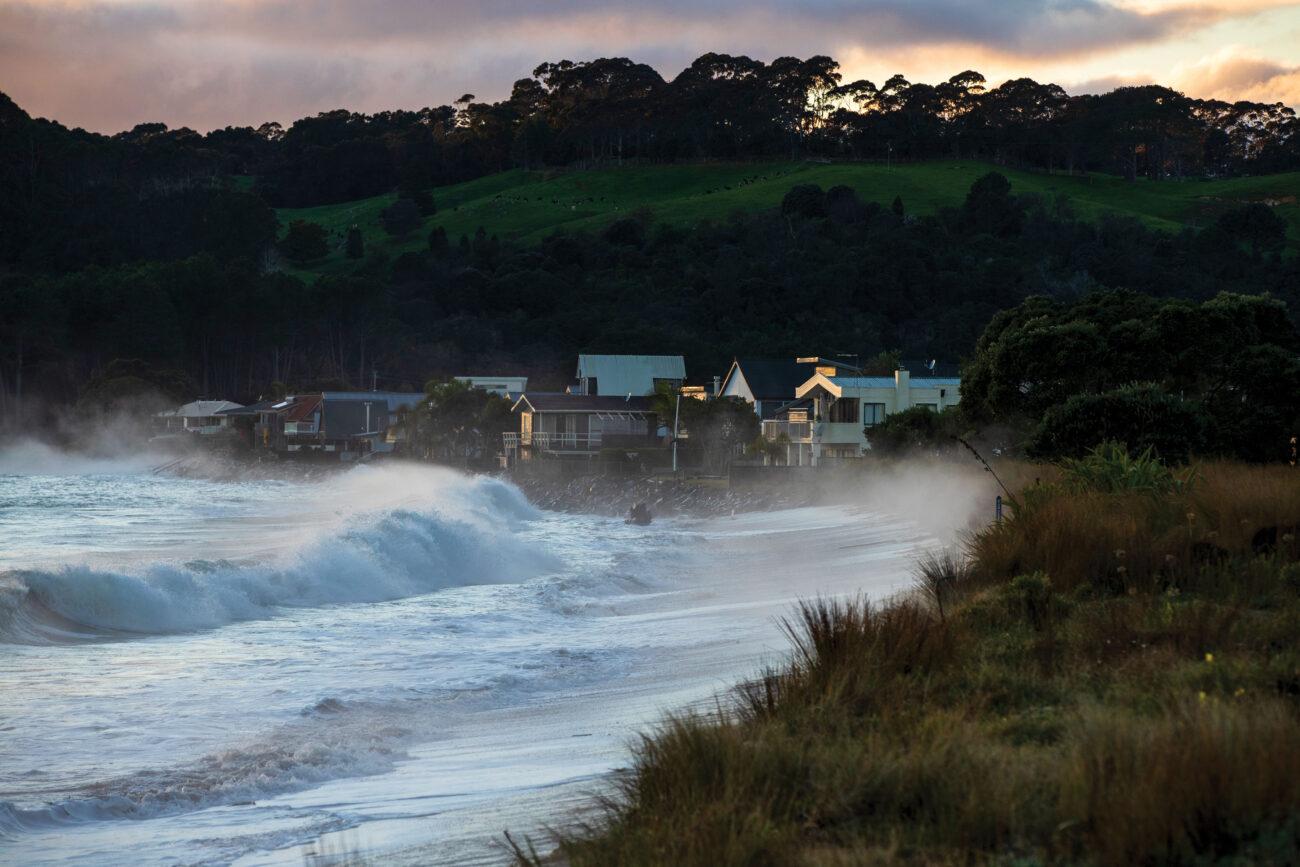
Belinda Storey, a climate economist, studies how the value of coastal property stacks up against the risks facing it. Although it’s some of the most expensive property in the country, it’s also the most vulnerable to climate change and sea-level rise. In other words, there’s a big gap between its price and its value.

Storey’s research indicates that many homes that are currently low risk—specifically, those estimated to flood once every century—will likely begin losing their insurance from 2030. Keep reading...


2022-nz-geographic-ledlenser-newsletter


addprint_offer-6
 

Subscribe and support local journalism

While advertising and retail income goes up and down, it is subscriptions from readers like you that power long-term journalism projects from around New Zealand and help us keep the lights on.

It's not as much as you think—$8.50 every two months for digital, $12 for print or $16.50 for both... a gold coin a week. Check out the options.


149_disaster_resilence_header
 

Ready or not?

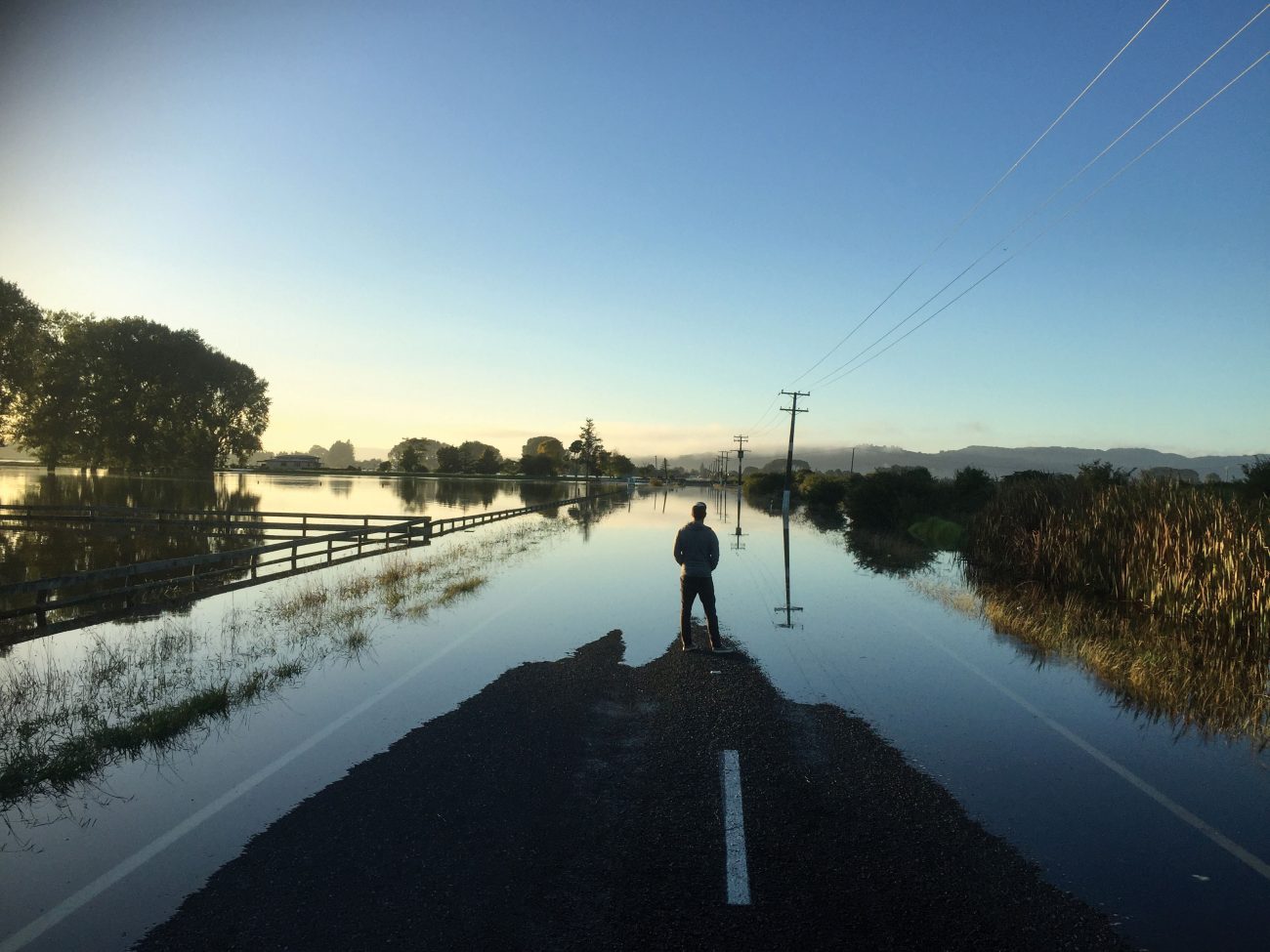
Preparing for a natural disaster has long been considered a matter of personal responsibility—but what happens to those without the finances to stockpile supplies or the physical ability to run up the nearest hill?

Lessons learned during New Zealand’s most recent crises have shifted how towns and cities are building resilience. Researchers with the Resilience National Science Challenge and other agencies now believe that strong community connections will best help everyone ride out a worst-case scenario—but can we form those bonds in time for the next big one? Keep reading...