|
Where do you live? How do you scratch out a living in Aotearoa? Unlike Bruce Reay is my bet...
|
The Weekender |

|
|
|
Free newsletter
|
NOVEMBER 24, 2023
|
|
 |
Publisher |
|
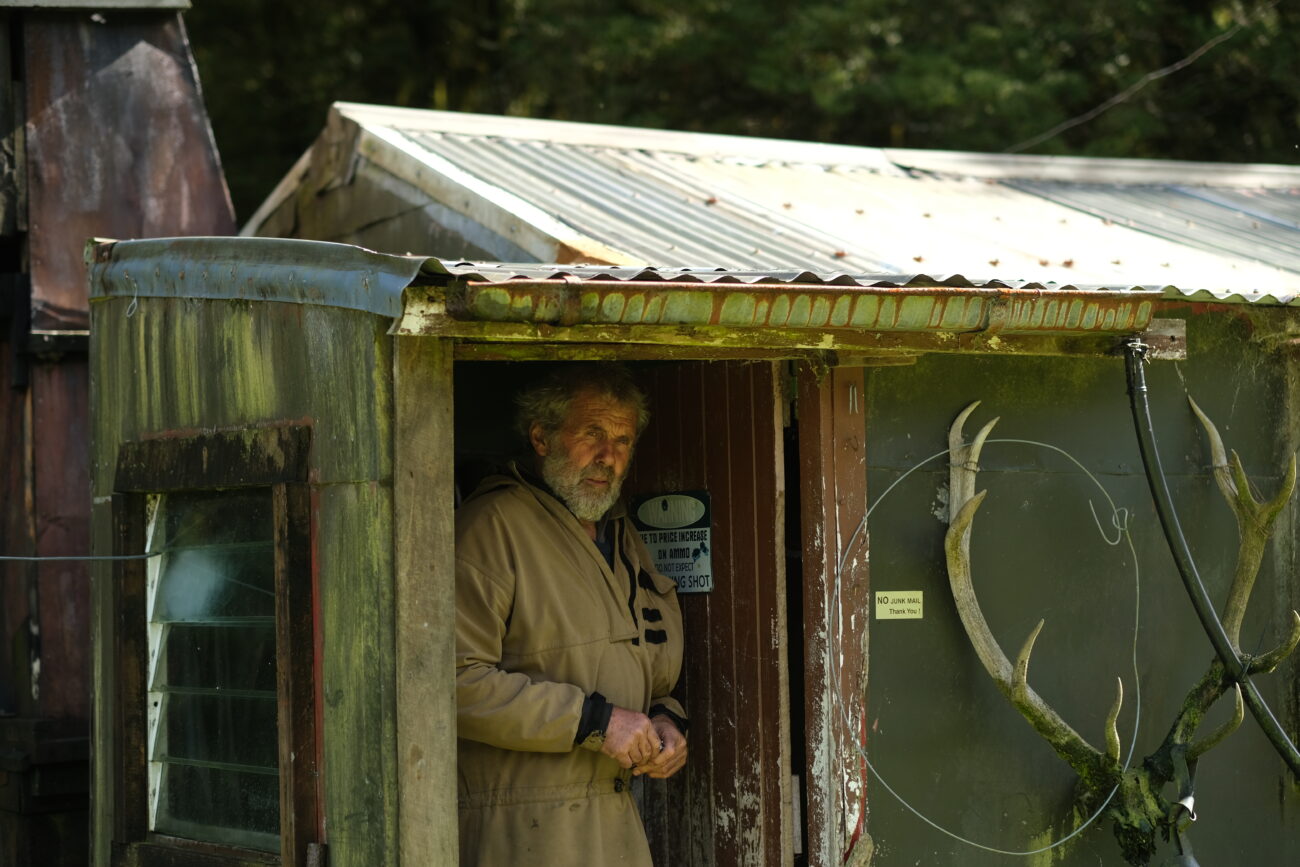
Where do you live? How do you scratch out a living in Aotearoa? Unlike Bruce Reay is my bet... Reay has been living in the bush since the 1980s, holed up in backcountry huts, most recently Saxton Hut on the Pyke River in Southland. He survives off the fat of the land, but it would be a mistake to suggest he's reclusive—he has scores of visitors and connects to the world over Starlink. This month writer Fox Meyer and photographer Jess Blyth hitched a lift on a chopper to visit Reay and understand his corner of the country. It was an assignment that reflects what New Zealand Geographic is all about—understanding our society and environment without assumptions, because, as they discovered, stereotypes don't last long in real life. |
|
|
This newsletter is free, but to read all the stories on nzgeo.com, you’ll eventually need a digital subscription, which costs less than a dollar a week. If you like our work, subscribing is the best way to support it. |
|
|
|
ENVIRONMENT Meet Bruce Reay, who has lived in the wild most of his lifeBruce Reay is not a hermit. He is a perceptive, articulate and sociable (if eccentric) man. In short: he’s normal. You’ll meet stranger characters in urban Dunedin or at family reunions. And yet, over the years, I heard tale after tale of the wild man on Pyke River, and, like many others, often assumed that he was a sort of mythical figure: a man with grand thoughts about nature, blazing a quasi-spiritual path through an overwhelming thicket of red and green tape. I assumed that he would have a kind of social allergy that drove him in disgust from the trappings of civilisation. But Bruce is just an ordinary guy, and his only allergy is bee stings. |
|

|
|
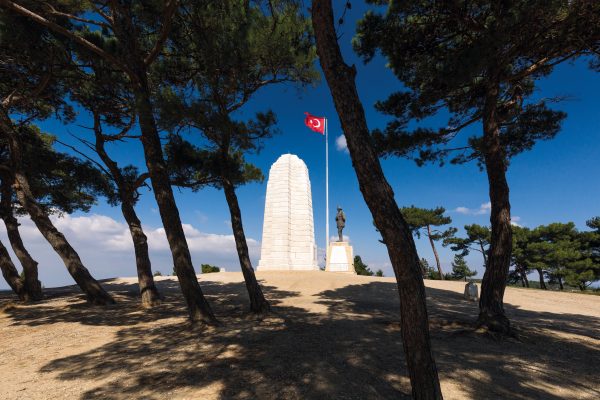
HISTORY Remembering Gallipoli"There was no avoiding war when I was at primary school. Every morning, we entered the playground through ornate memorial gates, on either side of which were brass plaques bearing the names of old boys who had fought in World War I. The small crosses next to many of the names, I soon learned, signified they had been killed. Every New Zealander has their own version of this. There is barely a town or suburb in New Zealand without some form of war memorial—those gateways, cenotaphs, monuments, statues and town halls dedicated to the memory of the fallen can seem almost as numerous as corner dairies or pubs. Unsuspecting visitors could be forgiven for thinking the land had been swept by some appalling catastrophe that left no village or hamlet unscathed." |
|
|
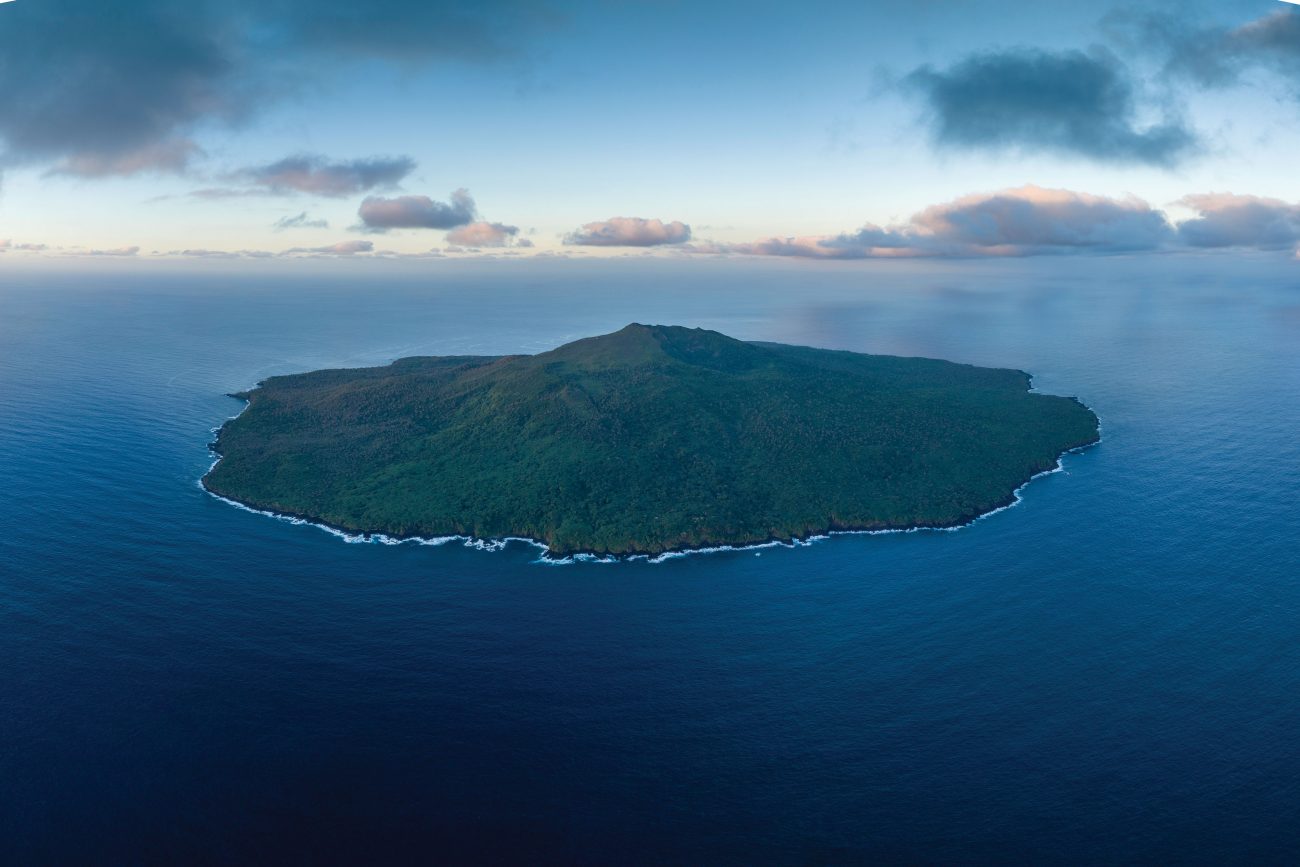
WILDLIFE Bonus podcast episode: a new dawn for a Tongan islandThe helicopter lifts from the green main island of Vavau, an intricate jellyfish-shaped archipelago in northern Tonga. Coconut palms and taro plantations unfold beneath us, and then the land suddenly gives way over sheer, forested cliffs. “Look how clear the water is,” says chopper engineer Brad Lentfer over the headset. He’s from Cambridge. “You don’t get that in the Waikato River.” Our destination is a dim triangle on the western horizon: the uninhabited volcanic island of Late (pronounced La-tay). The clouds clear as we approach, spilling sunlight like a curtain being drawn back, revealing sparsely vegetated upper slopes, cave-pocked basalt cliffs, lush forest, a flower-edged lake, a scatter of orange tents, a rusting telecommunications tower and an array of solar panels. Mudford sets down the chopper, and French operation leader Baudouin des Monstiers scurries over to meet him. For the second time in a month, these two and their team are about to cover this island in rat poison—the final, crucial moment in an operation that’s been dreamed of for a decade. |
|

|
|
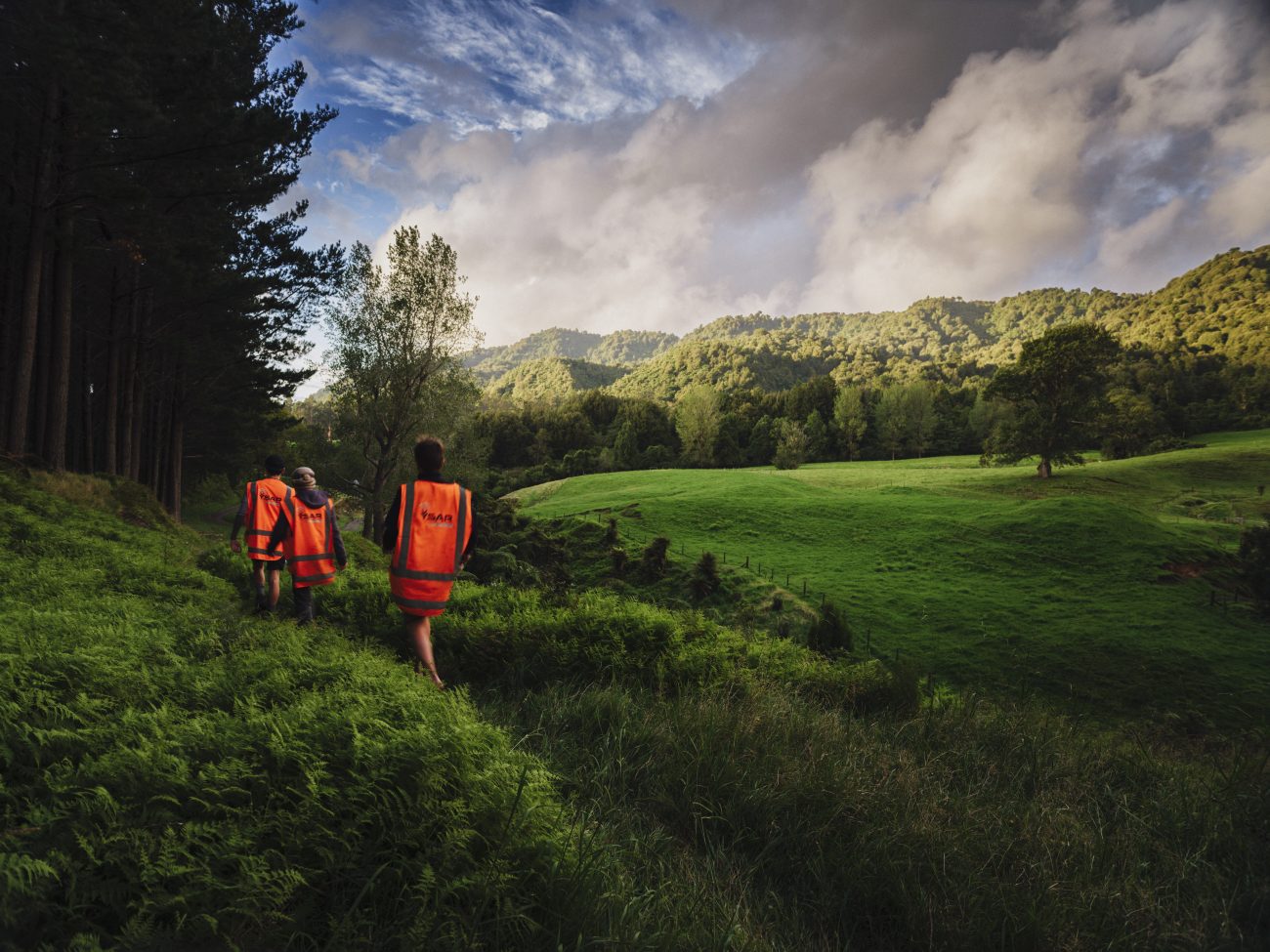
FROM THE ARCHIVES How to save a lifeNew Zealand Geographic contributing journalist Ellen Rykers has just been announced as one of three finalists for the country’s top feature-writing award: this is one of her stories. Three teenagers cross the first few paddocks at a quick clip, steadily climbing in altitude. Then they hit a rough track in the bush that will take them to the top ridge of the Kaimai Ranges. The terrain is steep and rugged and the bush is thick. Sodden mamaku tree fern fronds form slippery mats, supplejack tripwires grab at ankles. Brittle ponga trunks might look sturdy but crumble under an arm groping for a handhold, and mud sucks at boots. Barely an hour in, 15-year-old Aria Hatakeyama is mentally and physically exhausted. She feels out of practice and unfit. She’s trailing her teammates, Eugene Pfennig (16) and Corban Elliott (14), who are boosting ahead to get the hard part over and done with. It’s the incline that’s really bothering her: she keeps having to drop to all fours and scramble. And because it rained the night before, it’s often one scramble forward and then a slide back, inching uphill. Aria feels tears welling up. I can’t do this, she tells herself. But she keeps pushing on through the mud and sweat. |
MORE BY ELLEN RYKERS |