|
When a kiwi probes soil with its long beak, it’s not only scenting for prey, it’s using an extra sense to detect the wriggling vibrations of a grub.
|
|
|||||

|

The kiwi's sixth senseWhen a kiwi probes soil with its long beak, it’s not only scenting for prey, it’s using an extra sense to detect the wriggling vibrations of a grub. Known as “remote touch”, this ability is due to a special organ on the tip of its bill. Some shorebirds, such as the royal spoonbill, also have these beak mechanoreceptors to help them locate their prey in mud. Emu and ostriches have similar remote-touch organs in their bills, although they don’t forage by probing, or have any other habits that rely on this sixth sense. These birds are part of the palaeognath family, which includes moa. Could their remote-touch sense be a remnant from a distant ancestor of both moa and kiwi? Keep reading... |
||
|
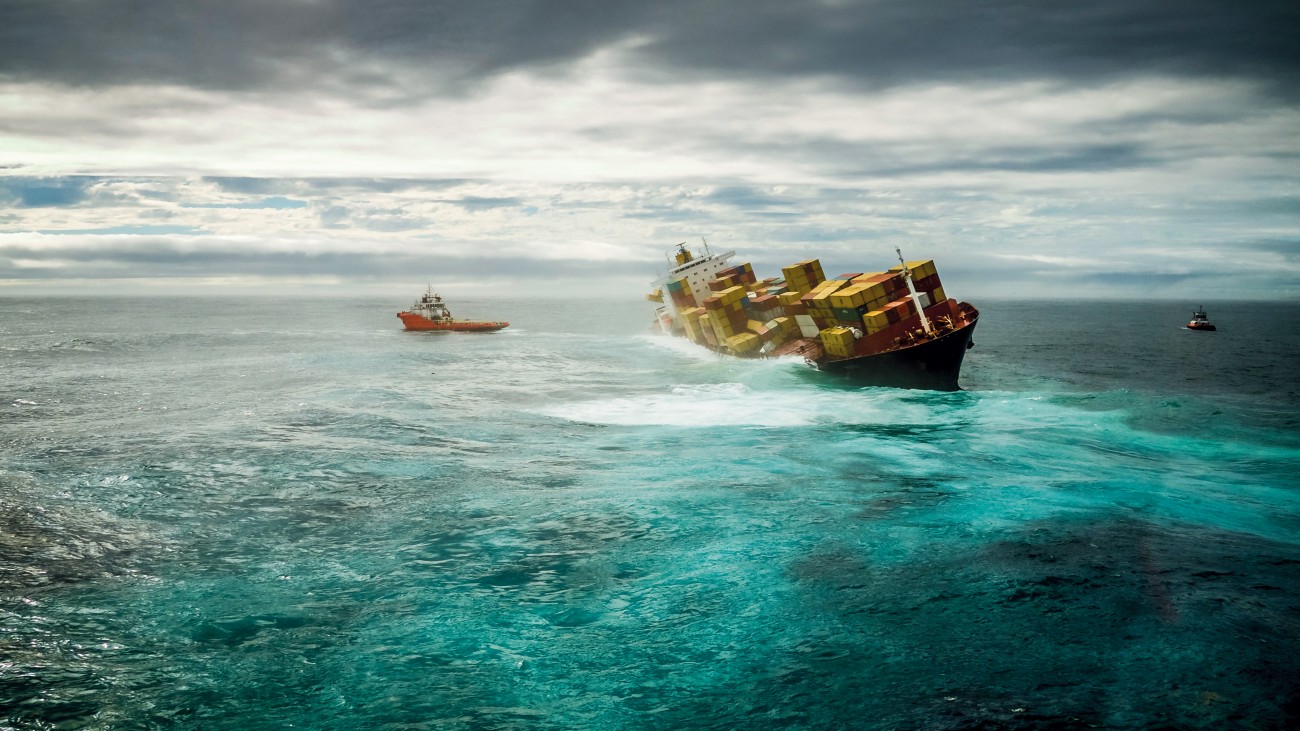
The ship that crashed in the Bay of PlentyWhat happened on the bridge of the MV Rena on the night of October 4, 2011? The weather was clear. Astrolabe Reef/Ōtāiti is well charted. The Rena ran into it at full speed. |
||
|
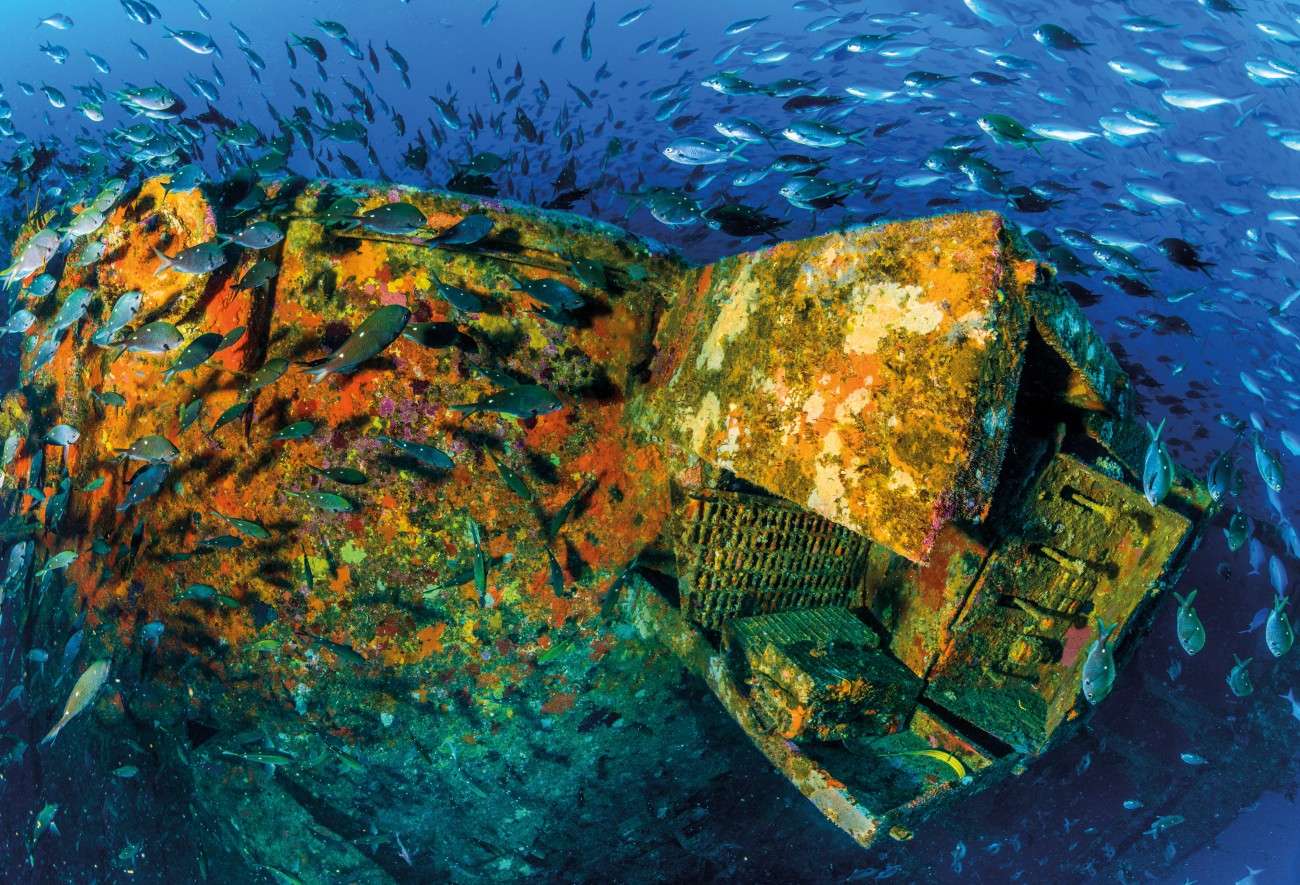
Disappearing actThe wreck of the Rena demanded one of the world’s most complex and expensive recovery operations, but the hulk of the container ship, and some of its cargo, still lingers on Astrolabe Reef/Ōtāiti. |
||
|
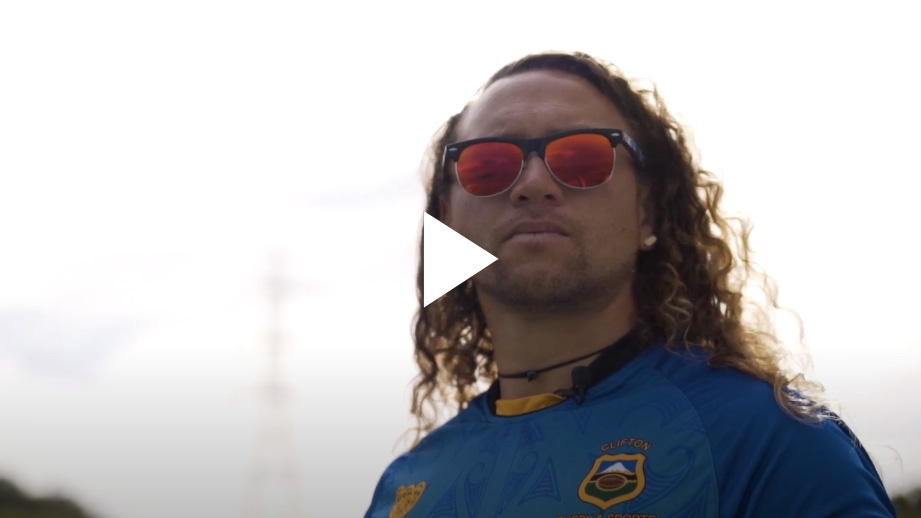
Better Ancestors: Tama Blackburn, Waitara TaiaoWaitara Taiao monitors and maintains over 200 predator control traps in the town of Waitara on the West Coast of the North Island of Aotearoa New Zealand. Its predator control programme contributes massively to the health of local ecosystems, our native birds and other taonga species, but it also helps troubled youth find meaning in life. Blackburn shows the value of contributing to the community - and the importance of passing on vital environmental knowledge to the next generations. Keep reading... |
||
|

Places of restAmber Aranui searches the world for Māori and Moriori human remains to bring home as a researcher for Te Papa’s Karanga Aotearoa Repatriation Programme. Keep reading... |
||
|
|||||


 |