|
| |
The birds and the bees
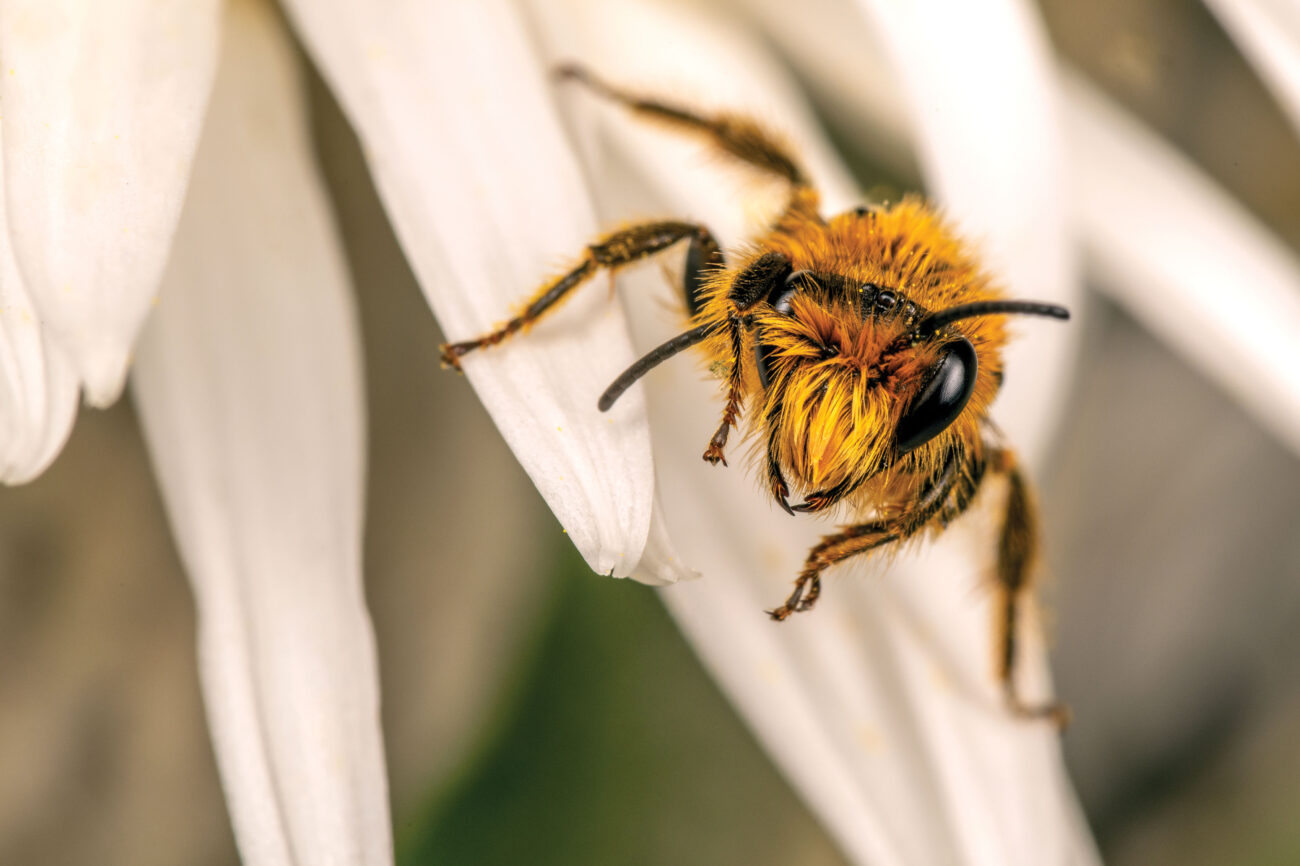
Plants face a fundamental problem when it comes to sex: they’re rooted to the spot. Getting their male bits close enough to nearby female bits for reproduction to occur is a sticky issue. Luckily, they’ve had 400 million years to figure out how to do it.
During the time of the dinosaurs, a new group of plants called angiosperms cracked onto something big: they worked out how to outsource sex. It was a socio-technological leap that anticipated capitalism by 100 million years, and it changed the world. Keep reading...
|
|
|
| |
Songs of the Sea: Keith & Ailsa Lewis
Pioneer divers Keith and Ailsa Lewis reflect on a lifetime of exploration in the Hauraki Gulf, the abundance of crayfish and their hopes for the future. Listen to their Song of the Sea
|
|
|
|
| |
Gold rush
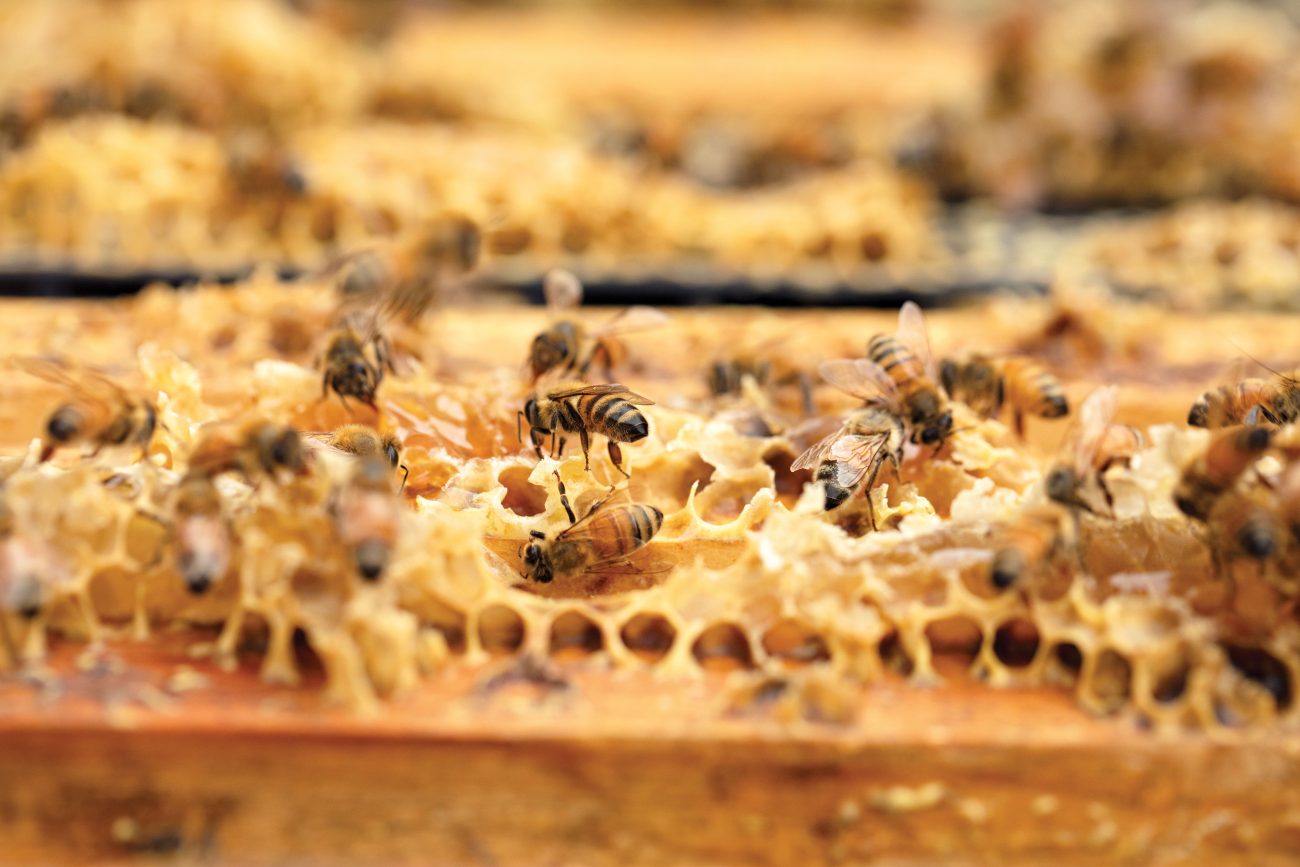
Mānuka honey has exploded in value in recent years, and now it’s a high-stakes business, attracting hive thieves, counterfeit products, unscrupulous players—and triggering a race for the blossom every spring, wherever the trees are in flower.
Beekeepers avoided mānuka for most of last century, except to use in blends and as bee food. One publication advised beekeepers simply scrape it out and feed it to the pigs. The mānuka tree was the unloved backdrop to New Zealand, branches sacrificed for firewood, gates and fences, the first tree to arrive when the native bush was cleared, the first to go when the mature bush returned. Keep reading...
|
|
|
| |
Better Ancestors: Native Forest Restoration Trust
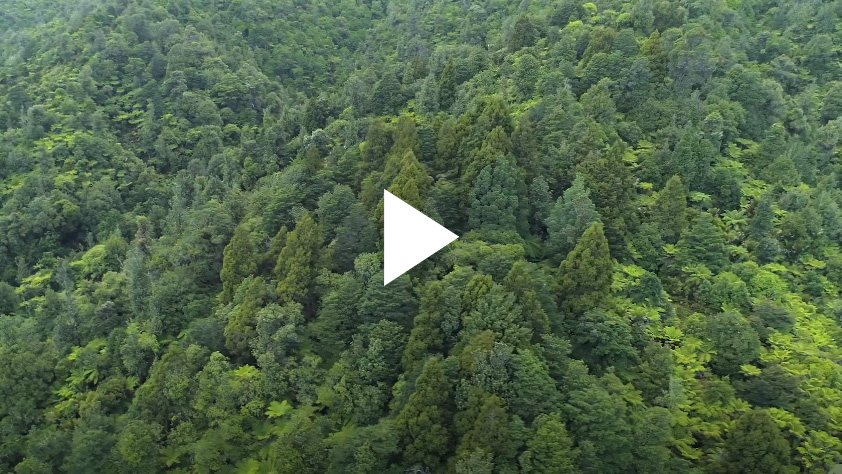
The Better Ancestors video series is dedicated to telling the stories of the people in our world who are thinking long-term and taking action to ensure a sustainable and healthy future.
In this episode, we meet Geoff Davidson, a retired nurseryman and trustee for the Native Forest Restoration Trust, whose work is helping us confront climate change. Watch video...
|
|
|
|
| |
Newest family member
Emerald green with a distinctive yellow smile: meet Naultinus flavirictus, the newest addition to New Zealand’s treasure trove of more than 100 endemic lizard species. Found in the Far North, this gecko has been recognised as a distinct species since at least the late 1990s. It was finally described and named in a January 2021 paper published in Zootaxa, based on three specimens held at Te Papa Tongarewa. Its name refers to the yellow markings at the corner of its mouth. Keep reading...
|
|
|
|
| |
Spying on mosquitos
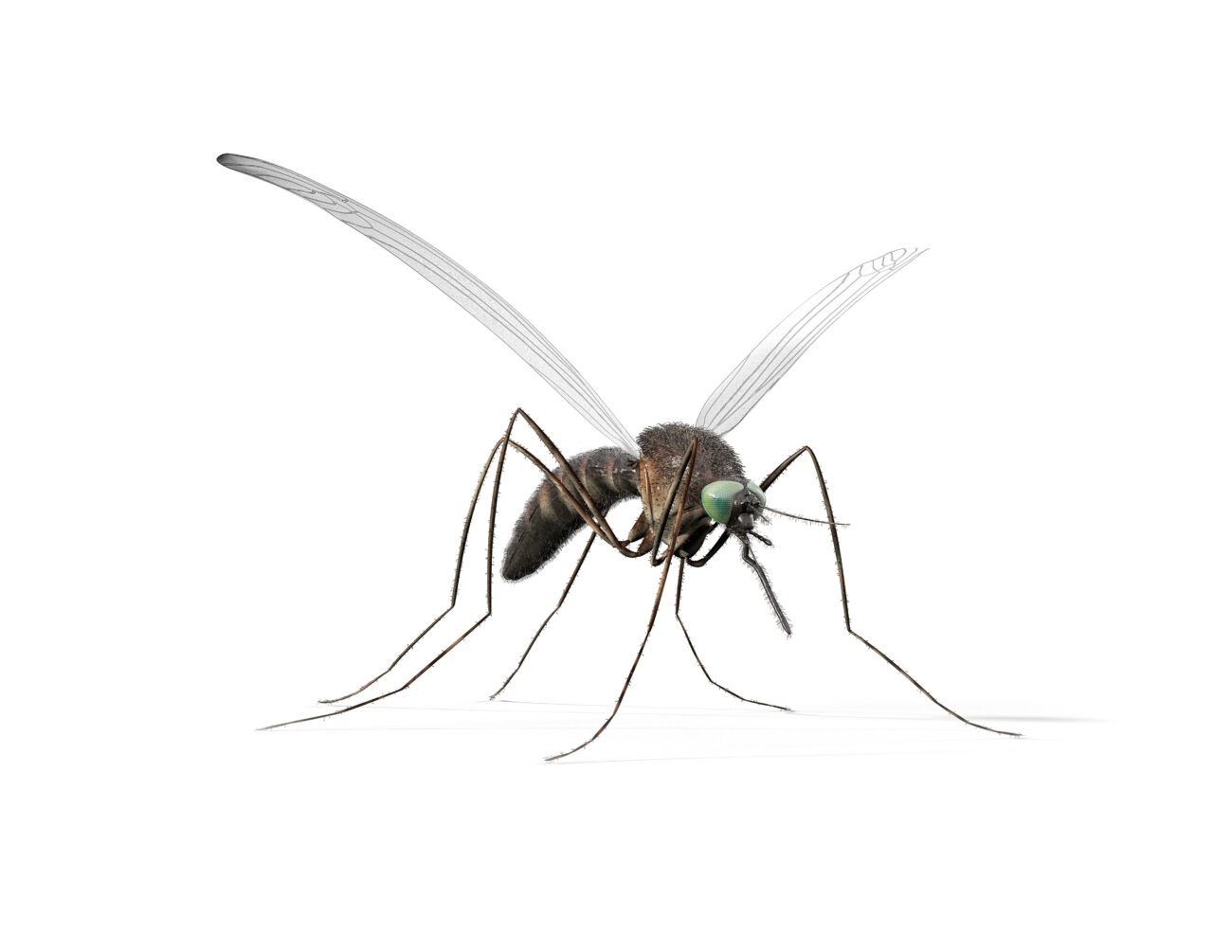
Humans have a new ally in the battle against mosquito-borne diseases: artificial intelligence. Researchers have deployed machine learning to classify images of mosquitoes in order to distinguish the dangerous from the annoying. There are more than 3500 mosquito species worldwide, but only a handful of these (and only the females) transmit deadly diseases such as malaria. It’s notoriously tricky to tell these tiny insects apart. Even trained medical entomologists struggle to differentiate one mosquito species from another. Keep reading...
|
|
|
|