|
| |
A feeling for clay
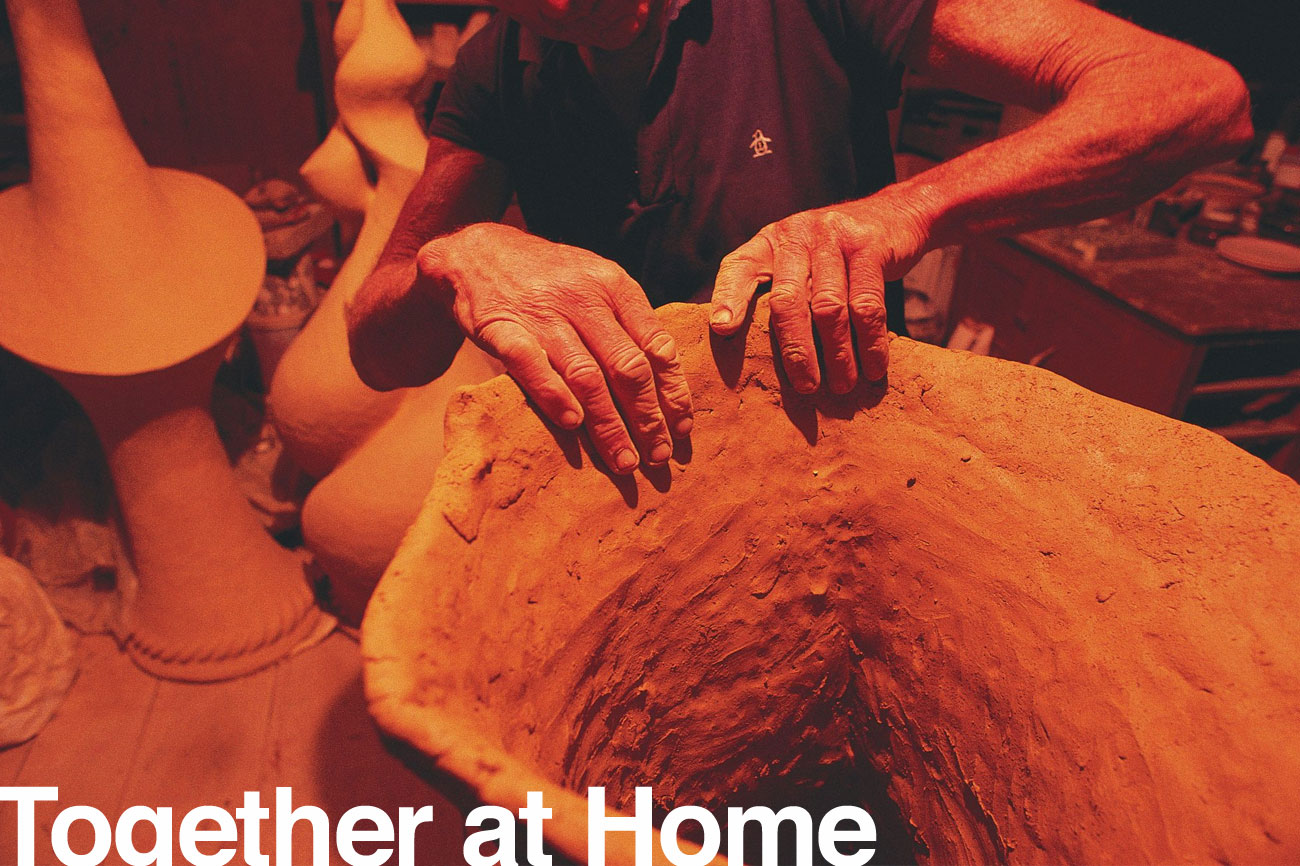
That Earth’s humblest materials can be transformed into sublime and beautiful objects is part of the romance of the potter’s art. But it takes patience and strong hands to work such miracles. Barry Brickell, the doyen of Coromandel potters, has shaped clay dug on his property at Driving Creek for close to 40 ears. His trademark work are tall, sensuously curved sculptures, in which the clay has been laboriously kneaded and pressed into shape without the use of a potter’s wheel. A single piece may take up three weeks to complete.
Read more...
|
|
|
|
| |

|
Talking points
Discuss the ideas presented in the story with your family—at home or over video conferencing. Find ways to involve as many people as possible, especially those who you know are isolated by the lock-down. - Looking through the photos, which clay creations do you like? Are you surprised to see the large clay-mine run by China Clay in Matauri Bay, Northland, which produces what some think is the whitest clay in the world?
- In one photo, young Daniel Fraser learns to make a pot at a clay wheel. Does this look enjoyable to you? Have you had a chance to work with clay – either air-drying clay from a packet or at a pottery wheel? How does working with clay make you feel?
- The writer describes travelling to India and drinking tea from “quickly thrown sun-dried clay cups” which could be thrown out of the train window where they would disintegrate upon impact, becoming part of the earth again. He describes this as instant recycling. What do you think of this idea? Would it be practical for us to adopt instead of single-use plastic?
- Czech immigrant Mirek Smigek was captured by the Nazis and spent two years enduring Gestapo interrogations, prisons and labour camps. “I saw and experienced the lowest and the most destructive side of human nature,” he said. “Ever since, I’ve been trying to find a counterpoise and a remedy, and I’ve found art and creativity—and pottery in particular—to be my most potent antidote.” How could we apply this wisdom to our current experience of widespread stress from the global pandemic?
- “Smgek put his hands on top of Daniel’s—old knobbly hands cupping young, impatient fingers, re-centring the clay, guiding, supporting, imparting skill. He spoke again of the need for gentleness and patience, of not rushing the clay, and you could see that the words were no mere art prattle, but a knowledge that comes from focused hours and disciplined years spent in pursuit of a passion. How could we find more ways for older people to pass on their practical skills to younger generations? What might be benefits to either party?
|
|
|
|
|
|
| |
![145_Viewpoint_shutterstock_227311084-[Converted]](https://cdn.nzgeo.tv/2017/04/145_Viewpoint_shutterstock_227311084-Converted-336x336.jpg)
|
Activity: Excavate Your Own Clay
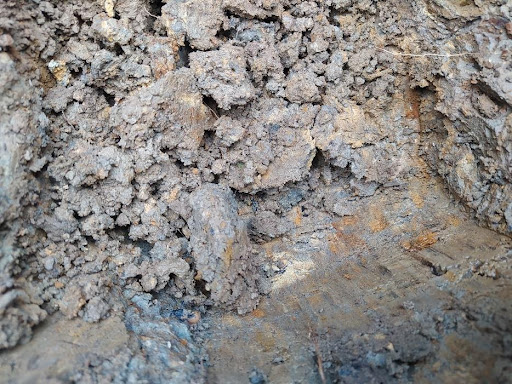
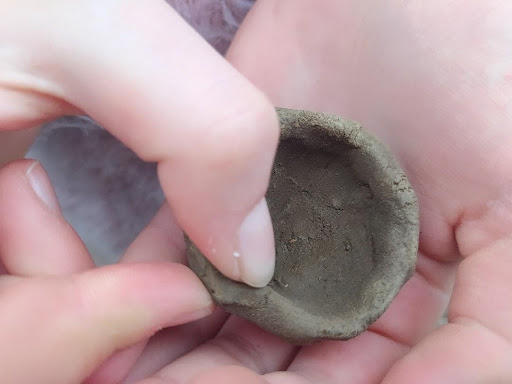
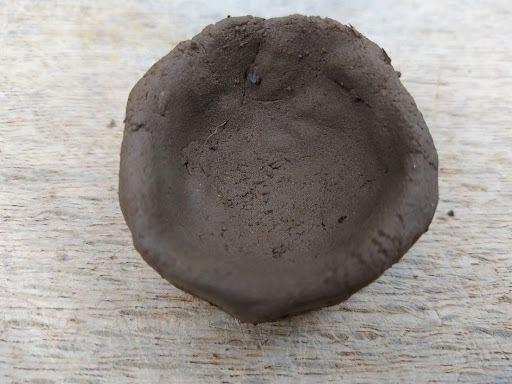
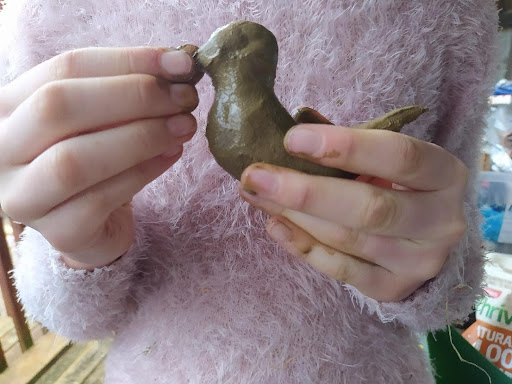
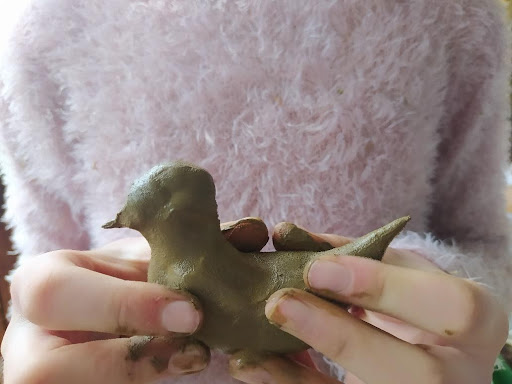
Rather than go to the shops for clay, why not check out what’s in your garden? You can shape something simple like a sitting bird or make a simple pinch-pot. Step One: Dig a hole – you’ll probably have to make it about 30cm square so that you can go deep enough to find clay. At around 35cm deep, (depending on where you live) you might start seeing some grey or reddish-brown. Clay has a shiny, gummed-together look compared to the more granulated topsoil which is above it. If you are digging near a stream, it might be closer to the surface. Step Two: Take a small handful of clay and wet it thoroughly. Work it with your hands, kneading it between your thumb and forefinger to get any tiny lumps out and make it pliable. (This is messy – have some water and a towel handy.) Roll the clay into a ball then press your thumb in the middle of it to make an indentation. Step Three: Pinch around the edges of the indentation, drawing the sides to form a bowl shape. You have just made a clay bowl with clay from your garden! You can also start with a ball shape then draw out a head, beak and tail to make a simple sitting bird or duck. Send us a picture of your clay bowl or bird!
|
|
|
|
|
|
| |
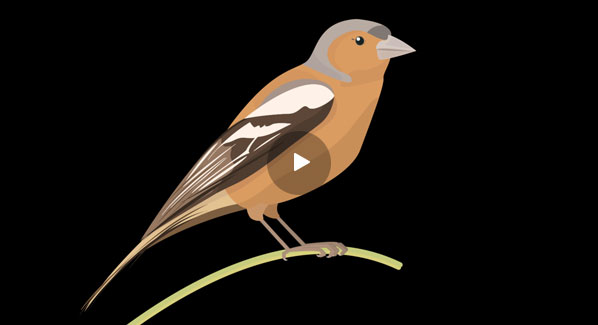
Spotting Chaffinches
We learn that the reddish-breasted chaffinch starts singing at the end of July, at the same time as the blackbird. Watch the video, then ask yourself; do you think you might have heard the chaffinch, now you have heard its song? Have you seen one of these in your garden, or in the bush?
|
|
|
|
| |
What is Together at Home?
New Zealand Geographic started Together at Home at the beginning of the first lockdown in 2020. It was hit with parents, and also for grandparents who felt isolated and wanted to join in. It also gave parents themselves some welcome escape. If you're not into it, just hit unsubscribe. If you like it, then send us pictures of what you make and encourage others to join the list on the Together at Home hub. It will be coming your way every day of the lockdown.
As the rest of the country is no longer in lockdown we filtered the list to include only email addresses in Auckland, or for which we could not verify the location. If you're not in Auckland or do not want it, no worries, just hit unsubscribe. |
|
|
|
| |
How do NZGeo digital subs work?
You can access three items per month totally free on NZGeo.com, and thereafter it costs $1 per week for a digital subscription. (We bill $8.50 every two months to a credit card, or $50/year if you prefer.) A digital subscription gives you access to more than 10,000 stories and 400 hours of natural history documentaries on-demand, on any device.
|
|
|
|
|
|