|
| |
The greening of the red zone
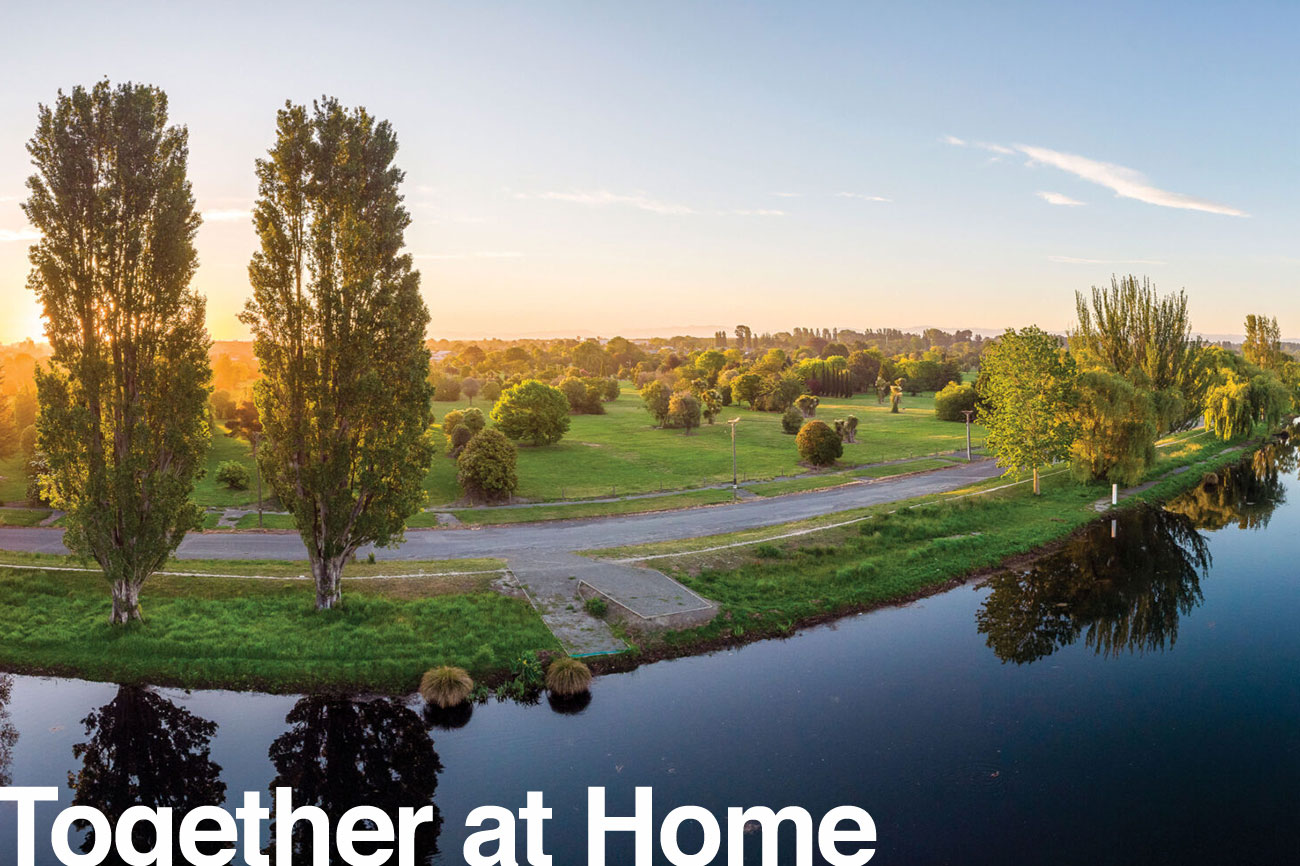
During the two devastating earthquakes of September 2010 and February 2011, land in the suburbs east of Christchurch sank by a metre. What’s a city to do when an apocalyptic landscape appears right on its doorstep?
Read more...
|
|
|
|
| |

|
Talking points
Discuss the ideas presented in the story with your family—at home or over video conferencing. Find ways to involve as many people as possible, especially those who you know are isolated by the lock-down. - Looking through the photos, what kinds of words would you use to describe the places you see? Are there some that look fun to explore or that you can imagine playing in with your siblings or friends? What would animals think of the spaces?
- What is meant by an “apocalyptic landscape” in the sentence “What’s a city to do when an apocalyptic landscape lands right on its doorstep?”
- The diggers that respectfully demolished people’s houses (for safety reasons) left in the shrubs that marked “orthogonal” property boundaries. The word “orthogonal” refers to lines that are at right angles. Can you think about the orthogonal boundary lines on the properties in your street? What kind of shrubs and trees are planted along these boundary lines? What would your street look like without the fences and houses that are there now?
- What are some of the things you like the look or sound of? For example, the photo of the bike-riding circuit track that is marked out like a real road, or the idea of canoe-landings that allow people to get out of their kayaks and explore places like wetlands and farms?
- One idea is to create an “Eden Project.” Find out more about some of the Eden Projects around the world. You might like to find out more about geodesic domes, which are used in the Cornwall Eden Project – after looking at them and reading about them, how can you see them being a popular attraction?
|
|
|
|
|
|
| |
Activity: Invisible Ink
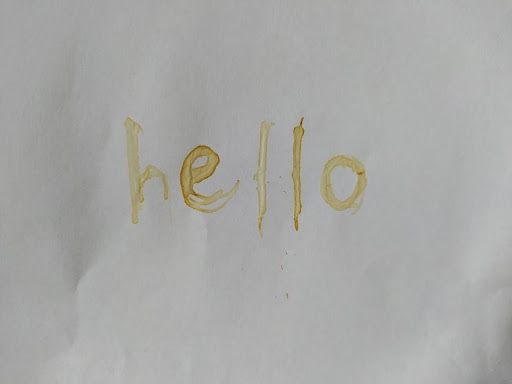
Write a message to someone using invisible ink! You will need: - Lemon juice
- Paper
- A toaster
Step One: Squeeze some lemon juice out of half a lemon. Step Two: Dip a kebab stick or similar slim item (the end of a thin paintbrush would work) into the lemon juice and write a message on the paper. Wait for the writing to dry; it should become almost invisible. Step Three: Give the message to somebody. To read it, they will need to expose the paper to heat (without letting it burn, of course!) A good way to do this is to put the toaster on. Heatwaves will rise and burn the carbon in the dried lemon juice, making your secret message visible! Send us a picture of your invisible ink message!
|
|
|
|
|
|
| |
Virtual Reality: Mangroves
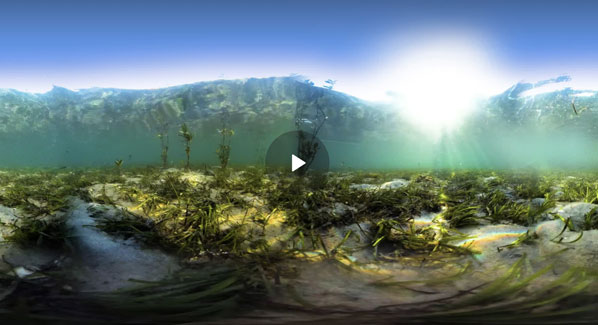
This hypnotically peaceful video shows the meadows of seagrass that carpet a healthy mangrove harbour such as this one at Parengarenga.
Watch the video, then ask yourself; how might seagrass create both the habitat and the food required for flourishing fish nurseries?
|
|
|
|
| |
What is Together at Home?
New Zealand Geographic started Together at Home at the beginning of the first lockdown in 2020. It was hit with parents, and also for grandparents who felt isolated and wanted to join in. It also gave parents themselves some welcome escape. If you're not into it, just hit unsubscribe. If you like it, then send us pictures of what you make and encourage others to join the list on the Together at Home hub. It will be coming your way every day of the lockdown.
As the rest of the country is no longer in lockdown we filtered the list to include only email addresses in Auckland, or for which we could not verify the location. If you're not in Auckland or do not want it, no worries, just hit unsubscribe. |
|
|
|
| |
How do NZGeo digital subs work?
You can access three items per month totally free on NZGeo.com, and thereafter it costs $1 per week for a digital subscription. (We bill $8.50 every two months to a credit card, or $50/year if you prefer.) A digital subscription gives you access to more than 10,000 stories and 400 hours of natural history documentaries on-demand, on any device.
|
|
|
|
|
|

![145_Viewpoint_shutterstock_227311084-[Converted]](https://images.nzgeo.com/2017/04/145_Viewpoint_shutterstock_227311084-Converted-1300x1300.jpg)