|
| |
Block busters
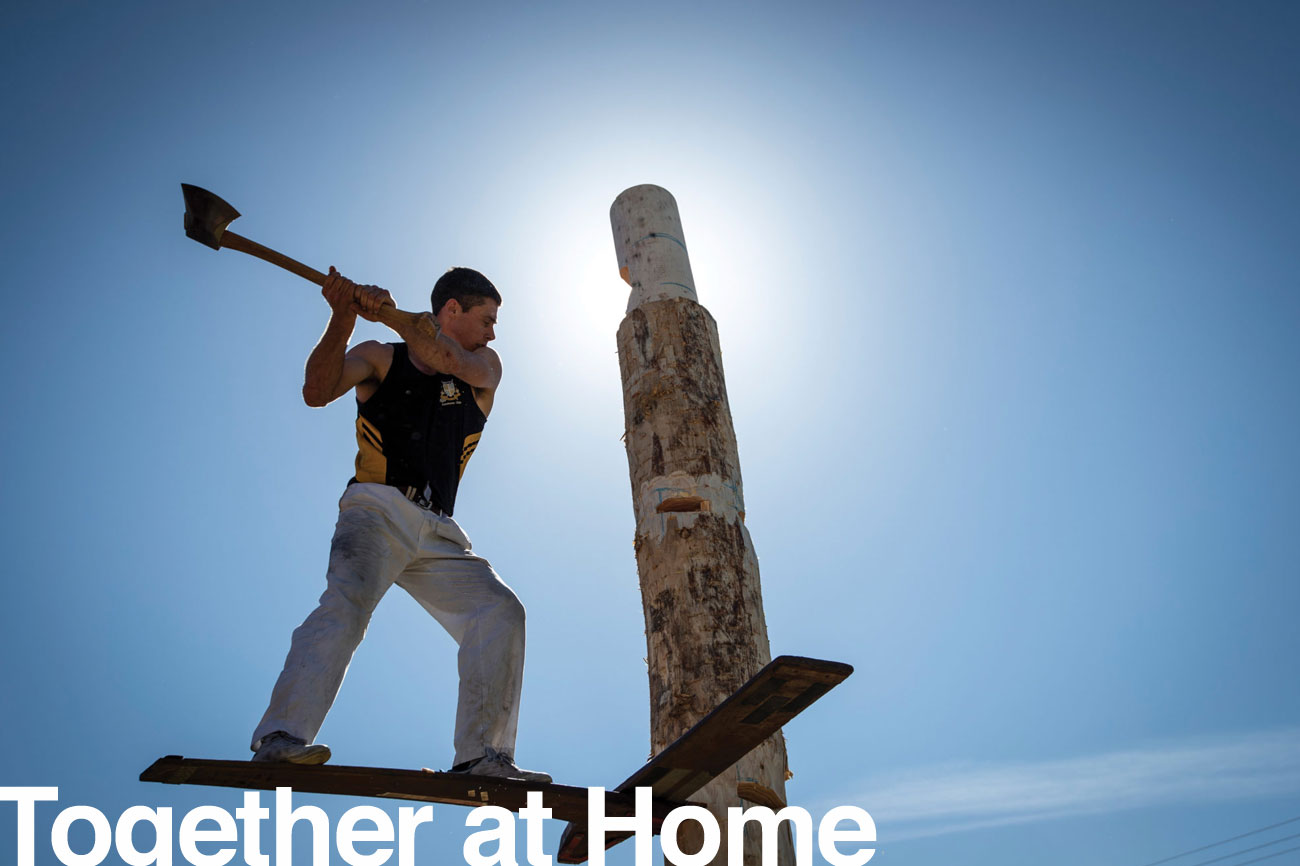
New Zealand’s forests were cleared at a record pace, and from this destruction, a sport arose: who can fell a tree the fastest? Competitive woodchopping transformed the labour of forestry into a community event. Now, 150 years on, a diminishing number of axemen and axewomen chop for top honours at A&P shows around the country.
Read more...
|
|
|
|
| |

|
Talking points
Discuss the ideas presented in the story with your family—at home or over video conferencing. Find ways to involve as many people as possible, especially those who you know are isolated by the lock-down. - Have you ever seen anyone chop wood? What looks tricky or challenging about it?
- In the first couple of photos we see poplar logs being loaded onto a trailer. What’s a poplar tree? Once you know what they are, do you remember seeing these planted on farms? What do you notice about these blocks and the way they have been prepared for the competition?
- What would you be most excited about – the chopping, the Big Dig, the bouncy castle, hotdogs or the hobby horse race?
- Why might you have to point your feet on the angle you want the axe to go?
- The story of Eddie Fawcett reveals how many aspects there are to successful chopping. Fawcett began by fixing people’s axes and eventually began creating his own top of the line range when unimpressed with what he saw. What are some of the manufacturing features that make the Fawcett family’s Tuatahi racer axes so good?
|
|
|
|
|
|
| |
Activity: Make a batch of scones
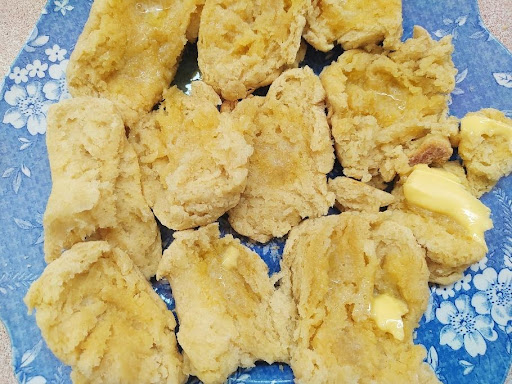
A cherished tradition among choppers at the Taihape and District A & P Show is the spread – urns of tea and coffee, scones, sandwiches and sausage rolls. Celebrate this great Kiwi tradition with a batch of scones! This recipe is based on “Best Ever Scones” from www.edmondscooking.co.nz You will need: - 3 cups flour
- 6tsp baking powder
- ¼ tsp salt
- 1 – ½ cups milk
- 75g butter
Step One: Preheat the oven to 220 degrees Celsius. Grease or flour a baking tray. Sift flour, baking powder and salt and rub in the butter with your fingertips until it resembles fine breadcrumbs. Step Two: Add the milk and mix to a soft dough. Turn the dough onto the baking tray and flour the top. Cut it into 12 pieces and separate them so they have room to grow. Step Three: Bake for 10 minutes or until golden brown. Cut them in half, butter them and enjoy! Send us a picture of your scones!
|
|
|
|
|
|
| |
Bird of the Year
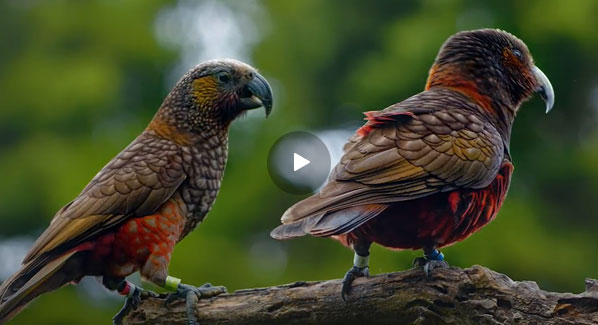
By the time you read this, voting will have closed for the 2021 Bird of the Year competition. Will the winner be 2021’s controversial inaugural entrant – the pekapeka-tou-roa or long-tailed bat? This video looks at the volunteer campaign managers who go in to bat for various birds and the role the competition has come to have in reminding New Zealanders that birds are our “extended family” – and that it’s really important that lots of people are fighting for nature.
Watch the video, then ask yourself; what do you like about the Bird of the Year campaign and the ways it gets people to engage with nature? Is there an essence or spirit in the campaign that could be applied to other environmental issues?
|
|
|
|
| |
What is Together at Home?
New Zealand Geographic started Together at Home at the beginning of the first lockdown in 2020. It was hit with parents, and also for grandparents who felt isolated and wanted to join in. It also gave parents themselves some welcome escape. If you're not into it, just hit unsubscribe. If you like it, then send us pictures of what you make and encourage others to join the list on the Together at Home hub. It will be coming your way every day of the lockdown.
As the rest of the country is no longer in lockdown we filtered the list to include only email addresses in Auckland, or for which we could not verify the location. If you're not in Auckland or do not want it, no worries, just hit unsubscribe. |
|
|
|
| |
How do NZGeo digital subs work?
You can access three items per month totally free on NZGeo.com, and thereafter it costs $1 per week for a digital subscription. (We bill $8.50 every two months to a credit card, or $50/year if you prefer.) A digital subscription gives you access to more than 10,000 stories and 400 hours of natural history documentaries on-demand, on any device.
|
|
|
|
|
|

![145_Viewpoint_shutterstock_227311084-[Converted]](https://cdn.nzgeo.tv/2017/04/145_Viewpoint_shutterstock_227311084-Converted-336x336.jpg)