|
| |
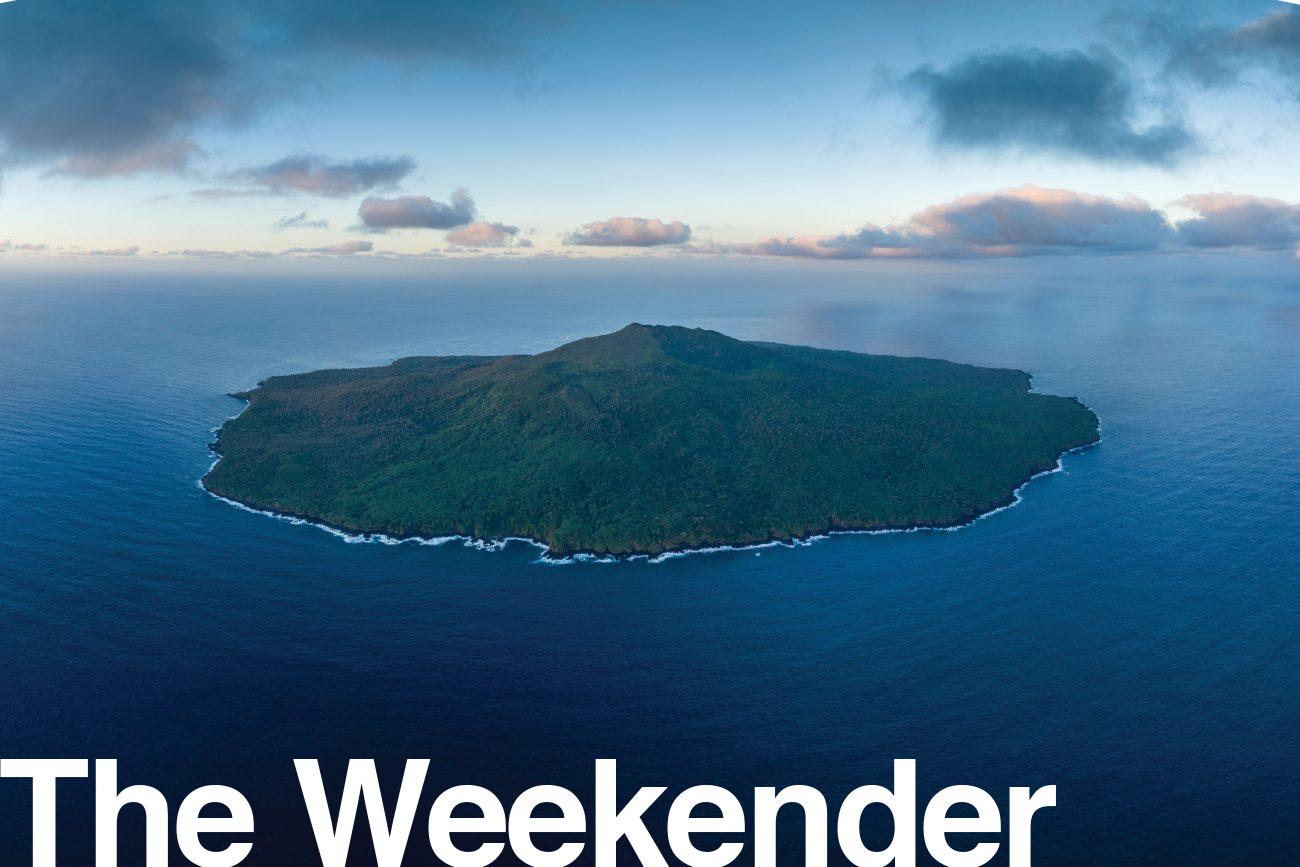
One island. One seriously big mission.
The helicopter lifts from the green main island of Vavau, an intricate jellyfish-shaped archipelago in northern Tonga. Coconut palms and taro plantations unfold beneath us, and then the land suddenly gives way over sheer, forested cliffs. “Look how clear the water is,” says chopper engineer Brad Lentfer over the headset. He’s from Cambridge. “You don’t get that in the Waikato River.”
Our destination is a dim triangle on the western horizon: the uninhabited volcanic island of Late (pronounced La-tay). The clouds clear as we approach, spilling sunlight like a curtain being drawn back, revealing sparsely vegetated upper slopes, cave-pocked basalt cliffs, lush forest, a flower-edged lake, a scatter of orange tents, a rusting telecommunications tower and an array of solar panels. For the second time in a month, a team of Tongans and New Zealanders are about to cover this island in rat poison—the final, crucial moment in an operation that’s been dreamed of for a decade. Keep reading...
|
|
|
| |
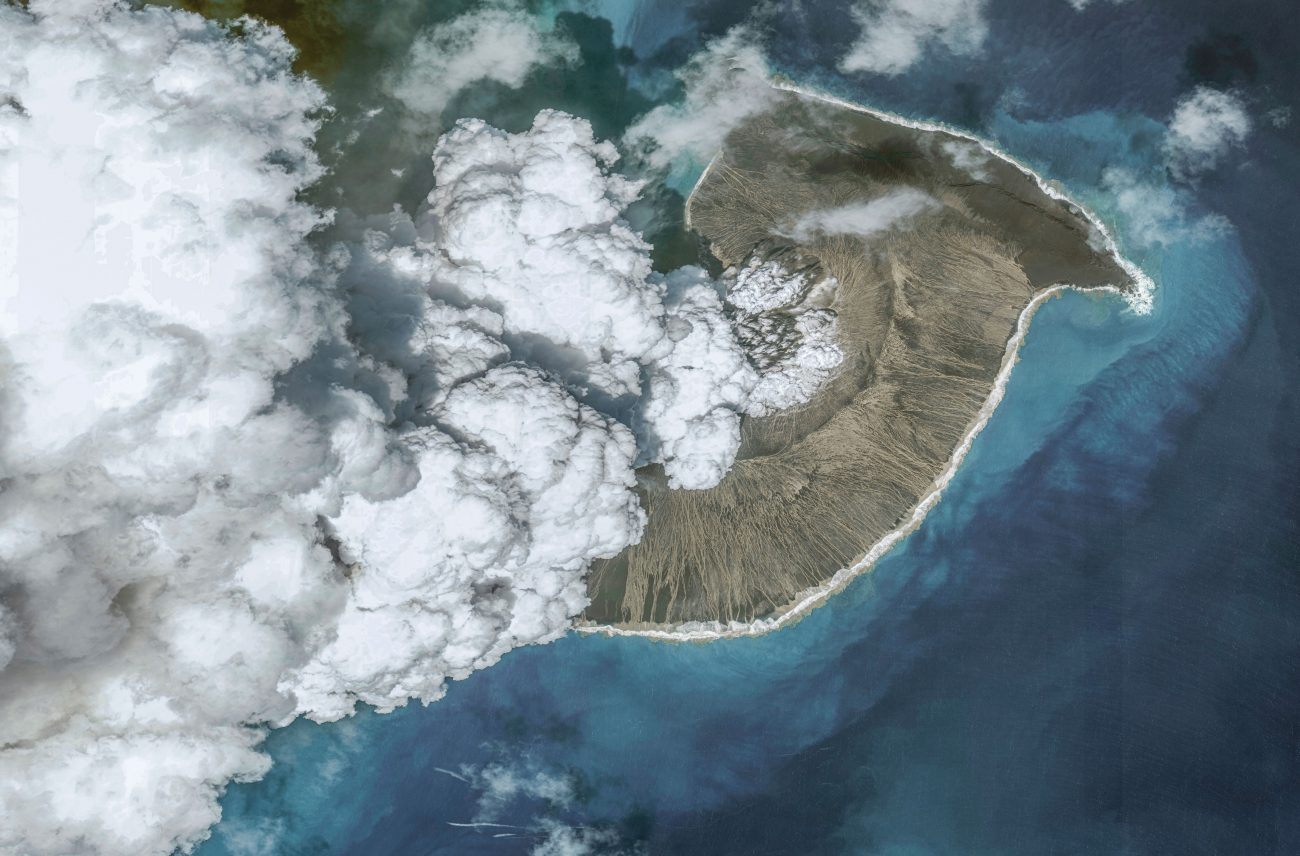
From the archives: The island that blew up
On January 13, 2022, a plume of gas and ash rockets into the sky. The next day, tide gauges on Tongatapu, Tonga’s main island, register an unusual surge—a small tsunami. Taaniela Kula, head of Tonga Geological Services, heads north on a boat with his staff to check out what is happening.
The volcano is about four hours’ travel north of Nuku‘alofa, the capital, and when the geologists draw near, it’s erupting vigorously, steaming and shooting ash into the sky. A three-kilometre-wide column belches up into the atmosphere. Kula and the Geological Services team monitor the spectacle for about two hours. Keep reading...
|
|
|
| |
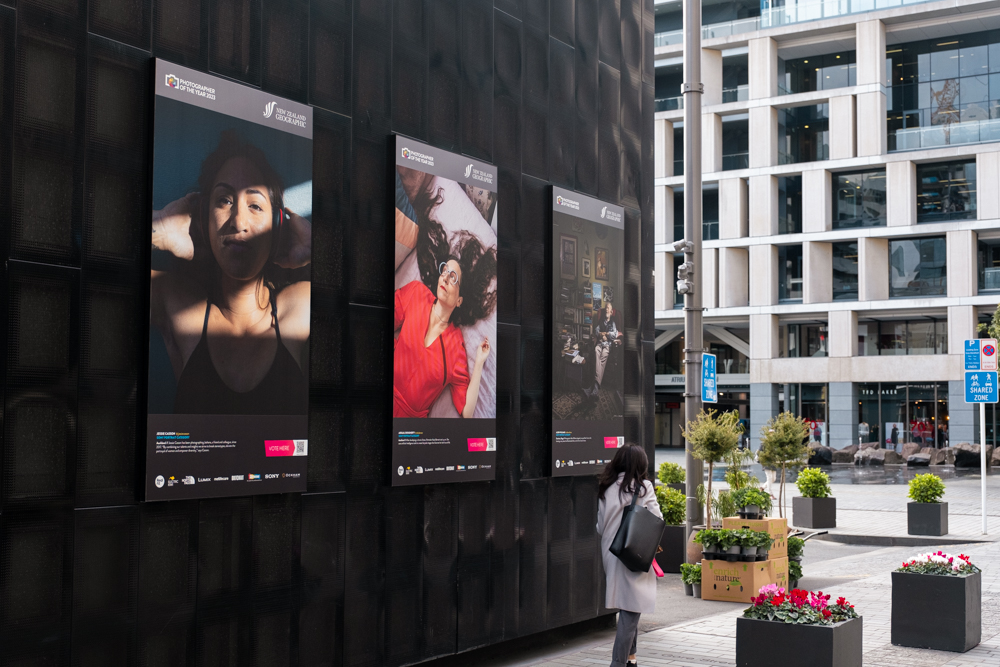
Exhibition open, vote on your favs
The exhibition of finalists in the New Zealand Geographic Photographer of the Year is now open to the public in Britomart, Auckland. It's totally free, all hours, in the Westpac atrium and portrait category out on the pavilion displays around the precinct. If you can't make it in person, see the finalists online and vote for five of your favourites. Every vote counts towards the Ockham Residential People's Choice award. Check it out now...
|
|
|
| |
Subscribe and support local journalism
While advertising and retail income goes up and down, it is subscriptions from readers like you that power long-term journalism projects from around New Zealand and help us keep the lights on.
It's not as much as you think—$8.50 every two months for digital, $12 for print or $16.50 for both... a gold coin a week. Check out the options.
|
|
|
|
| |
The big read: Can Predator-Free 2050 work? How would it happen?
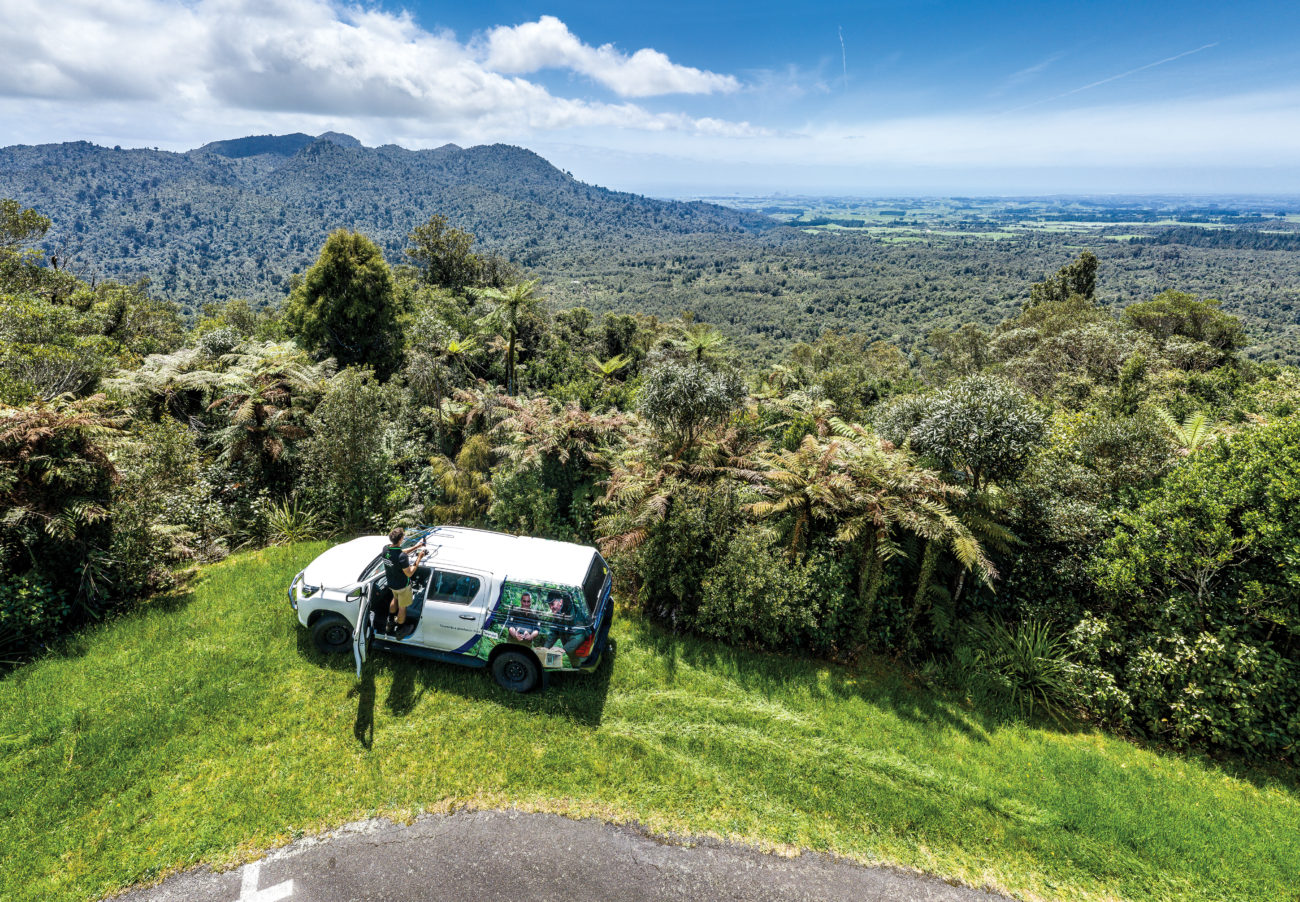
To monitor the effectiveness of an aerial 1080 operation in the Kaitake Ranges, Towards Predator-Free Taranaki placed radio collars on a representative number of possums, so it could track the fate of those animals. Project manager Toby Shanley (pictured above) uses a telemetry antenna to listen for signals from those animals. A moving animal produces a different signal from a stationary (presumably deceased) one. Keep reading...
|
|
|